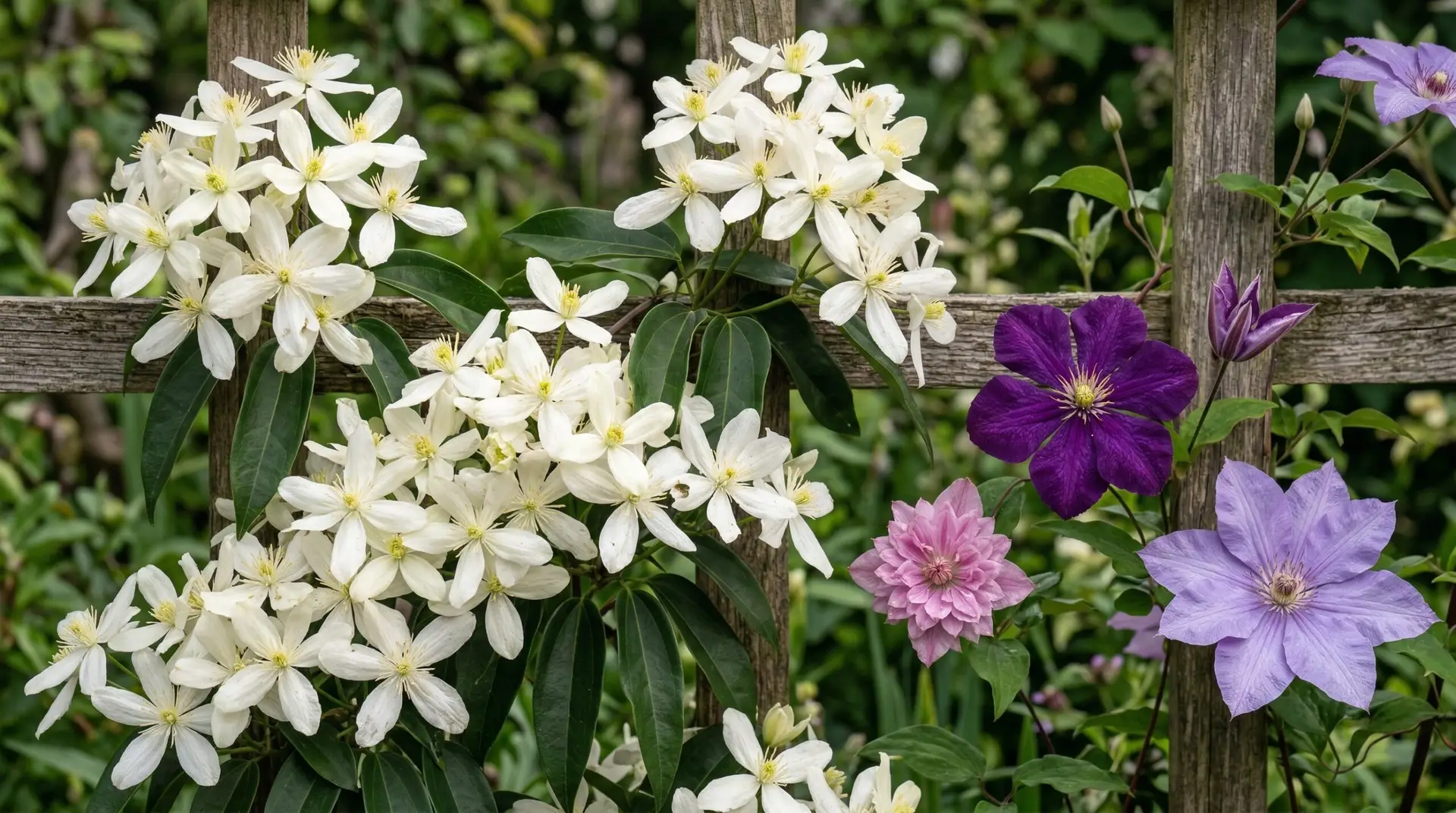
Most gardeners think of clematis as summer companions that die back to brittle sticks when the frost arrives. I used to think exactly the same thing until I discovered the rare joy of growing evergreen clematis. There is a very specific thrill in walking through a dormant January garden and seeing a vigorous vine covered in thick, glossy leaves climbing up a trellis. These plants completely change how you think about vertical space in the colder months. You get the familiar twining habit of a classic vine but with the added benefit of structure that lasts straight through the winter. Building a garden with clematis year round means you never have to look at a bare fence or an empty pergola.
The real magic happens when these vines decide to bloom while the rest of the yard is still waking up. While summer varieties wait for the heat, these evergreens push out buds in the absolute dead of winter or the very early days of spring. The flowers are often smaller than the large-flowered summer hybrids, but their timing makes them infinitely more rewarding. Finding a cluster of fragrant white or speckled bells dangling from a vine in February feels like getting away with something impossible. I spend a lot of time just standing near these vines on cold mornings, taking in the scent and inspecting the new buds. It is this combination of reliable foliage and unexpected winter flowers that makes me so deeply attached to these specific varieties.
Contents 4 sections
The undeniable presence of clematis armandii
If you want a vine that commands attention twelve months a year, Clematis armandii is the plant you need to find. The leaves on this vine do not look like typical clematis foliage at all. They are long, leathery, and deeply veined, drooping downward in a way that creates a dense curtain of dark green. I rely on this plant heavily for screening because it grows with an intensity that can easily cover a chain-link fence or an ugly shed in just a few seasons. You do need to provide a very sturdy support system because the sheer weight of the mature vine is substantial. Flimsy wire trellises will buckle under an established plant, so I always recommend heavy wooden structures or strong metal arbors.
The foliage is reason enough to grow it, but the spring bloom is what really seals the obsession for most growers. Sometime in March or April, the entire vine covers itself in clusters of star-shaped white flowers. The fragrance is incredibly strong, carrying a distinct scent of vanilla and roasted almonds across the yard on a warm afternoon. My personal favorite is the variety Apple Blossom, which opens with a soft pink tint on the petals before fading to white. You do need to live in Zone 7 or warmer to keep this vine happy, as harsh freezes will damage the leaves and kill the flower buds. If you are in the right climate, planting an armandii near a doorway or a patio guarantees you will catch that incredible scent every time you walk outside.
Winter surprises with clematis cirrhosa
For those who want flowers in the absolute depths of winter, Clematis cirrhosa is the variety that will completely capture your heart. This is the true winter clematis, producing delicate, bell-shaped flowers right when the weather is at its worst. The foliage is much finer and more deeply cut than armandii, giving the vine a softer, fern-like texture that looks beautiful climbing through an evergreen shrub or over a low brick wall. I love watching the buds swell in November, knowing they will open into creamy white or pale yellow bells just as the snow starts to fall. The flowers nod downward, which protects their pollen from winter rains and invites you to gently lift them to see the insides.
The varieties within the cirrhosa group offer some of the most charming details in the entire clematis family. Freckles is an absolute favorite of mine because the inside of each creamy bell is heavily speckled with dark maroon spots. Wisley Cream offers pure, unmarked flowers that glow against the dark winter foliage, while Jingle Bells produces slightly larger, pristine white blooms. These vines look incredibly natural planted near a patch of hellebores, creating a woodland scene that peaks in January. They also pair beautifully with early blooming camellias, allowing you to build a layered winter garden full of contrasting flower shapes. The cirrhosa vines do go dormant and look a bit tired in the extreme heat of summer, but that is a minor trade-off for their winter performance.
Growing challenges and honest realities
Loving these plants means accepting their specific quirks and occasional messy habits. Evergreen clematis fall into pruning group one, which means they flower on old wood and generally need very little cutting back. However, because they keep their leaves year after year, the inner layers of the vine will naturally die off and turn brown as they are shaded out by new growth. If you do not occasionally get in there and clean out the dead material, the vine can become a thick, heavy tangle of dry brown stems hidden under a green shell. I usually spend an afternoon right after they finish blooming to thin out the oldest stems and tie in the new green shoots. It takes some patience to untangle the vines, but the plant responds beautifully to the extra airflow and light.
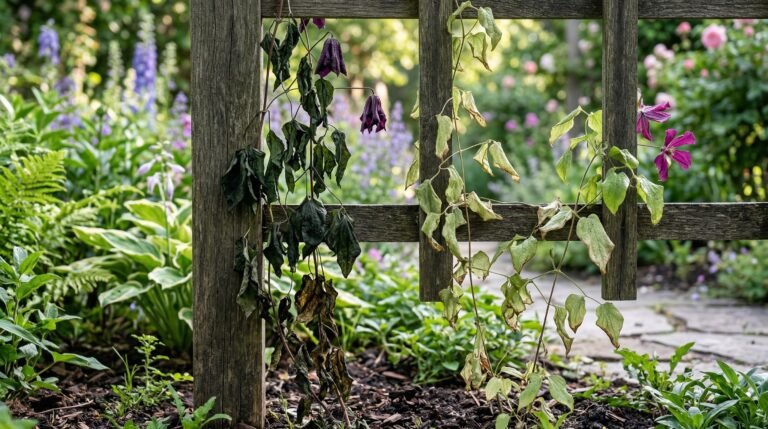
Winter damage is another reality you have to prepare for when growing these evergreens in marginal zones. Even in Zone 7, a sudden and severe cold snap can scorch the leaves, turning the beautiful green canopy a crispy brown overnight. I have walked out after a hard freeze to find my armandii looking completely dead, which is a genuinely heartbreaking sight. The good news is that these plants are remarkably resilient at the root level. If you cut the damaged growth back to healthy wood in the spring, the vine will push out vigorous new shoots and rebuild its canopy with surprising speed. You just have to be willing to accept that an unusually harsh winter might cost you a season of blooms and require a hard reset.
Finding the right spot for year round foliage
The secret to getting the most out of an evergreen clematis is taking the time to site it perfectly from the very beginning. Like all clematis, they want their roots in cool, shaded soil and their foliage reaching up into the sun. I always plant them a little deeper than they were in their nursery pot to encourage strong root development and protect the crown from temperature swings. Because these vines provide year-round interest, you should place them exactly where you need a permanent visual barrier or a touch of winter green. I like to train them along the tops of fences where they can spill over into the neighbor’s yard, or up the posts of a front porch where their winter flowers can be appreciated up close.
Watching an evergreen clematis establish itself and take ownership of a space is one of the most rewarding experiences in gardening. The first year requires a lot of watering and gentle tying in, but by year three, the vine becomes an independent force in the garden. You start to rely on that wall of green leaves to block the wind or hide an ugly view, and you begin anticipating those winter and spring buds months in advance. There is a quiet, steady reliability to these plants that makes them feel like permanent fixtures rather than seasonal visitors. That constant presence, combined with the absolute thrill of cold-weather flowers, keeps me looking for new places to squeeze just one more vine into my yard every single year.
More About Clematis
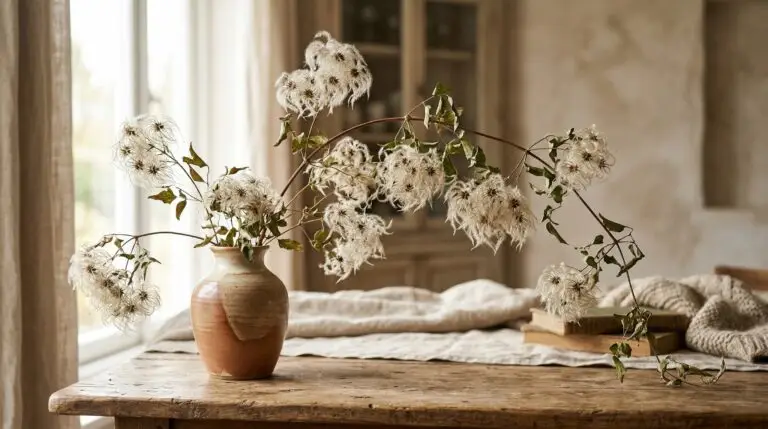
Clematis seed heads as winter garden interest and dried flower arrangements
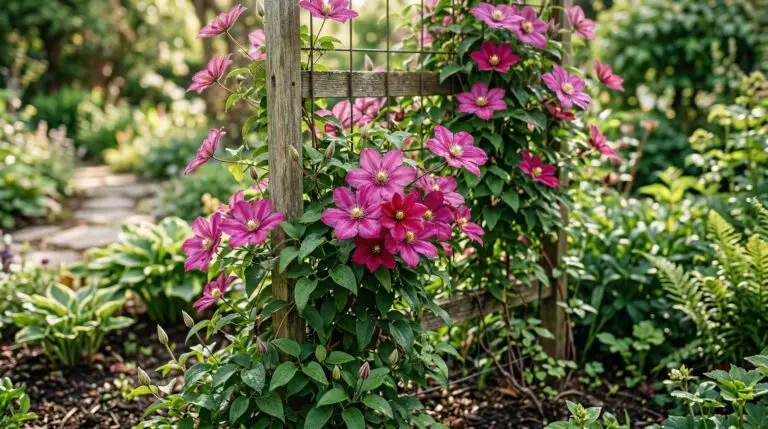
Small-space clematis varieties perfect for containers mailboxes and small trellises
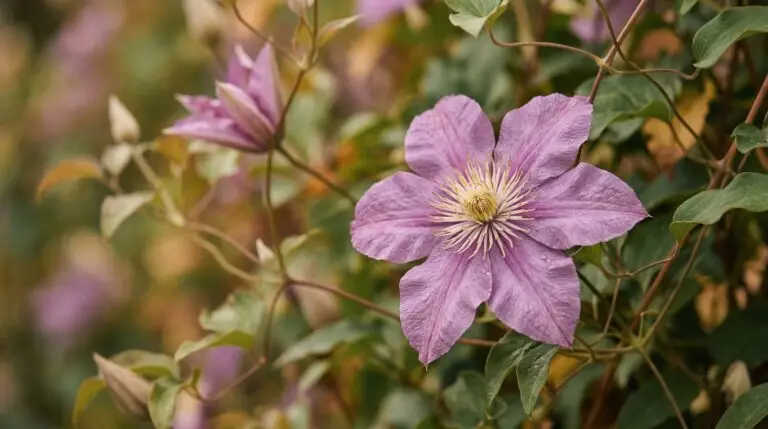
Clematis flower meaning and the symbolism of the traveller’s joy vine
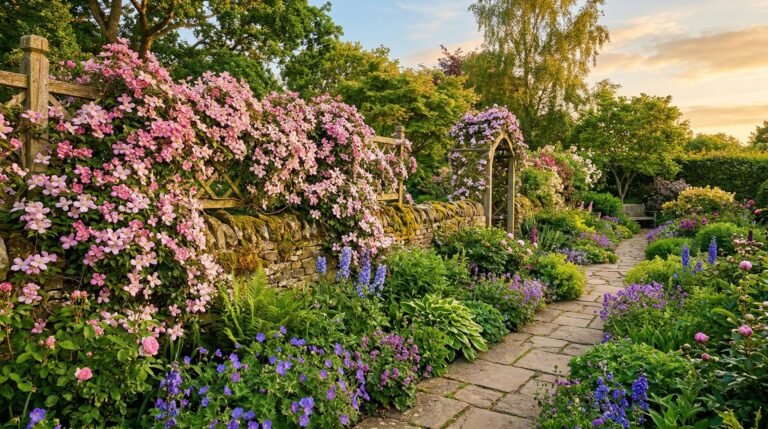
Understanding clematis pruning groups so you never accidentally cut off your blooms
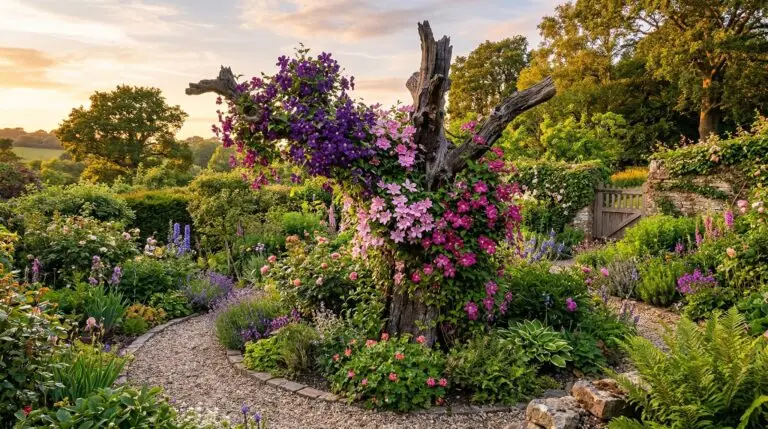
Growing clematis on trees for a naturalistic look inspired by woodland climbing vines
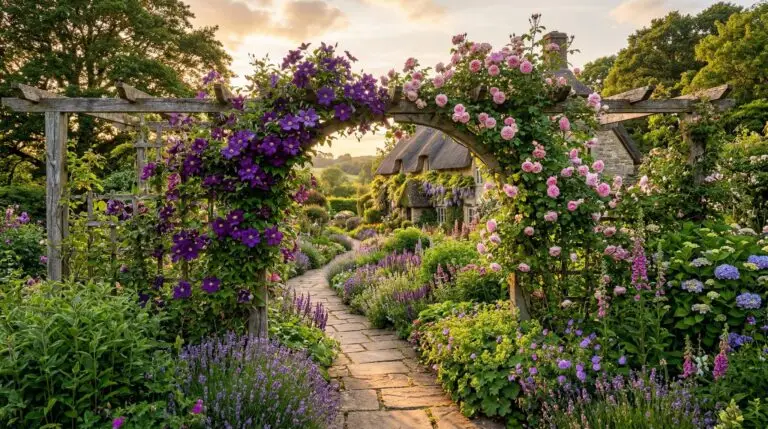
How to grow clematis and roses together on the same trellis for a stunning combination
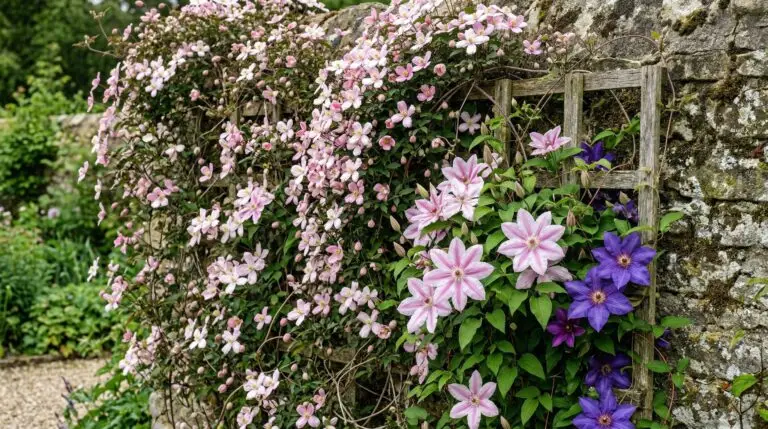
Best clematis varieties for covering fences and trellises with walls of flowers
Why clematis is wilting and how to diagnose and treat clematis wilt disease
Enjoying our flower guides? Add YourFlowersGuide as a preferred source on Google. It helps more readers find us.
Add to Preferred Sources