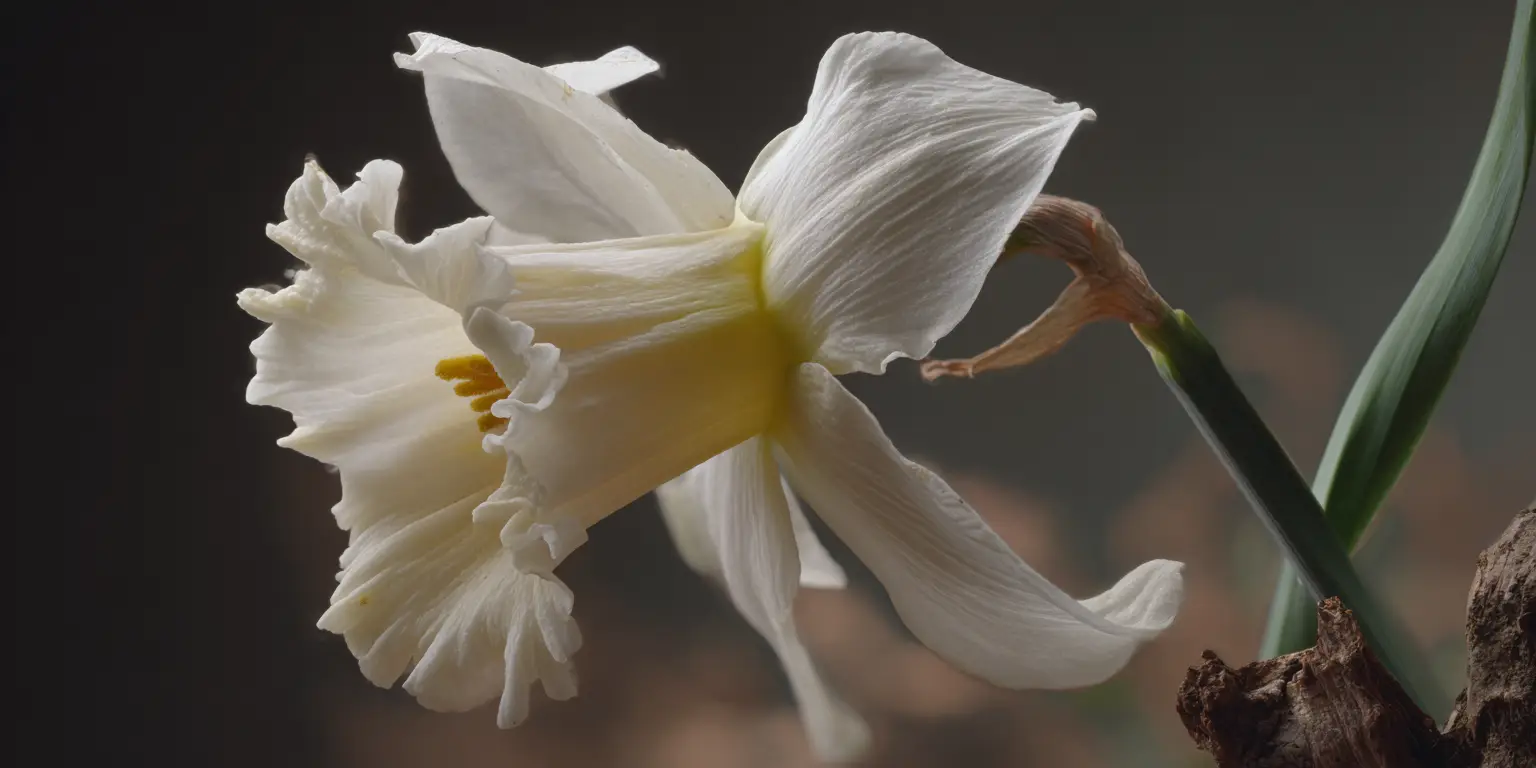
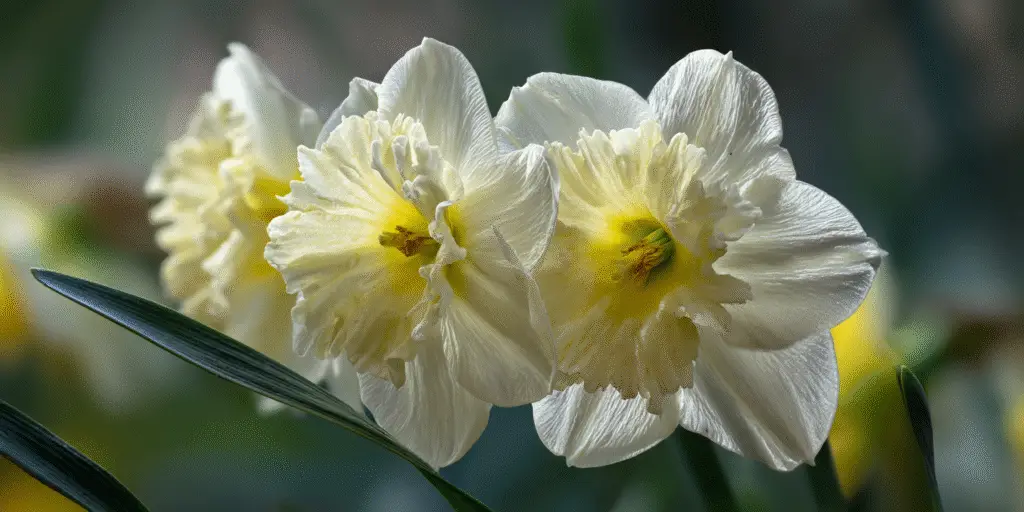
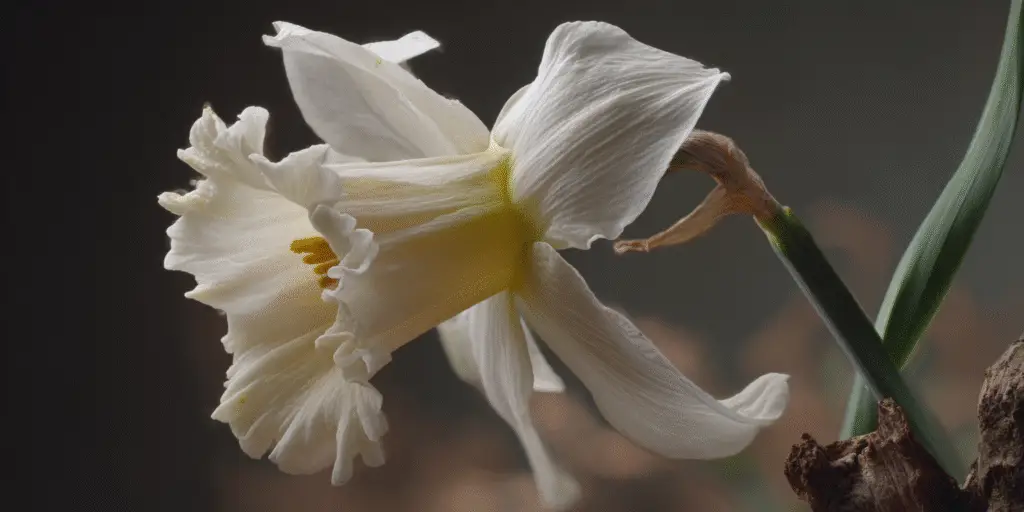
This white trumpet daffodil opens creamy and matures to ivory white. It is prized for clear color, classic form, and mid‑season bloom. Plants grow well in full sun to light shade with well‑drained soils. They return for years in cold‑winter regions if foliage is left to ripen. Stems are strong enough for cutting and for mixed borders. All parts of Narcissus are toxic if eaten. Use it where a white scheme or moon garden effect is desired.
At‑a‑glance
Group/Class: Division 1 (Trumpet)
Height × spread: 16–20 in × 6–12 in (40–50 cm × 15–30 cm)
Bloom window: mid spring
Color & flower form: ivory white perianth; long trumpet maturing from pale cream to ivory; one flower per stem
Fragrance: 1 trace
USDA hardiness: zones 3–8
Breeder / Year / Origin: unknown hybridizer, 1938, Netherlands
Awards/registration: ADS Wister Award, 2018
Cut‑flower notes: stems sturdy; condition separately; vase life relatively short, varies by handling
Pet safety: avoid
How it differs
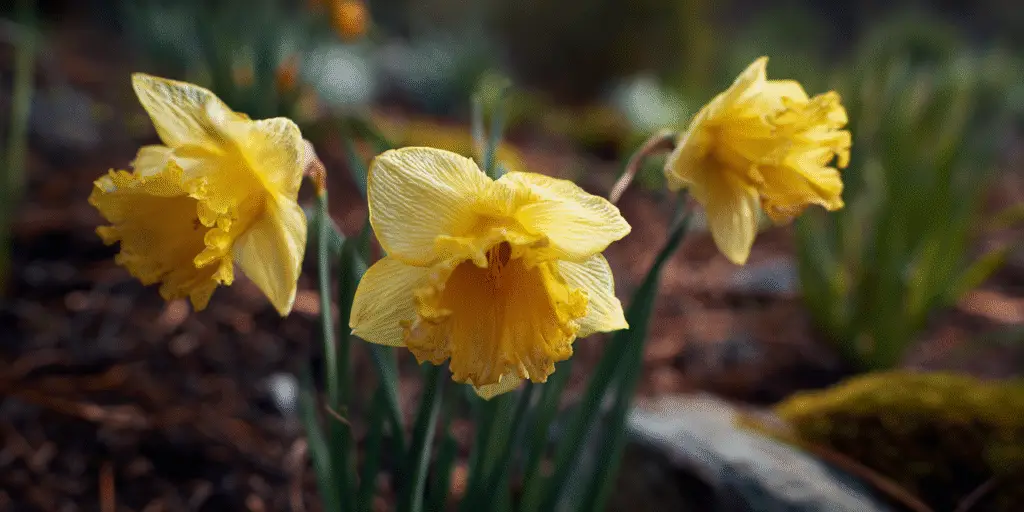
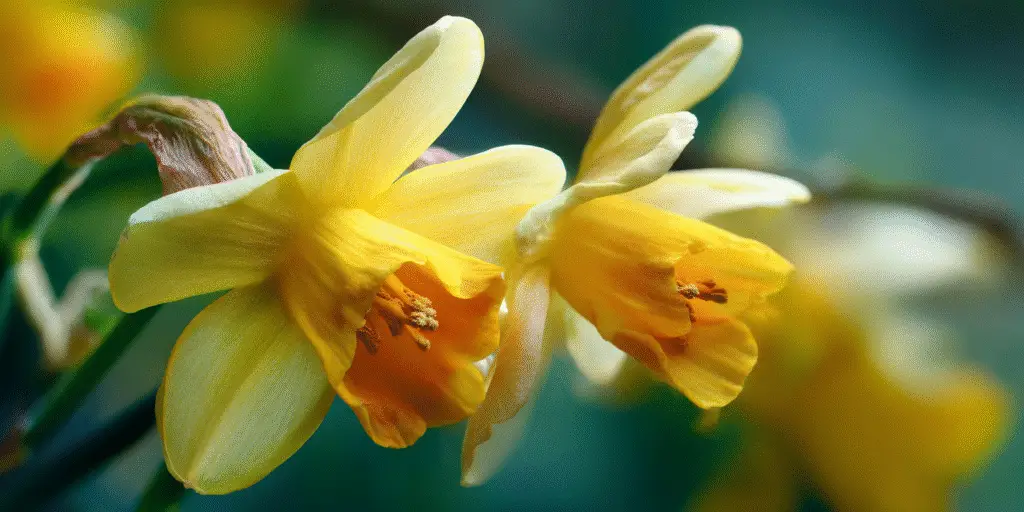
All‑white trumpet compared with the typical yellow daffodil.
Mid‑season bloom later than many early trumpets.
Holds color without the yellowing seen in bicolors.
Strengths
Strong landscape presence in white schemes.
Good cut flower with firm stems.
Reliable return in cold‑winter climates.
Care in one minute
Plant 6–8 in deep (15–20 cm) in full sun to light shade with well‑drained soil.
Keep evenly moist in spring; reduce water in summer dormancy.
Leave foliage to yellow naturally; avoid braiding or early removal.
Light fall feeding in poor soils supports next year’s bloom.
Divide congested clumps after foliage dies down.
Watch‑outs
Flower color can burn in unseasonable heat.
Needs division when clumps become crowded.
Best uses (tags)
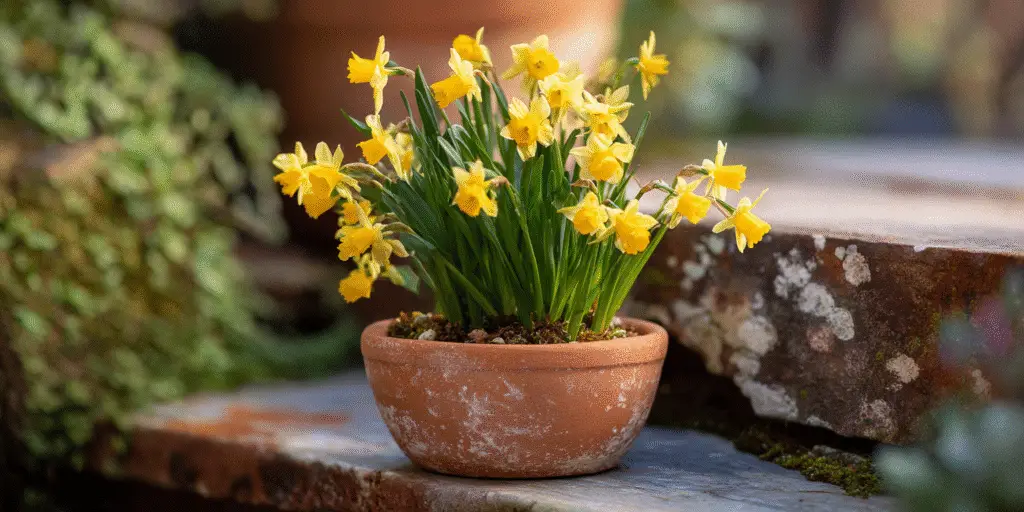
borders, cutting, naturalizing, moon garden
Provenance note
An older Dutch white trumpet registered in 1938, recognized by the American Daffodil Society with the Wister Award for garden merit.
Written by: Your Flowers Guide editorial team We are a small independent group of flower lovers who research and review each guide using trusted horticultural and educational sources. Learn more about us