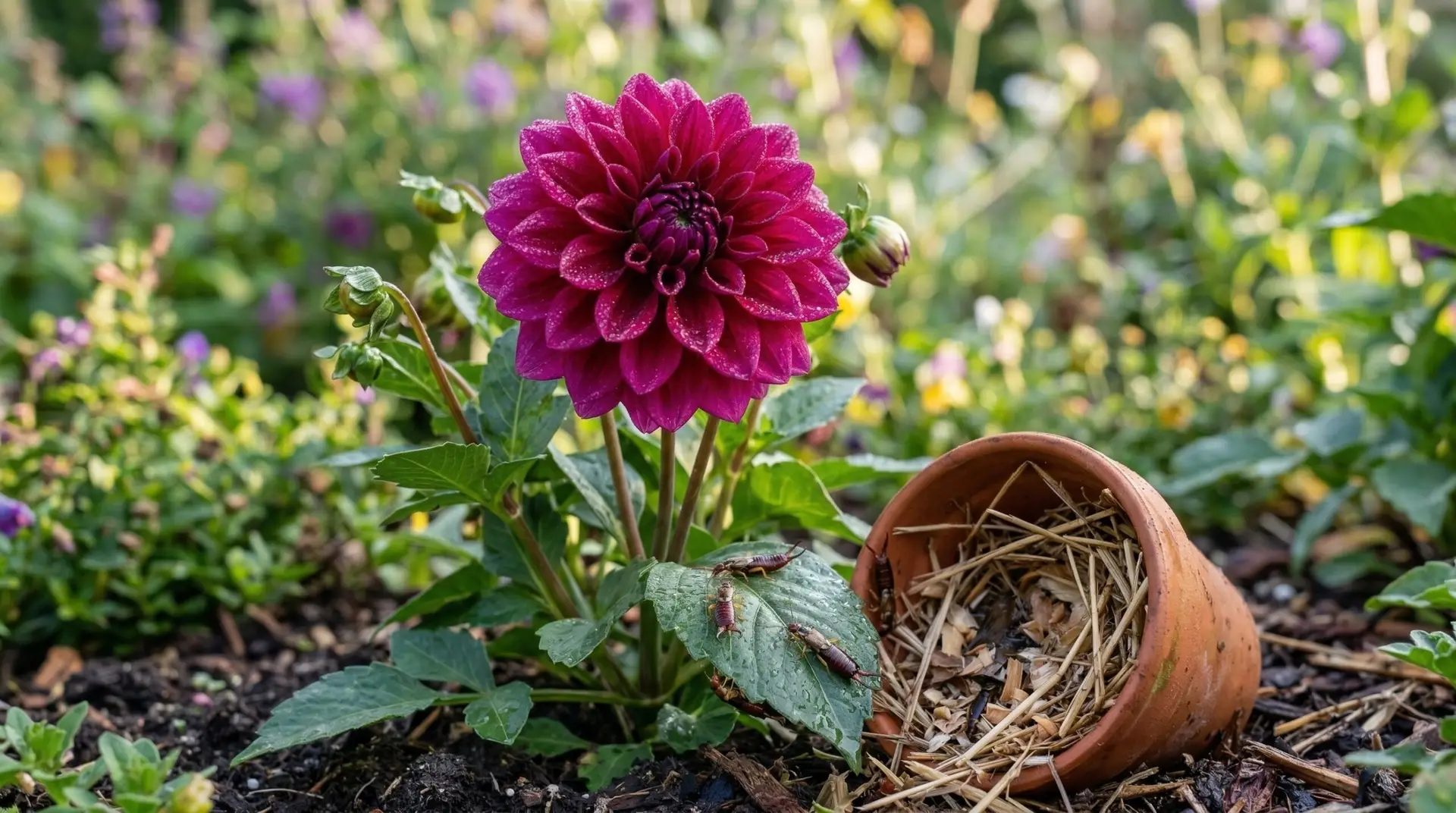
Most people start growing dahlias because they want massive, perfect blooms, but they quickly discover that every bug in the neighborhood wants them too. You walk out to the garden in the morning expecting to see fresh growth, and instead, you find leaves that look like Swiss cheese and buds chewed down to the stem. This is the reality of growing these plants, and it frustrates new and experienced gardeners alike. When you plant dahlias, you are planting a buffet for pests and a prime target for fungal issues. Understanding what is eating your plants or turning the leaves white is the first step to getting control of the situation. I have walked through hundreds of gardens where people were ready to give up on dahlias entirely, but a few targeted adjustments usually turn things around. The trick is recognizing the exact dahlia problems you are dealing with early so you can act before the plant loses its vigor.
Contents 5 sections
Stopping earwigs and slugs from devouring foliage
When you see ragged holes in the middle of your dahlia leaves or shredded petals on newly opened blooms, you are almost certainly dealing with earwigs or slugs. These pests do their worst work at night, leaving you to find the damage in the morning without seeing the culprit. Slugs tend to attack young plants right after you put them in the ground, completely defoliating a tender sprout in a single night. Earwigs usually show up a bit later in the season, hiding in the tight folds of the developing flower buds during the day and coming out to feed after dark. Because they hide so well, spraying them directly is mostly a waste of time and money. You have to use their behavior against them by setting up traps that catch them while they forage.
For dahlia earwigs, the most reliable method I have found is a simple oil trap. Take a shallow container, like an empty tuna can, and mix equal parts vegetable oil and soy sauce inside it. Bury the can in the soil near the base of the plant so the rim is level with the ground. The soy sauce attracts the earwigs, and the oil traps them, leaving you with a container full of dead pests to empty every few days. You can also roll up damp newspaper or corrugated cardboard and leave it near the base of the plants overnight. The earwigs will crawl inside to hide from the morning sun, and you can just throw the whole roll into the trash or a bucket of soapy water.
Slug management requires a different approach, mostly relying on timing and physical barriers. Slugs need moisture to travel, so if you water your garden in the late evening, you are giving them a wet highway right to your dahlias. Switch your watering schedule to the early morning so the soil surface dries out before nightfall. You can also use iron phosphate slug baits scattered lightly around the perimeter of the bed, which stops them from feeding once ingested. Copper tape around pots or raised beds works well if you keep it clean, but it is less practical for in-ground plants. If you are also growing late-season bloomers like chrysanthemum plants, you will notice they face similar slug pressures, so treating the whole bed at once saves you a lot of grief.
Dealing with powdery mildew and fungal issues
Toward the middle or end of summer, you might walk out and notice what looks like white flour dusted all over the lower leaves of your dahlias. This is dahlia powdery mildew, and it is easily the most common fungal issue these plants face. When powdery mildew takes hold, it slowly drains the energy from the plant, causing the leaves to yellow, dry up, and eventually drop off. It happens because the plants are growing too close together, blocking the wind from moving through the foliage and drying things out. High humidity mixed with warm days and cool nights creates the perfect breeding ground for this fungus. Once the white powder is visible, you cannot cure those specific leaves, but you can stop the fungus from spreading to the rest of the plant.
The best way to manage powdery mildew is to change how you space and water your plants. When you put tubers in the ground in spring, you must leave at least two to three feet between them, even if the bed looks empty at first. As the plants grow, you should strip off the bottom twelve inches of leaves to allow air to circulate freely around the base of the stems. Never water your dahlias from above with a sprinkler, because wet leaves practically invite fungal spores to settle and germinate. Use drip irrigation or a soaker hose to put the water exactly where the roots need it without getting the foliage wet. If the mildew is already spreading rapidly, you can apply a sulfur-based fungicide, but you have to reapply it after every rainstorm for it to work.
Managing aphids and sap-sucking insects
If the new growth at the top of your dahlia looks twisted, stunted, or covered in a sticky clear substance, you need to look closely for aphids. These tiny, soft-bodied insects gather in dense clusters on the tenderest parts of the plant, sucking the sap directly out of the stems and leaves. The sticky substance they leave behind is called honeydew, and it often attracts ants or grows a layer of black sooty mold. Aphids reproduce at an alarming rate, turning a minor annoyance into a severe infestation in just a few days. They weaken the plant significantly, resulting in smaller blooms and stunted stems that fail to support the heavy flowers. Because they target the same soft growth found on other garden favorites like aster flowers, an aphid problem in one part of the yard usually means they are everywhere.
Getting rid of aphids is actually easier than managing most other dahlia pests if you catch them early. Your first line of defense is a strong blast of water from the garden hose. Supporting the dahlia stem with one hand, spray the aphids directly to knock them onto the ground, where they will usually die before they can climb back up. If the water trick does not work, you can spray the clusters with insecticidal soap, making sure to coat the undersides of the leaves where they hide. You must apply the soap in the early morning or late evening, because spraying it in direct sunlight will burn the dahlia leaves. Avoid using broad-spectrum chemical insecticides, as these will kill the ladybugs and lacewings that naturally hunt and eat aphids in your garden.
Identifying and handling dahlia viruses
Sometimes a dahlia looks sick, but you cannot find a single bug or speck of mildew anywhere on the plant. The leaves might look mottled with strange light green or yellow patterns, the veins might turn bright yellow, or the whole plant might just look stunted and distorted from the moment it sprouts. When these symptoms appear, you are usually looking at a plant infected with a dahlia virus, such as Dahlia Mosaic Virus. Viruses are transmitted by sap-sucking insects like aphids and thrips, which carry the disease from an infected plant to a healthy one as they feed. Unlike fungal issues or pest damage, a virus infects the entire systemic structure of the plant, including the tuber underground. This is the hardest reality for many gardeners to accept, because there is absolutely no cure for a virused dahlia.
If you confirm or strongly suspect that your dahlia has a virus, you must remove the entire plant immediately. You have to dig up the tuber, bag up all the foliage, and throw the entire thing in the household trash. Do not put a virused plant in your compost pile, because the virus can survive and spread back into your garden later. It feels terrible to throw away a plant you have nurtured, but leaving a sick dahlia in the ground puts every other dahlia in your yard at risk. After removing the sick plant, wash your pruners and shovel thoroughly with a bleach solution or rubbing alcohol to avoid passing the virus to healthy plants yourself. Buying your tubers from reputable growers who actively test for viruses will save you from dealing with this heartbreak in the first place.
The foundation of healthy dahlias
The most useful piece of advice I can give anyone growing dahlias is to commit to rigorous garden sanitation and daily observation. Most dahlia pests and diseases gain a foothold because we leave dead leaves rotting on the soil or ignore a small problem until it becomes unmanageable. If you spend five minutes every morning walking through your dahlia patch, you will spot the first chewed leaf, the first aphid cluster, or the first spot of mildew. Picking off a few bad leaves and keeping the ground completely bare around the base of your plants solves half the problems before they require intervention. Dahlias demand attention, and the growers who succeed are simply the ones who notice things early and act immediately. Clean up your beds, give your plants room to breathe, and you will spend a lot less time fighting pests and a lot more time cutting flowers.
More About Dahlia
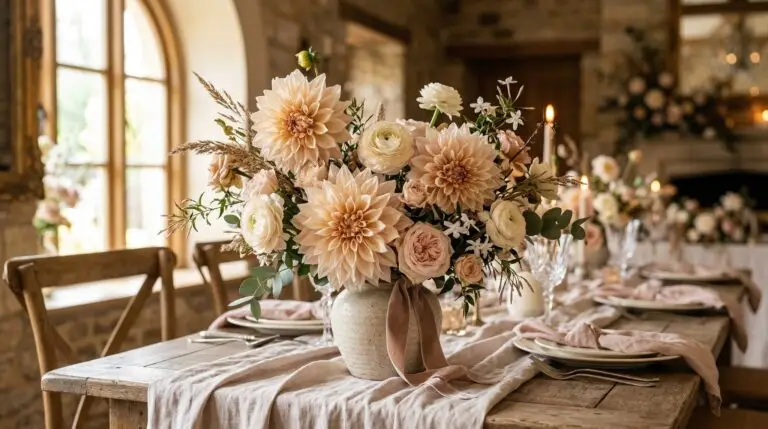
Dahlia wedding flowers and why brides are choosing dahlias over traditional roses
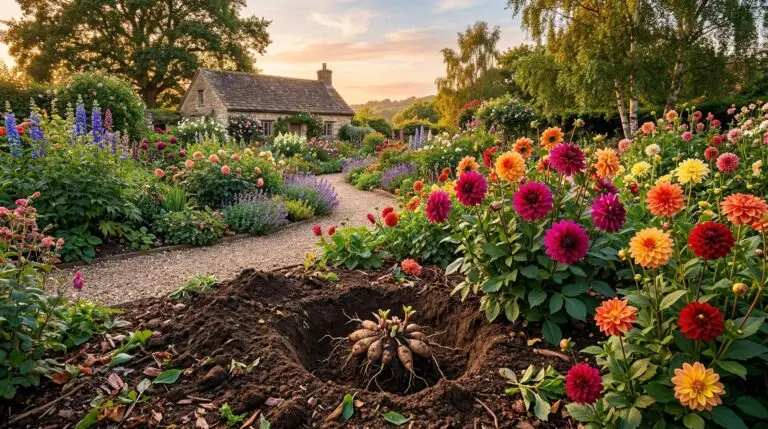
Dahlia tuber storage over winter so your favorite varieties survive until spring
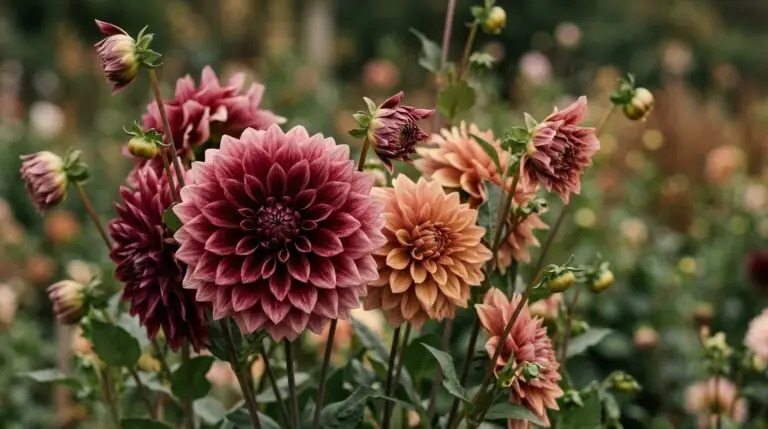
Dahlia flower meaning and the Victorian language of flowers message behind each color
How to pinch and disbud dahlias for more flowers or bigger individual blooms
Dark-leaved dahlias that bring drama with stunning foliage and jewel-toned flowers
How to divide dahlia tubers in spring for more plants from your collection
How to grow dinner plate dahlias for enormous blooms that stop people in their tracks
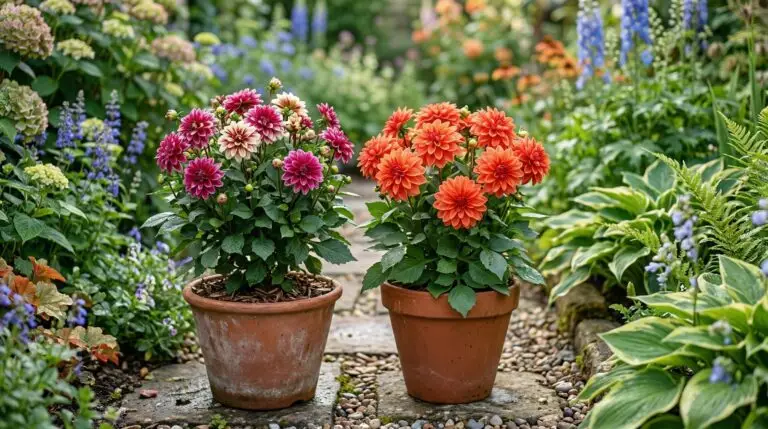
Growing dahlias in containers for a patio flower show from midsummer to frost
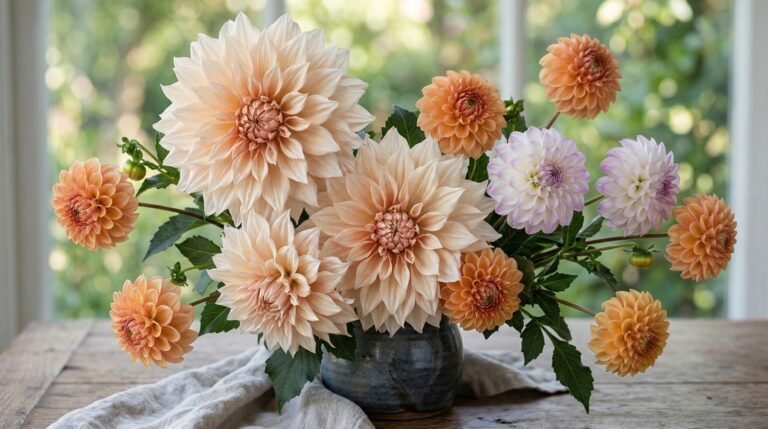
Best dahlia varieties for a cutting garden that produces armloads of flowers all season
Enjoying our flower guides? Add YourFlowersGuide as a preferred source on Google. It helps more readers find us.
Add to Preferred Sources