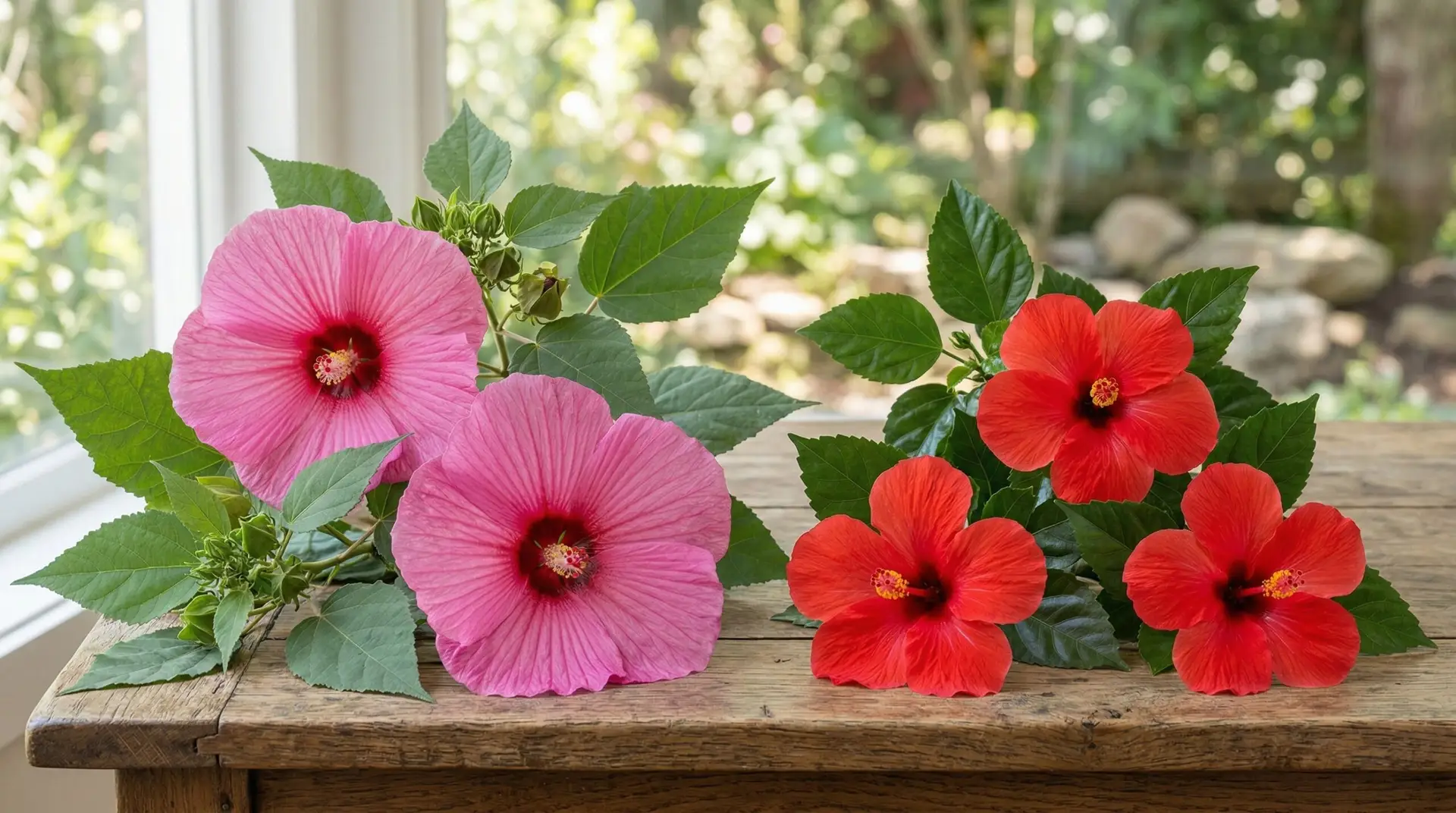
When you walk into a garden center in mid-summer, you are likely to be greeted by large, colorful hibiscus flowers demanding your attention. Deciding to add one to your garden is easy, but figuring out which type of hibiscus you are actually buying requires a bit more thought. The choice usually comes down to two main categories: hardy hibiscus and tropical hibiscus. While they share a recognizable trumpet-like flower shape, these two plants behave entirely differently in the garden. Choosing the wrong one can result in a dead plant after your first winter frost. Understanding the specific traits of Hibiscus moscheutos and Hibiscus rosa-sinensis will help you select the plant that actually fits your climate and your gardening style.
The distinction between these two hibiscus types matters because they require completely different long-term care strategies. One is a tough perennial that sleeps through freezing winters, while the other is a frost-tender shrub that treats fifty-degree weather as a cold snap. Gardeners often buy a beautiful potted hibiscus on impulse, plant it in their yard, and feel disappointed when it never returns the following spring. By looking closely at the leaves, the flower colors, and the growth habits, you can easily tell these two apart and make a choice that works for your specific yard. Knowing what you are buying saves you time, money, and frustration.
Understanding your climate and winter survival
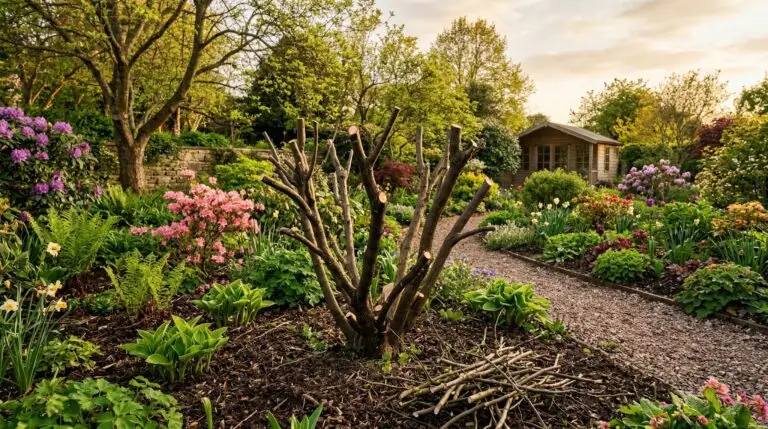
The most significant difference between hardy hibiscus and tropical hibiscus is their ability to survive cold weather. Hardy hibiscus, derived primarily from Hibiscus moscheutos, is native to North America and can easily survive winters in USDA hardiness zones four through nine. When the first heavy frost hits, the entire top of the plant dies back completely to the ground. This process looks alarming to new gardeners, but the root system remains perfectly safe beneath the frozen soil. You simply cut the dead stalks down to a few inches tall in late fall or early spring. The plant will remain completely dormant and invisible until late spring, often waiting until the soil is thoroughly warm before sending up new shoots.
Tropical hibiscus, scientifically known as Hibiscus rosa-sinensis, lacks this built-in winter protection mechanism. These plants are true tropicals that thrive outdoors year-round only in zones nine through eleven. If exposed to freezing temperatures, the water inside their plant cells freezes and ruptures the tissue, killing the plant entirely. Gardeners in colder zones must treat tropical hibiscus as annuals or commit to bringing them indoors before the first autumn frost. Overwintering a tropical hibiscus indoors requires a sunny window, careful watering, and a tolerance for dropped leaves as the plant adjusts to lower indoor light levels. If you live in a cold climate and want a permanent garden plant, the hardy hibiscus is the only practical choice.
Comparing the blooms and foliage
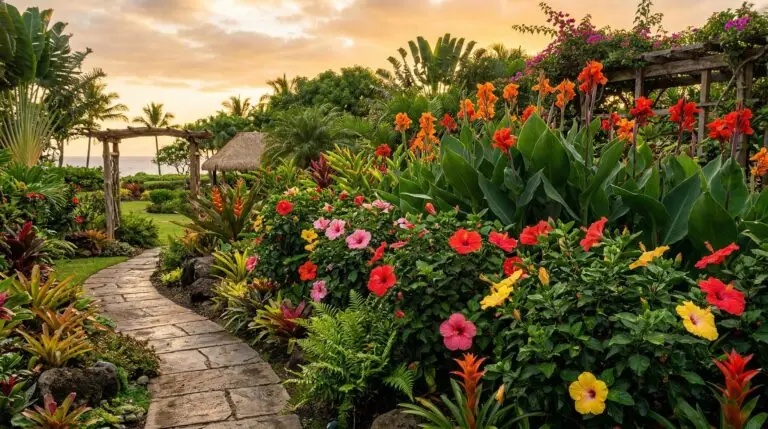
You can often tell which type of hibiscus you are looking at simply by examining the foliage and the flowers. Tropical hibiscus produces incredibly glossy, deep green leaves that feel smooth and slightly rigid to the touch. Their flowers come in a massive spectrum of colors, including bright yellows, deep oranges, peach, pink, red, and complex multi-colored combinations. The blooms on a tropical hibiscus generally measure four to six inches across. While each individual flower lasts only a single day, a healthy tropical plant will produce new buds continuously throughout the warm months. This makes them highly rewarding if you want constant, daily color on a patio or deck.
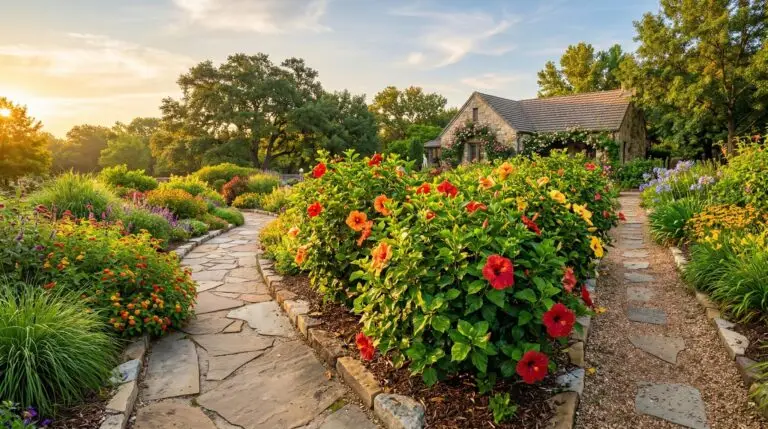
Hardy hibiscus plants take a different approach to their visual display. Their leaves are typically matte rather than glossy, and they often have a softer, slightly fuzzy texture. Depending on the variety, hardy hibiscus foliage can be light green, deep olive, or a rich burgundy color that resembles a Japanese maple leaf. The flowers on a hardy hibiscus are famous for their sheer size, often referred to as “dinner plate” hibiscus because the blooms can reach eight to twelve inches across. However, their color palette is much more restricted than their tropical cousins. You will only find hardy hibiscus flowers in shades of white, pink, red, and occasionally a pale magenta, usually with a contrasting dark red eye in the center.
Growth habits and garden placement
The way these plants grow dictates exactly where you should place them in your garden design. Tropical hibiscus grows as a woody shrub with permanent branches that get thicker and woodier over time. Because they retain their structure, nurseries often train them into standard tree forms with a single bare trunk and a rounded canopy of leaves and flowers at the top. This woody structure makes them ideal candidates for large decorative pots framing a doorway or anchoring a patio corner. You can easily pair a potted tropical hibiscus with other warm-weather lovers like a canna lily to create a lush, jungle-like aesthetic for the summer season. The combination provides an excellent vertical element for container gardens.
Hardy hibiscus grows as an herbaceous perennial, meaning it has to rebuild its entire above-ground structure from scratch every single year. Despite starting from zero in late May, a mature hardy hibiscus can rocket to four or five feet tall and equally wide by mid-summer. This explosive growth results in a dense, shrub-like appearance with thick, green stems that never turn into true wood. Because they grow so large and die back completely, they work best near the middle or back of a mixed perennial border. They also pair quite well with traditional garden shrubs like Hydrangea macrophylla, providing fresh blooms late in the summer when the hydrangeas begin to fade. The hardy hibiscus easily fills the visual gaps left by earlier blooming plants.
Maintenance needs and common challenges
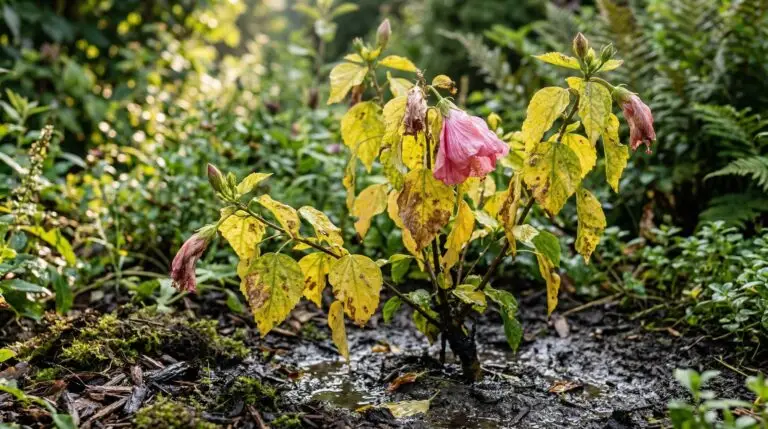
Water requirements differ heavily between the two varieties, largely because of their native origins. Hardy hibiscus descends from plants that grow naturally in swamps and wetlands along the Eastern United States. This means they are incredibly thirsty plants that will tolerate poorly draining soil and even occasional standing water. If you have a low spot in your yard that stays muddy after a rainstorm, a hardy hibiscus will thrive there. They do require consistent moisture during the hottest parts of summer to support their massive flowers and rapid growth rate. If a hardy hibiscus gets too dry, it will quickly drop its lower leaves and abort its developing flower buds to conserve energy.
Tropical hibiscus needs regular watering to support its continuous blooming, but it demands excellent drainage. If you leave a potted tropical hibiscus sitting in a saucer of water, the roots will quickly rot and the plant will decline. They also require much more frequent feeding than hardy varieties, benefiting from a high-potassium fertilizer applied every few weeks during the growing season. Pest management is another factor to consider when choosing between the two. Hardy hibiscus plants are notorious for attracting hibiscus sawfly larvae, which look like tiny green caterpillars that can defoliate an entire plant in a matter of days. Tropical hibiscus plants are generally free of sawflies outdoors, but they attract aphids, spider mites, and whiteflies, especially when you bring them indoors for the winter.
Narrowing down your choice comes down to assessing your climate, your available space, and your willingness to manage winter care. If you live in a cold climate and want a permanent plant that you can put in the ground and forget about over the winter, the hardy hibiscus is the clear winner. You sacrifice the yellow and orange color options, but you gain massive blooms and zero winter maintenance. The hardy types are also the better choice if you have heavy clay soil or areas of your yard that stay consistently damp. You just have to be patient in the spring and wait for those late-emerging shoots to finally break through the soil. The reward is a massive floral display that requires very little effort.
On the other hand, if you do most of your gardening in containers on a patio, balcony, or deck, the tropical hibiscus makes much more sense. The glossy leaves look tidy all season long, and the continuous production of flowers provides daily interest right where you sit and relax. You gain access to a much wider array of colors to match your outdoor decor. You simply have to treat the plant as a seasonal annual or commit to the chore of moving a heavy pot indoors before the autumn frost arrives. Moving a heavy pot indoors requires some physical effort and dedicated floor space. By matching the plant’s natural characteristics to your specific growing conditions, you will get the most out of whichever hibiscus you choose to bring home.