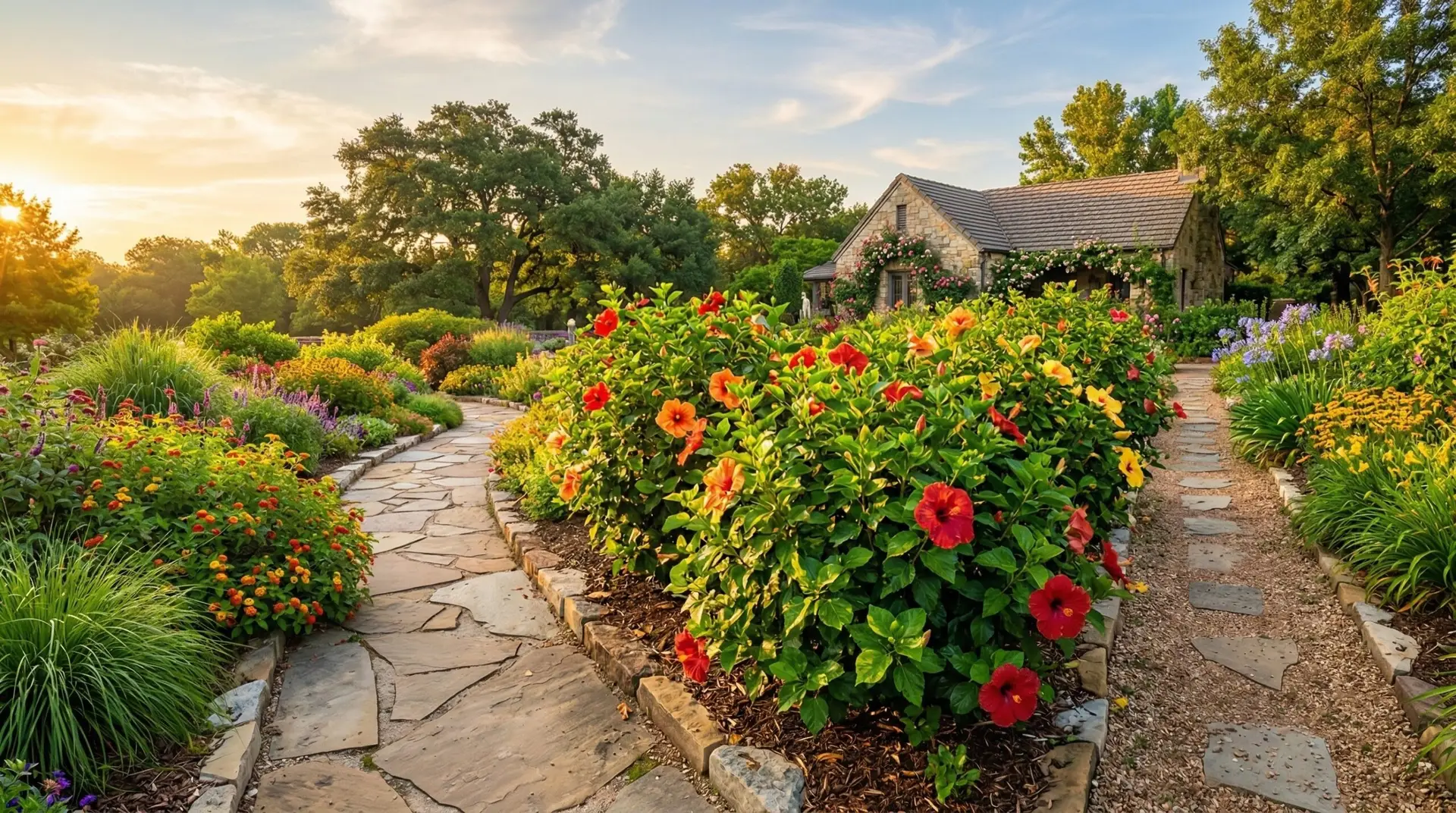
Growing conditions vary enormously across the country, and bringing a tropical hibiscus indoors for winter requires understanding your specific local context. A gardener in Zone 4 Minnesota faces a completely different set of challenges than someone in Zone 9 Florida when moving plants inside. In northern climates, the drastic reduction in day length triggers severe stress, while southern gardeners might only need to protect plants from occasional frost. Understanding how your regional outdoor climate contrasts with your indoor winter environment is the foundation of success with tropical hibiscus. You cannot apply generic winter care advice without first evaluating the specific temperature swings and light levels your plant will experience during the transition. The process requires observing the exact microclimate of your chosen indoor space to ease the plant into its winter dormancy. Taking the time to map out the sunlight patterns in your home before the first freeze prevents panic when the weather suddenly turns cold.
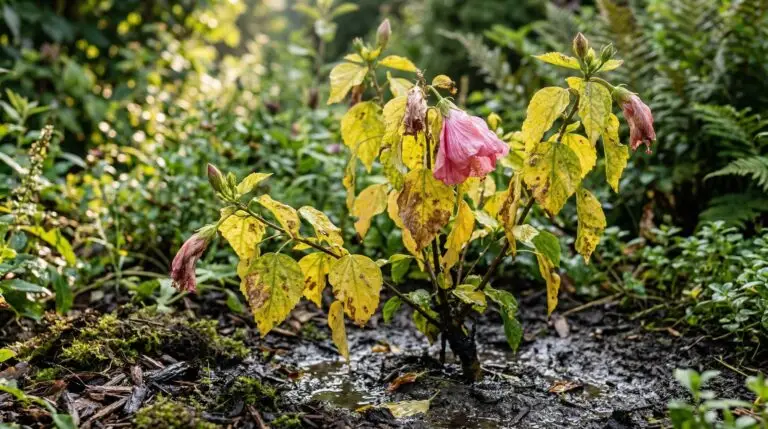
The shock of moving from humid outdoor air to dry, heated indoor air causes the massive leaf drop that frustrates so many gardeners. In the humid Southeast, a hibiscus spends the summer soaking up moisture from the air, making the sudden move into a centrally heated house particularly jarring. Gardeners in the dry Mountain West already deal with low outdoor humidity, but indoor winter heating drops those moisture levels even further, turning the living room into a desert. To minimize leaf drop, you must bridge this gap by bringing the plant indoors gradually over several weeks before your region’s first frost. Moving the container to a shaded porch helps the plant adjust to lower light levels while still experiencing outdoor humidity. During this transition period, reduce watering slightly to signal the approaching seasonal change to the root system. Expect the plant to lose some yellowing leaves during this phase, as dropping foliage is a natural response to changing environments rather than a sign of imminent death.
Managing light and temperature by region
Light requirements for overwintering depend heavily on your latitude and the winter cloud cover typical of your region. In the Pacific Northwest, winter days are notoriously short and overcast, requiring supplemental grow lights to keep a hibiscus from dropping every leaf. Gardeners in the sunnier Southwest might get away with placing the plant near a bright, south-facing window without any additional artificial lighting. If you rely entirely on natural light, clean your windows thoroughly and place the plant as close to the glass as possible without touching it. The cold radiating from window panes in northern zones can damage the foliage, so you must find the exact distance where light is maximized but freezing drafts are avoided. Positioning the plant on a rolling caddy allows you to pull it back from the glass on the coldest nights. Rotating the pot a quarter turn every week ensures that all sides of the plant receive adequate light, preventing lopsided growth.
Indoor winter temperatures also vary based on regional home heating practices and the age of your house. Older homes in New England often have drafty windows and uneven heating, creating cold pockets that can send a tropical plant into deep dormancy. Newer, tightly sealed homes in the Midwest might maintain a consistent seventy degrees, but the forced air heating creates dry microclimates near vents that will quickly desiccate tropical foliage. You must keep your hibiscus away from exterior doors, drafty windows, and direct blasts from heating registers. Maintaining a steady temperature between sixty and seventy degrees mimics the mild winter conditions these plants prefer in their native habitats. Much like overwintering a gardenia, a hibiscus needs stability rather than extreme warmth to survive the dark months. Sudden temperature fluctuations cause more stress than a consistent, slightly cool environment.
Adjusting water and soil care for winter dormancy
Reduced watering is a necessary adjustment that changes drastically depending on your indoor environment. In northern regions with long, dark winters, a hibiscus slows its growth significantly and uses very little water. Continuing your summer watering schedule will quickly rot the roots in the cool, damp potting soil. You should allow the top two to three inches of the soil to dry out completely before offering a thorough soaking. If your home is extremely dry because of constant furnace use, you might need to water more frequently than someone living in a milder climate where the heating system runs less often. Always use room temperature water to avoid shocking the dormant root system when you do provide moisture. Pouring ice-cold tap water directly onto the roots can cause immediate wilting and further leaf drop.
Winter soil care also means watching for pests that thrive in specific indoor conditions. Spider mites are notorious for attacking stressed plants in dry indoor air, a problem especially common in the high-altitude regions of the West. Regular misting provides temporary relief, but using a humidifier in the room is the only way to significantly alter the microclimate around the plant. You should also withhold all fertilizer during the winter months, regardless of your location. Pushing new growth when light levels are low results in weak, spindly stems that attract aphids and drain the energy reserves of the plant. Inspect the undersides of the leaves weekly to catch pest infestations before they spread to other sensitive plants like a potted gardenia. Wiping the leaves with a damp cloth every few weeks removes dust and disrupts early mite colonies.
The spring transition and pruning timing
Moving your hibiscus back outside requires the same careful attention to local weather patterns as the fall transition. In the Deep South, this move might happen in early March, while gardeners in the Upper Midwest must often wait until late May to avoid late spring frosts. You must watch your local forecast for nighttime temperatures consistently staying above fifty degrees before leaving the plant out overnight. Start by placing the container in deep shade for a few days, gradually exposing it to morning sun to prevent the tender indoor foliage from burning. Rushing this process will scorch the leaves and set the blooming schedule back by several weeks. This careful hardening off process is identical to the steps required when moving a canna lily out of winter storage and into the active garden. A slow introduction to outdoor wind and sun builds thicker, more resilient cell walls in the new leaves.
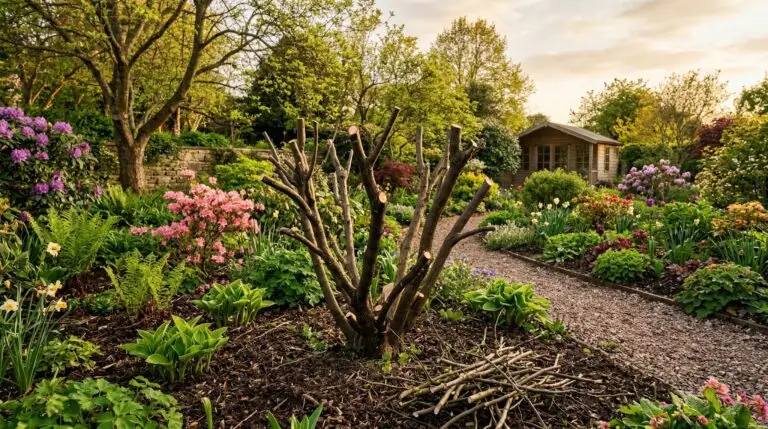
Pruning timing ties directly to your regional growing season and when your plant breaks dormancy. Gardeners with long growing seasons can prune heavily in late winter to encourage bushy growth, knowing the plant has plenty of time to set buds. In areas with short, cool summers, heavy spring pruning delays flowering so much that you might not see blooms until August. If you live in a northern zone, limit your pruning to removing dead or crossing branches just before the plant moves back outdoors. Southern gardeners can safely cut back one-third of the total growth to shape the plant for the upcoming summer. The underlying principle of regional adaptation is that every gardening rule must be filtered through the reality of your local climate. Observing how your specific environment affects temperature, light, and humidity allows you to translate general plant care into a successful strategy for your own backyard.