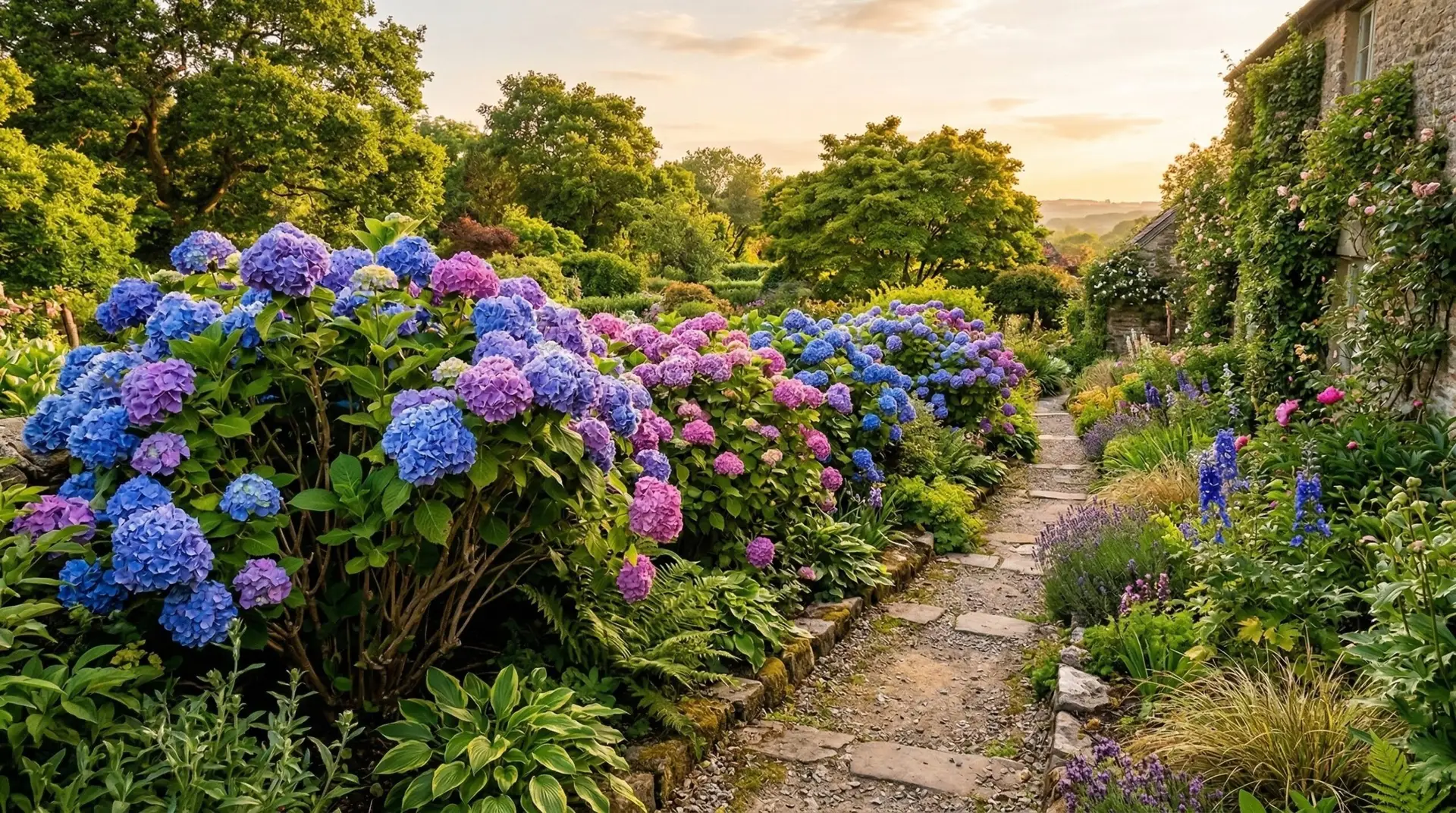
Many gardeners approach a sprawling hydrangea with a pair of bypass pruners and a sense of dread. Cutting away dead stems and shaping a shrub feels satisfying, but making the wrong cut at the wrong time can eliminate an entire season of flowers. The confusion stems from the fact that different types of hydrangeas set their flower buds at entirely different times of the year. Before you begin snipping branches, you need to understand exactly how your specific plant behaves. A freshly sharpened pair of bypass pruners and a rag soaked in rubbing alcohol for cleaning the blades between plants are the only physical tools you need. The real work happens in your mind as you observe the stems and buds. By taking a moment to look closely at the plant structure, you can confidently make cuts that encourage vigorous growth and heavy blooming.
Contents 4 sections
Figuring out which type of hydrangea grows in your garden
Knowing exactly which plant sits in your garden bed determines your entire pruning schedule. Bigleaf hydrangeas, scientifically known as Hydrangea macrophylla, produce the classic pink or blue mophead and lacecap flowers that most people associate with the name. These plants have thick, somewhat fleshy stems that stay green for a long time before developing a thin, flaky bark. If your plant produces huge, cone-shaped white blooms that slowly fade to pink in the late summer, you are looking at a panicle hydrangea. Smooth hydrangeas are native to North America and produce large, perfectly round white flower heads on relatively thin, floppy stems. You can often identify smooth hydrangeas by their tendency to flop over after a heavy rain. Taking a cutting to a local nursery or simply observing the bloom shape and stem texture will give you the answer you need before you start cutting.
The gardening terms old wood and new wood describe when the plant creates the buds that will eventually become flowers. Shrubs that bloom on old wood develop their flower buds during the late summer and early fall of the previous year. These buds sit on the stems all winter long, waiting for warm weather to open and grow into flowers. Early spring bloomers like forsythia operate on this exact same schedule, holding their buds through the cold months. Plants that bloom on new wood wait until spring to push out fresh green stems, and they produce their flower buds at the tips of this brand new growth. If you cut down an old wood bloomer in the spring, you are throwing all of the year’s flowers straight into the compost pile. Cutting a new wood bloomer in the spring simply encourages the plant to push out more fresh stems for a heavier summer display.
Pruning bigleaf hydrangeas to protect summer flowers
Bigleaf hydrangeas bloom almost exclusively on old wood, which means you have a very narrow window for pruning if you want to control their size. The safest time to shape a mophead or lacecap hydrangea is immediately after the flowers begin to fade in the middle of the summer. By acting quickly as the blooms lose their color, you give the plant plenty of time to push out a little more growth and set the buds for the following year before winter arrives. When you look at the stems in late summer, you will see plump green buds forming in the joints where the leaves meet the stems. You should follow the stem down from the faded flower to the first set of large, healthy buds and make your cut just above that point. This method removes the spent flowers while preserving the buds that will become next year’s display. If you wait until the leaves drop in autumn to do this shaping, you will inevitably cut off the newly formed flower buds.
Even though you do your primary shaping in the summer, bigleaf hydrangeas still require a bit of maintenance when the garden wakes up. As daytime temperatures consistently stay above 60F in the spring, the healthy green buds on the stems will begin to swell and open. At this point you might notice that the very tips of some branches remain bare and brittle, snapping easily when you bend them. That is normal winter dieback and means the cold weather killed the exposed tips of the stems. You can safely prune away this dead wood by cutting down to the highest pair of green, swelling buds on each stem. You should also look deep into the center of the shrub and completely remove any dead, gray, or hollow stems right at the soil line. Clearing out this dead material improves air circulation through the center of the plant and helps prevent fungal diseases from taking hold in the damp spring weather.
Shaping panicle and smooth hydrangeas for maximum growth
Panicle and smooth hydrangeas are much more forgiving because they produce all of their flowers on brand new stems that grow in the current season. You should prune these robust shrubs in late winter or early spring before any green leaves begin to emerge from the branches. Because you do not have to worry about preserving old flower buds, you have complete freedom to control the ultimate size and shape of the plant. For panicle hydrangeas, you want to remove any thin, crossing, or damaged branches to create a strong framework of thick stems. You can cut the remaining healthy stems back by about one third of their total height to encourage vigorous new shoots. If you are accustomed to pruning a rose bush to create an open center and strong outward-facing branches, you can apply those exact same principles to a panicle hydrangea. The thicker the stem you leave behind, the stronger the new growth will be to support those large cone-shaped flower heads.
Smooth hydrangeas require a slightly different approach to keep them looking tidy and prevent their heavy flower heads from dragging on the ground. These plants grow rapidly from the base and can become unruly tangles of thin stems if left to their own devices. Many gardeners choose to cut smooth hydrangeas down completely, leaving just a few inches of stem above the soil line. This hard pruning forces the plant to push up entirely new, thick stems straight from the root crown. While cutting a shrub down to the ground feels drastic, smooth hydrangeas respond to this treatment by producing the largest possible flower heads on stems sturdy enough to hold them upright. If you prefer a taller plant with slightly smaller flowers, you can compromise by cutting all the stems back to about two feet tall instead of taking them all the way to the ground. Either method works perfectly well as long as you make the cuts before the plant wastes energy pushing out spring leaves.
Recognizing the signs of successful pruning
After you finish your pruning tasks, the plants will need a few weeks to respond to the changing seasons and your careful cuts. On your bigleaf hydrangeas, the preserved buds will rapidly expand into large, textured leaves that eventually hide the old woody stems from view. You will see tight clusters of tiny flower buds forming at the tips of these stems as early summer approaches. The heavily pruned smooth and panicle hydrangeas will look completely bare for a while, but they will soon push aggressive red and green shoots from the remaining wood and the root base. These new shoots will grow several feet in a matter of months, culminating in the formation of large green flower heads that slowly turn white as the summer heat sets in. Watching a properly pruned hydrangea transform from a collection of bare sticks into a dense, heavily blooming shrub proves that taking the time to understand the plant’s growth habits pays off.
More About Hydrangea macrophylla
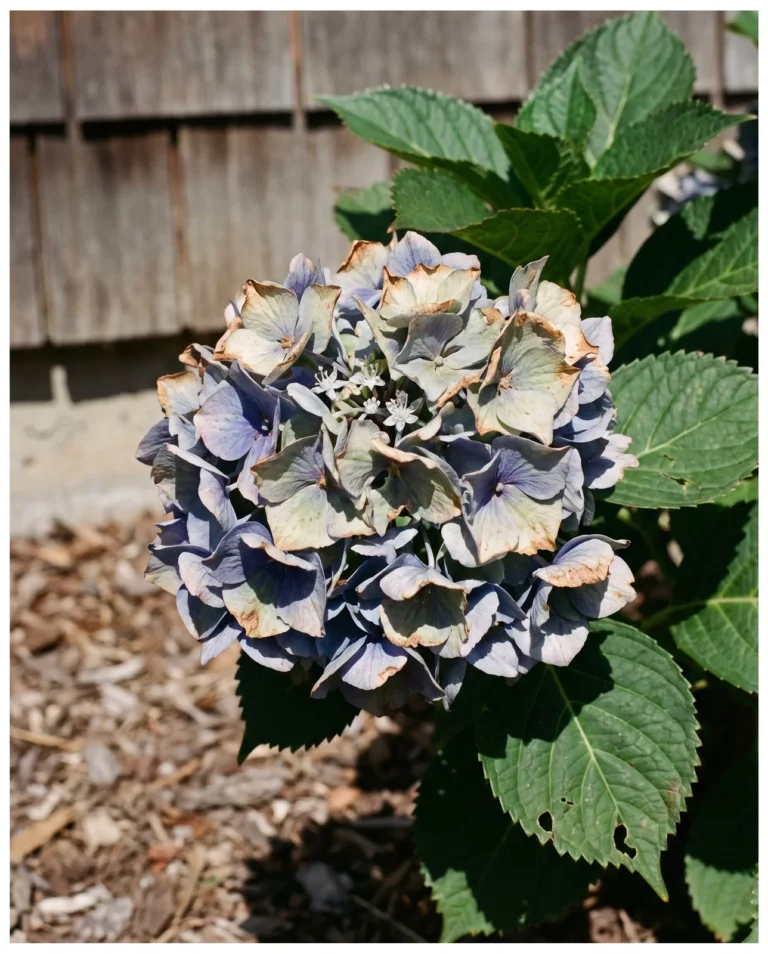
How to dry hydrangeas without losing their color
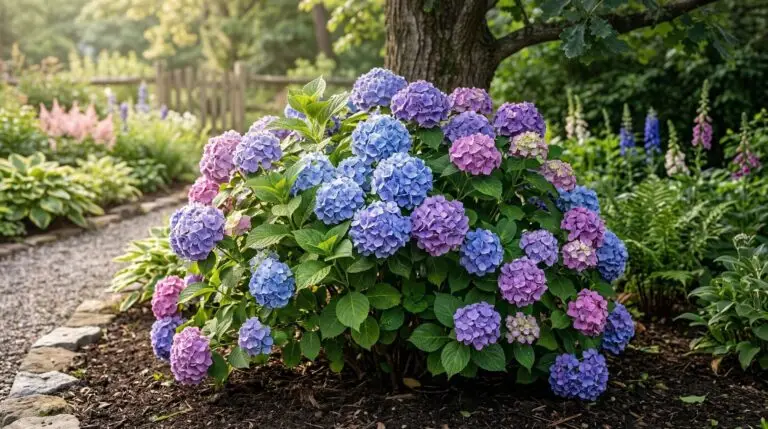
How to grow hydrangeas for massive flower heads that dominate the summer garden
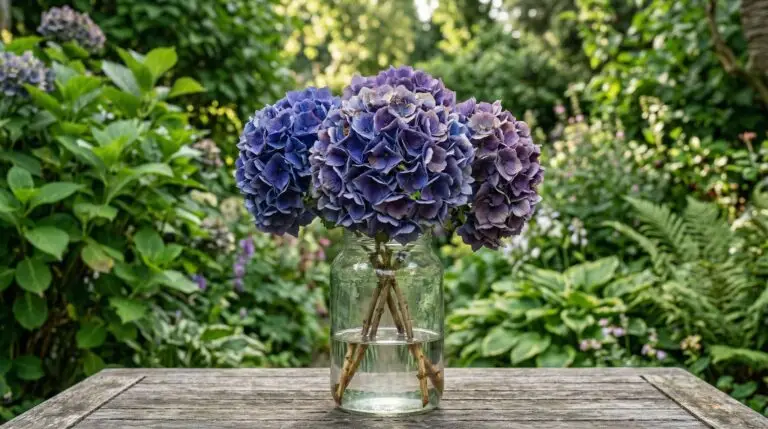
Drying hydrangea flowers for beautiful arrangements that capture summer all year
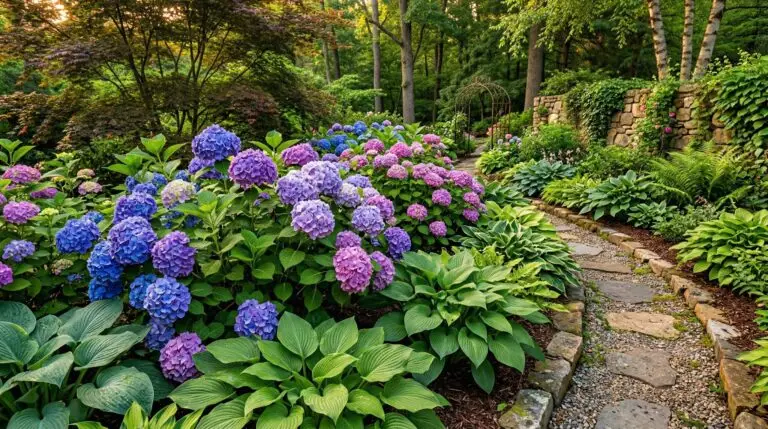
Companion plants for hydrangeas: what to grow and avoid
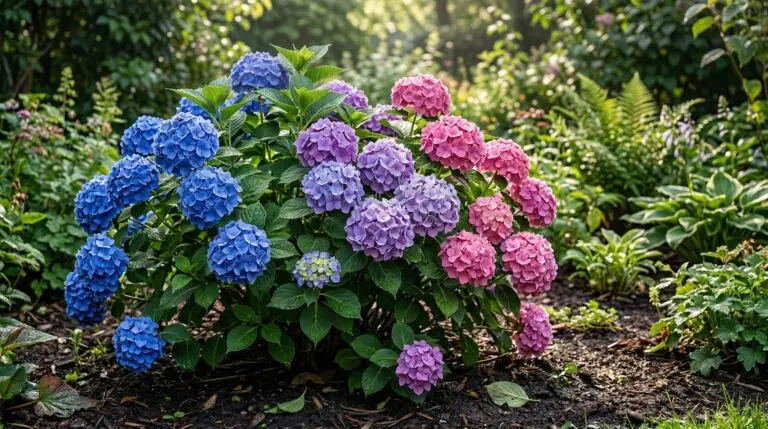
How to change hydrangea color from pink to blue and the soil science behind it
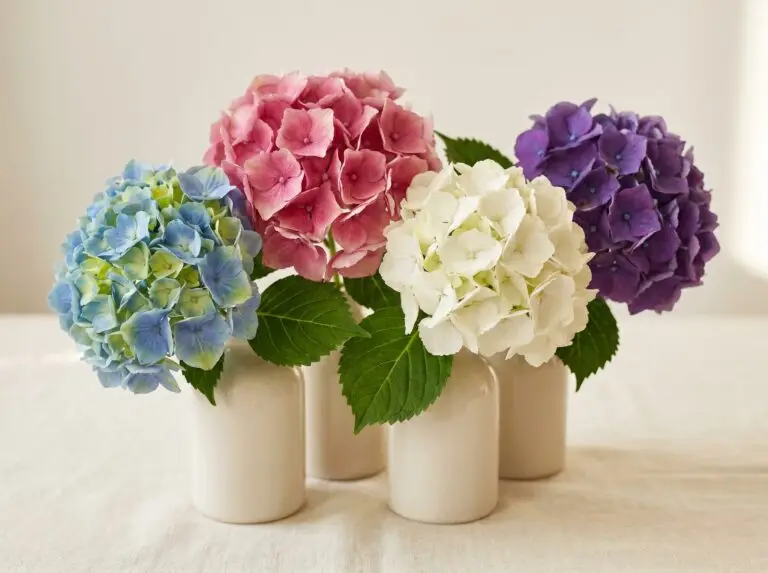
Hydrangea meaning, by colour and across the centuries, honestly explained
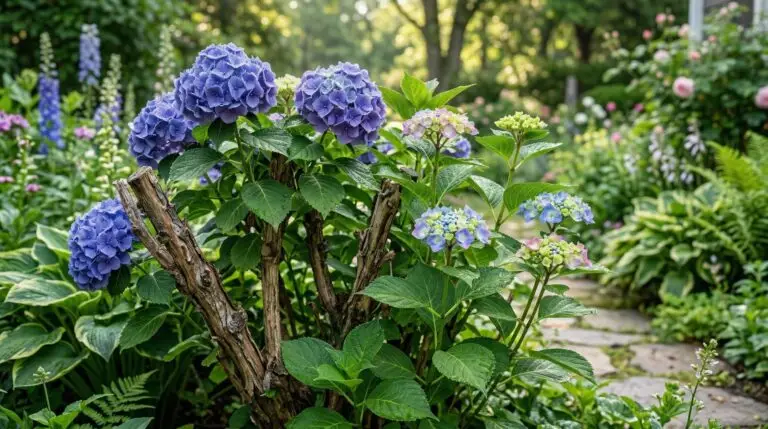
Why hydrangeas do not bloom and the pruning mistakes that remove all the flower buds
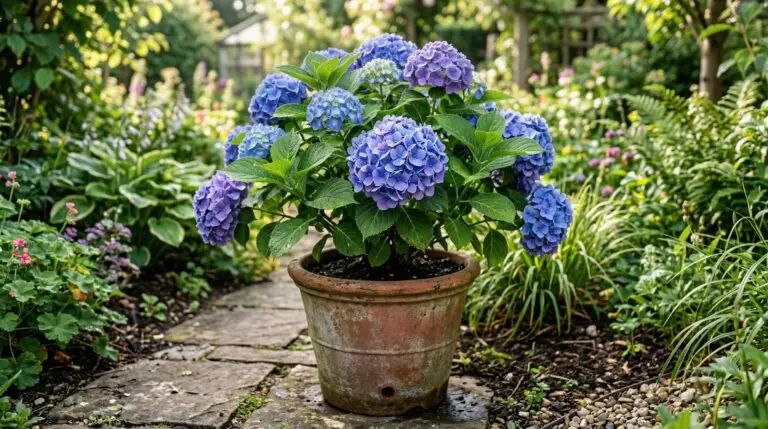
Growing hydrangeas in containers for stunning patio and doorstep displays
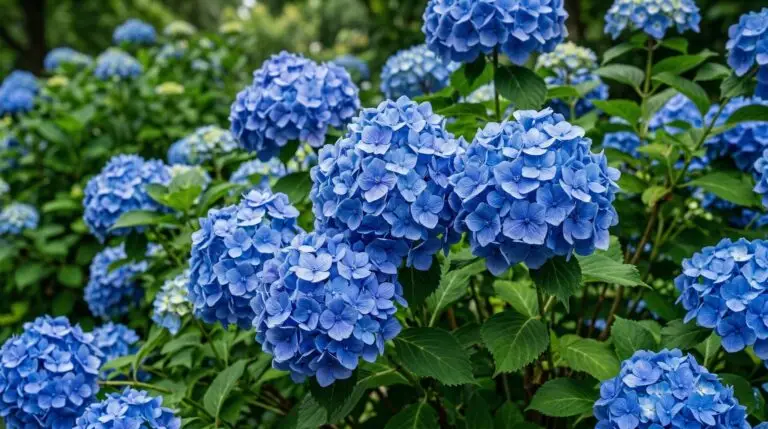
Best hydrangea varieties from classic Nikko Blue to reblooming Endless Summer
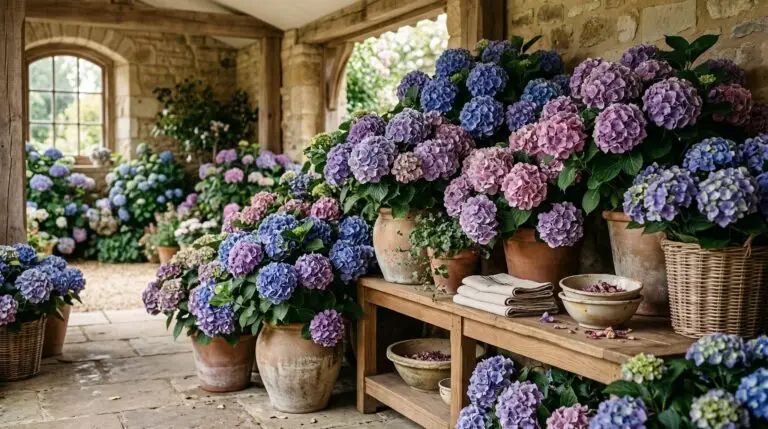
Hydrangeas in wedding flowers and why brides love these lush romantic blooms
Enjoying our flower guides? Add YourFlowersGuide as a preferred source on Google. It helps more readers find us.
Add to Preferred Sources