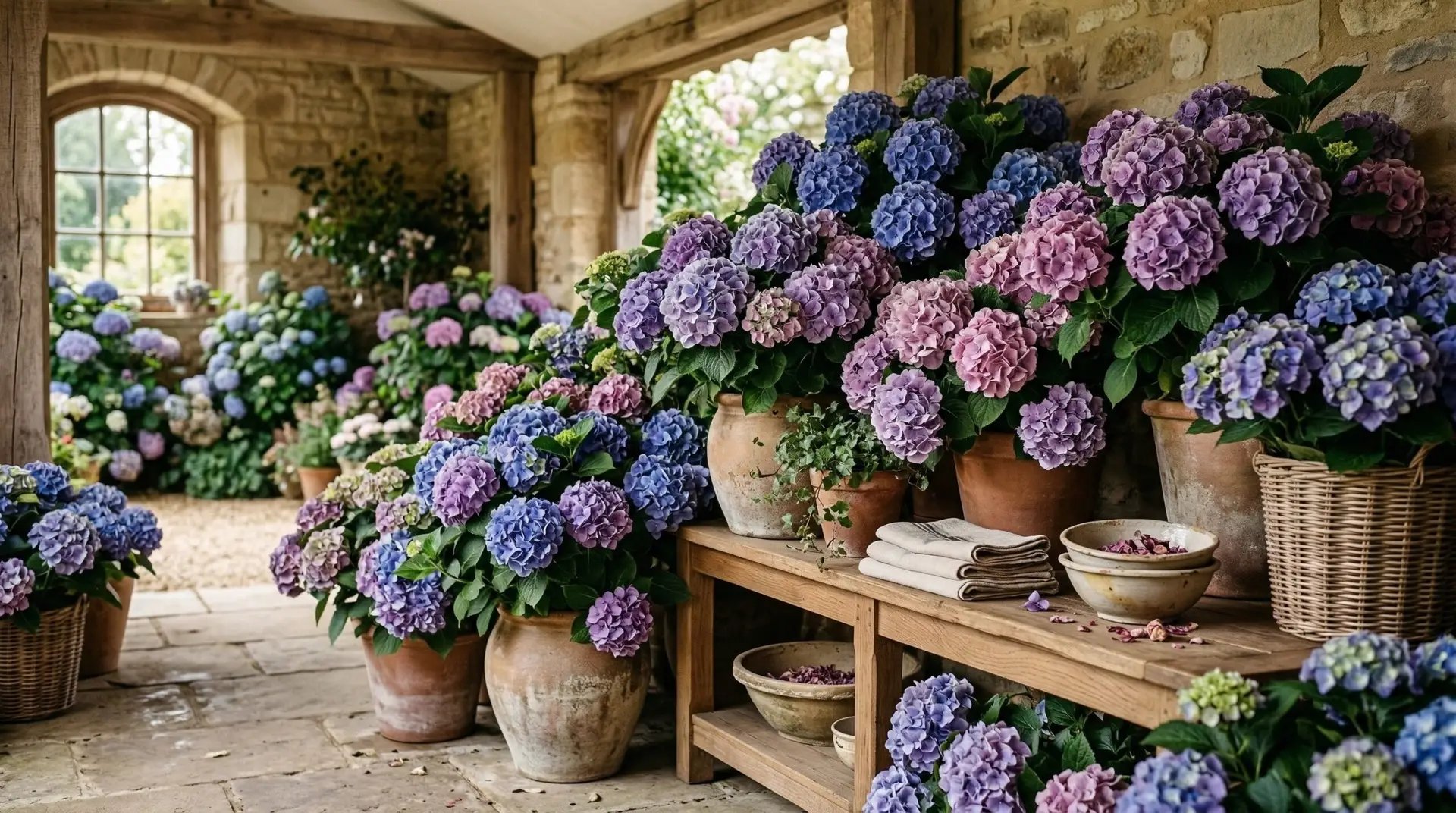
Imagine standing in the cutting garden just before dawn, when the air still holds the cool dampness of night and the shadows are long and gray. The hydrangea bushes bend under the weight of their own blooms, heavy with dew that gathers in the shallow cups of hundreds of tiny petals. When you cup a single flower head in your hands, it feels like holding a cold, damp sponge, dense and substantial against your palms. The scent rising off the broad, waxy leaves is sharp and green, mixing naturally with the earthy aroma of wet soil and the faint aquatic smell of the petals. I wish you could see the way the first morning light catches the water droplets and turns them into tiny prisms across a sea of soft blue and pale pink. Florists seek this exact moment when harvesting hydrangea wedding flowers, cutting the thick stems while the plant is fully hydrated so the blossoms remain crisp throughout a long day of celebration.
Contents 4 sections
The weight and volume of summer blooms
There is a distinct physical presence to a hydrangea that few other garden flowers possess. If you gather just three stems of Hydrangea macrophylla, your hands are completely full, and the overlapping globes press together to create a solid dome of color. This sheer volume makes them entirely practical for large arrangements, as a single stem provides the visual weight and coverage of a dozen smaller flowers. Florists rely on this generous nature to build the foundation of tall centerpieces, creating a billowing shape that would require dozens of peonies to achieve the same effect. When placed next to the tightly furled petals of a rose, the broad, flat faces of the hydrangea blossoms offer a soft, resting place for the eye. The texture of the flower head is deceptive, looking like a solid mass from a distance but revealing itself up close as a collection of delicate, four-petaled florets clustered on fragile green stems. You can feel the slight resistance of these florets brushing against each other when you gently shake the stem, and you can hear a soft rustling sound that whispers of long summer afternoons.
Finding the exact shade for the day
The colors of these blossoms are never entirely flat, always carrying a subtle wash of secondary tones that make them feel alive in the changing light of a wedding venue. You might ask for a pink hydrangea bouquet, but what you receive is the soft blush of early morning clouds, a color that deepens into a rich magenta at the center of each tiny floret. The blue varieties shift depending on the soil they grew in, offering shades that range from the pale, icy blue of a winter twilight to a deep, saturated indigo that looks almost black in the shadows. As the sun moves across a reception tent, the translucent edges of the petals catch the light, and the entire flower head appears to glow from within. Brides often choose them precisely because they bridge the gap between different hues in a wedding palette, carrying flecks of green, cream, and lavender all on the same stem. Even the pure white varieties are complex, opening with a faint tint of lime green that slowly fades to the color of fresh cream as the blossom matures in the sun.
Keeping the petals crisp and hydrated
The name hydrangea translates roughly to water vessel, and you will understand this completely the moment you try to arrange them for an event. The stems are thick and woody, covered in a rough, peeling bark that smells sharply of green sap when you slice through it with a knife. To keep the petals from feeling soft and limp, the stems must drink constantly, pulling cold water up into the heavy flower heads. You will know the blossoms are perfectly conditioned when the petals feel cool to the touch and snap back instantly if you brush your thumb across them. If a stem does begin to wilt in the afternoon heat, the petals take on a sad, tissue-paper thinness, losing their crisp edges and folding inward. Florists often submerge the entire flower head in a basin of cool water, letting the petals drink directly through their surfaces until they regain their firm, fleshy texture. The soil in the garden tells the exact same story, as hydrangeas demand earth that feels like a wrung-out sponge in your hand, rich with organic matter that holds moisture near the shallow roots.
A season of changing textures
As the wedding season moves from the humid days of June into the sharper air of September, the physical character of the hydrangea completely transforms. The fresh, water-filled petals of early summer begin to dry on the stem, taking on a leathery, papery texture that rustles dryly when the autumn wind blows through the garden. These late-season blooms, often called antique hydrangeas, trade their bright pastel colors for muted shades of dusty rose, moss green, and pale bronze. They look entirely at home arranged alongside the complex, geometric heads of a dahlia, holding the fading warmth of the late summer garden. The stems grow even woodier, and the leaves become thick and brittle, snapping cleanly if you bend them. Many brides seek out these autumn variations specifically for their muted, watercolor appearance, pairing them with dried grasses and heavy velvet ribbons. Even after the wedding day passes, these antique varieties will dry perfectly in an empty vase, and their petals freeze into permanent, fragile sculptures that hold their shape long into the winter months.
When the reception ends and the lights are finally turned down, the hydrangeas left on the tables tell the story of the evening. You can see where the petals have been gently bruised by brushing against a silk dress, leaving tiny translucent marks on the outermost edges of the blooms. The water in the glass vases has grown cloudy, and the heavy flower heads lean softly over the rims, their rough stems resting against the cool glass. The faint, earthy scent of the garden still lingers in the air, mixing with the smell of melted candle wax and spilled wine. Even in their slightly tired state, the massive globes of color retain their soft, romantic shape, waiting to be gathered up in the dark. They are the quiet, reliable foundation of the day, holding the memory of the celebration in every overlapping petal.
More About Hydrangea macrophylla
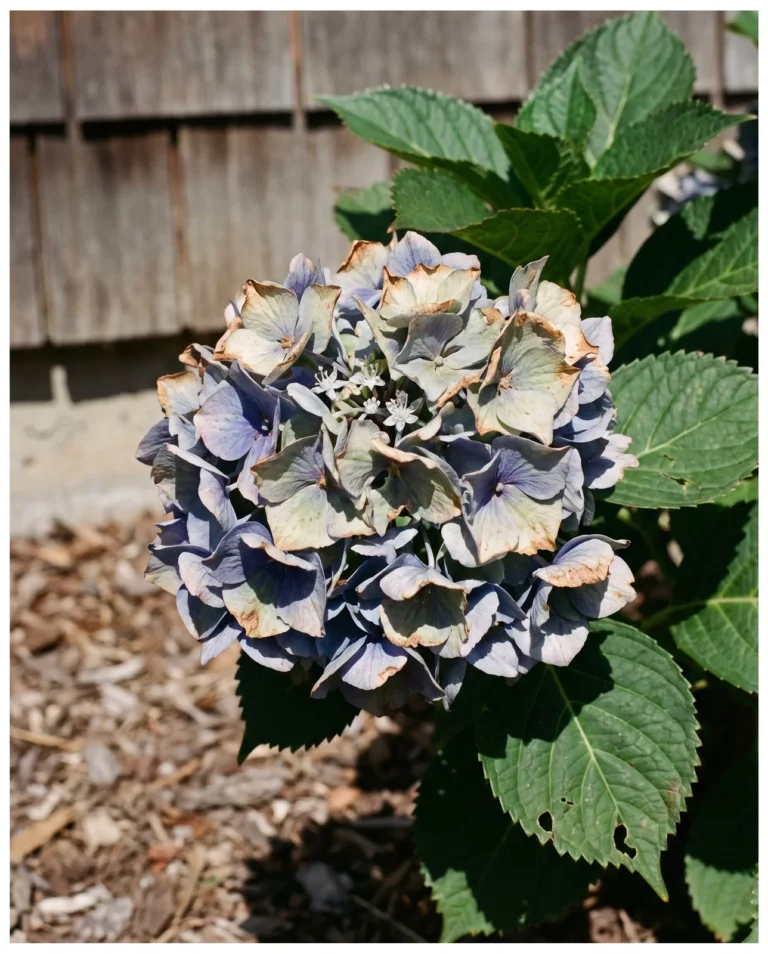
How to dry hydrangeas without losing their color
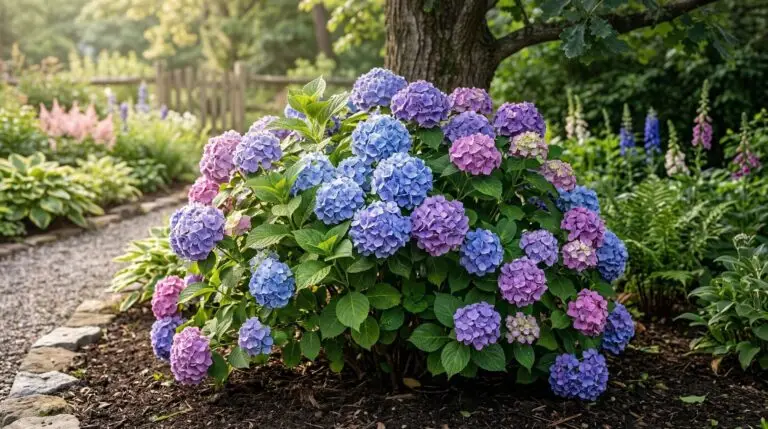
How to grow hydrangeas for massive flower heads that dominate the summer garden
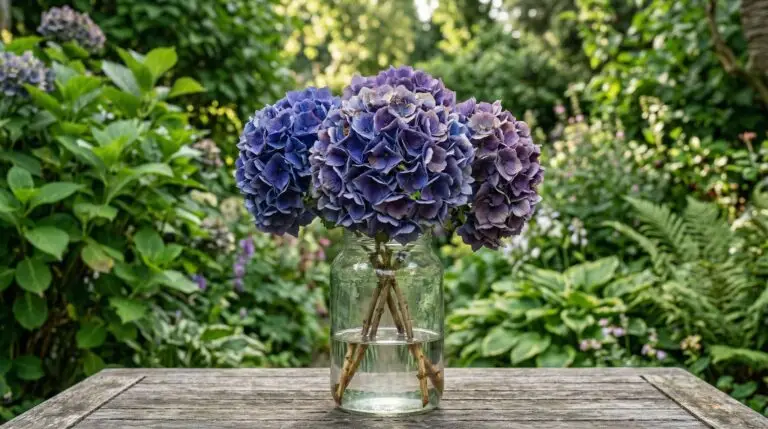
Drying hydrangea flowers for beautiful arrangements that capture summer all year
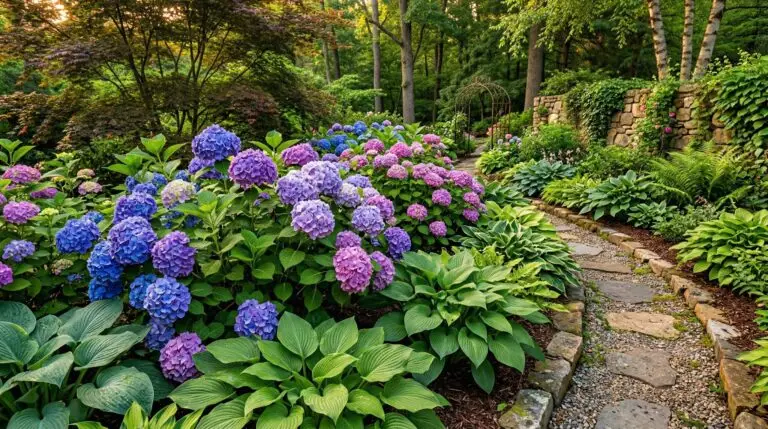
Companion plants for hydrangeas: what to grow and avoid
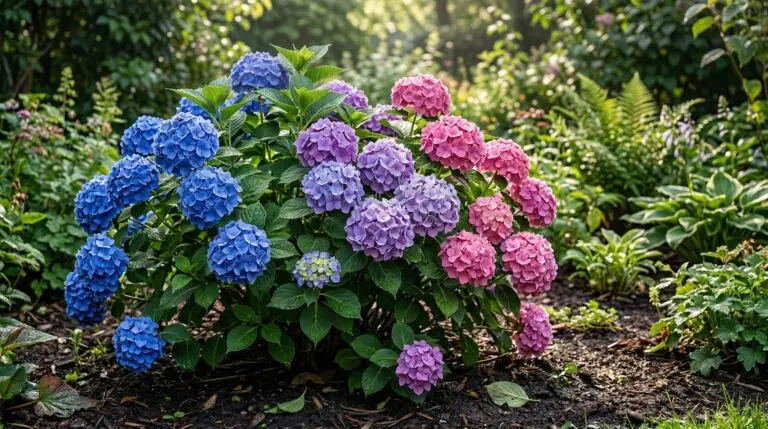
How to change hydrangea color from pink to blue and the soil science behind it
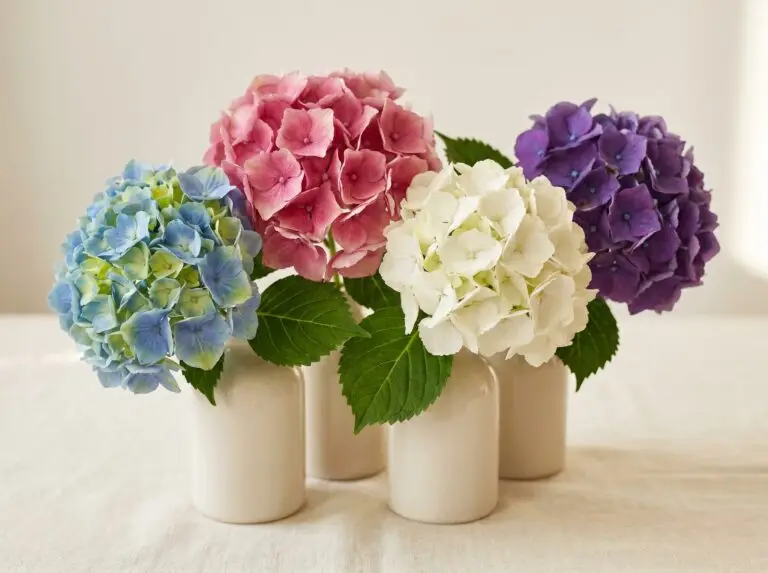
Hydrangea meaning, by colour and across the centuries, honestly explained
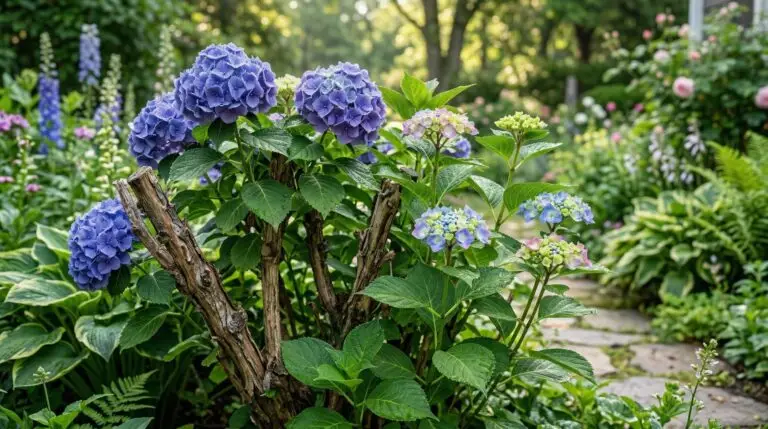
Why hydrangeas do not bloom and the pruning mistakes that remove all the flower buds
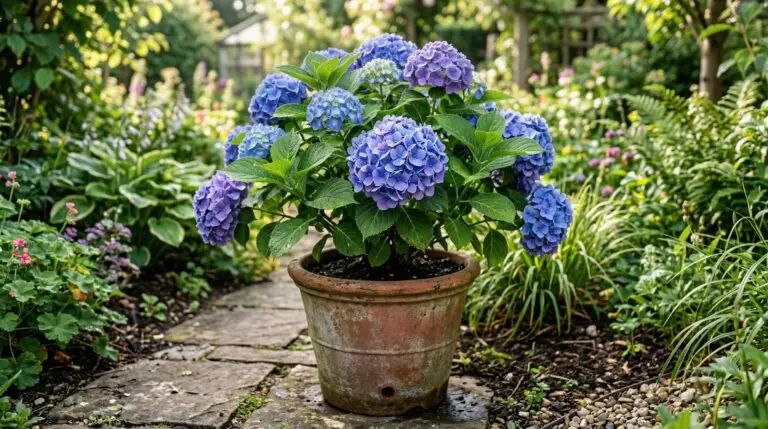
Growing hydrangeas in containers for stunning patio and doorstep displays
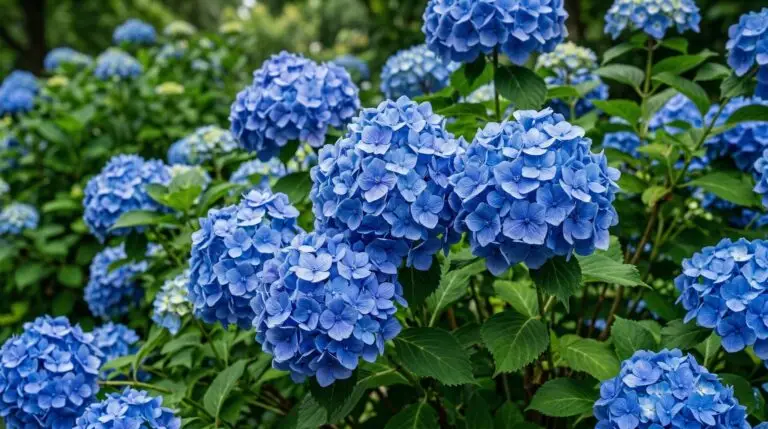
Best hydrangea varieties from classic Nikko Blue to reblooming Endless Summer
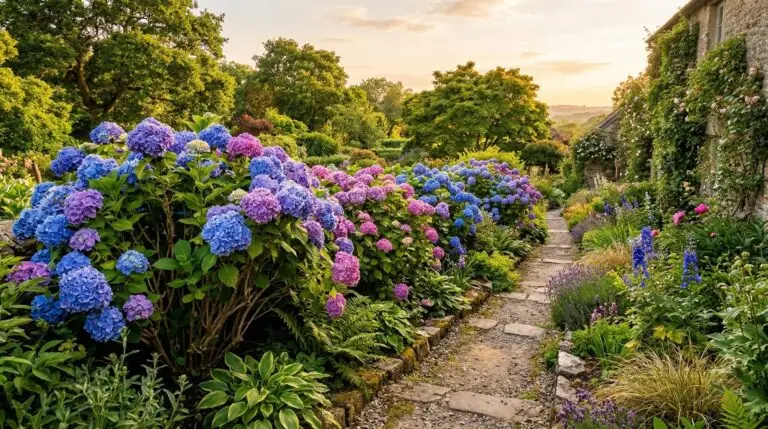
Pruning hydrangeas correctly and which type you have determines when you cut
Enjoying our flower guides? Add YourFlowersGuide as a preferred source on Google. It helps more readers find us.
Add to Preferred Sources