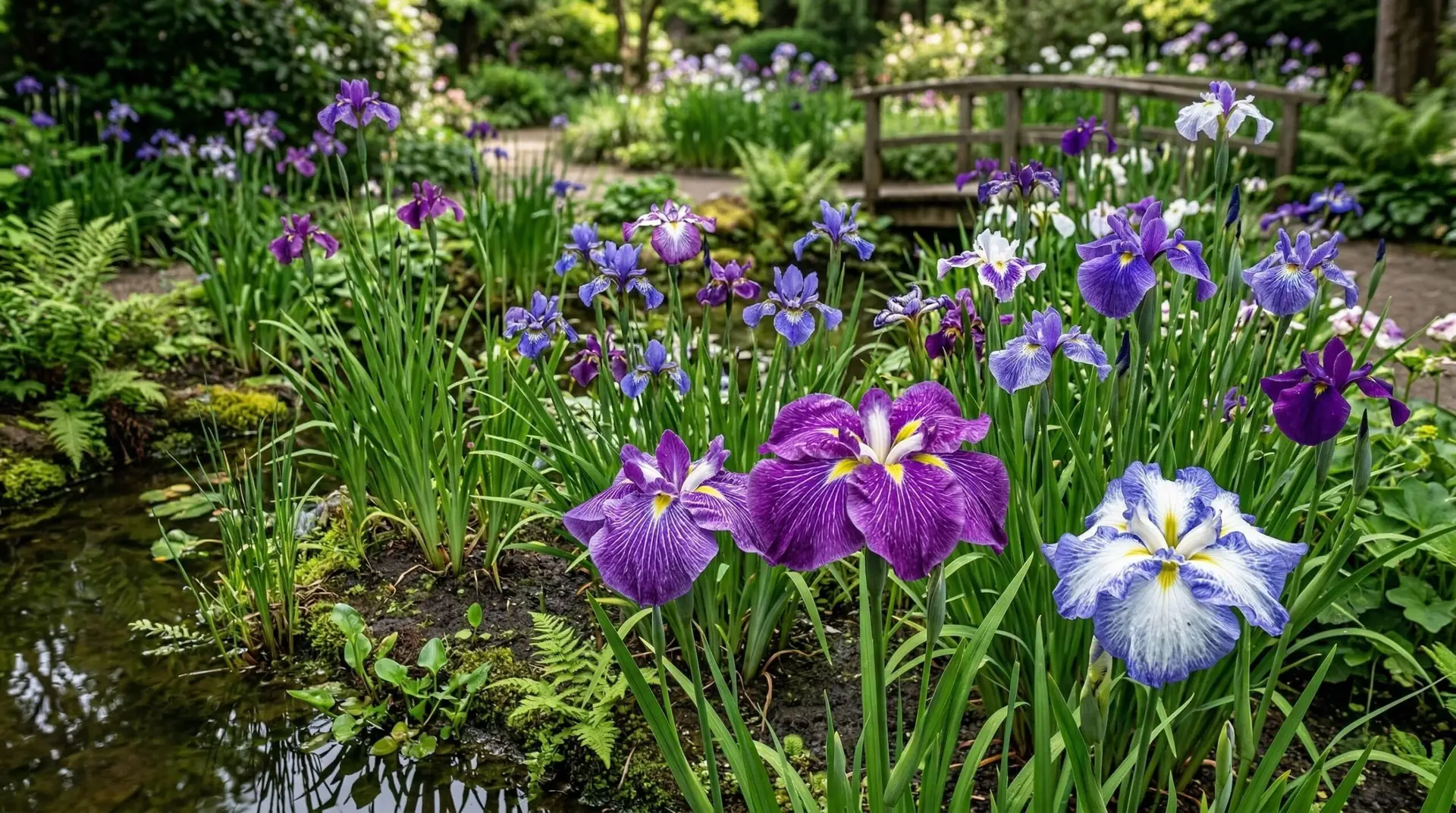
The first time you see a mature Japanese iris in bloom, the flat saucer-like shape is entirely unexpected. They do not look like the classic ruffled irises most people know. The petals open wide, sometimes reaching eight inches across, displaying detailed veining and saturated color patterns. I started growing Iris ensata because I had a low, wet spot in my yard where nothing else survived the spring rains. What began as a practical solution turned into a minor obsession when the first massive purple flower opened flat against the green foliage. The sheer architecture of these blooms commands attention in a way few other perennials can manage.
The appeal of the Japanese iris lies in its distinct geometry. While other irises hold their central petals upright, the standards of a Japanese iris often lay nearly flat alongside the falls, creating a wide, open face that looks straight up at the sky. This structure turns the entire flower into a canvas for deep violet veins, watercolor washes of blue, and crisp white edges. The yellow signals at the base of the falls draw the eye inward, offering a sharp contrast to the cool tones that dominate the Iris ensata color palette. Watching these tight, spear-like buds swell and suddenly unfurl into enormous discs is one of the most satisfying moments of the early summer garden.
Contents 5 sections
Growing the largest blooms in the iris family
Size is the defining characteristic of a happy Japanese iris. When grown in the right conditions, these are easily the largest flowers in the entire iris genus. You can find single, double, and even peony-style multi-petal forms, each offering a completely different texture. The single forms have three large falls and three smaller upright standards, maintaining a classic, elegant simplicity. The double forms, which have six large petals lying flat, are the ones that truly look like floating dinner plates. I find myself checking the garden three times a day when the buds start to show color, waiting for that specific morning when the petals finally drop and the massive flower reveals itself.
Getting these massive blooms requires understanding exactly what Japanese irises want. They are heavy feeders and heavy drinkers during their active growth phase in spring and early summer. If you skimp on water or nutrients while the buds are forming, the flowers will be significantly smaller and less impressive overall. I learned this the hard way during a dry spring when I neglected to run the hose out to my bog bed. The plants survived just fine, but the blooms were half their normal size and lacked the crisp, saturated colors I expected. Providing consistent moisture from the moment the green shoots emerge until the last flower fades is the secret to getting those massive, oversized blooms.
Mastering the wet and acidic soil requirement
The culture of Iris ensata is specific and entirely unforgiving if you get the soil pH wrong. These plants absolutely require acidic soil to thrive. If you plant them in neutral or alkaline soil, the leaves will quickly turn a sickly yellow-green, a condition known as chlorosis, and the plant will slowly decline over a few seasons. I always test the soil before planting a new bed of Japanese irises, aiming for a pH between 5.0 and 6.5. If your soil is naturally alkaline, you are much better off growing these in large sunken containers filled with an acidic potting mix rather than fighting your native soil chemistry. It is deeply disappointing to watch an expensive, sought-after variety dwindle away simply because the soil was too sweet.
Their relationship with water is equally specific and sometimes misunderstood. While they are often sold as waterside or bog plants, they do not want to sit in stagnant water year-round. They demand heavy moisture during the spring and early summer, but they prefer much drier conditions during their winter dormancy. If the crowns sit in freezing water all winter, they will rot out completely. The ideal placement is along the sloping edge of a pond, in a low spot that stays damp in spring but drains by autumn, or in a dedicated bog garden with a drainage plug. When you get this seasonal moisture balance right, the clumps expand rapidly, sending up dozens of tall, sturdy flower stalks.
Exceptional varieties for the water garden
Building a collection of Japanese irises means navigating a massive catalog of named varieties, many of which have been bred for centuries. One of my absolute favorites is ‘Lion King’, a striking double variety with white petals heavily bordered and veined in deep purple. The flowers are enormous, and the central tuft of petaloids gives it a ruffled, complex center that demands a close look. Another reliable performer in my garden is ‘Pink Frost’, which offers a softer, warm lavender-pink color that stands out beautifully against the dark greens of a wet garden. The lighter colored varieties tend to show off the fine veining much more clearly than the solid dark purples.
For pure visual impact, the heavily veined single varieties are hard to beat. ‘Dirigo Pink’ is a tall, vigorous grower with large pinkish-lavender falls that have prominent, dark veins radiating from the bright yellow signals. I also have a soft spot for the pure white varieties, which look incredibly crisp and cool on a hot July afternoon. The solid whites, however, do show rain damage and bruising much more easily than the darker colors, so a heavy summer storm can turn a pristine white bloom into a translucent, papery mess overnight. Despite this flaw, the luminous quality of a white Iris ensata opening in the morning light makes it worth planting at least one in your collection.
Creating the perfect bog environment
Designing a space for Japanese irises allows you to play with a whole different palette of moisture-loving plants. The tall, sword-like foliage of the iris provides excellent vertical structure even when the plant is not in bloom. I like to pair them with broad-leaved companions to create a strong textural contrast along the edge of the water. The smooth, arrow-shaped leaves of a Calla Lily look excellent next to the stiff, ribbed leaves of the iris, and both appreciate the consistent moisture of a boggy edge. You can pack the lower levels of the planting with creeping Jenny or moisture-loving ferns to shade the iris roots and keep the soil cool during the hottest parts of the summer.
It is helpful to remember how these plants differ from the more common garden irises when planning your beds. If you are used to growing a classic Bearded Iris, which demands excellent drainage and baked summer rhizomes, the Japanese iris will require a complete mental shift. You cannot plant them together, as the watering regime that makes the Japanese iris thrive will quickly rot the bearded types. I keep my Iris ensata sequestered in their own dedicated moisture beds or sunk into the margins of the water garden in aquatic baskets. This separation actually works out perfectly for the seasonal display, as the Japanese varieties bloom several weeks after the bearded types have finished, extending the overall iris season well into the summer.
The seasonal rhythm of Japanese irises
The late bloom time is one of the primary reasons I rely so heavily on Japanese irises in my garden planning. Just as the early summer slump hits and the spring perennials are fading, the tall, slender stalks of Iris ensata begin to rise above the foliage. They bridge the gap between the late spring rush and the heavy midsummer bloomers like daylilies and coneflowers. Cutting a few of these massive stalks for a tall floor vase brings that dramatic, architectural beauty indoors, though the individual flowers only last a few days once open. The sheer volume of buds on a mature clump ensures that the outdoor display continues for nearly three weeks, with new flowers opening as the old ones neatly curl up and drop away.
There is a specific, quiet satisfaction in getting a demanding plant to settle in and thrive. Japanese irises ask for quite a bit of upfront work regarding soil preparation and water management, but the payoff is entirely disproportionate to the effort. When you finally find that perfect, acidic, damp spot in the yard, the plants respond with a vigor that is genuinely surprising. The clumps grow wider and denser each year, producing more stalks and larger flowers until they become the undisputed focal point of the July garden. That reliable return of massive, complex, flat-faced blooms is exactly what makes the Japanese iris a permanent fixture in my wet garden beds.
More About Irises
Iris problems from borers to rot and keeping your iris collection healthy
How to grow irises for elegant sword-leaved plants and flowers in every color of the rainbow
Dividing and transplanting irises at the right time for healthy plants and more blooms
Iris flower meaning and why the rainbow goddess gave this flower its name
Iris companion plants: what to grow and what to avoid
Dutch iris bulbs for spring cutting gardens and the easiest iris to grow in bouquets
Miniature and dwarf iris for rock gardens and early spring color at ground level
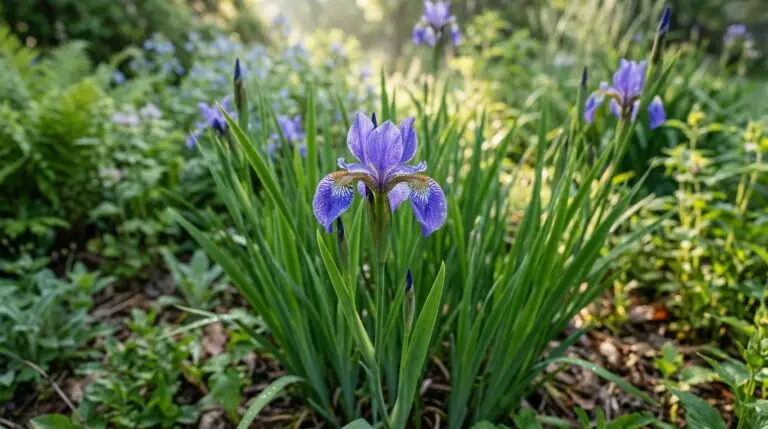
Louisiana iris for southern gardens and warm humid climates where bearded iris fails
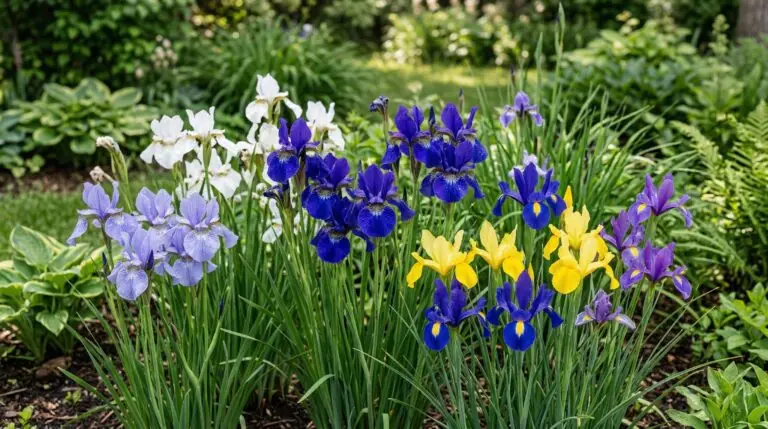
Siberian iris as the easiest and most elegant iris for modern garden borders
Enjoying our flower guides? Add YourFlowersGuide as a preferred source on Google. It helps more readers find us.
Add to Preferred Sources