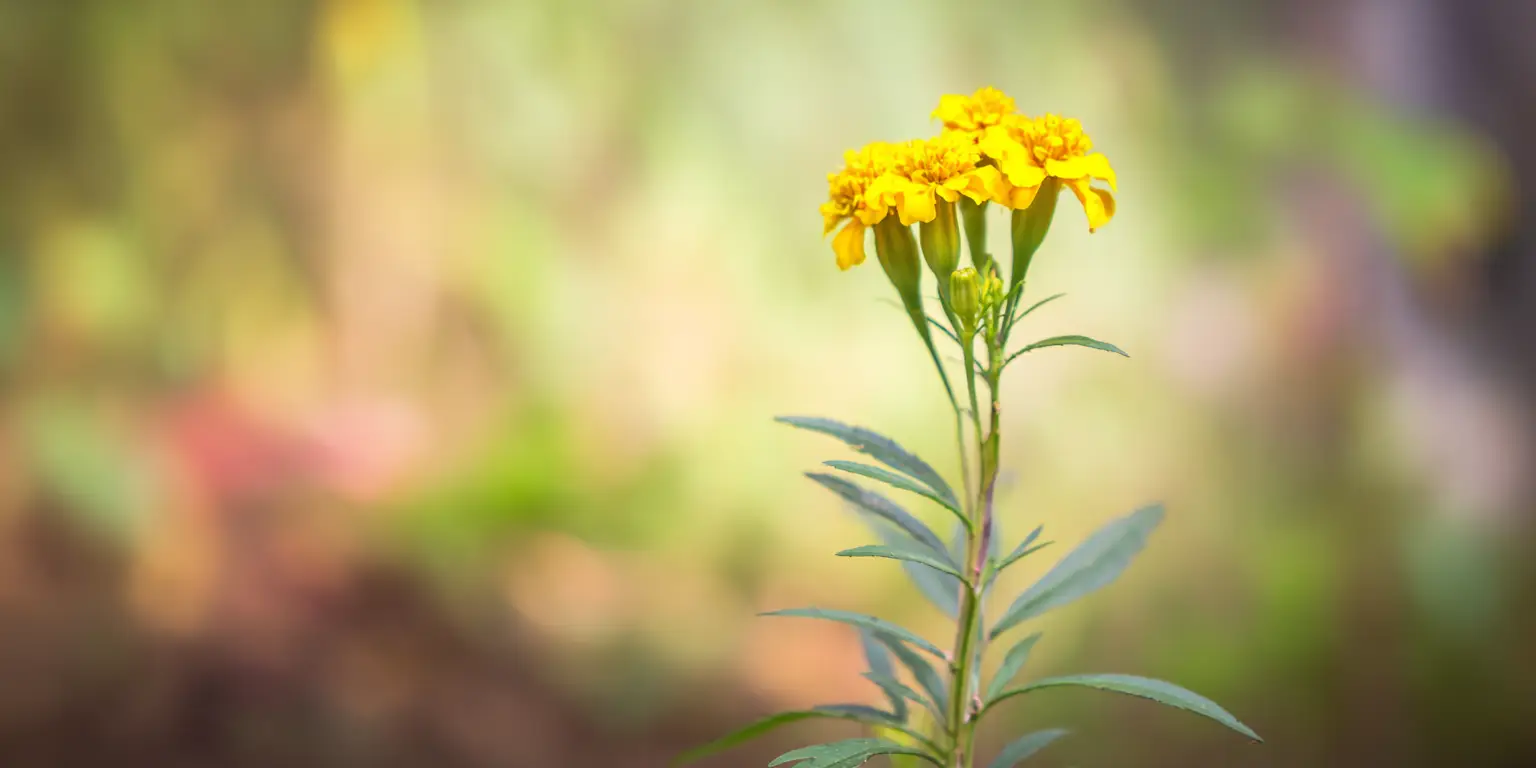
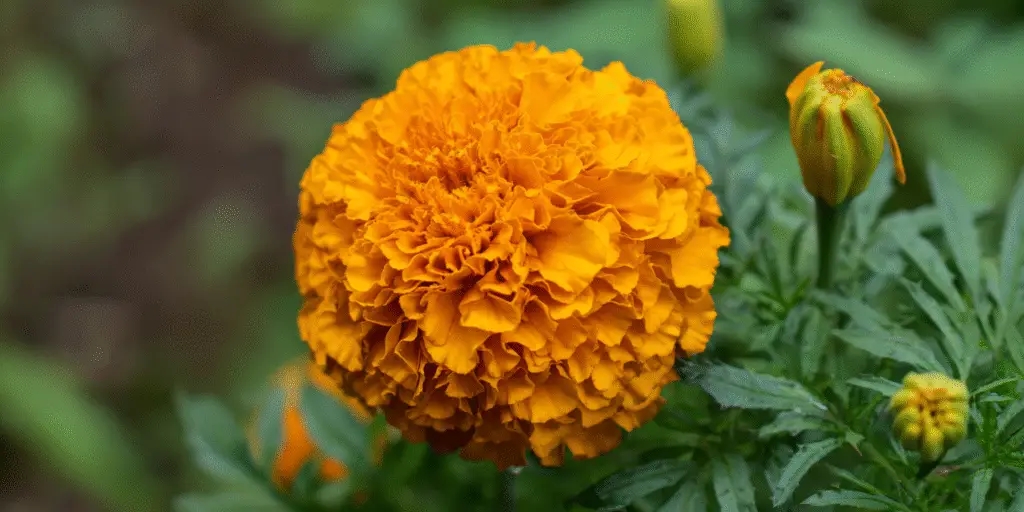
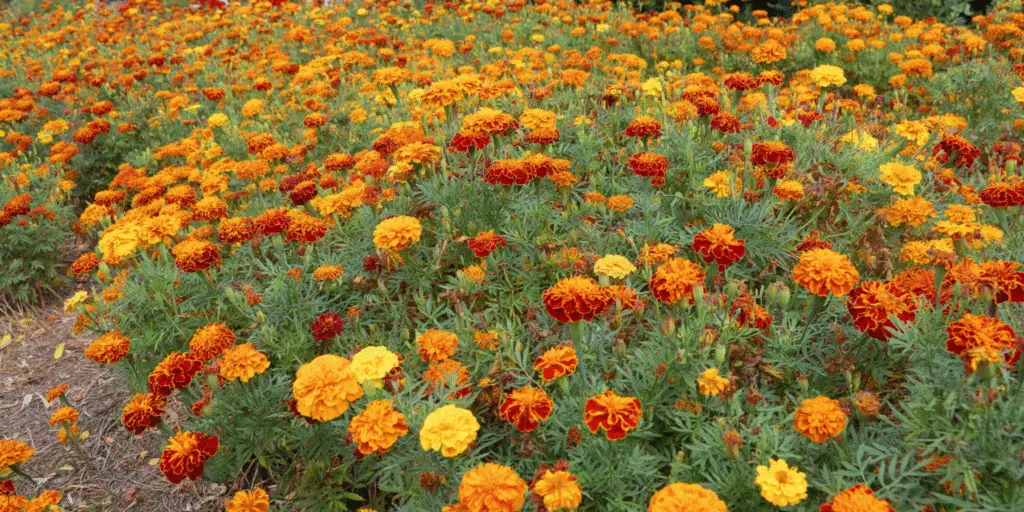
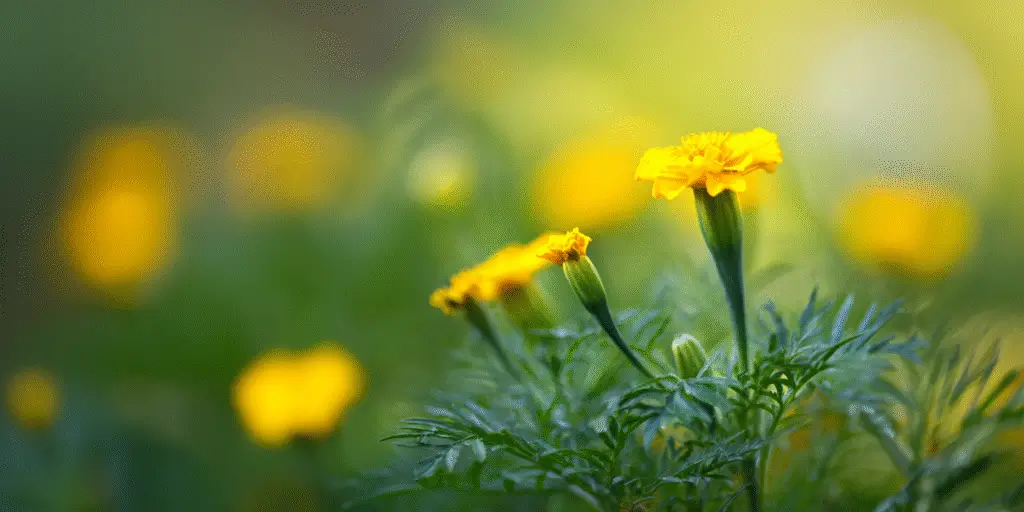
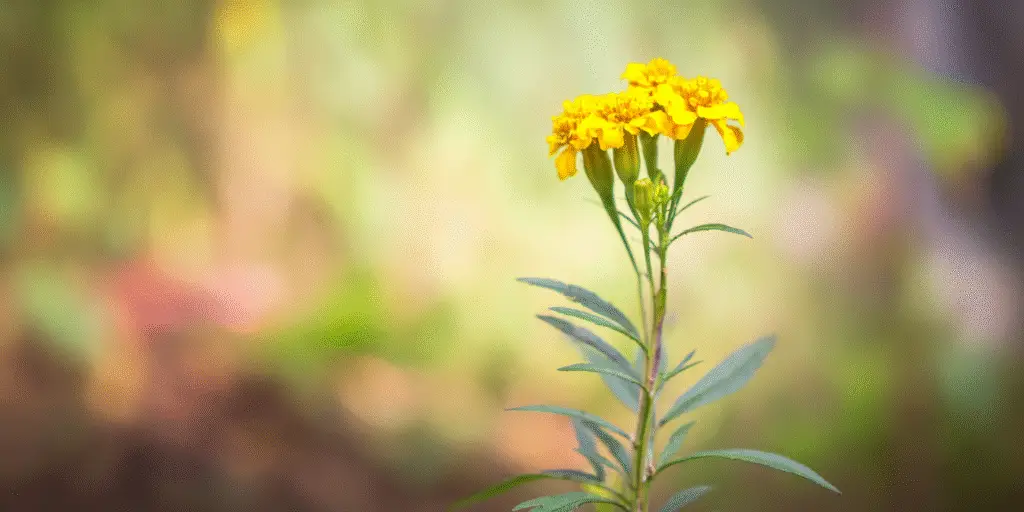
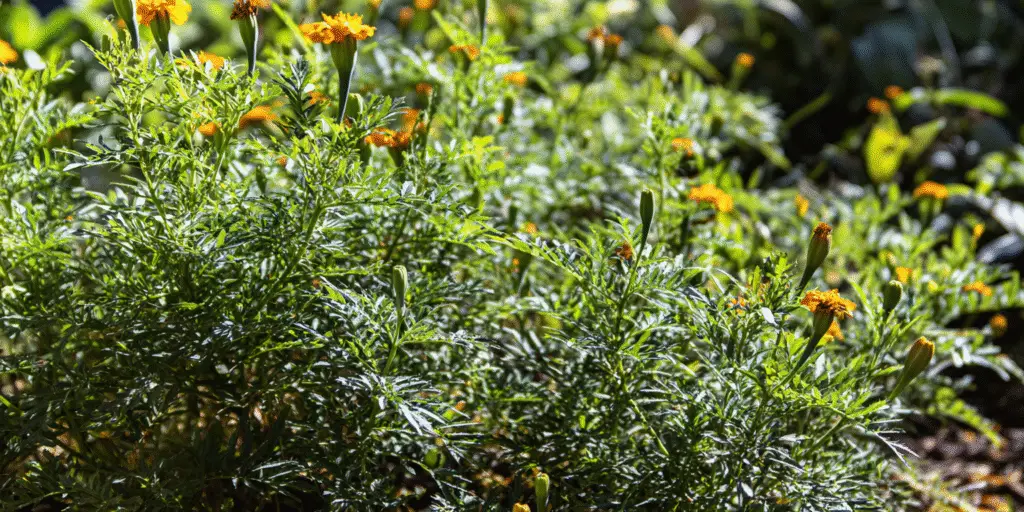
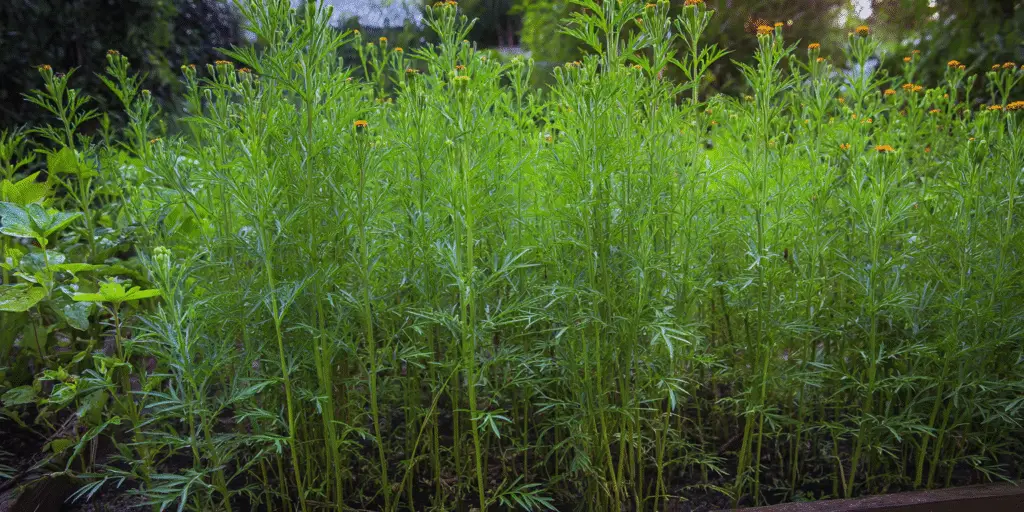
Tagetes lucida is Mexican mint marigold, a perennial herb in warm zones with late‑season yellow daisies. It is distinct for licorice‑scented leaves and a bloom window that runs from late summer into fall. Plants prefer full sun and light, well‑drained soils and tolerate a wide soil pH range. In USDA zones 8 to 11 it can be perennial; elsewhere it is grown as an annual. Clumps reach 6 to 30 inches tall and 6 to 18 inches wide. Slugs and snails may damage seedlings; botrytis appears occasionally in wet spells.
At‑a‑glance
Group/Class: Mexican tarragon (species)
Height × spread: 6-30 in × 6-18 in (15-75 cm × 15-45 cm)
Bloom window: late summer to fall
Color & flower form: Yellow; small single daisies under 1 in
Fragrance: 2 noticeable
USDA hardiness: zones 8-11; grown as annual elsewhere
Breeder / Year / Origin: Cavanilles, 1795-1796, Mexico to Honduras
Pet safety: avoid
How it differs
Perennial option in warm zones rather than a strictly annual bedding plant.
Later bloom season compared with many marigolds.
Aromatic foliage with an anise‑like note.
Narrow leaves and airy clusters create a lighter texture.
Strengths
Tolerates heat and periods of drought once established.
Manages a wide soil pH range.
Provides late‑season color for borders and herb beds.
Often deer resistant.
Care in one minute
Full sun; light, well‑drained soil.
Water to establish; then moderate irrigation.
Light spring feeding; avoid heavy nitrogen.
Shear after first flush to keep compact.
In zones 8-11, cut back after frost and mulch crowns lightly.
Watch‑outs
Frost sensitive; dies back or fails outside its hardiness range.
Slugs and snails can chew young growth.
Plant sap may irritate skin in sensitive people.
Best uses (tags)
borders, herb gardens, containers, late season, drought‑tolerant
Provenance note
Published by Cavanilles in the late 1790s; native from Mexico to Honduras and cultivated as an ornamental herb.
Written by: Your Flowers Guide editorial team We are a small independent group of flower lovers who research and review each guide using trusted horticultural and educational sources. Learn more about us