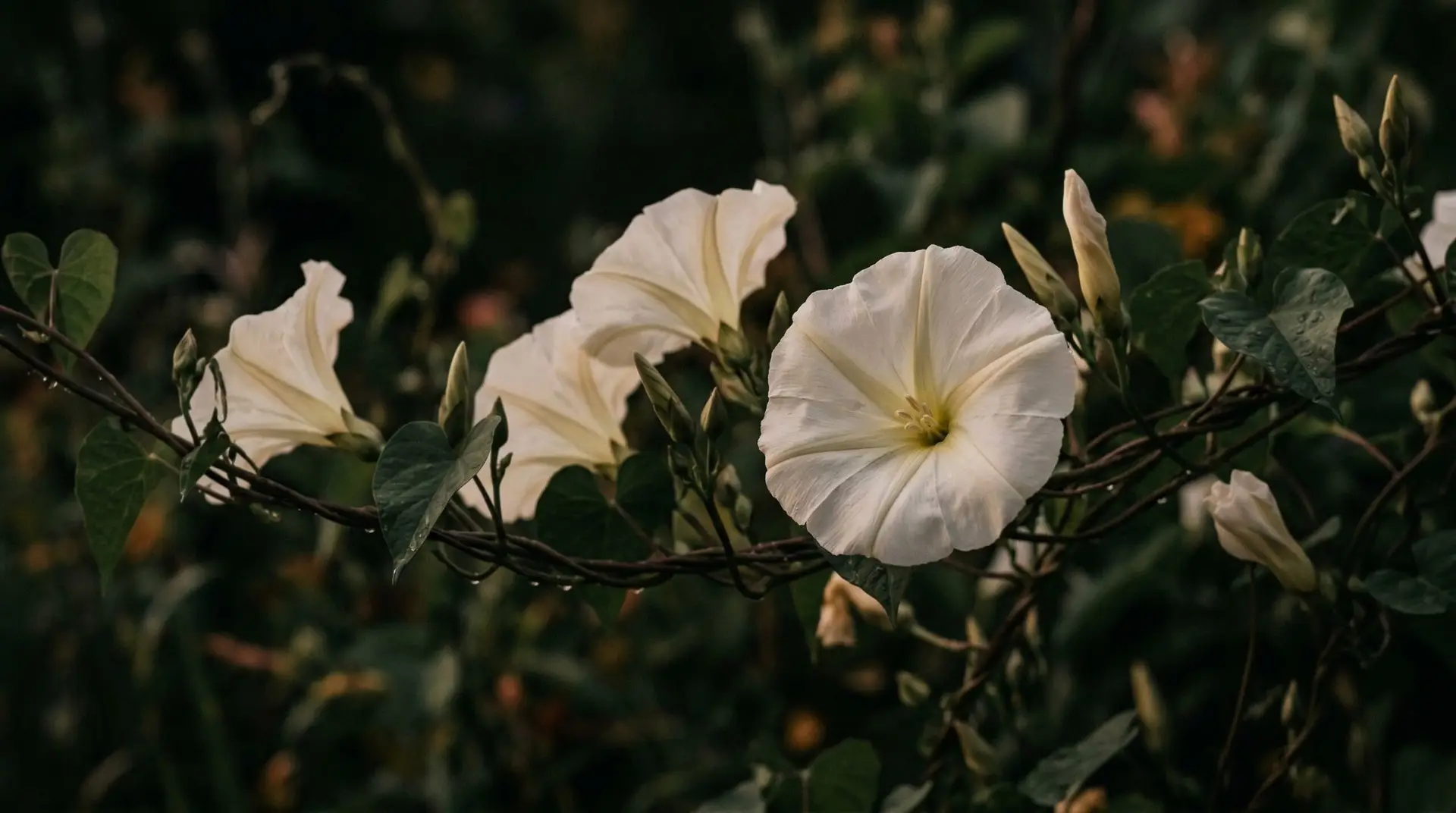
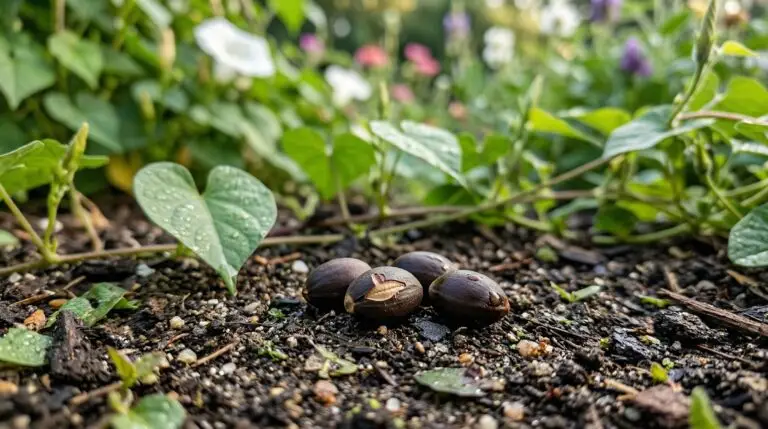
The heat of the day lifts, the shadows lengthen, and the tightly wrapped buds begin to stir. The cycle of this vine starts in spring with large, pale seeds, hard as pebbles, requiring a long soak in warm water before they finally yield to the soil. As summer advances, the green vines climb upward, wrapping aggressively around wooden trellises and porch posts. The true story of this plant begins only when the sun goes down and the garden empties of its daytime visitors. The large buds look like furled umbrellas waiting for the rain. They sit quietly in the fading light, holding onto their heavy perfume until the temperature drops just enough to signal the arrival of night.
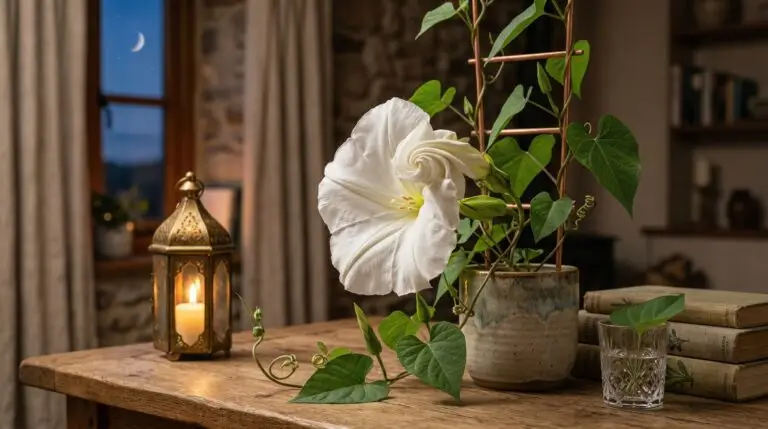
As twilight settles over the yard, a subtle movement catches the eye. The green sepals at the base of the bud peel back, and the pure white petals begin to untwist in a slow, counterclockwise motion. You can watch the blossom open in real time, a process that takes only a few minutes but feels like a private secret revealed. This quiet spectacle is the heart of moonflower meaning, representing the mysteries that unfold only when the busy world falls asleep. A sweet, clove-like fragrance spills into the humid air, signaling to the creatures of the night that the banquet is ready. The wide, flat blossoms catch the faint light of the stars, glowing pale and bright against the dark foliage.
Contents 4 sections
The ancient roots of a nocturnal blossom
The story of Ipomoea alba stretches far back into the history of the Americas. Indigenous peoples of Mesoamerica knew this vine well, using the sulfur compounds found in its sap to cure the latex harvested from rubber trees. They created heavy rubber balls for their sacred games long before European explorers arrived on the continent. Beyond its practical uses, the plant held deep spiritual significance tied to the lunar cycle and the feminine divine. The glowing white discs mirrored the shape and color of the full moon in the dark jungle canopy. This physical resemblance gave the plant its common name and established its place in folklore as a symbol of intuition, dreams, and the hidden realms of the mind.
By the nineteenth century, the vine had made its way into the carefully planned evening gardens of Europe and North America. Victorian gardeners were fascinated by the romance of night-blooming flowers, designing specific borders meant to be enjoyed strictly by moonlight. They planted pale, luminous flowers that would reflect the lunar glow, creating dedicated spaces for quiet reflection or whispered conversations after dinner. The moonflower became the centerpiece of these nocturnal spaces, climbing over arbors and releasing its heavy perfume into the cool evening air. The seeds passed from neighbor to neighbor, carrying with them the promise of a quiet, beautiful display right outside the parlor window. The tradition of planting a moon garden continues today, keeping the historical romance of the night alive.
Following the rhythm of the evening
The daily life of this vine is a masterclass in patience and timing. Throughout the hot, bright hours of summer, the plant looks almost exhausted, its large heart-shaped leaves drooping under the glare of the sun. It waits out the heat, conserving its energy while its close botanical cousins, the morning glories, dominate the early hours of the day. The two vines are two halves of a whole, dividing the twenty-four-hour cycle between them to ensure they never compete for the same pollinators. This natural division of labor adds a layer of moonflower symbolism, reminding the gardener that there is a specific season and hour for every living thing to thrive. The plant does not force its bloom in the harsh midday light, choosing instead to wait for the gentle cover of darkness.
When evening finally arrives, the drop in temperature triggers the cellular changes needed to unfurl the massive blooms. The petals stretch out completely flat, sometimes reaching six inches across, creating a perfect landing pad in the dark. The pure white color is a deliberate evolutionary choice, designed to stand out against the blackness of the night. While brightly colored daytime flowers rely on the sun to show off their reds and blues, night bloomers depend on high contrast and heavy scent to attract attention. The night flower meaning is inherently tied to this adaptation, speaking to the idea of finding your own unique way to shine when the usual rules do not apply. The wide petals act like a beacon, guiding nocturnal insects safely to their nectar source.
Scent and the creatures of the dark
The fragrance of the open blossom is complex, mixing notes of sweet almond, clove, and a clean, soapy freshness. The scent is heavy and hangs low in the still night air, calling out to winged visitors for miles around. It shares the evening stage with other fragrant nocturnal plants, though it has a sharper, spicier profile than the heady sweetness of jasmine that might grow nearby. This powerful perfume is not meant for human enjoyment, though gardeners gladly borrow it for their own pleasure. It is an open invitation to the sphinx moth, a large, fast-flying insect that hovers like a hummingbird in the dark. The scent trails through the breeze, creating an invisible map leading straight to the open flower.
The relationship between the moth and the flower is an ancient, perfectly choreographed dance. The moth unrolls its long proboscis, reaching deep into the narrow throat of the blossom to drink the rich nectar hidden inside. As it feeds, it brushes against the pollen-laden anthers, dusting its fuzzy body with the genetic material needed to create the next generation of seeds. The moth moves from white disc to white disc, carrying life across the dark garden. This silent exchange happens while the rest of the world sleeps, a hidden ecosystem operating entirely under the light of the stars. Without the moth, the flower would never produce its large, hard seeds, and the cycle would come to an abrupt end.
A single night of bloom
The tragedy and the beauty of the moonflower lie in its incredibly brief existence. Each massive, fragrant blossom lives for only a single night. As the eastern sky begins to lighten and the morning dew settles on the leaves, the petals begin to soften and collapse inward. By the time the sun clears the horizon, the flower has folded entirely in on itself, turning slightly translucent and pink at the edges before dropping away to the ground. The one-night bloom metaphor is a powerful element of its meaning, capturing the fleeting nature of beauty and the importance of being present to witness it. Tomorrow night will bring a fresh set of blooms, but tonight’s flower will never open again.
You cannot cut these flowers and bring them inside to arrange in a vase on the kitchen table. They demand that you meet them on their own terms, in their own environment, at the specific hour they choose to open. This refusal to be captured or preserved is exactly what makes the plant so compelling to those who grow it year after year. It asks the gardener to slow down, to step out into the damp grass in the dark, and to pay attention to the quiet changes happening in the shadows. The reward for this attention is a private showing of one of nature’s most dramatic transformations. The vine requires your presence in the moment, offering no second chances for a missed performance.
Late summer evenings often find the gardener standing by the trellis, flashlight in hand or simply letting their eyes adjust to the dark. You trace the shape of the vines, noting the spent blooms of yesterday and the swollen, twisted buds promising a show for tomorrow. Watching a bud shudder and pop open in the twilight is a quiet ritual that connects you to generations of people who have stood in the dark, waiting for the same white petals to unfold. The garden at night is a different world entirely, operating on its own quiet schedule. This luminous vine is its gentle, fragrant keeper, offering a brief moment of wonder before the sun rises again.
More About Moonflower
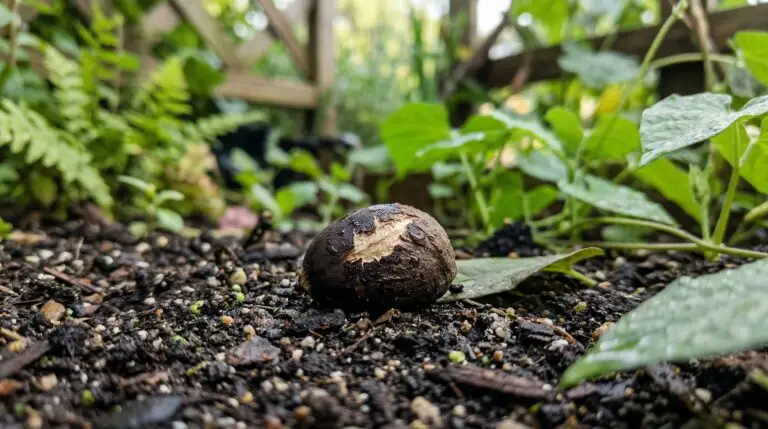
Growing moonflowers from seed and the nick-and-soak method for stubborn hard seeds
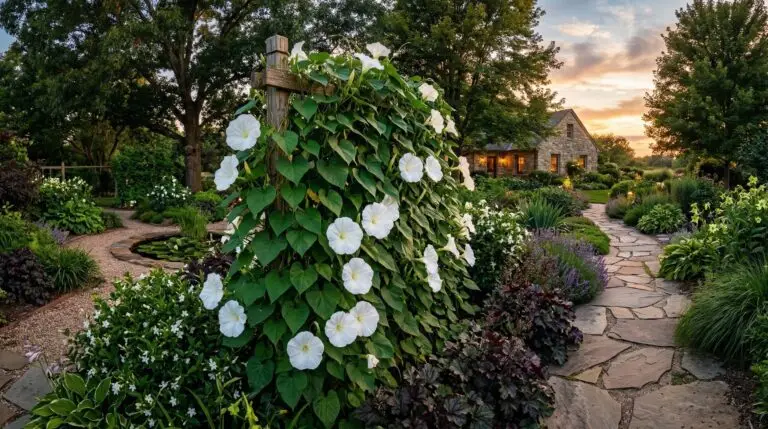
Creating a moonlight garden with moonflowers and other white flowers that glow after dark
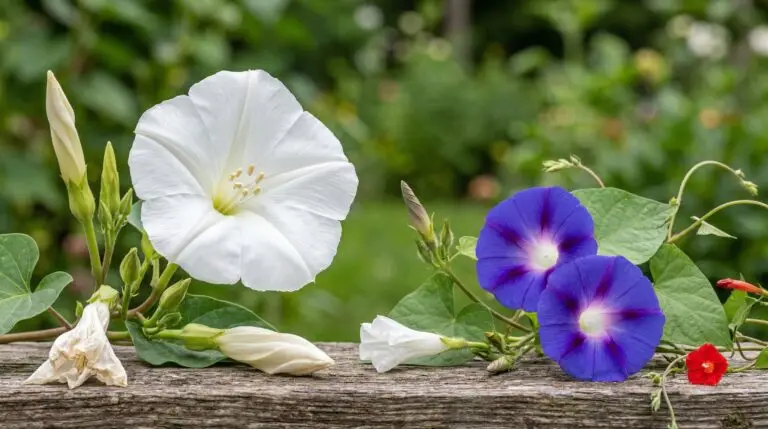
Moonflowers versus morning glories and growing both for day and night garden beauty
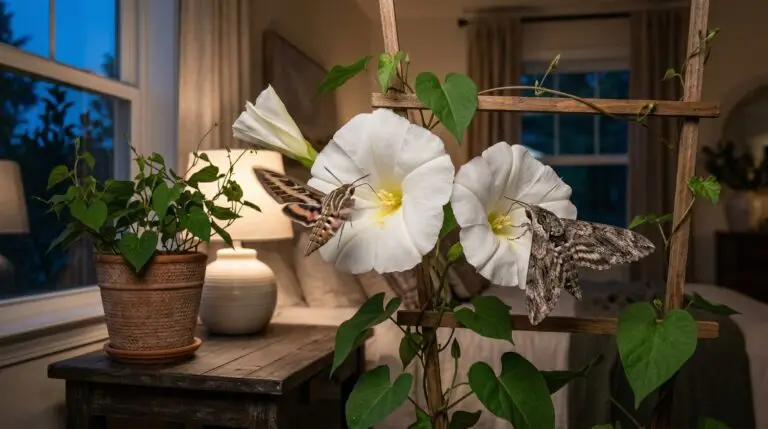
Moonflower pollinators and the fascinating world of hawk moths and night-flying creatures
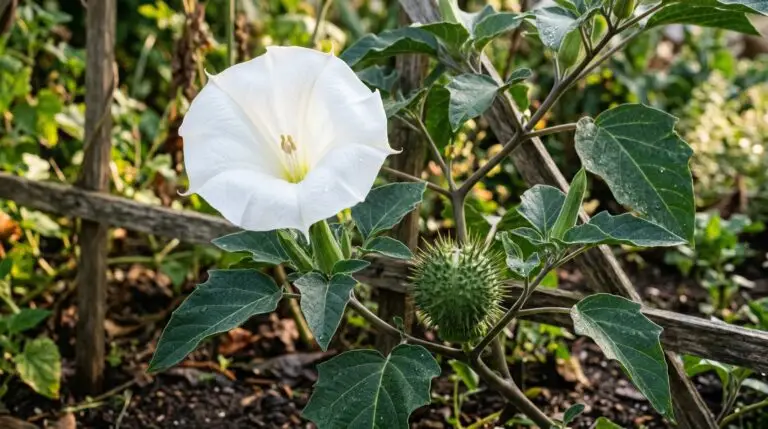
Why moonflowers are toxic and the important safety warnings for gardens with children and pets
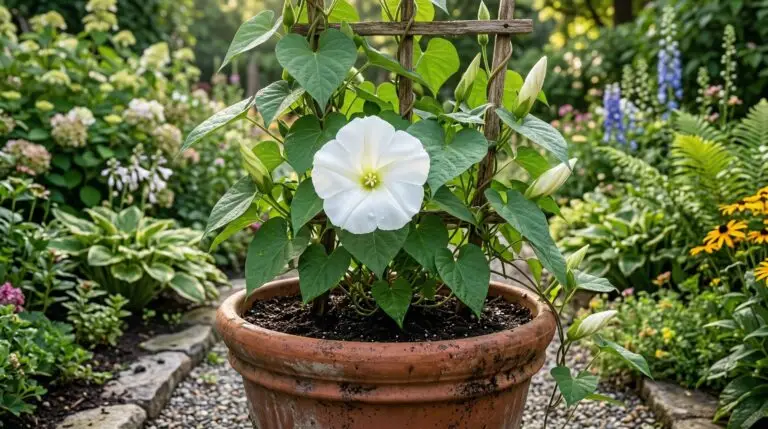
Moonflowers in containers for apartment balconies and small space evening gardens
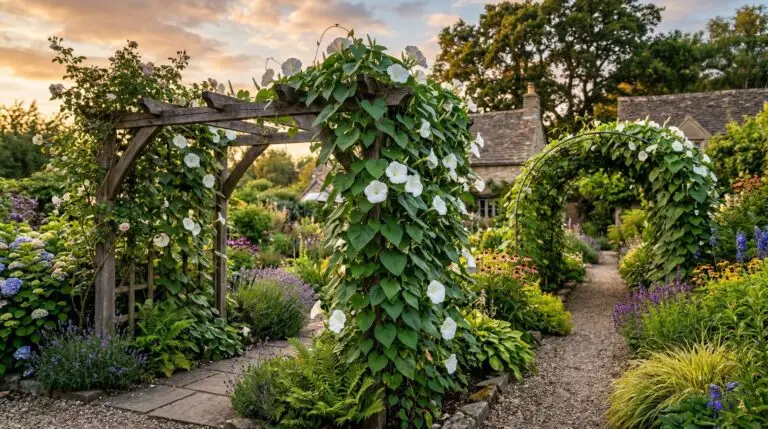
Training moonflower vines on arbors and trellises for a dramatic nighttime garden feature
How to grow moonflowers for enormous white blooms that open at dusk and glow in moonlight
Watching moonflowers open at sunset and the garden ritual of evening flower watching
Enjoying our flower guides? Add YourFlowersGuide as a preferred source on Google. It helps more readers find us.
Add to Preferred Sources