Contents 5 sections
Planning the evening garden in late winter
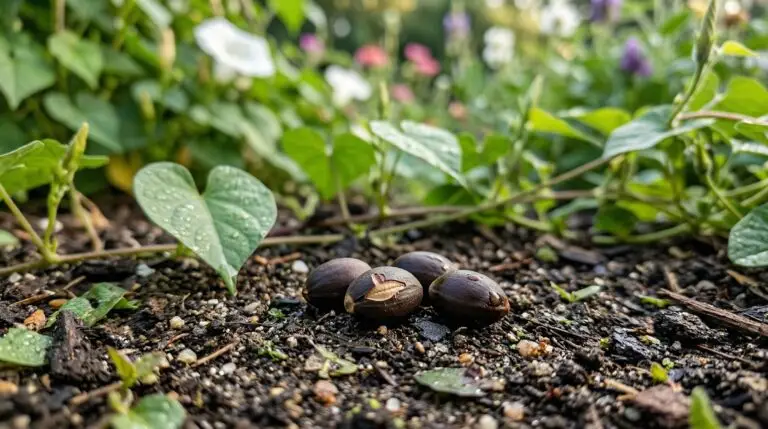
The relationship with the moonflower begins in late winter when the seed catalogs arrive in the mail. The seed of this night-blooming vine is large, hard, and pale like a smooth river pebble. You rub the tough outer coating with a metal file and drop the seed into a glass of warm water to soak overnight. Outside the window, the trees are bare and the wind carries a bitter cold. This indoor soaking process mimics the heavy spring rains that will eventually wake the dormant plant. You plan the trellis placement near a patio or an open window where the evening garden will be easily visible. The ritual of the moonflower begins months before the first white petals ever unfold.
Winter slowly gives way to the muddy thaw of early spring. The soil smells sharp and rich as the deep frost finally leaves the ground. You watch the soaked seeds swell in their small pots on a sunny windowsill. The thick green cotyledons push through the potting mix, revealing the aggressive climbing nature of the plant right from the start.
Sowing seeds as the soil warms
When you hear the spring peepers at night, it is time to start hardening off your young seedlings. The outdoor soil needs to be genuinely warm, usually well past the last expected frost date. You plant the young vines at the base of a sturdy wooden trellis or a tall wire fence. The earthworms are highly active now, turning the garden beds into a soft, aerated medium for the new roots to explore. You water them in gently, knowing these fast growers will soon demand daily attention and plenty of moisture. The leaves are shaped like large hearts and immediately begin to point upward toward the climbing support. Every day, the vine reaches a few inches higher, wrapping itself counterclockwise around the wood or wire.
The days lengthen and the heavy heat of early summer sets in across the yard. The vine responds to the warmth by putting on a massive amount of vegetative growth. Large, deep green leaves create a dense screen over the trellis, providing shade for the soil below. You water deeply during dry spells to keep the broad foliage from wilting in the intense afternoon sun.
Waiting for the tight green buds of midsummer
By midsummer, the stems have thickened and the first buds appear as tight green balls. They form at the leaf axils, slowly elongating over several weeks of hot weather. The garden is full of noise during the day with foraging bees and loud cicadas, but the moonflower waits for the quiet hours. The buds grow to resemble small, furled umbrellas with distinct spiral seams running up their sides. You check them every morning, noting how the white petals begin to show through the splitting green calyx. The anticipation builds as the largest buds turn pure white and point outward from the vine. You know that tonight is the night the first flower finally opens.
As the sun dips below the horizon, the light changes from harsh gold to a soft, dusky blue. The daytime pollinators retreat to their hives and nests for the night. You bring a chair out to the patio to watch the moonflower at night. The evening garden becomes a place of quiet observation and deliberate patience.
The two minute unfolding spectacle
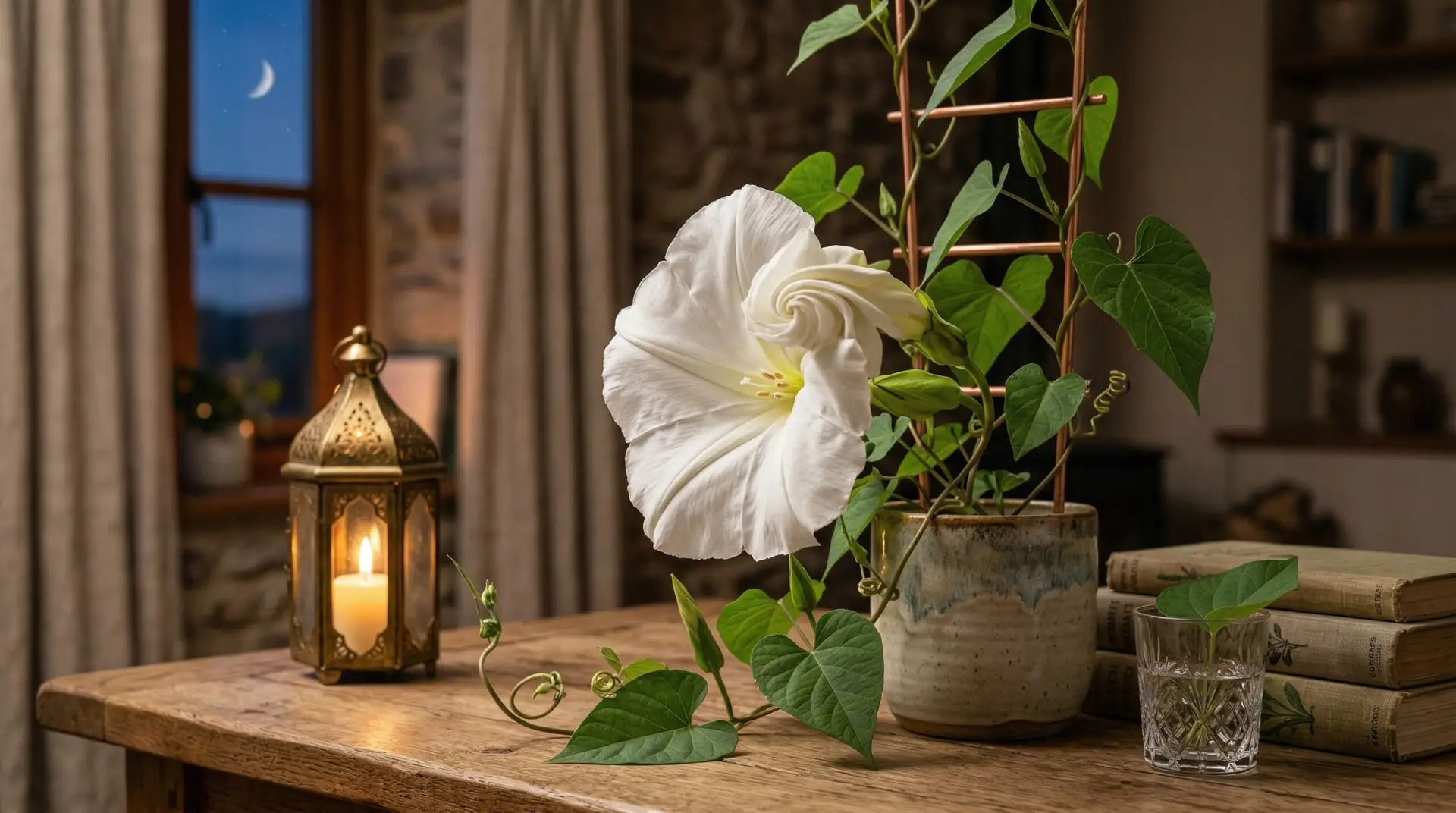
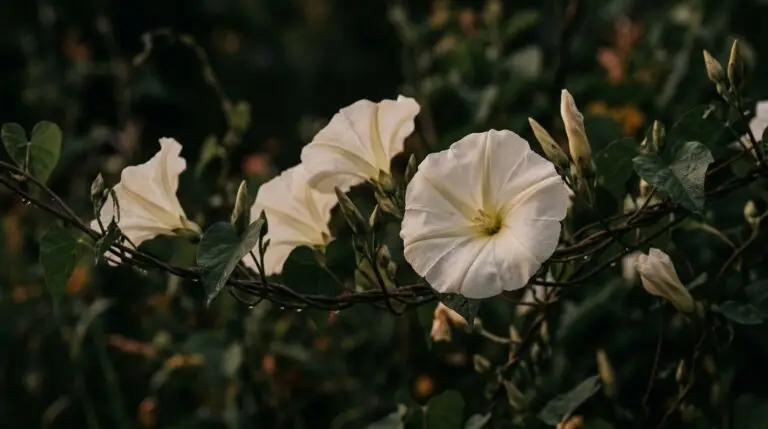
The moonflower opening is a sudden and dramatic event that demands your full attention. You watch the tightly furled bud as the evening air cools and the shadows lengthen. A tiny shudder moves through the petals, and the green sepals pop back with a faint, audible rustle. The white folds begin to untwist, expanding outward in a smooth, continuous motion that takes less than two minutes. It is a mesmerizing piece of garden entertainment that feels entirely private and fleeting. The flower flattens into a perfect white disc, sometimes six inches across, glowing brightly against the dark foliage. A rich, sweet perfume immediately spills from the throat of the blossom into the humid night air.
This nightly ritual creates a deep sense of garden mindfulness and connection to the dark hours. You sit quietly and watch the large sphinx moths arrive, drawn out of the shadows by the luminous white target and the intoxicating scent. The fragrance rivals the heavy, sweet perfume of a blooming jasmine climbing a nearby brick wall. You might try photographing the bloom, setting up a tripod to capture the exact moment the white petals release their tension. Friends and neighbors often gather on the porch to share the experience, holding their breath as the flower shudders awake. The evening garden is completely transformed by the presence of these nocturnal bloomers. The heavy scent of a nearby gardenia bush mixes with the moonflower, creating a thick atmosphere of floral perfume. You stay out long after dark, enjoying the cool air and the glowing white blossoms.
Each blossom lasts for only a single night. By the time the morning sun hits the vine, the wide white disc has collapsed into a limp, translucent rag. The plant drops the spent flower and focuses its energy on the next cluster of waiting buds. This daily cycle of spectacular opening and rapid decay continues for many weeks.
Gathering seeds before the autumn frost
The nights grow longer and the air takes on the sharp, metallic chill of autumn. The moonflower vine slows its production of new buds and shifts its focus to the swollen seed pods left behind by the pollinated flowers. These pods start out green and fleshy, resembling small teardrops hanging heavy from the stems. You leave them on the vine until the outer skin turns brown and papery. Inside, the new seeds are hardening, turning from pale green to the familiar pale white or dark black depending on the specific variety you planted. The leaves of the vine begin to yellow and drop to the ground, signaling the end of the growing season. You crack open the dry pods and pour the heavy seeds into a labeled paper envelope.
The first hard frost finally blackens the remaining leaves and stems, collapsing the massive vine overnight. You pull the dead plant material from the trellis, leaving the wooden structure bare against the gray winter sky. The garden enters its long, necessary period of cold rest. The seeds sit quietly in their envelope in a dark drawer, holding the entire sequence of next summer’s evening garden within their hard shells.
More About Moonflower
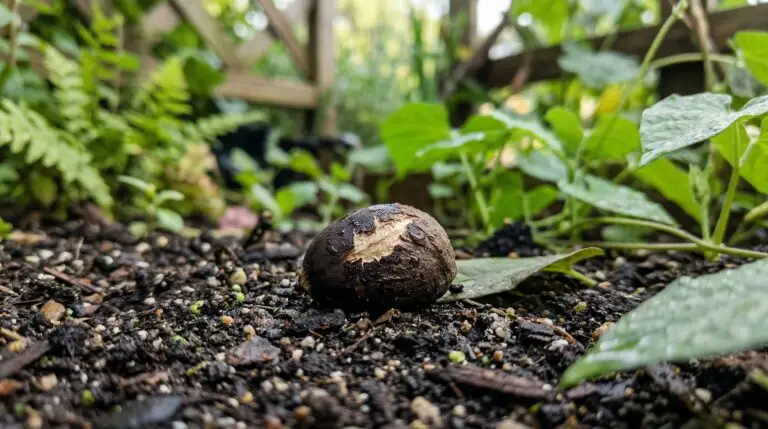
Growing moonflowers from seed and the nick-and-soak method for stubborn hard seeds
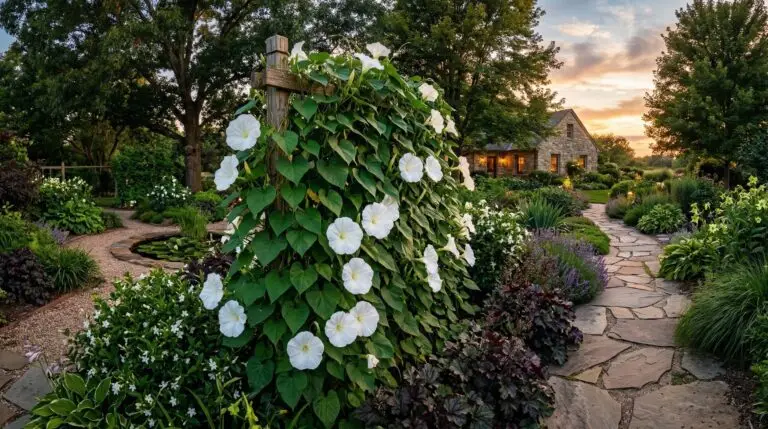
Creating a moonlight garden with moonflowers and other white flowers that glow after dark
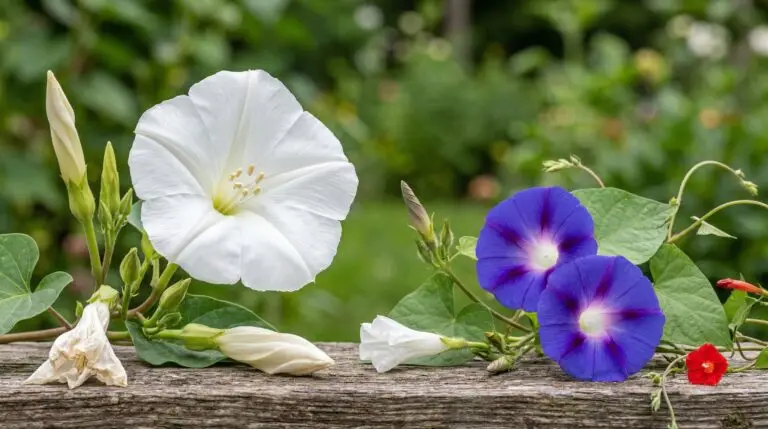
Moonflowers versus morning glories and growing both for day and night garden beauty
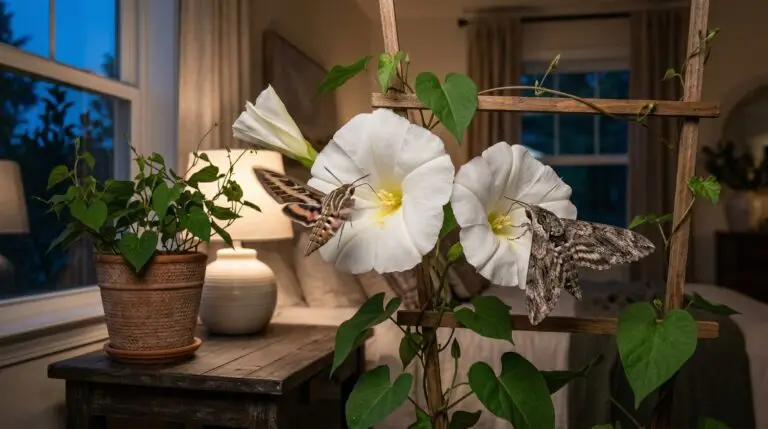
Moonflower pollinators and the fascinating world of hawk moths and night-flying creatures
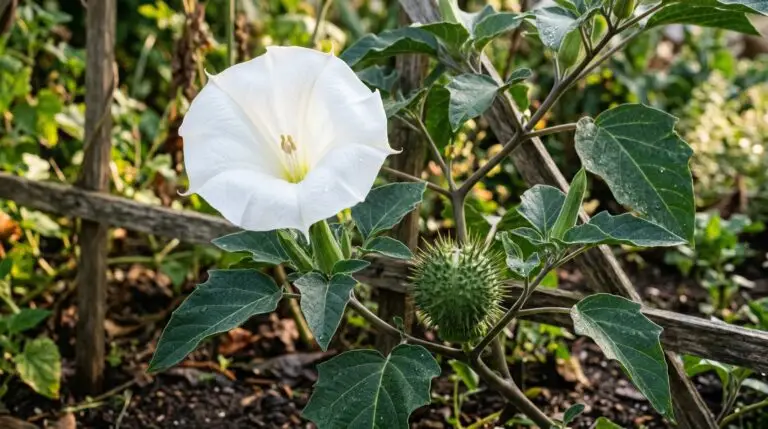
Why moonflowers are toxic and the important safety warnings for gardens with children and pets
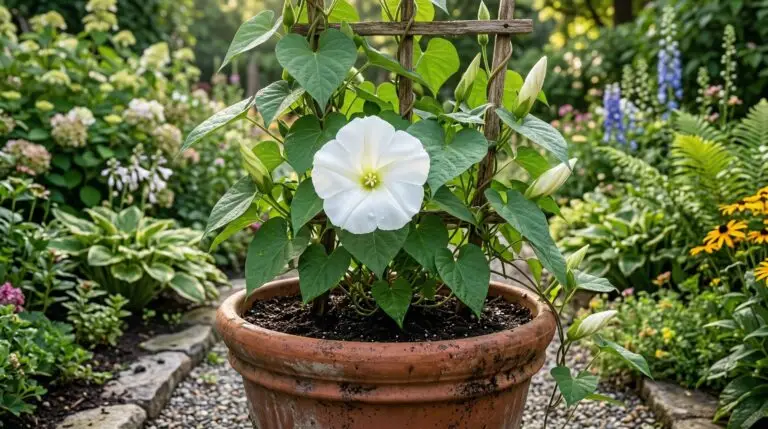
Moonflowers in containers for apartment balconies and small space evening gardens
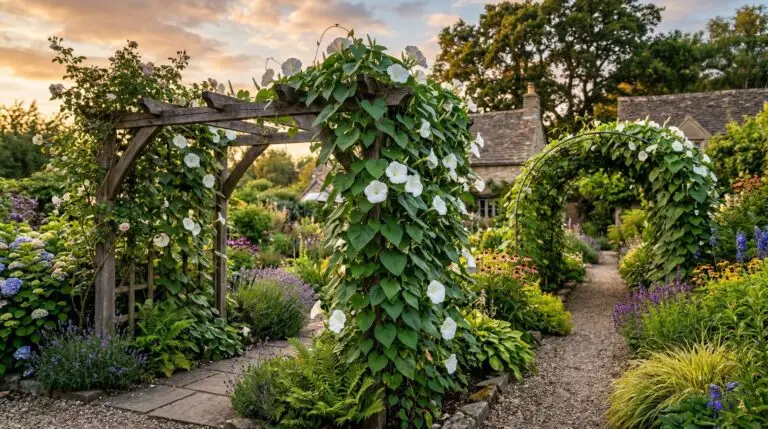
Training moonflower vines on arbors and trellises for a dramatic nighttime garden feature
How to grow moonflowers for enormous white blooms that open at dusk and glow in moonlight
Moonflower flower meaning and the romance of night-blooming flowers in garden lore
Enjoying our flower guides? Add YourFlowersGuide as a preferred source on Google. It helps more readers find us.
Add to Preferred Sources