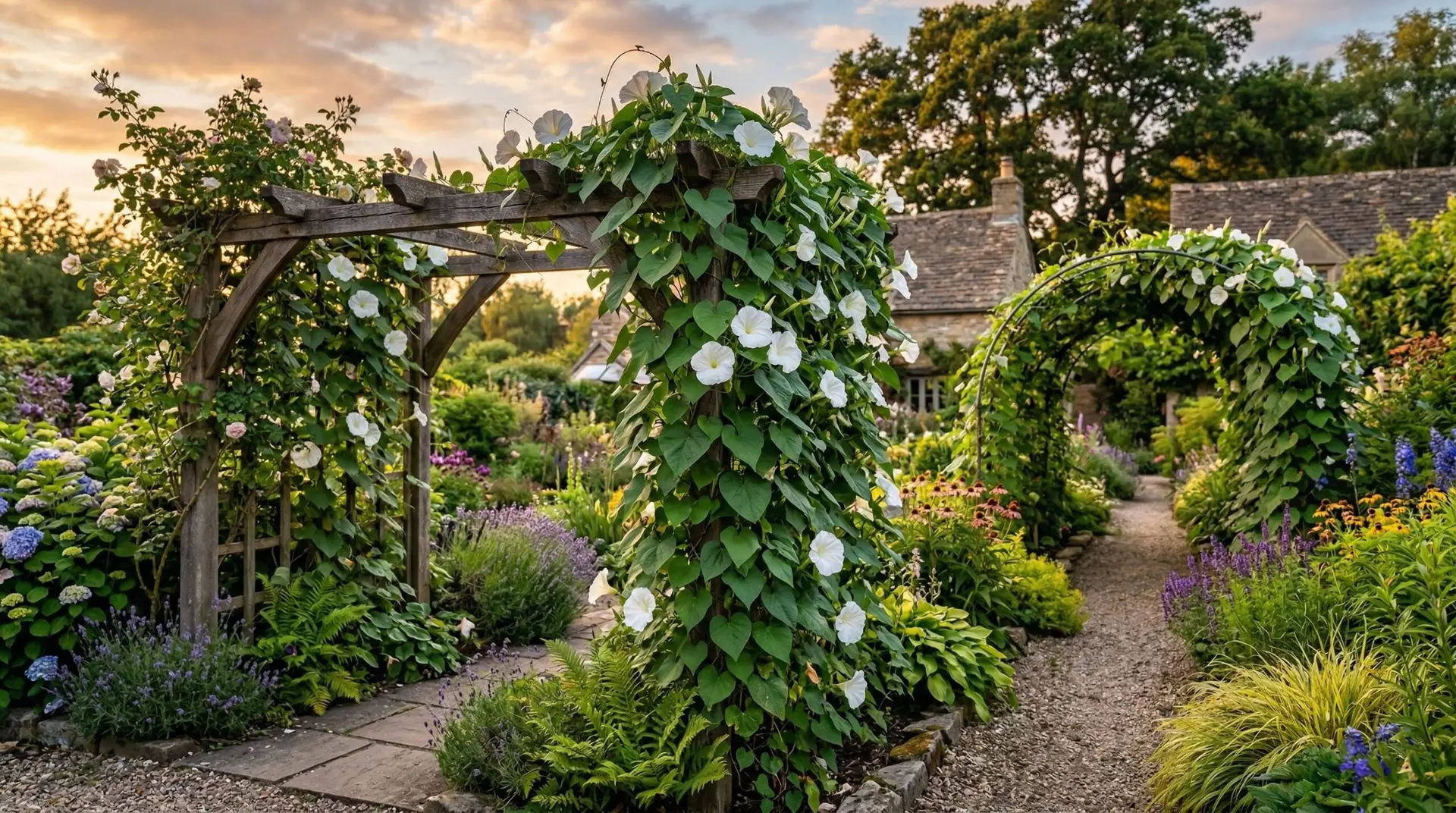
Creating a nighttime garden feature requires deliberate planning before you purchase a single seed. A vine that opens large white blossoms at dusk and releases a strong fragrance sounds wonderful, but it demands specific site conditions and sturdy infrastructure. You must decide where you will actually sit to enjoy the evening display and whether that location receives enough daytime sunlight to power the blooms. You also need to evaluate your budget for support structures, as these vigorous plants can easily collapse flimsy metal or plastic frames. Proper preparation ensures your vines will climb exactly where you want them and create the evening atmosphere you envision without turning into an unmanageable mess.
Contents 4 sections
Assessing your site and selecting a support structure
Before choosing your seeds, evaluate your intended planting site for both daytime sunlight and evening accessibility. Moonflowers require at least six to eight hours of direct sunlight during the day to produce their signature evening blooms. You must position the vine near a patio, deck, or porch where you will actually spend time after sunset to appreciate the fragrance and the opening flowers. Once you identify the right location, you must select an appropriate moonflower vine support based on your budget and space. These plants are aggressive twiners that wrap their stems tightly around whatever they touch, growing up to fifteen feet in a single season. A sturdy wooden moonflower arbor provides an excellent framework for creating a scented entryway or covering a seating area. If space is limited, a heavy gauge metal moonflower trellis secured firmly to a wall or fence will support the significant weight of mature foliage late in the summer.
Preparing the soil and installing the framework
The preparation phase begins with installing your chosen support structure weeks before the soil warms up. You must anchor arbors securely into the ground or attach trellises to solid backing, as the mature vines catch the wind like a sail and can pull down unsecured frames. If you plan to intertwine outdoor string lights with the vines for nighttime visibility, hang the cables tightly across the structure now. Trying to weave electrical cords through mature vines later in the season usually results in broken stems and damaged flower buds. Next, evaluate your soil conditions at the base of the support structure to ensure proper drainage. Moonflowers prefer moderately fertile soil, and adding too much nitrogen fertilizer will result in massive walls of green leaves with very few flowers. You might consider treating the site similarly to how you would prepare a bed for Morning Glories, as they share very similar soil and drainage requirements.
Executing the planting and training process
The execution phase requires specific timing, as moonflower seeds possess a hard outer shell that delays germination without proper intervention. You should nick the seed coat with a metal file and soak the seeds in warm water for twenty four hours right before planting them outdoors after all danger of frost has passed. Allow about six to eight weeks from the planting date until you see the first evening blooms. As the young seedlings emerge and reach a few inches tall, you must begin the training process immediately. Gently guide the flexible stems toward the base of your structure and loosely tie them to the lowest rungs with soft twine. Unlike vines with tendrils such as Clematis, moonflowers climb by wrapping their entire main stem around the support. You will need to check the vines twice a week during early summer to direct the new growth outward across the structure rather than letting the stems twist into a heavy, tangled knot at the center.
Managing ongoing maintenance and late season care
Understanding the ongoing maintenance commitment will help you keep the display looking tidy throughout the late summer months. These vines consume a high volume of water once they reach their mature size, often requiring deep watering every two to three days during hot, dry spells. The maintenance routine also includes managing the spent blooms, which close up and drop off the morning after they open. While the plants are generally pest resistant, you should inspect the large leaves weekly for signs of hornworms or aphids that can quickly defoliate the vines if left unchecked. Because moonflowers grow as annuals in most climate zones, your final task will involve removing the dead vines from the structure after the first hard freeze. Unwinding the dead, woody stems from a complex trellis takes time, and you should plan for a solid afternoon of cleanup work in late autumn. This seasonal cycle differs greatly from perennial climbers like Jasmine, requiring you to start the entire seed planting process again the following spring.
To get your nighttime garden project started this week, begin by measuring your intended planting area and observing the sunlight patterns. Track the sun across your chosen spot to verify it receives the required six to eight hours of direct light. Write down the exact dimensions of the space so you can research support structures that fit your budget and spatial constraints. Order your seeds now so you have them ready for soaking and planting when the soil temperatures finally warm up. Taking these practical steps today will put you on track for a successful, well supported vertical display by midsummer.
More About Moonflower
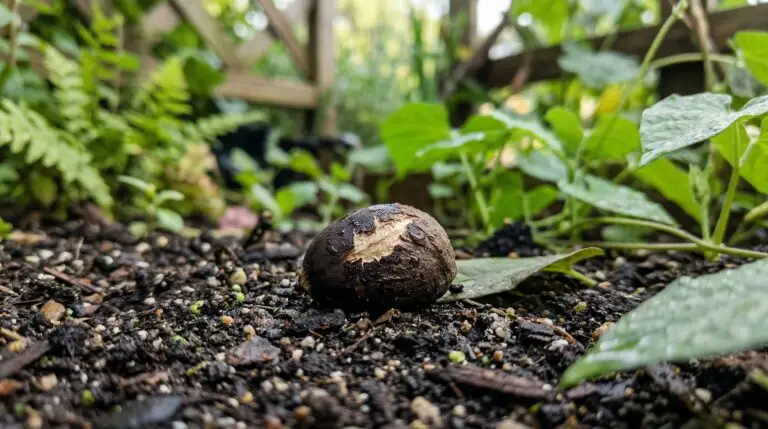
Growing moonflowers from seed and the nick-and-soak method for stubborn hard seeds
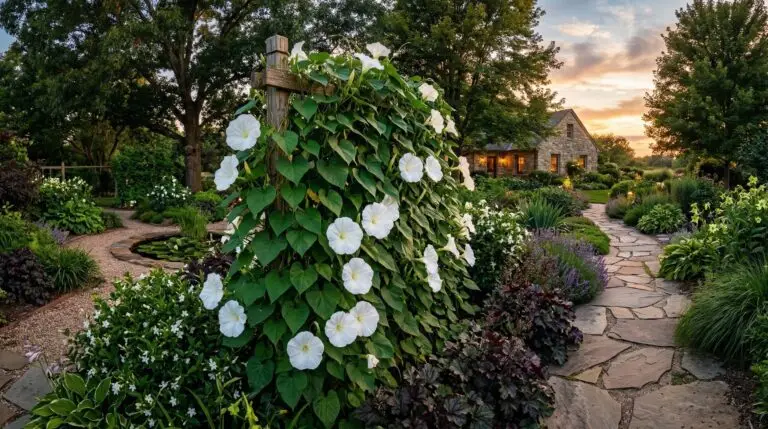
Creating a moonlight garden with moonflowers and other white flowers that glow after dark
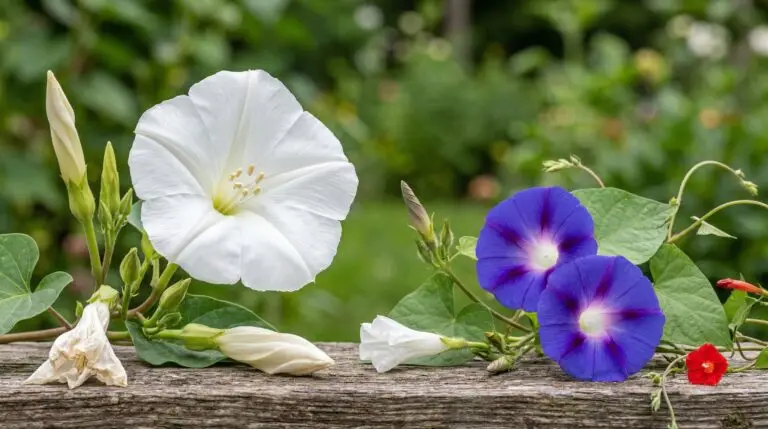
Moonflowers versus morning glories and growing both for day and night garden beauty
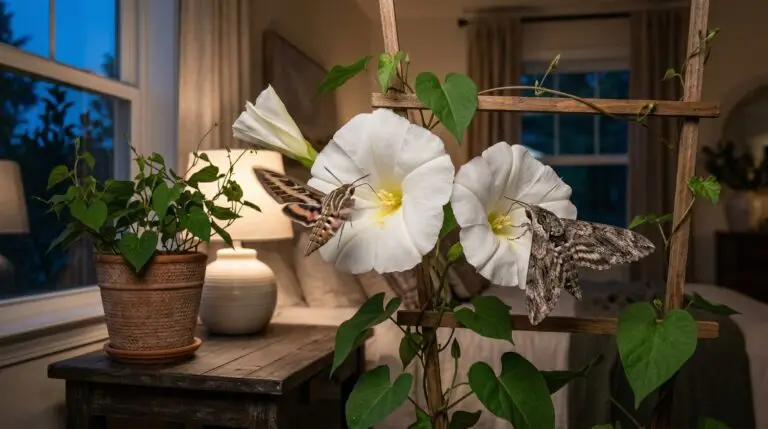
Moonflower pollinators and the fascinating world of hawk moths and night-flying creatures
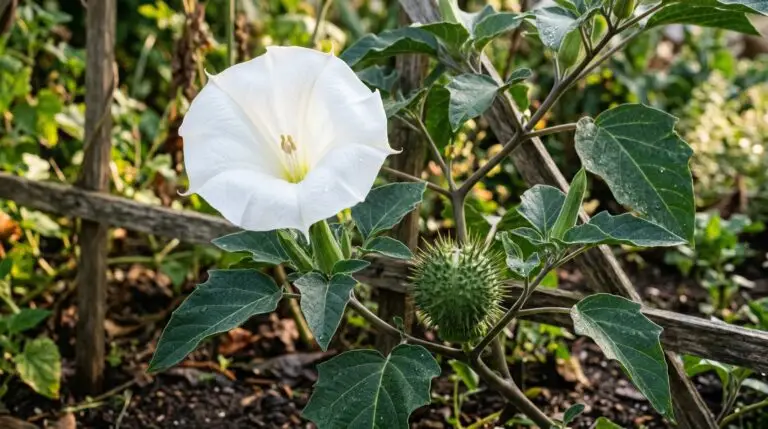
Why moonflowers are toxic and the important safety warnings for gardens with children and pets
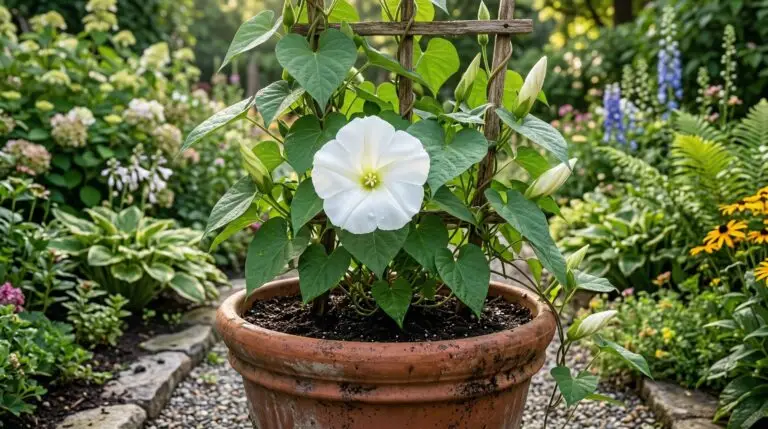
Moonflowers in containers for apartment balconies and small space evening gardens
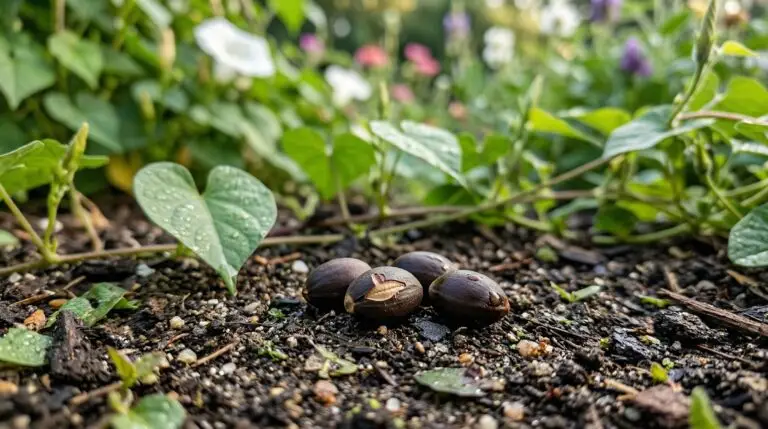
How to grow moonflowers for enormous white blooms that open at dusk and glow in moonlight
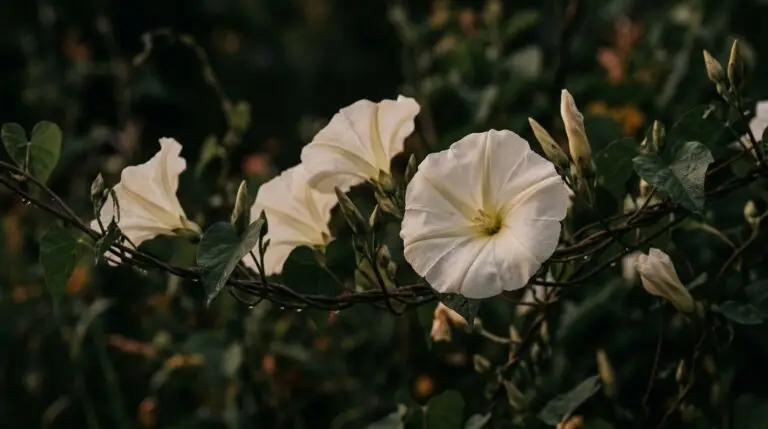
Moonflower flower meaning and the romance of night-blooming flowers in garden lore
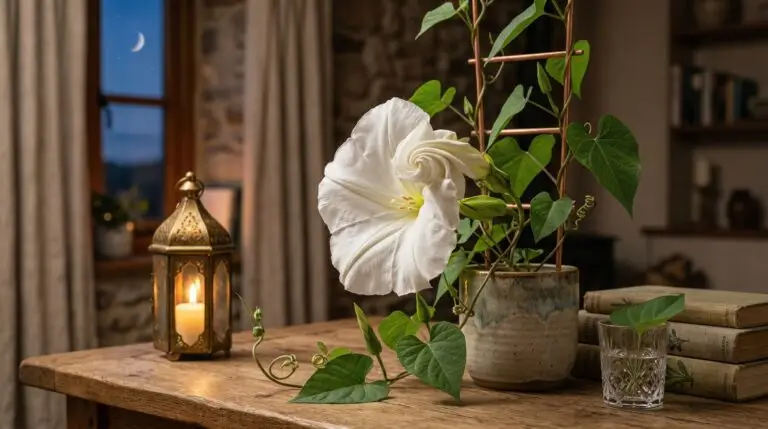
Watching moonflowers open at sunset and the garden ritual of evening flower watching
Enjoying our flower guides? Add YourFlowersGuide as a preferred source on Google. It helps more readers find us.
Add to Preferred Sources