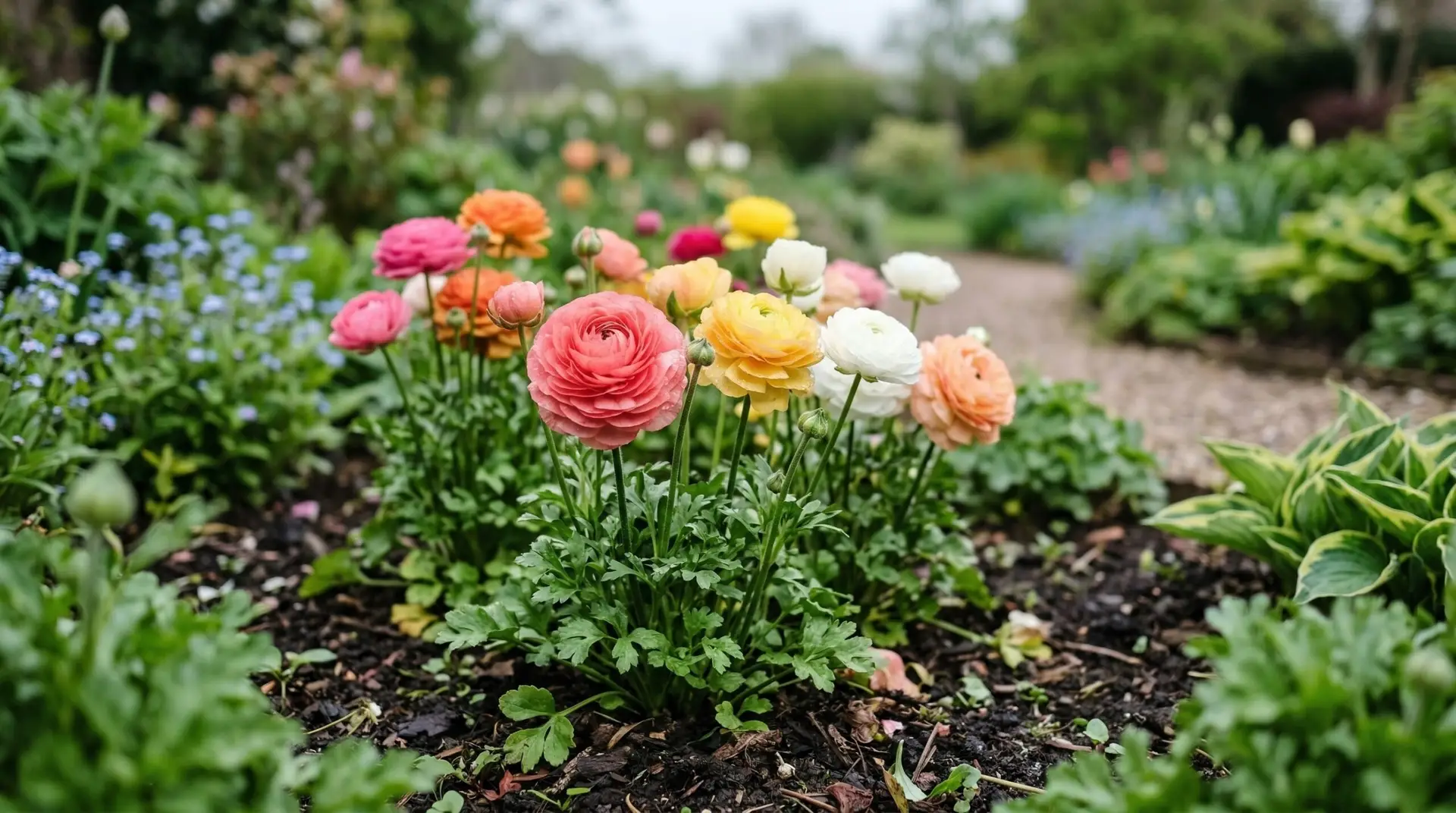
Every successful garden begins with the understanding that local conditions dictate plant performance. A gardener in cold Minnesota experiences an entirely different reality than a gardener in humid Florida when attempting to grow ranunculus. These popular spring flowers are fundamentally cool weather plants that require specific temperature ranges to develop their root systems and produce blooms. They thrive when daytime temperatures hover in the fifties and sixties, and they actively resent the arrival of summer heat. When daytime temperatures consistently climb past seventy degrees, the plants stop producing new growth and begin preparing for summer dormancy. This physiological response means that generic planting instructions often lead to complete failure if you ignore your local climate realities. Success requires aligning the plant’s natural life cycle with your specific regional patterns of frost, rainfall, and heat.
Contents 4 sections
Fall planting in warm winter climates
In the mild regions of the Southeast, Southwest, and coastal California, gardeners must treat ranunculus strictly as a fall-planted crop. Zones 8, 9, and 10 provide the long, cool growing season these corms need to establish extensive root systems before the spring heat arrives. Gardeners in the arid Southwest will need to amend their naturally alkaline soils with elemental sulfur to reach the slightly acidic pH range that prevents nutrient lockout. Growers dealing with the heavy winter rains of the Pacific Northwest or the humid Southeast must prioritize exceptional drainage to prevent the corms from rotting in cold, wet soil. Planting in raised beds or incorporating coarse sand and fine pine bark into the planting area keeps water moving quickly away from the roots. By getting the corms into the ground in October or November, southern and western gardeners allow the plants to grow slowly through the winter months. The reward for this timing is a massive flush of blooms in March and April before the intense summer sun forces the plants to melt back to the ground.
Navigating the unpredictable transition zones
Gardeners operating in the middle tier of the country face a particularly frustrating set of climate challenges with this plant. In Zones 6 and 7, the winters are often too severe for unprotected fall planting, yet the spring season heats up too rapidly for successful spring planting. To bridge this gap, growers in these regions must rely heavily on microclimates and physical protection to cheat the seasons. Planting corms in November against a south-facing brick wall can provide just enough radiant heat to keep the soil from freezing solid during January cold snaps. Many growers use low tunnels covered in heavy frost cloth to protect winter-planted corms from the worst of the ice and wind exposure common on the open plains. This approach works exceptionally well when you pair ranunculus with other cool season flowers like anemone, which share similar temperature preferences and timing requirements. If fall planting proves entirely impossible due to heavy clay soils that hold freezing water, transition zone gardeners must start their corms indoors under lights in late winter to ensure the plants are large enough to bloom before May temperatures trigger dormancy.
Spring strategies for cold northern climates
In the short-season regions of the Upper Midwest and New England, winter survival outdoors is impossible and fall planting guarantees dead corms. Gardeners in Zones 3, 4, and 5 must wait until the worst of the deep freezes have passed before moving plants outside. Because the window between the soil thawing and the arrival of summer heat is incredibly narrow, northern growers must pre-sprout their corms indoors four to six weeks before their last expected frost date. This process involves soaking the dry corms and holding them in slightly moist potting soil in a cool basement or garage until roots emerge. Once the soil can be worked in early spring, these actively growing plants go directly into the garden where they can take advantage of the cool, bright days of May and June. Northern gardeners often find success planting their pre-sprouted corms alongside hardy snapdragon transplants, as both plants thrive in the brisk spring air and tolerate light frosts. The key in these cold regions is getting the plants established outside as early as physically possible, as a delay of even two weeks can push the bloom time into the heat of July, causing the plants to yellow and collapse before opening their buds.
Managing the inevitable summer dormancy
Regardless of where you live, rising temperatures and longer day lengths eventually signal ranunculus to stop growing and enter a period of rest. The foliage turns yellow and collapses, a process many new gardeners mistake for a fungal disease rather than a natural biological function. How you handle the corms at this stage depends entirely on your regional summer climate and rainfall patterns. In areas with completely dry summers, like the Mediterranean climate of California where spring-blooming anemones also thrive, gardeners can simply stop watering and leave the corms in the ground to bake in the warm, dry soil until fall. In regions that receive steady summer rainfall, leaving dormant corms in warm, wet soil guarantees they will rot away completely. Gardeners in the Midwest, South, and East Coast must dig the corms once the foliage dies back completely, clean off the excess soil, and store them in mesh bags in a dry, well-ventilated location.
Understanding this cycle of active cool season growth and warm season dormancy changes how you approach the entire garden. When you stop fighting your local climate and start working within its specific constraints, you unlock the ability to grow demanding plants successfully. A gardener in Georgia accepts that ranunculus is a winter crop, while a gardener in Maine treats it as a fleeting spring visitor. This principle of regional adaptation applies to every plant you will ever put in the ground, reminding us that general gardening rules always bow to local weather patterns. Recognizing your specific soil type, rainfall patterns, and temperature swings allows you to choose the right planting time and the right location for your exact environment.
More About Ranunculus
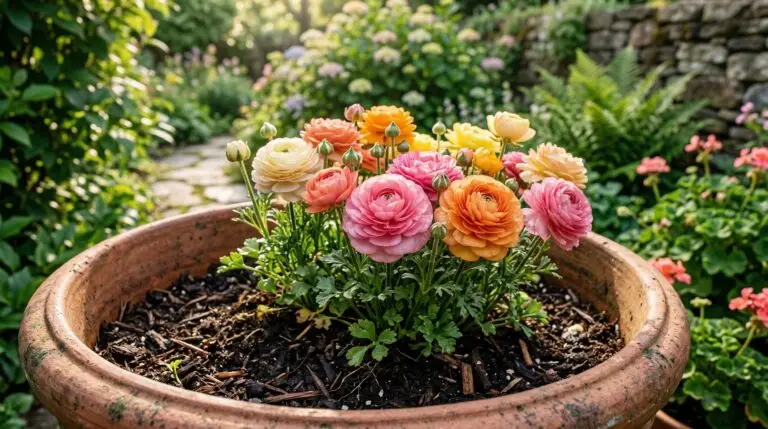
Growing ranunculus in containers for a spring flower show on patios and porches
Ranunculus flower meaning and the radiance this buttercup-family bloom symbolizes
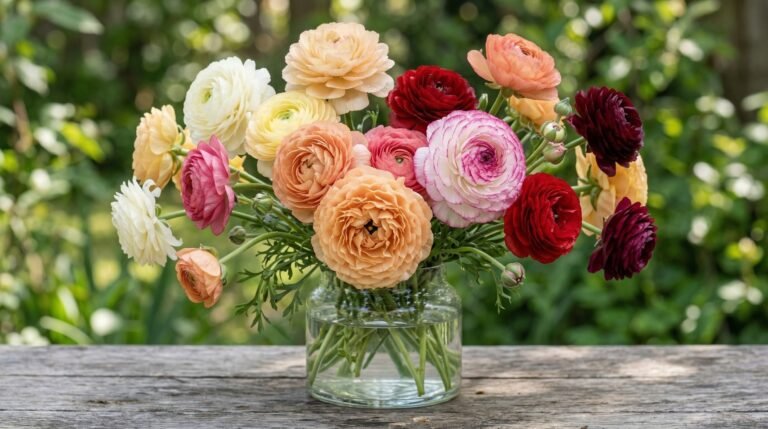
Best ranunculus varieties from classic Italian to ruffled Butterfly and Elegance types
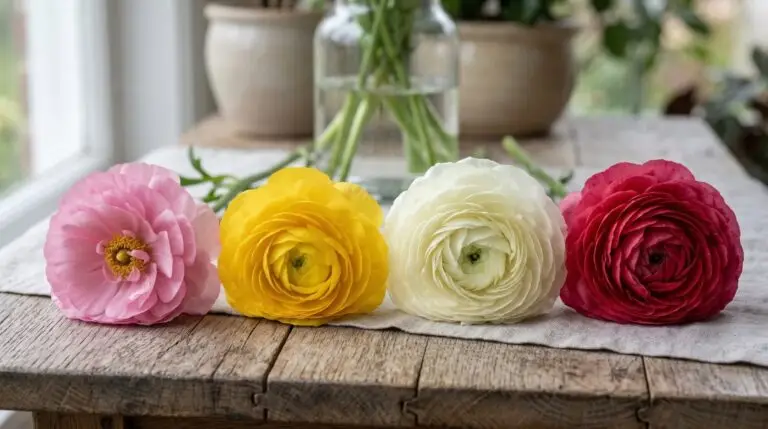
Ranunculus versus garden roses and why these corm flowers compete with the queen of flowers
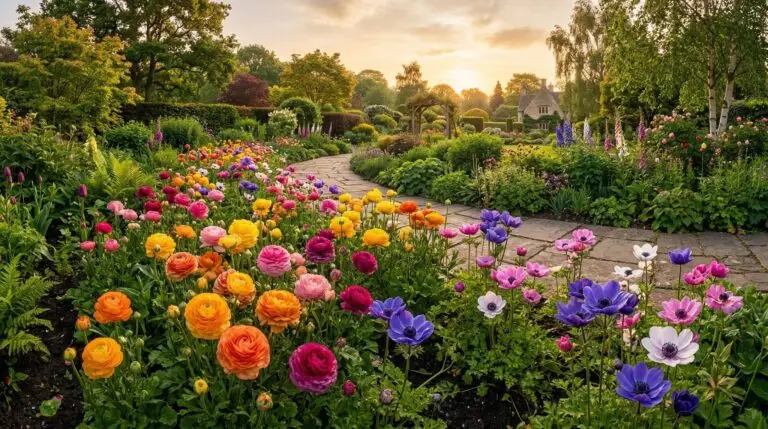
Ranunculus companion plants: what to grow, and what to avoid
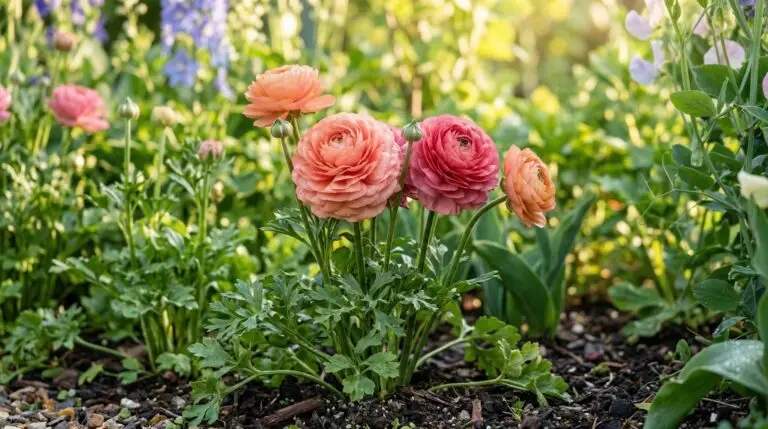
Ranunculus as the ultimate cut flower and why flower farmers cannot grow enough of them
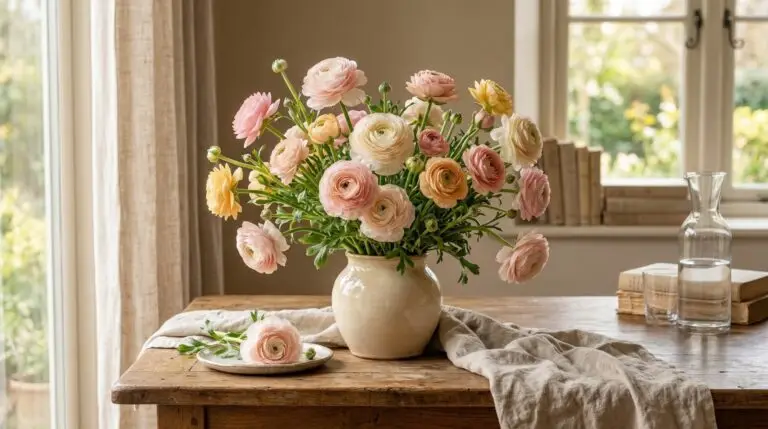
Ranunculus in wedding bouquets for lush romantic alternatives to peonies and roses
Enjoying our flower guides? Add YourFlowersGuide as a preferred source on Google. It helps more readers find us.
Add to Preferred Sources