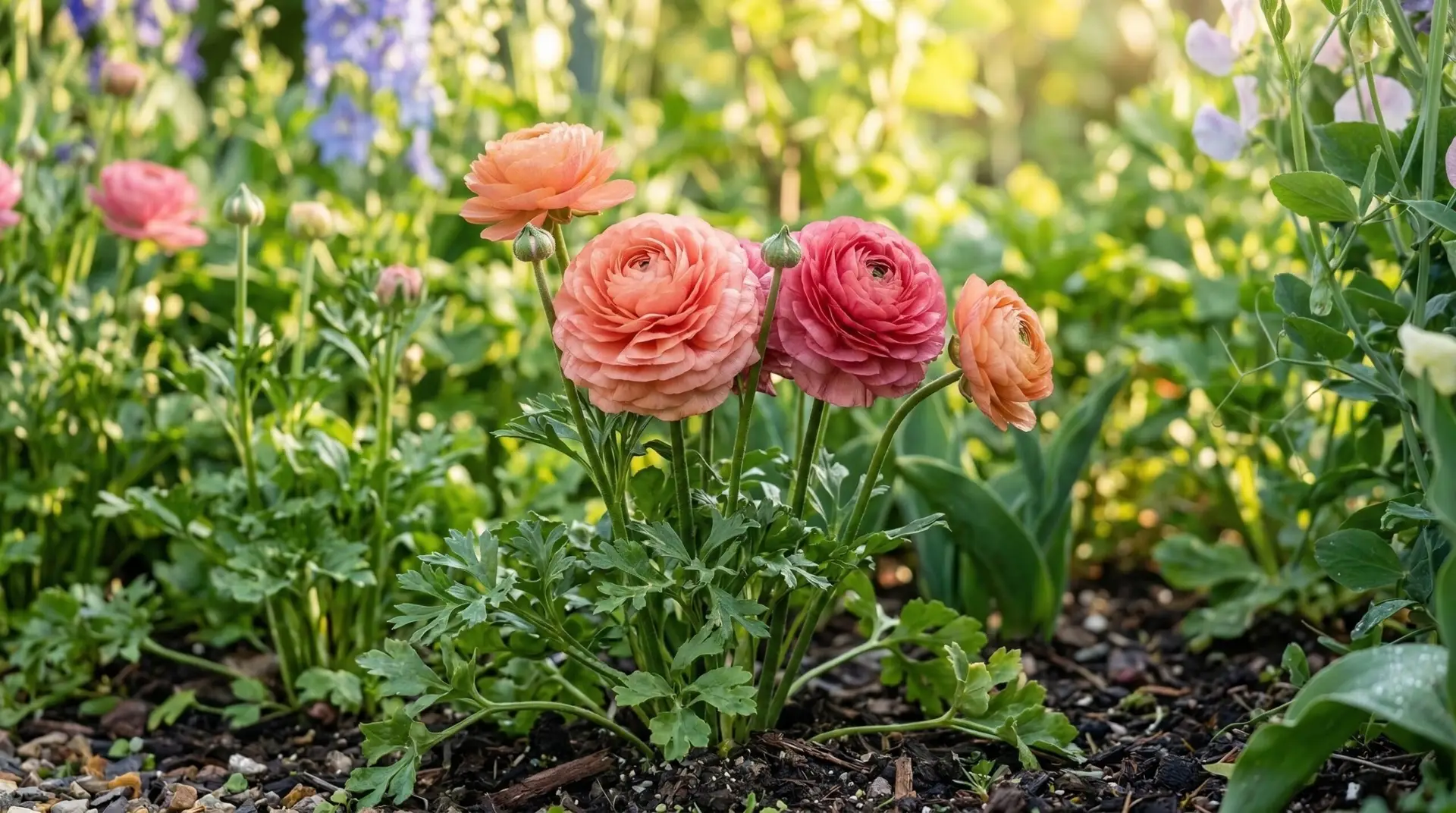
The spring morning air carries a distinct chill when the first rows of ranunculus begin to show color in the cutting garden. Dew settles heavy on their finely cut, parsley-like foliage, catching the pale early light before the sun crests the tree line. At this hour, the tightly coiled buds look almost sculptural, perched atop thick, fleshy stems that rise straight from the damp earth. Flower farmers walk these rows with sharp snips, moving quickly to harvest what has become the undisputed prize of the spring floral harvest. There is a quiet urgency to the work because demand for these densely petaled blooms consistently outpaces the supply. Customers wait eagerly for the first ranunculus bouquet of the season, drawn to the sheer volume of paper-thin petals that unfold over a week in the vase. The wait is entirely justified, as few flowers offer the same combination of visual weight and delicate structure.
Growing a high-quality ranunculus cut flower requires an understanding of timing, specifically knowing the exact moment a bud is ready for the shears. Growers look for the marshmallow stage, a term describing the precise tactile sensation of a bud that has softened just enough to yield slightly under gentle pressure. If cut too early, the bud remains closed and refuses to open in water, leaving a hard green knot at the end of the stem. Waiting until the flower is fully open in the field sacrifices days of longevity once brought indoors. Catching that perfect intermediate stage guarantees the bloom will continue its slow, deliberate expansion on the kitchen table or the florist’s workbench.
Contents 3 sections
The anatomy of a perfect harvest
The reward for this precise timing is a remarkable 7-10 day vase life, a duration that makes them highly prized by designers and home gardeners alike. Once placed in fresh water, the soft bud begins a gradual transformation that is fascinating to watch over a week. The outer guard petals peel back first, revealing layer upon layer of tightly packed inner petals that seem to multiply as the days pass. A single stem can hold over a hundred individual petals, expanding to three times its original bud size before it finally shatters. The stems themselves require specific care, as their hollow structure makes them susceptible to rotting if left in deep, stagnant water. Changing the water every two days and giving the stems a fresh angled cut keeps the vascular system clear and extends the life of the bloom. This simple maintenance routine ensures the flowers remain crisp and upright long after other spring ephemeral blooms have faded.
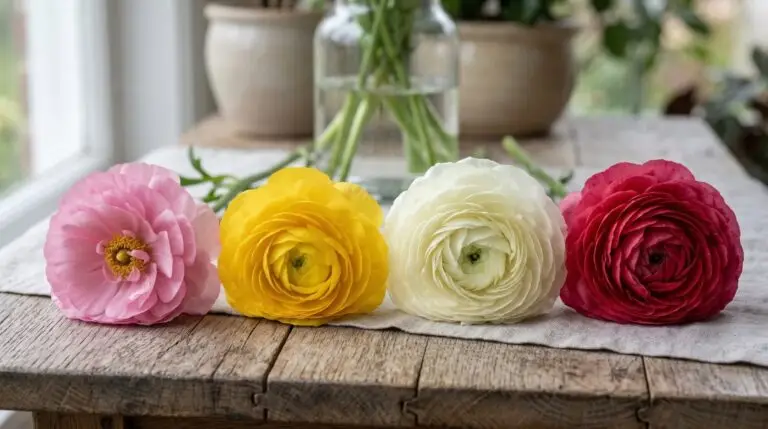
Beyond their impressive endurance, these flowers offer a color palette that perfectly bridges the gap between the muted tones of winter and the bright saturation of summer. The available hues range from pure white and soft ballet pink to saturated apricot, deep plum, and a burgundy so dark it borders on black. This versatility allows them to anchor almost any ranunculus arrangement, whether the desired mood is a pastel spring wedding or a moody, dramatic dining table centerpiece. The colors often shift subtly as the flower ages, with the edges of the petals taking on slightly lighter or darker washes of pigment.
A spectrum of color for the vase
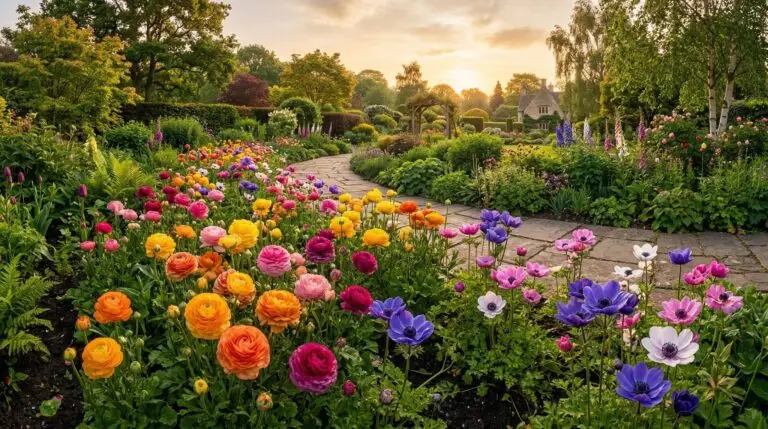
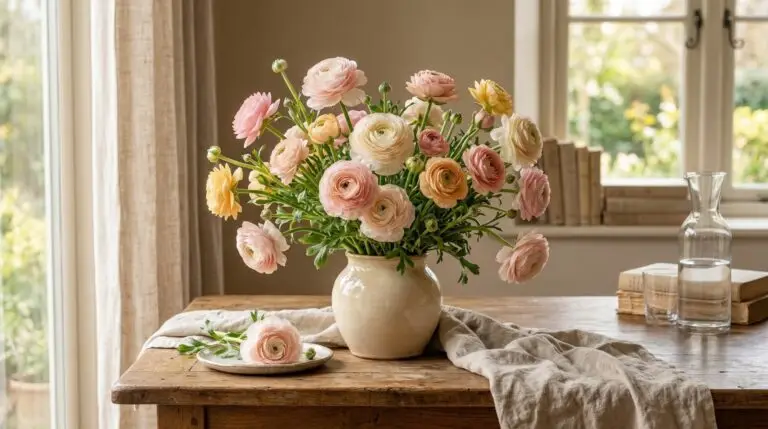
Designing with these blooms offers a masterclass in texture and form, especially when paired with other seasonal favorites. They share a natural affinity with the delicate, dark-centered Anemone, which often blooms in the exact same weather window and requires similar growing conditions. While anemones provide a stark, graphic contrast with their prominent dark centers, ranunculus supply the necessary visual bulk and softness to complete the arrangement. Many florists treat them with the same reverence usually reserved for the Rose, using them as the primary focal flower in complex designs. The heavily petaled varieties, particularly the Italian clones, mimic the classic garden rose shape but bring a distinctively different, almost papery texture to the mix. The strong, unbending stems make them exceptionally easy to arrange, allowing designers to place them precisely where they want the eye to rest in a mixed vase.
The commercial reality of these flowers is that a farmer can dedicate entire high tunnels to their cultivation and still sell out by the middle of May. They fill a specific agricultural and aesthetic void, blooming profusely just as the early spring bulbs finish and long before the summer crops begin to produce. The transition from cool weather crops to the heat-loving Dahlia leaves a gap in the cutting garden that ranunculus perfectly occupies. Florists rely heavily on this crop to satisfy the heavy spring wedding market, buying them by the hundreds to fill bridal bouquets and large installations.
The flower farmer’s spring staple
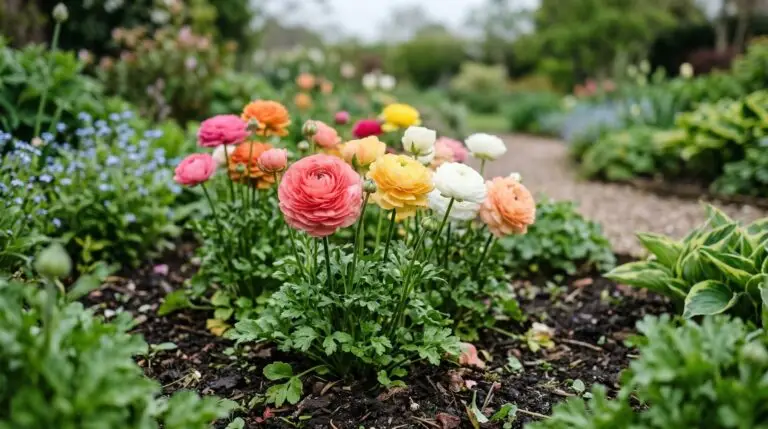
For the home gardener, incorporating these corms into a dedicated cutting space brings farm-quality blooms right to the back door. The process begins in the cool days of autumn or late winter, depending on the climate, by soaking the dried, claw-like corms until they plump up. Planting them in well-drained soil and protecting them from hard freezes sets the stage for a massive flush of spring growth. The plants remain low and leafy for months, building energy before sending up a succession of tall, straight stems topped with swelling buds. Harvesting them heavily actually encourages the plant to produce more flowers, making them a highly productive addition to the garden. A modest bed measuring just a few feet across can yield dozens of stems each week during their peak production period.
The season for these flowers is inherently brief, dictated entirely by the rising temperatures of late spring that signal the plants to go dormant. When the heat finally arrives, the foliage yellows and the flower production stops abruptly, leaving the farmer to dig the corms and wait for the next year. That fleeting availability makes the presence of a full vase on the table feel like a deliberate capture of spring itself. Watching the tight buds slowly unfurl their countless petals over a week provides a quiet daily rhythm to the house. The memory of those heavy, ruffled heads resting against the rim of a glass pitcher is exactly what prompts gardeners to plant twice as many corms the following fall.
More About Ranunculus
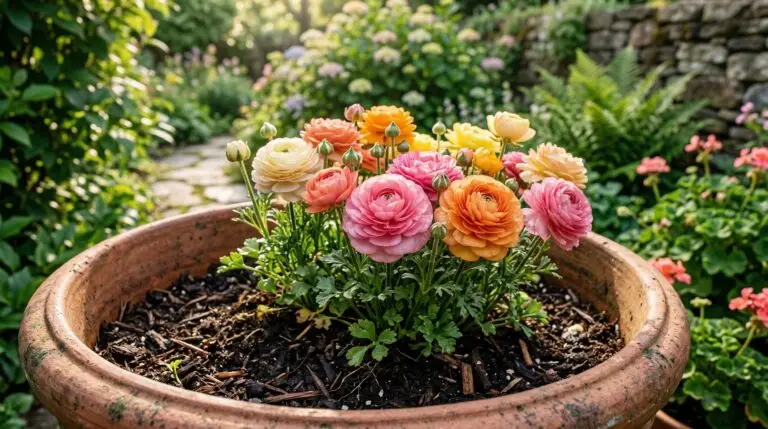
Growing ranunculus in containers for a spring flower show on patios and porches
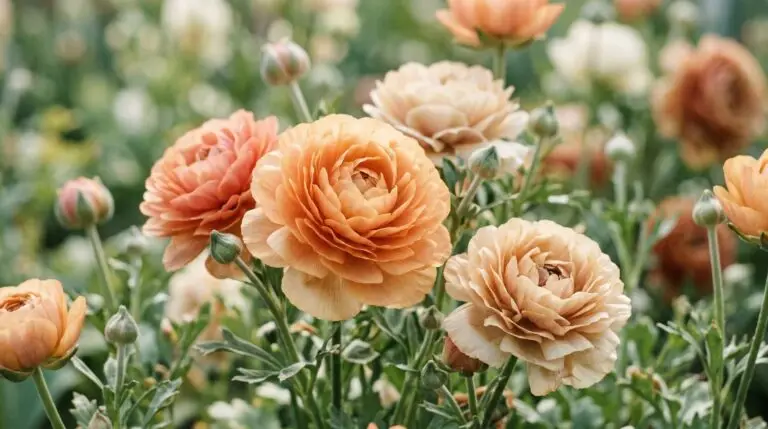
Ranunculus flower meaning and the radiance this buttercup-family bloom symbolizes
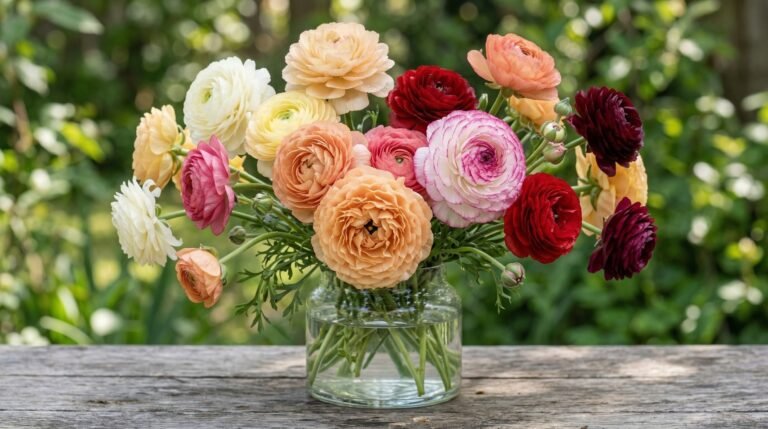
Best ranunculus varieties from classic Italian to ruffled Butterfly and Elegance types
Ranunculus versus garden roses and why these corm flowers compete with the queen of flowers
Ranunculus companion plants: what to grow, and what to avoid
Why ranunculus melts in summer heat and the fall-to-spring growing trick for warm climates
Ranunculus in wedding bouquets for lush romantic alternatives to peonies and roses
Enjoying our flower guides? Add YourFlowersGuide as a preferred source on Google. It helps more readers find us.
Add to Preferred Sources