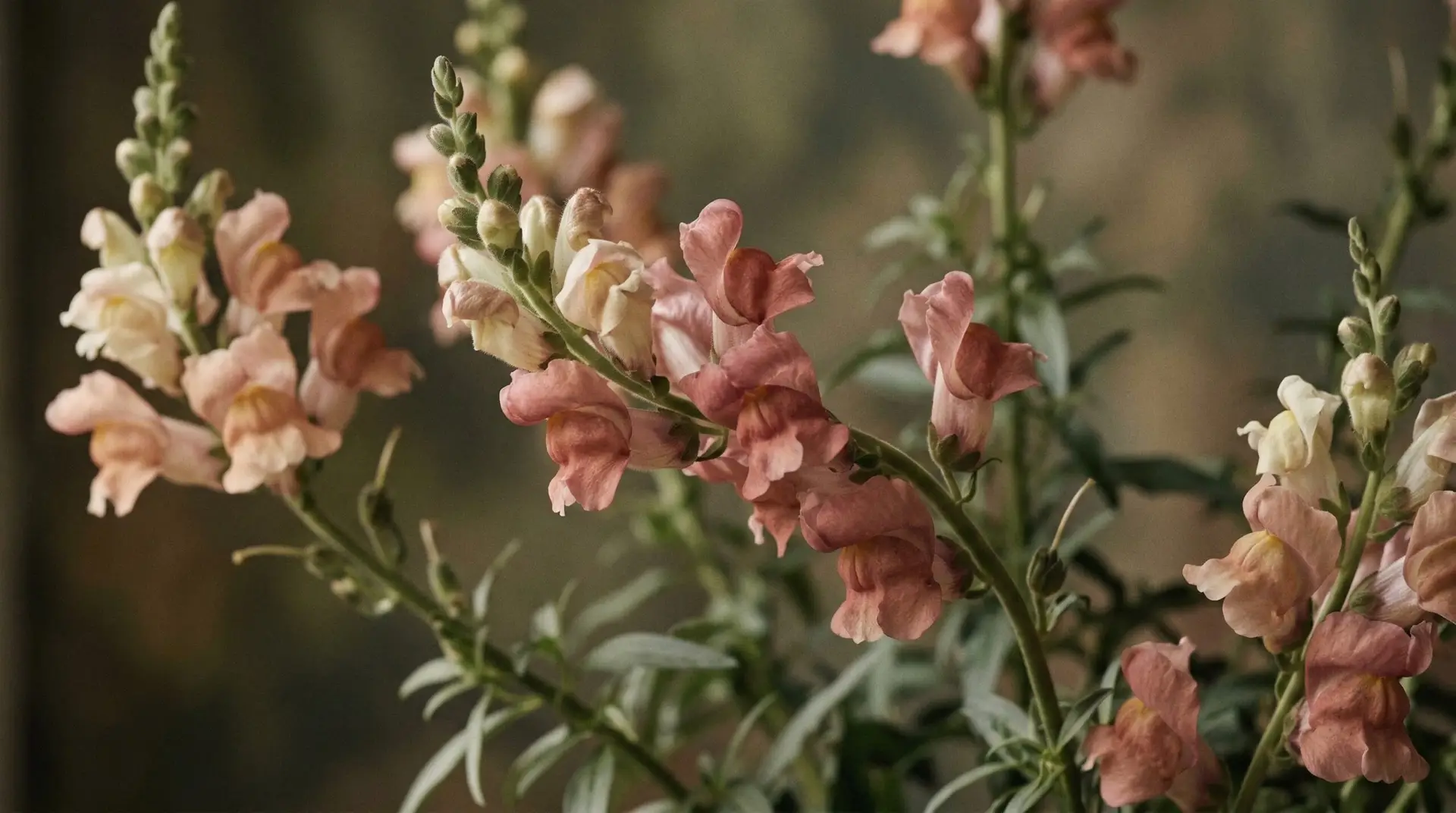
Long before a gardener learns the Latin name Antirrhinum majus, they usually learn the magic of the dragon’s mouth. A grandmother or a patient neighbor pinches the sides of the bright blossom, causing the jaws to snap open and shut. This simple mechanical trick captivates children. It turns a quiet plant into an interactive creature right in the middle of the garden bed. The soft hinge of the petals gives way under light pressure, revealing the fuzzy yellow throat hidden inside the bloom. When the pressure is released, the mouth snaps shut again, guarding its pollen from all but the heaviest and most determined bumblebees. Smaller insects must seek their nectar elsewhere. This playful interaction forms the earliest foundation of snapdragon meaning for most people who grow up near a garden, making the plant a living toy rather than just another static bloom waiting to be cut.
Contents 4 sections
A history of protection and folklore
The story of the snapdragon begins in the rocky soils of the Mediterranean region, where the sun beats down on dry, unforgiving earth. Ancient people noticed how the plant thrived in harsh conditions, pushing its way through cracks in stone walls and ruined foundations. Because it possessed this stubborn will to live, early gardeners attributed magical properties to the tall spikes of flowers. Pliny the Elder wrote about the plant in ancient Rome. He recorded the belief that rubbing the flowers on one’s body would bring social popularity and charm. As the seeds traveled across Europe in the pockets of merchants and monks, the folklore shifted from personal charm to physical protection. People planted snapdragons near their doorways and garden gates to ward off witchcraft and unwanted spirits. A house surrounded by these snapping blooms was considered safe from unseen harm, wrapped in a boundary of living color that held back the darkness of the unknown.
The complex language of deception
When the nineteenth century arrived, the protective folklore of the past gave way to the strict social codes of the Victorian era. The snapdragon flower language developed a complicated, dual nature during this time of rigid etiquette and secret messages. On one hand, the flower meant presumption and deception. This darker meaning likely grew from the hidden throat concealed behind the tightly closed petals. A suitor might slip a snapdragon into a bouquet to suggest that the recipient was hiding their true feelings or acting coy in public.
The flower offered a way to send a slightly dangerous, accusatory message without speaking a single word out loud. Yet, the snapdragon symbolism also carried the meaning of a gracious lady, acknowledging the elegant, towering spikes of the plant as they swayed gently in the summer breeze. Giving someone a mixed arrangement containing a snapdragon and a classic garden rose created a highly specific message about hidden admiration and respectable grace. The sender relied entirely on the recipient to understand the subtle tension between the two meanings.
The meaning behind the colors
Beyond the general shape of the bloom, the specific colors of the petals add another layer of meaning to the garden bed. A bright yellow snapdragon brings thoughts of radiant smiles and good fortune, echoing the color of the sun that bakes its native Mediterranean soil. White blooms carry the traditional associations of purity and grace. They lean heavily into the gracious lady aspect of Victorian lore, offering a polite and gentle message to the recipient. When a gardener plants red snapdragons, they invite themes of passion and strong will into their yard, reflecting the fiery breath of the dragon namesake. Purple varieties have long been associated with spirituality and the mysteries of the unknown, tying back to the plant’s history as a protective charm against dark magic. Mixing these colors in a single border creates a chaotic but beautiful conversation between the different historical meanings. Watching the bees navigate this colorful riot provides endless entertainment during the longest days of the summer.
Skulls in the autumn garden
As summer heat fades into the crisp air of autumn, the snapdragon reveals its final and most dramatic secret to the observant gardener. The bright petals dry up and drop to the soil, leaving behind green seed pods that slowly turn a pale, papery brown in the autumn sun. As these pods dry, three small holes open at the top to release the tiny black seeds into the wind. The arrangement of these holes makes the dried pod look exactly like a miniature human skull hanging from the drying stalk. This startling visual transformation adds a layer of dark fascination to the plant’s history, completely altering its cheerful summer personality.
Gardeners walking through the fading autumn beds find themselves staring at dozens of tiny brown skulls rattling on their stems in the cold wind. The presence of these macabre little faces connects the snapdragon to other mysterious plants, like the tall foxglove, which also carry long histories of folklore and danger. The skull pods remind the observer that every garden is a place of constant transformation, where life and death sit closely together. The cheerful dragon of the spring ultimately becomes the quiet ghost of the autumn frost.
The quiet dropping of seeds marks the end of the snapdragon’s yearly cycle, but the story remains asleep in the cold soil. Winter snows bury the tiny black specks, pressing them into the earth until the ground thaws again in the warmth of spring. When the days lengthen, the seeds crack open and push new green shoots toward the light. This simple act begins the cycle of protection, deception, and play all over again. The modern gardener who plants these seeds participates in a tradition that stretches back to ancient stone walls and careful Victorian parlors. Tending to these plants requires nothing more than a patch of sun and a willingness to watch the seasons change the garden’s shape. Pinching the sides of the first spring blossom connects the present moment to centuries of human imagination and quiet observation. The garden becomes a place where dragons still open their mouths, waiting for a child’s hand to bring them to life.
More About Snapdragon

Companion plants for snapdragons: what to grow and avoid
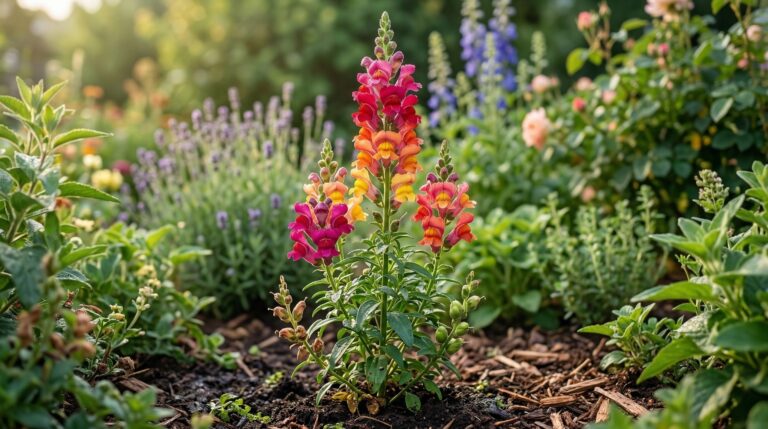
Snapdragons as cool-season cut flowers for spring bouquets when summer flowers are months away
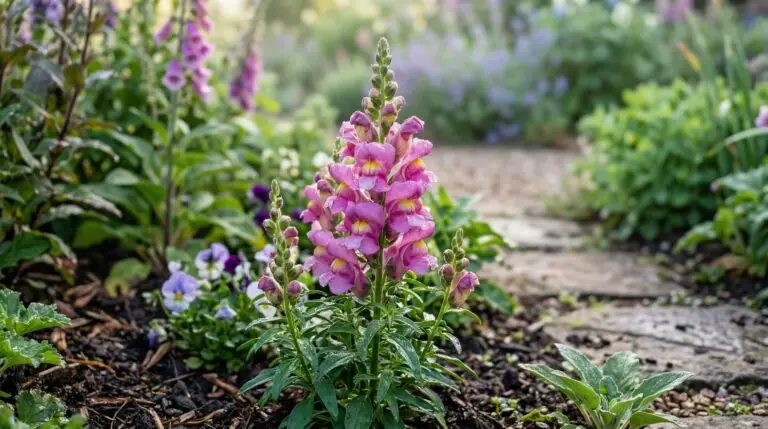
How to grow snapdragons for vertical spikes of color that bloom in cool weather
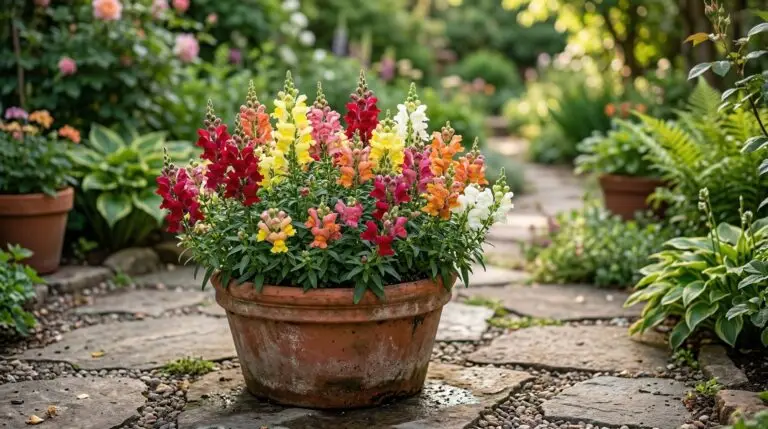
Snapdragons in containers and window boxes for vertical drama in small spaces
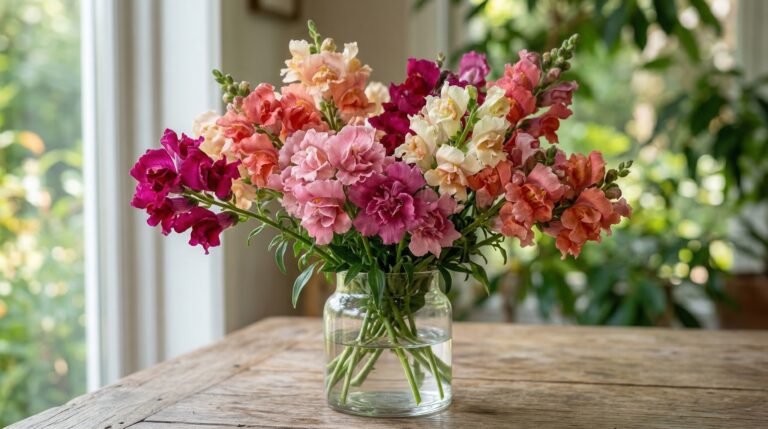
Madame Butterfly snapdragons the double-flowered variety that looks like miniature sweet peas
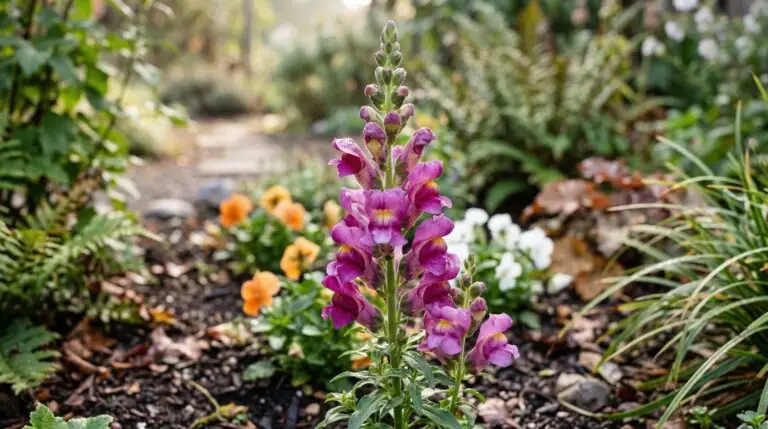
Why snapdragons die in summer heat and how to grow them as fall flowers instead
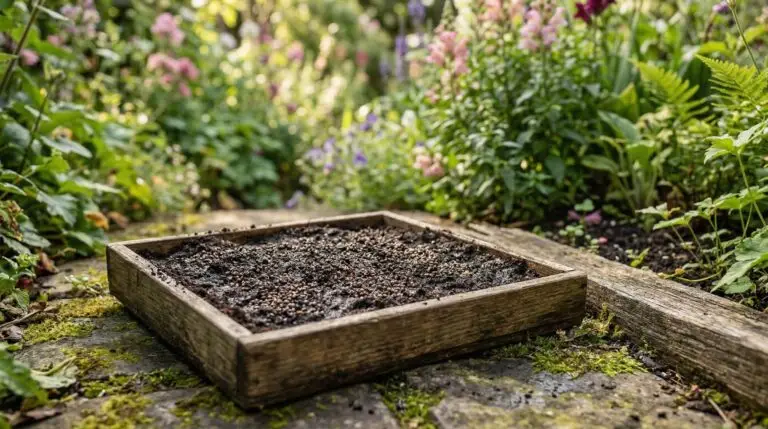
Growing snapdragons from seed and the tiny seeds that need light to germinate
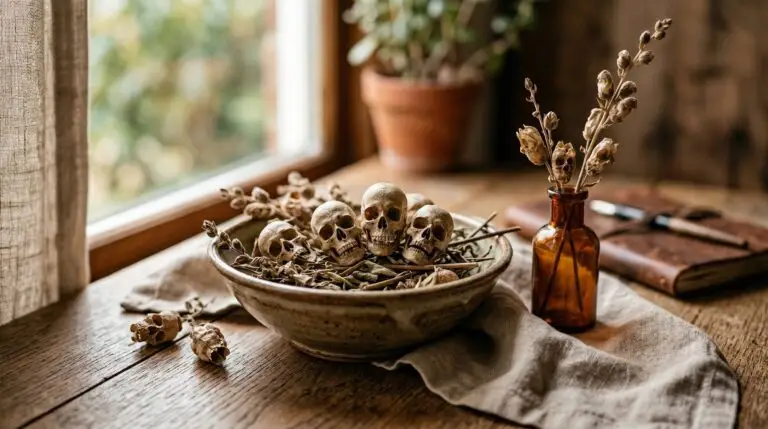
Snapdragon skull seed pods the creepy dried flower heads that fascinate the internet
Enjoying our flower guides? Add YourFlowersGuide as a preferred source on Google. It helps more readers find us.
Add to Preferred Sources