How to Grow and Care for Virginia Bluebells
Contents
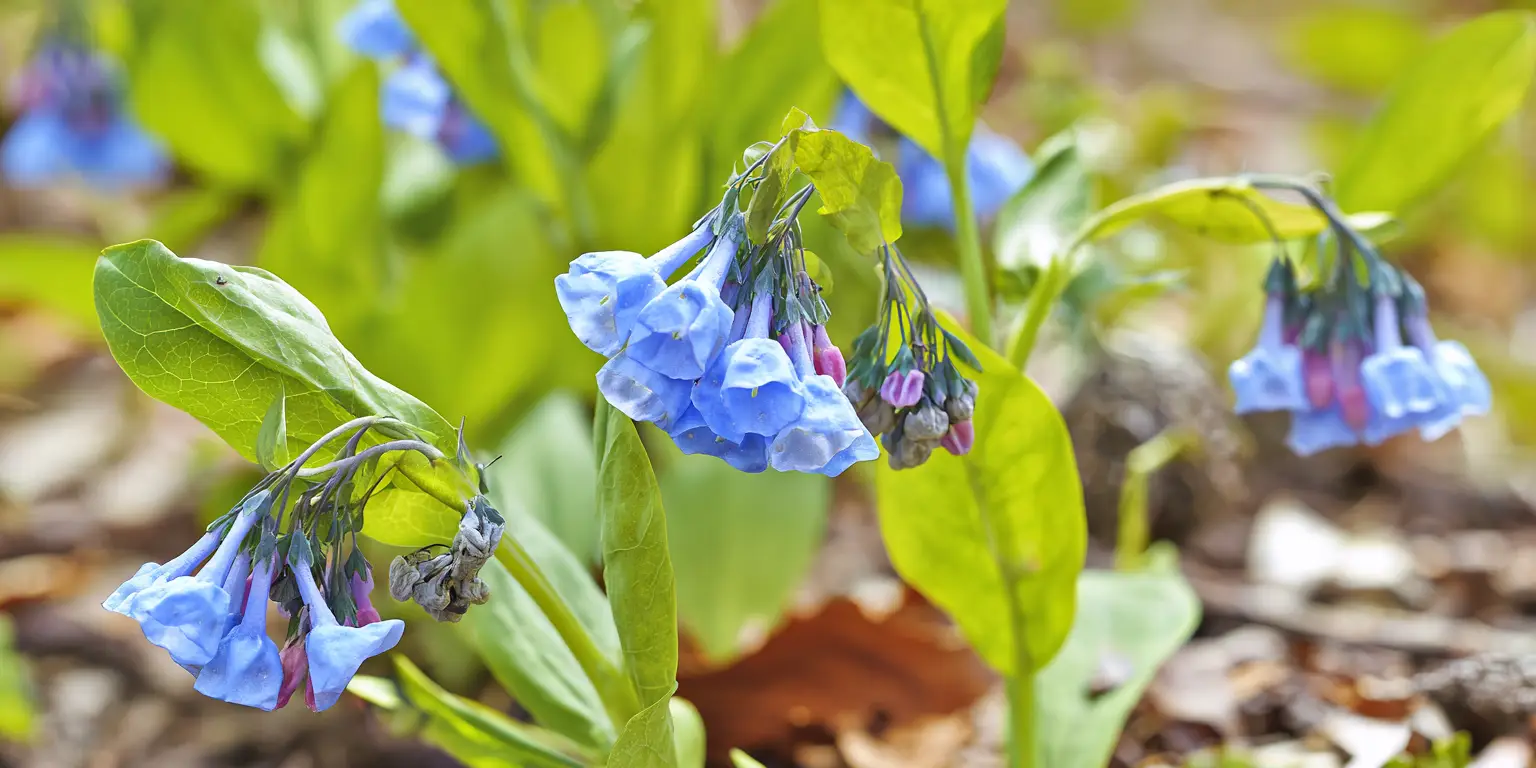
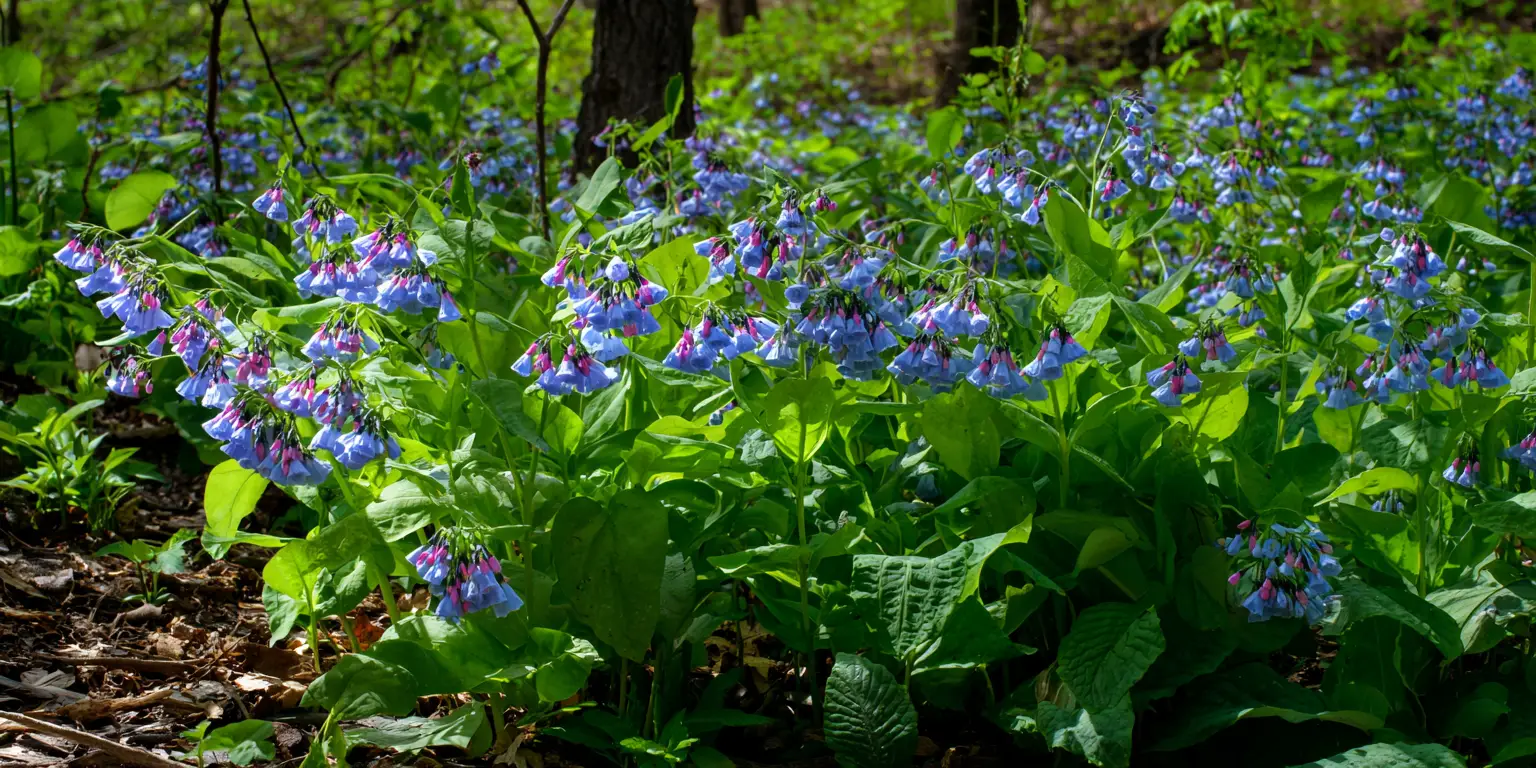
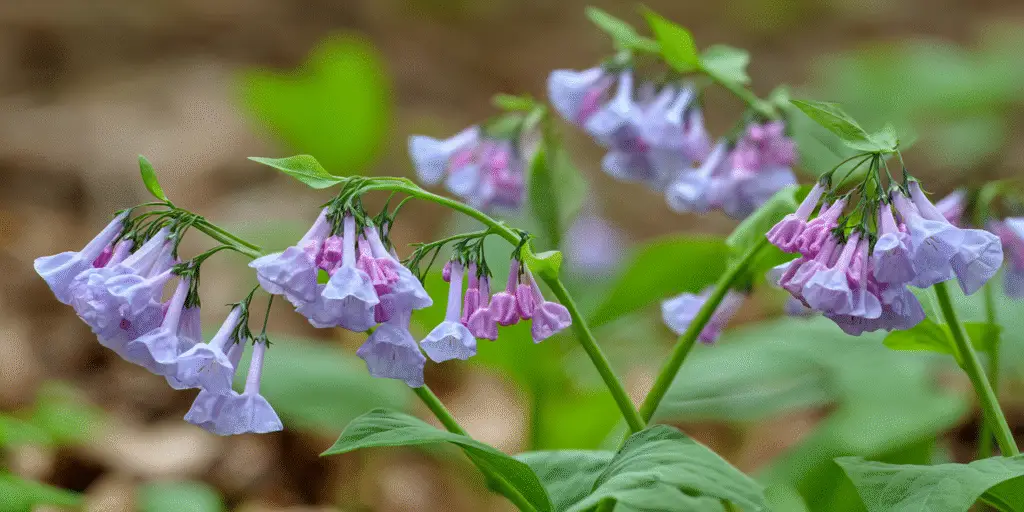
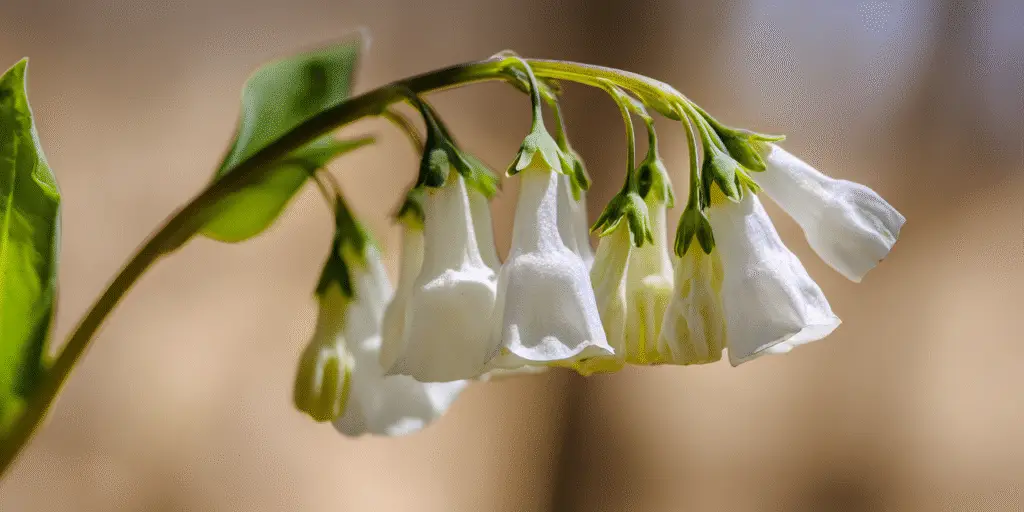
Virginia bluebells are classic spring ephemerals that light up woodland gardens with nodding, true‑blue bells. The accepted botanical name is Mertensia virginica in the borage family. Widely used common names include Virginia cowslip, eastern bluebells, and smooth lungwort. Plants emerge early, bloom once temperatures warm, then retreat underground by early summer, leaving space for later shade perennials to take over. In the garden they form clumps that slowly expand by short rhizomes and by self‑sown seed, creating dreamy drifts in moist woodland beds.
Hardiness overview and ideal light: Most U.S. gardeners grow Virginia bluebells in USDA Zones 3 to 8. They thrive where there is gentle morning sun in spring followed by dappled shade under leafed‑out trees. In northern zones they tolerate brighter spring exposure because deciduous canopies are bare. In warmer zones they need more shade and consistent moisture to keep the display long and the foliage healthy.
Snapshot for success: Choose a site with rich, humus‑laden soil that drains freely yet stays evenly moist in spring. Plant crowns level with the finished soil surface. Space plants 12 to 18 inches apart (30 to 45 centimeters) so clumps can knit together without crowding. Water during spring dry spells, mulch with shredded leaves, and let the colony seed in to fill gaps. Pair with later shade workhorses so when bluebells go dormant you still have coverage. If you are planning color themes across beds, remember that Virginia bluebells belong naturally among blue flowers and also play well with daffodils and tulips for classic spring contrast.
Soil & Bed Preparation
Soil texture and drainage: Aim for a loose, crumbly loam enriched with organic matter. The soil should hold moisture in April and May yet never pond. Heavy clay benefits from generous leaf mold and compost to improve pore space. Sandy sites need more organic matter to retain moisture. Virginia bluebells resent waterlogged soil in spring and hard‑dry soil in late spring. If your site lacks natural humus, incorporate 2 to 3 inches of finished compost into the top 8 to 10 inches of soil before planting. In regions with deicing salt spray or saline irrigation, keep beds well away from driveways and sidewalks since Virginia bluebells have low salt tolerance.
Raised beds vs in‑ground: In‑ground woodland beds are ideal because they buffer moisture swings and temperature. Raised beds warm and dry faster, which can shorten bloom in warm springs. If you must use raised beds, make them deep, irrigate during spring dry spells, and shade the southern exposure with shrubs or a fence to reduce reflected heat.
Root system notes: Mertensia virginica grows from short rhizomes and develops a long, somewhat brittle taproot. The root system prefers well‑aerated soil with steady spring moisture. Avoid repeatedly disturbing established clumps, since the taproot does not appreciate transplanting once mature.
Drainage Test and pH Targets:
Perform a simple percolation test before planting. Dig a hole 12 inches deep and 12 inches wide. Fill with water and let it drain. Refill and time the drop in the second fill. If water falls 1 to 2 inches per hour, drainage is near ideal. If it drains faster than 2 inches per hour, add more organic matter to increase water‑holding. If slower than 1 inch per hour, loosen subsoil with a digging fork and amend with leaf mold, composted bark, and small pine fines to create macropores. For pH, a slightly acidic to neutral range works well, about 6.0 to 7.2. Many gardens naturally fall near neutral under deciduous trees. If a reputable soil test shows pH below 6.0, add finely ground limestone according to the lab recommendation. If pH is above 7.5, work in elemental sulfur per lab guidance and feed beds with leaf mold to gently nudge pH downward over time.
Planting Calendar by USDA Zone
Zones 3 to 4: Plant bare‑root crowns and divisions from early September to early October, or in early spring once soil is workable from late April to early May. Container plants can go in from spring through early summer, then again in early fall. Spring planting is safest in exposed locations because roots establish as soils warm.
Zones 5 to 6: Plant bare‑root crowns in mid‑October to mid‑November, or in early spring from late March to mid‑April. Container plants settle well in April and May or in October when nights cool. Avoid peak summer planting, since heat can shorten bloom and stress roots.
Zones 7 to 8: Favor fall and winter planting windows. Set bare‑root crowns from November to December, or tuck container plants in from November to February when soils are cool and moist. If you plant in early spring, complete the job by March so roots can establish before heat arrives. Provide extra afternoon shade and mulch to buffer temperature swings.
Regional caveats:
Hot and humid coastal South gardeners should plant only in the coolest months and select deep shade with humus‑rich, evenly moist soil. Arid interior West sites are challenging for Mertensia virginica because spring rains are brief. Success improves under irrigated shade with thick organic mulch and wind protection. High‑elevation sites can plant later in spring after frost leaves the ground; the cool, moist season often suits bluebells well.
Planting: Depth & Spacing
Bulbs or Tubers: This species does not grow from true bulbs or tubers. If you receive dormant pieces sold as “rhizomes,” treat them as bare‑root crowns and follow the next method.
Bare‑Root or Divisions: Set the crown level with the finished soil surface. Cover rhizome sections lightly so growth eyes are just below the soil, no deeper than 0.5 inch (1.3 centimeters). Firm the soil gently to remove air pockets, then water to settle. Space plants 12 to 18 inches apart (30 to 45 centimeters). Where you want a quick drift, plant on 12‑inch centers and thin later as clumps expand. To reduce transplant shock, plant when cool weather returns, keep roots shaded during handling, and water with a gentle stream. Label the spot so you do not dig into dormant crowns later in summer.
Container‑Grown: Plant at the same depth as in the nursery pot. Tease circling roots very lightly; do not break the central taproot. Water the rootball thoroughly before planting, set into a hole twice as wide as the pot, backfill with native soil enriched with leaf mold, and water again to settle. Shade new plantings for several days if a warm spell hits. In windy exposures, use temporary shade cloth or a lattice screen so foliage does not desiccate during bloom.
Watering & Mulching
Establishment vs mature plants: In spring, aim for evenly moist soil to a depth of 6 to 8 inches. If rainfall is scarce, water deeply once per week so the root zone wets thoroughly. A slow soak with a sprinkler, soaker hose, or watering wand is best. Established clumps need supplemental water only during extended spring droughts. Once plants go dormant in early summer, irrigation is usually unnecessary except in unusually dry woodland beds where tree roots compete heavily.
Mulch type and thickness: Apply 2 to 3 inches of shredded leaves, leaf mold, or fine shredded bark around, not over, crowns. Keep mulch 2 to 3 inches away from stems and crown tissue to prevent rot. Leaf‑based mulches mimic a forest floor, feed soil life, and help regulate temperature and moisture. In very cold regions, a late fall top‑up helps buffer freeze–thaw cycles. In warm regions, a spring refresh moderates heat.
Heat spikes and drought management: A short warm spell in April can speed bloom. When a prolonged heat wave is forecast, water the bed the evening before heat arrives so roots start the day hydrated. Provide temporary afternoon shade using a lightweight fabric on a simple frame. Avoid frequent, shallow sprinkles which encourage surface roots and fungus. In coastal areas with salt spray or near salted sidewalks, protect beds from salt splash and do not irrigate with softened household water that contains sodium.
Preventing crown or root rot: Good drainage plus smart mulching are your allies. Do not bury crowns. Avoid compacting wet soil. Keep thick mulch from touching stems. Water only when the root zone begins to dry in spring.
Feeding
In fertile woodland soil, Virginia bluebells rarely need fertilizer. Focus on building organic matter to about 5 percent through annual leaf mold or compost additions. Many gardeners find that a spring top‑dressing of compost supplies all the nutrition these plants require.
When to feed if a soil test shows deficiencies: If a lab test indicates low nutrients, use a modest rate of a complete, low‑analysis fertilizer in early spring as shoots emerge. An example is 5‑10‑5 or 10‑10‑10, applied lightly at label rates across the entire bed. For established perennial beds, many state extension guidelines consider about 1 pound of a complete fertilizer per 100 square feet in early spring adequate for most perennials when no compost is used. Always follow your soil test and the product label. Excess fertilizer can lead to lush, weak growth and shorter bloom.
Slow‑release and organic options: Slow‑release granules or balanced organic blends work well because they meter nutrients as soils warm. Scratch them lightly into the top inch of soil, water to activate, and top with leaf mulch. If your soil already tests high in phosphorus, skip P‑heavy products and rely on compost with a light dose of nitrogen to avoid buildup.
When to skip fertilizer: If the bed receives fresh leaf mold or compost annually and plants bloom well, do not feed. Spring ephemerals typically resent heavy nutrition. Retest soil every 2 to 3 years if you are amending beds regularly, and adjust based on results.
Pruning & Support
Seasonal cleanups: Minimal pruning is needed. After bloom, allow foliage to photosynthesize until it yellows. Then remove spent stems at ground level and compost them if healthy. Leaving seed heads in place encourages self‑sowing that thickens your drift. Mark dormant clumps so you do not disturb crowns while planting summer fillers.
Deadheading specifics: Deadheading is optional. If you want plants to spread by seed, leave the faded clusters until seeds drop in early summer. If you prefer tighter clumps that expand slowly by rhizomes, clip spent stems once flowers fade.
Structural support: Plants grow 12 to 24 inches tall and seldom need staking. In unusually windy sites or where spring downpours flatten soft stems, a low peony ring installed early can help support the display without being visible.
Tool hygiene: Keep pruners clean to limit disease spread. Wipe blades with 70 percent isopropyl alcohol between beds, and again before storing tools.
Overwintering
Mulch strategy in cold regions: After several hard freezes, spread 2 to 3 inches of shredded leaves over the bed to buffer freeze–thaw cycles that can heave crowns. Pull mulch back in early spring as shoots appear. If voles are an issue, avoid thick piles over crowns and keep mulch slightly thinner right around clumps.
Warm‑winter regions: Where winters are mild, keep beds evenly mulched year‑round to regulate moisture and temperature. In Zone 8 gardens, select the shadiest sites, water during winter dry spells, and refresh mulch lightly each spring.
Rodent protection: If rodents disturb crowns, lay a sheet of half‑inch hardware cloth on the soil surface before mulching, cutting small holes for emerging shoots. This discourages digging without harming plants.
Container plants: Overwinter pots in a sheltered, unheated garage or against a north wall where temperatures stay cold but not deeply frozen. Water sparingly so the mix does not go bone dry, and return pots outdoors as nights warm in spring.
Growing Environments
Container feasibility and size: You can grow Virginia bluebells in containers, although beds are easier. Use a pot at least 10 to 12 inches deep and 12 inches wide, about 2 to 3 gallons in volume. Choose a potting mix with composted bark and peat or coir for moisture holding, plus perlite for drainage. Ensure excellent drainage holes, and set pots where they receive bright spring light but shade as days warm. Expect the container to look empty in summer once plants go dormant; tuck in shallow‑rooted annuals later if you want cover.
Drainage and mix: A high‑quality soilless mix amended with a handful of leaf mold or fine compost balances air and moisture. Avoid garden soil in pots, since it compacts and drains poorly. Water containers when the top inch of mix is dry during spring growth; avoid waterlogging.
Microclimate tips: Position beds or pots where morning sun reaches early in the season and shade returns by afternoon. Shelter plantings from drying wind. Keep them away from south‑facing walls that radiate heat. Under maples and oaks is ideal. Under black walnut trees, Virginia bluebells are a good choice because they tolerate juglone and do not appear bothered by walnut leaf litter.
Companion Planting & Design
Hide the die‑back: Because Virginia bluebells vanish by early summer, plan for overlap. Surround clumps with ferns, hostas, Solomon’s seal (Polygonatum biflorum), foamflower (Tiarella cordifolia), wild ginger (Asarum canadense), and hardy heucheras. These perennials rise as bluebells fade and fill the space without smothering crowns.
Extend color through the season: Pair the blue bells with early bulbs such as daffodils and tulips so their strappy foliage frames the nodding flowers in April and May. Add later shade bloomers like astilbe and Japanese anemones at the back of the bed. If you are curating by palette, work them into beds already themed with pink, white flowers, or broader galleries of types of flowers to match the look across your site’s hub pages.
Pollinator value and spacing: Bluebells offer early nectar for bumble bees and long‑tongued bees. Keep spacing at 12 to 18 inches to allow air movement that helps foliage dry after rain. In narrow side‑yard beds, plant in staggered rows for a naturalized swath that reads as one broad drift across spring. Where you need a soft edge along paths, curve the bed line so clumps can expand without being stepped on.
Pet safety and name confusion: Gardeners sometimes confuse Virginia bluebells with English and Spanish bluebells in the genus Hyacinthoides. Those European “bluebells” are different plants with very different chemistry and are considered toxic by authoritative botanic institutions. Use the correct botanical name when ordering to avoid mix‑ups. Supervise pets in the garden and contact a veterinarian if any plant is ingested.
References
- University of Wisconsin – Madison Division of Extension. “Virginia Bluebells, Mertensia virginica.”
- Penn State Extension. “Rain Garden Plants: Virginia Bluebells.”
- Clemson University Cooperative Extension HGIC. “Virginia Bluebells.”
- Missouri Botanical Garden Plant Finder. “Mertensia virginica.”
- NC State Extension Gardener Plant Toolbox. “Mertensia virginica.”
Written by: Your Flowers Guide editorial team
We are a small independent group of flower lovers who research and review each guide using trusted horticultural and educational sources. Learn more about us