How to Grow and Care: Hydrangea macrophylla
Contents
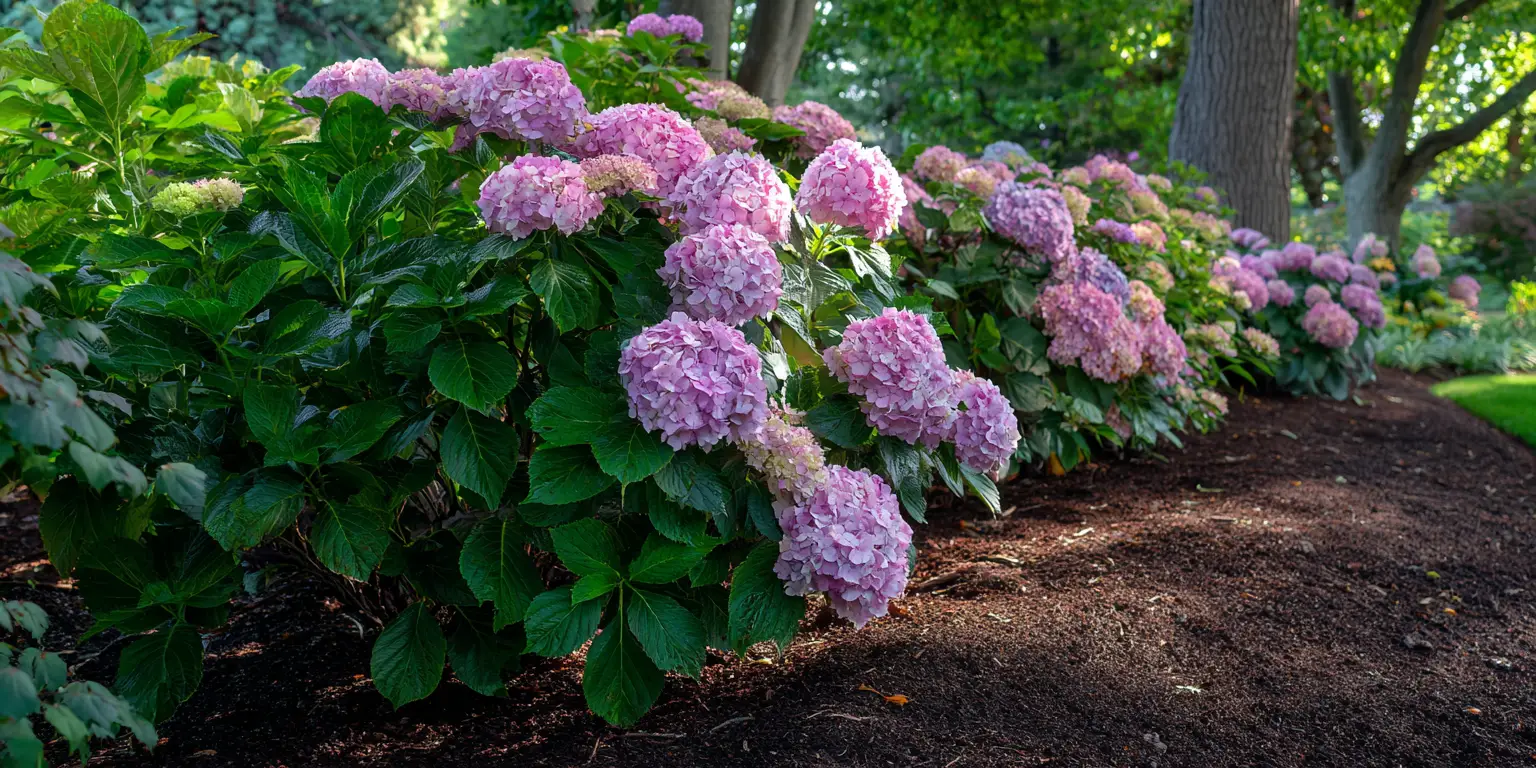
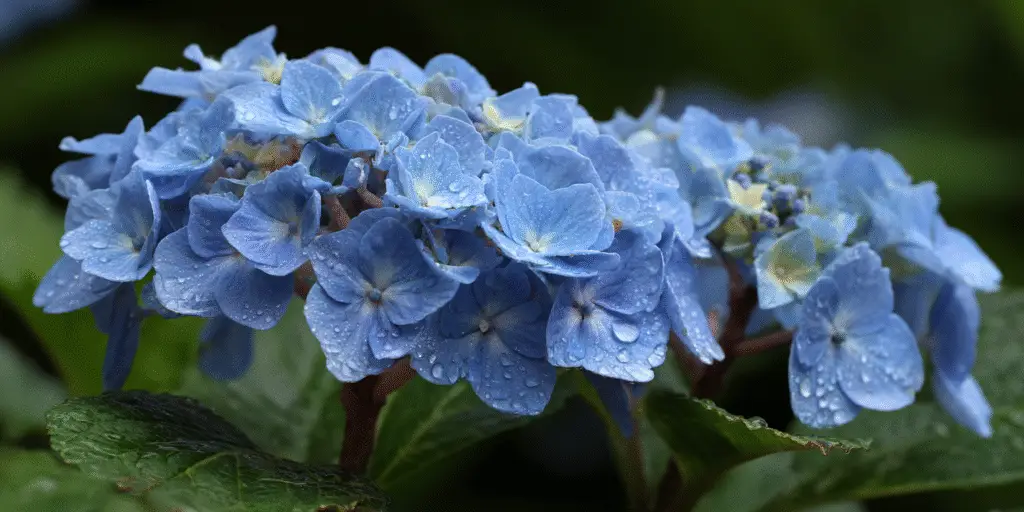
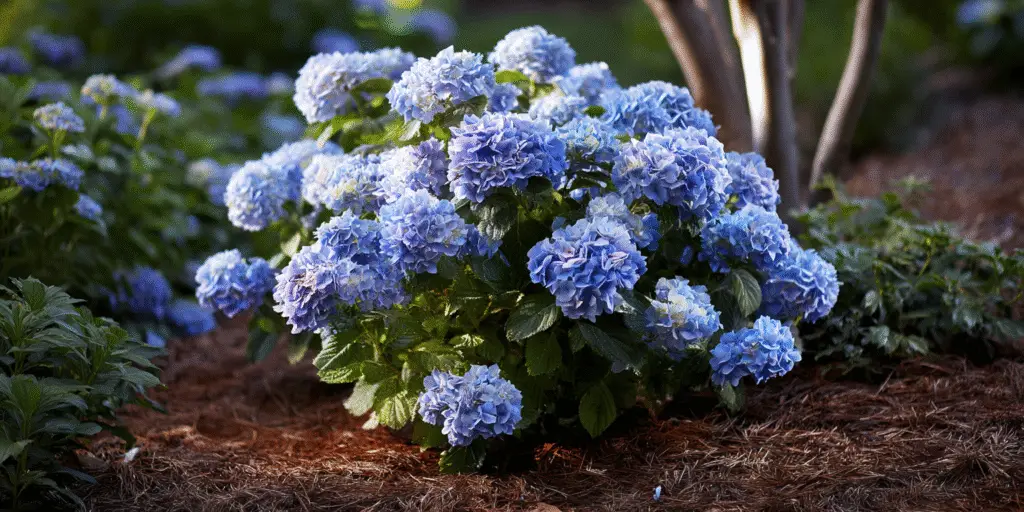
Hydrangea macrophylla is the bigleaf hydrangea, also called French hydrangea and, by flower form, mophead or lacecap hydrangea. This deciduous shrub is prized for large summer blooms that shift color with soil chemistry. In most regions it is best as a part shade foundation plant that fills the gap between spring bulbs and late summer perennials. Hydrangea macrophylla care focuses on even soil moisture, protection for tender flower buds, and periodic pH checks to manage bloom color. When sited in bright morning sun with dappled afternoon shade and planted in fertile, well drained soil, this shrub rewards home gardeners with reliable foliage and showy flowers for many years.
Bigleaf hydrangea is generally hardy in USDA Zones 6 to 9, with flower buds often more tender than stems. In Zone 5, plants can survive with careful siting and winter protection, though flower bud loss after cold snaps is common. Aim for four to six hours of morning sun and high bright shade in the afternoon. In cool coastal climates and in the Pacific Northwest, plants tolerate more direct sun. In hot and humid summers, midday shade prevents leaf scorch and reduces stress during heat waves.
Choose a wind protected site with morning sun and afternoon shade. Plant at the same depth as the nursery container in rich, moisture retentive but well drained soil. Water deeply during the first growing season, mulch two to three inches thick, and avoid heavy pruning except right after flowering. Monitor soil pH to influence color on pink and blue varieties, and protect buds during severe cold in winter.
Hydrangea leaves and flower buds contain compounds that can upset the stomach of pets if eaten. Keep pruned debris out of reach of cats and dogs and do not allow pets to chew stems. Wear gloves if your skin is sensitive and wash hands after pruning. Dispose of clippings with yard waste and avoid composting woody stems unless your compost reaches sustained high temperatures.
Soil & Bed Preparation
Hydrangea macrophylla thrives in a loamy garden soil rich in organic matter. The goal is a crumb structure that drains excess water yet holds enough moisture to keep roots cool and evenly supplied between irrigations. Before planting, loosen the top 12 inches of soil and blend in two to three inches of finished compost across the entire bed, not only in the hole. Avoid heavy additions of peat alone in clay since a peat pocket can hold water against the root ball. Do not till when soil is wet because that smears the sides of the planting hole and impedes drainage. Aim for a soil surface that settles gently rather than a cupped depression that collects water against the crown.
Hydrangeas prefer even moisture but dislike standing water around their crowns. If your site puddles after storms, build a wide, low berm or use a raised bed that lifts the root zone four to eight inches above grade. Raised beds warm and dry more quickly in spring, which is helpful for wet soils but they also dry faster in summer, so plan for more frequent irrigation in hot weather. In heavy clay, widen the planting hole two to three times the container diameter and leave the sides rough to encourage root penetration. Never plant deeper than the nursery soil line. In sandy soils, add composted bark or leaf mold to improve moisture holding capacity.
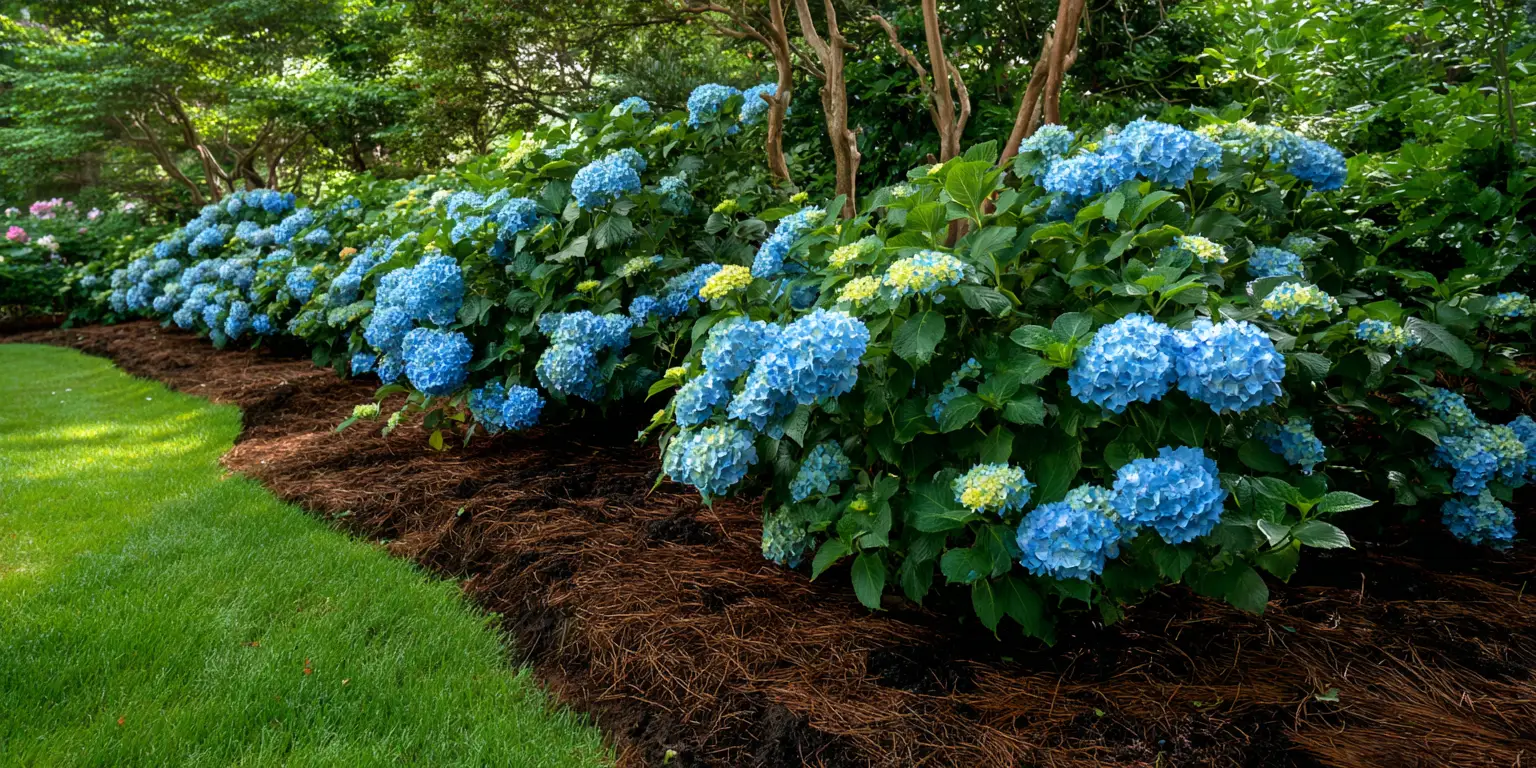
Test drainage by digging a hole about 12 inches deep and 12 inches wide, filling it with water, letting it drain, then refilling and timing the drop. Water that disappears within 12 to 24 hours indicates acceptable drainage. Slower drainage calls for soil amendment and possibly a raised planting area. For pH, use a lab soil test or a calibrated meter rather than guesswork. Blue flowers generally appear in acidic soils near pH 5.0 to 5.5 when aluminum is available. Pink flowers are favored in slightly acidic to neutral soils near pH 6.0 to 6.5 where aluminum is less available. White flowered cultivars remain white regardless of pH, though foliage health still benefits from a slightly acidic soil.
To lower pH gradually, apply elemental sulfur at the label rate and retest in three months. To raise pH, use finely ground garden lime and retest after a season. Make changes to the entire root zone rather than spot treating only the planting hole, and avoid repeated quick fixes. Aluminum sulfate can lower pH but should be used cautiously because high amounts can harm roots and soil life. For containers, use a peat and bark based potting mix that is naturally slightly acidic and allows precise control with low dose adjustments. Always water well after any pH amendment to move it into the root zone.
Planting Calendar by USDA Zone
Timing varies with climate and soil. In Zones 5 to 6, plant in late spring after the soil is workable and the danger of hard frost has passed, or in early fall with at least six to eight weeks before the ground freezes. In Zone 7, early spring and mid to late fall both work well, with fall preferred where summers are hot. In Zone 8, plant in fall through early winter so roots grow before heat arrives. In Zone 9, favor late fall to winter planting to avoid transplanting into heat. Wherever you garden, avoid planting during heat waves or in frozen ground.
Bare root hydrangeas are usually shipped for early spring planting while still dormant. Plant promptly when the soil can be worked. Container grown shrubs can be planted spring through fall, pausing during extended hot or dry periods. In hot humid regions, fall planting is the most forgiving because root growth accelerates in warm autumn soils while the canopy is not stressed by high temperatures. In arid and high elevation climates, choose spring or fall windows with mild temperatures and low wind. In coastal areas with wind and salt spray, plant in spring once soils are ready so roots can anchor before winter storms.
Where summer heat is intense, site bigleaf hydrangeas in morning sun with consistent afternoon shade and plan for extra irrigation during June to August. In the arid West, the air is dry and soils drain quickly, so mulch deeply, use drip irrigation, and shield plants from reflected heat. At higher elevations, late spring frosts can damage tender flower buds. Delay pruning decisions until after bud break, and consider temporary frost cloths on cold nights in April and May. If you garden where winter temperatures swing above and below freezing, stabilize the root zone with fall mulch to reduce freeze and thaw cycles.
Planting: Depth & Spacing
Most Hydrangea macrophylla are sold in containers. Water the plant thoroughly, then tip it out and loosen circling roots with your fingers or a hand fork. Set the root ball so the top is level with the surrounding soil and never deeper. Dig a hole two to three times wider than the container to make an inviting transition for new roots. Backfill with your native soil improved with compost rather than pure potting mix, then water to settle and top up if the soil settles low. Space plants based on the mature spread of the cultivar. Many grow three to five feet wide, while larger selections need six to eight feet. For a loose hedge, plant three to four feet apart and allow room for airflow on all sides.
If you receive a bare root hydrangea, soak the roots in clean water for about an hour before planting. Spread roots over a firm cone of soil in the hole so they point outward, then backfill and water thoroughly. For balled and burlapped plants, set the root ball at grade, remove any rope, cut away the top third of burlap and wire, and backfill with native soil. Make a low watering berm just beyond the root ball to hold irrigation during the first month, then level it once the plant is established. Water every few days during the first two weeks and adjust based on weather and soil type.
Lower stress by planting on a cool, calm day, watering deeply, and mulching immediately. If a plant was grown in a shaded greenhouse or has been sitting in deep shade at the nursery, acclimate it to its new light by giving temporary afternoon shade for ten to fourteen days. Pinch off a few flower buds on newly planted shrubs so energy goes to root growth. Do not fertilize at planting. Wait until you see new growth and then feed lightly if a soil test indicates a need. Keep the root zone evenly moist but not saturated, and avoid frequent shallow sprinklings that train roots to stay near the surface.
Watering & Mulching
During the first growing season, keep the root zone evenly moist. A practical target is about one inch of total water per week from rain and irrigation, more in sandy soils or during heat. Water slowly at the base early in the morning so foliage dries quickly. Hand held wands, drip lines, or soaker hoses work well. Midday wilting can be normal on bright hot days, but leaves should perk up by evening. If wilt persists at dusk, water deeply. Avoid standing water near the crown and never leave a saucer full of water beneath container plants.
Once established, bigleaf hydrangeas still need regular moisture. Deep watering once or twice a week is better than daily sprinkles. During heat spikes or dry winds, check soil with your fingers and water when the top two inches are dry. Increase the frequency for plants in raised beds and containers, which dry faster. If a prolonged drought sets in, reduce flower load by removing some buds so the plant can conserve energy. A light shade cloth on the hottest afternoons can prevent sunburn without permanently changing the planting site.
Mulch two to three inches thick over the root zone to moderate soil temperature, suppress weeds, and reduce evaporation. Shredded leaves, fine bark, or pine straw are dependable choices. Keep mulch a few inches away from the stems to prevent crown rot. If you have heavy clay, a thin layer of compost under the mulch improves the soil surface over time. Renew mulch in late spring after the soil warms. In cold climates, add a winter layer four to six inches thick in late fall to buffer freeze and thaw cycles, then pull it back in early spring.
Tap water with high dissolved salts or very alkaline pH can push soil pH upward over time. If your water is hard, monitor pH annually and make only small corrective adjustments. In coastal areas, salt spray can burn leaves, so plant a windbreak or use burlap wraps during storms. Avoid piling deicing salts near hydrangea beds and flush the soil with fresh water in spring if roadside spray is an issue. Rainwater collected in a clean barrel is an excellent option for containers and for gardens with very hard water.
Feeding
Base feeding on a soil test. Hydrangea macrophylla is not a heavy feeder, so many gardens need only a modest spring application. In early spring as buds swell, apply a slow release fertilizer around the drip line and water it in. If growth is pale or flowering is weak by midsummer, a light second feeding can help, provided soil moisture is consistent. Avoid late season fertilizer because tender new growth is more vulnerable to early frosts. Organic matter such as compost improves nutrient availability and soil life, so maintain a thin annual topdressing beneath the mulch.
Hydrangeas respond to balanced formulas with moderate nitrogen. Look for a product with similar nitrogen, phosphorus, and potassium numbers such as 10 10 10, or a slightly lower nitrogen ratio when flowering is the priority. Apply at the label rate for shrubs, then adjust downward if your soil is fertile. Liquid feeds act quickly for containers, while coated slow release granules suit beds because they meter nutrients with irrigation. Excess nitrogen favors leafy growth at the expense of blooms, so resist the urge to overfeed. Where soils are deficient in micronutrients, a complete product with iron and magnesium supports strong green leaves.
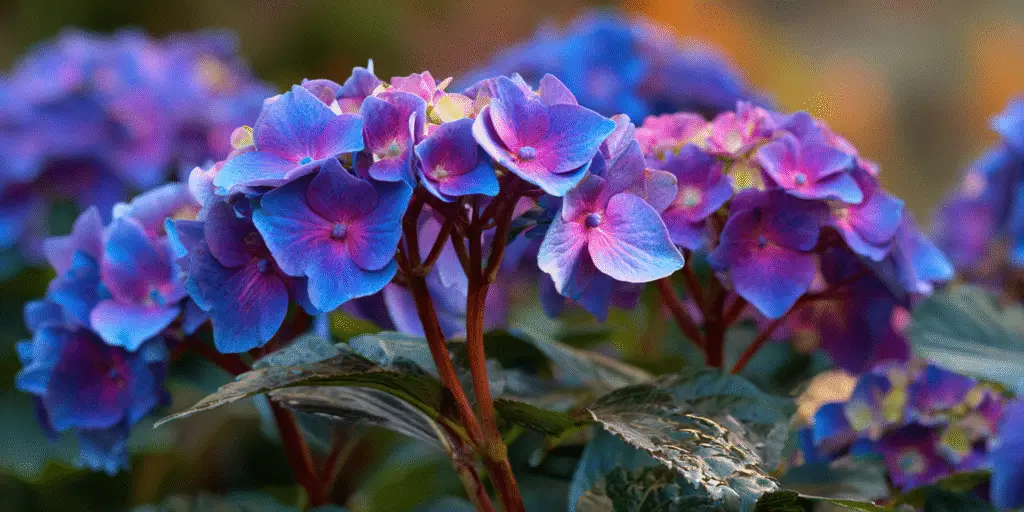
Flower color on pink and blue cultivars is influenced by pH and aluminum availability. To encourage blue tones, keep pH near 5.0 to 5.5 and avoid high phosphorus fertilizers that reduce aluminum uptake. To encourage pink tones, keep pH near 6.0 to 6.5 and limit aluminum. Make changes gradually and retest pH before repeat applications. White flowered selections are not affected by pH for bloom color, but their foliage health still reflects good nutrition and consistent moisture. Remember that genetics set the range of possible colors, and not every plant will shift dramatically.
Pruning & Support
Most Hydrangea macrophylla bloom on old wood, which means flower buds are formed on stems that grew the previous season. Heavy pruning in late winter removes the coming summer’s flowers. The safest routine is minimal. Right after flowering, remove spent stems down to a strong pair of outward facing buds and thin one or two of the oldest canes at ground level to stimulate new shoots. In spring, wait until leaf buds swell, then remove winter killed tips just above a healthy bud. Some modern reblooming selections can flower on both old and new wood, yet even those benefit from light touch pruning.
Deadheading promotes tidier plants. In late winter or very early spring, cut just below the old flower head to the first or second pair of strong buds. Keep pruning cuts clean and angled slightly away from buds. Disinfect pruners with at least seventy percent alcohol between plants and when moving from diseased tissue to healthy wood. Clean tools prevent spread of common hydrangea problems such as leaf spot and powdery mildew. Avoid shearing into a tight ball because that removes natural tiered framework where next year’s flower buds develop.
Large mophead flowers can bend stems after heavy rain. If flopping is persistent, thin the oldest canes to encourage stout new growth and avoid high nitrogen feeding. In exposed sites, a low peony ring or discreet stakes installed early in the season hold stems upright without drawing attention. Strategic pruning also helps by selecting a balanced framework of canes and discouraging an overload of blooms on thin shoots. Good spacing and airflow reduce disease pressure so leaves remain strong enough to support the display.
Overwintering
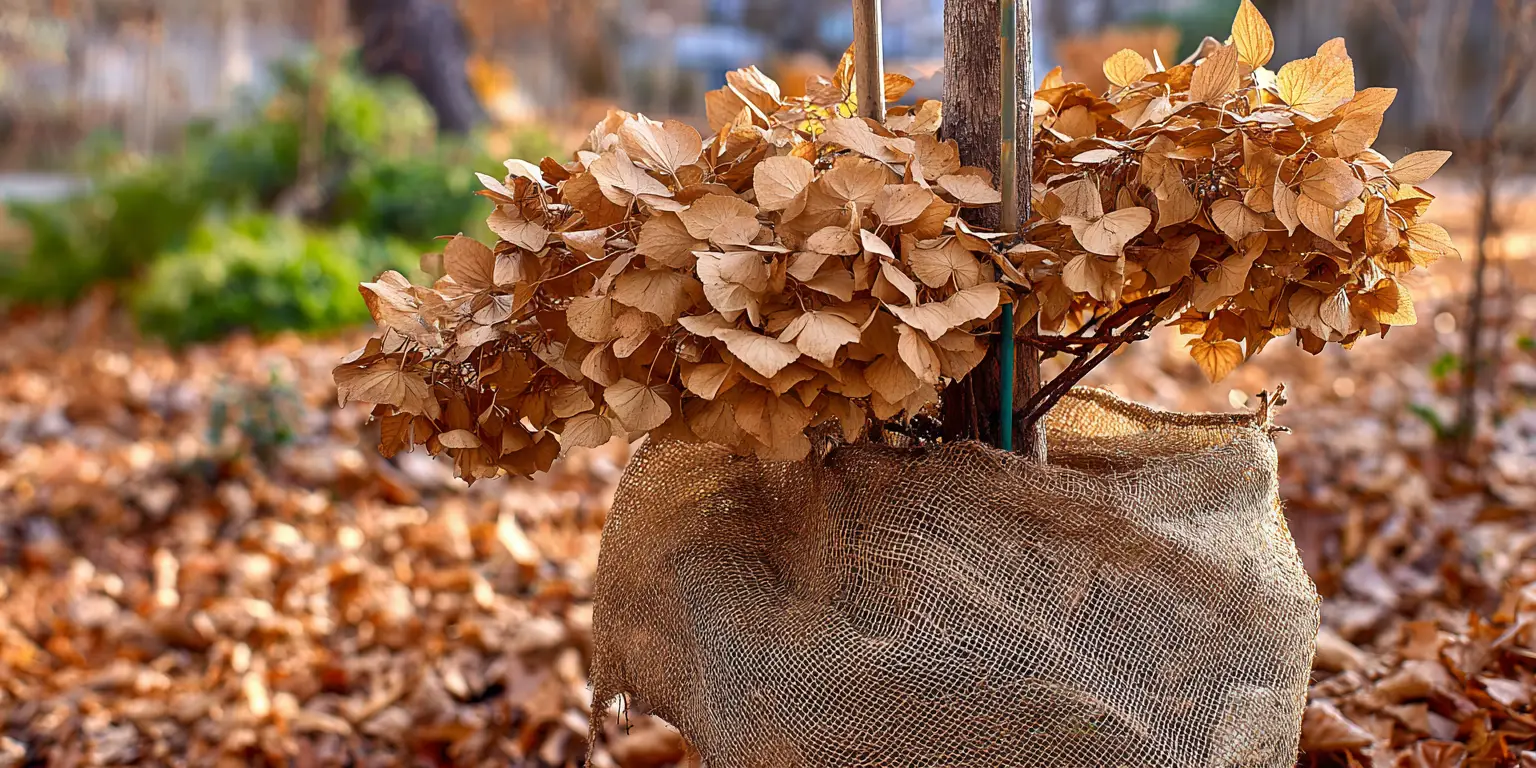
In Zones 6 and colder, protect buds and crowns from desiccating wind and wide temperature swings. After the ground cools in late fall, mulch four to six inches deep over the root zone. In very cold pockets, surround the plant with a simple cylinder of hardware cloth, fill it loosely with dry oak leaves, and cap it with breathable fabric. Do not cut stems to the ground in fall since that removes viable buds. In late winter and early spring, remove heavy coverings gradually as temperatures moderate, leaving the regular mulch in place to buffer freeze and thaw cycles.
Container grown bigleaf hydrangeas are more vulnerable to root injury because containers expose roots to air temperature. In cold regions, shift pots to an unheated garage or shed where temperatures stay roughly 30 to 45 degrees Fahrenheit (minus 1 to 7 degrees Celsius). Water sparingly, just enough to keep the root ball from drying out completely. In mild winter climates, group containers against a north or east wall out of wind and insulate the pots with burlap or bubble wrap under a decorative jacket. Resume regular watering as buds swell in spring, then repot or root prune if the plant is pot bound.
Voles and mice sometimes chew bark at the base of shrubs in winter. A cylinder of quarter inch hardware cloth set an inch into the soil protects stems from gnawing. Check the barrier each fall and remove it in spring so it does not constrict growth. When the danger of deep cold has passed, pull winter mulch back to two to three inches, clean out any matted leaves around the crown, and let air circulate. Delay major pruning decisions until new buds swell, then remove only what is clearly dead or damaged.
Growing Environments
Bigleaf hydrangea performs well in large containers if moisture and nutrition are steady. Choose a pot at least 16 to 20 inches wide and deep, which holds roughly 7 to 10 gallons of mix (26 to 38 liters). Larger cultivars are happier in 10 to 15 gallon containers long term. Use a peat and pine bark based potting mix with perlite for drainage, not garden soil. Ensure several drain holes and elevate the pot slightly on feet so water can escape. Fertilize at lower rates than in garden beds and water whenever the top inch of mix is dry. Repot or root prune every two to three years in early spring.
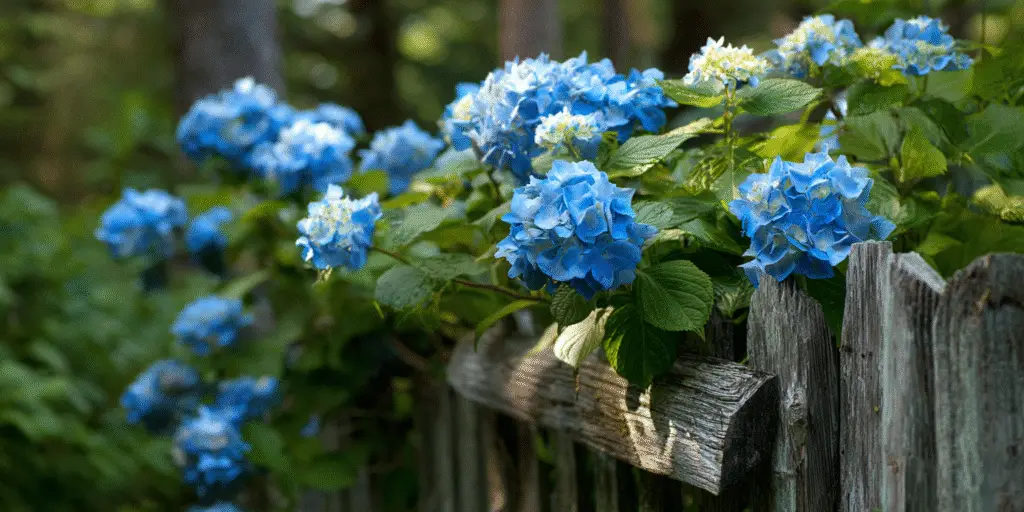
Place Hydrangea macrophylla where morning sun dries dew and afternoon shade protects blooms. East and north exposures are reliable. Avoid south facing walls and reflected heat from light colored paving that can scorch leaves. In windy areas, a fence or evergreen hedge provides shelter that reduces transpiration and protects flower buds in winter. On coastal sites, plant behind a windbreak and rinse foliage after severe salt spray events. In urban courtyards that trap heat, increase mulch thickness and water more frequently during hot spells to keep roots cool and hydrated.
Companion Planting & Design
Hydrangea macrophylla pairs beautifully with shade tolerant perennials and small shrubs that carry the garden before and after its summer show. Hostas, Japanese forest grass, epimedium, heuchera, and ferns supply layered foliage. Astilbe and foxglove provide vertical accents just as hydrangea comes into bloom. Early spring bulbs such as daffodils and tulips get sunlight before hydrangea leaf out, then their fading foliage is hidden by the expanding hydrangea canopy. For a seasonal transition, thread in late bloomers such as hardy begonias and toad lilies to keep color moving into fall.
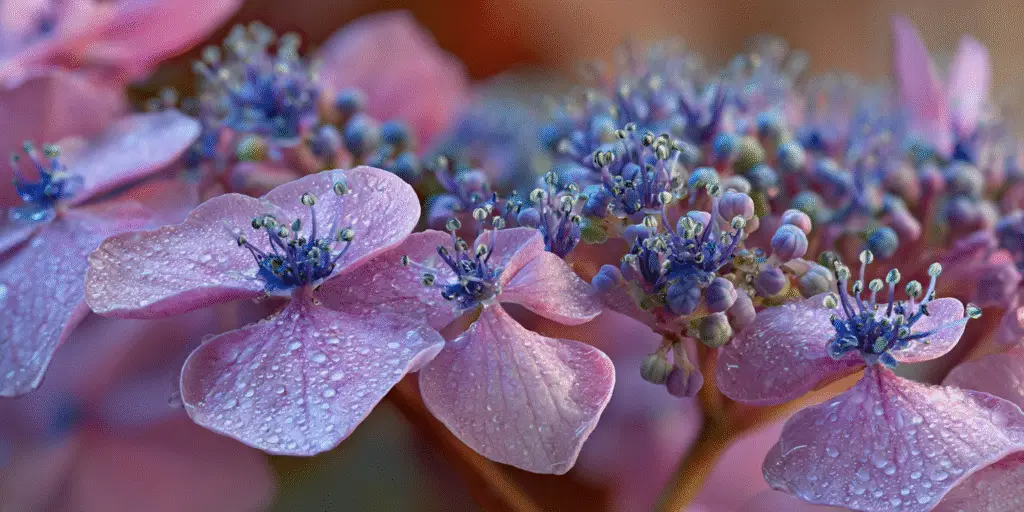
Lacecap forms of Hydrangea macrophylla offer shallow fertile florets that attract small pollinators. To build a richer habitat, interplant with salvias, monarda, and native phlox where sun allows. Space hydrangeas so mature leaves do not overlap heavily with neighbors. Good airflow reduces leaf spot and powdery mildew risk while still allowing a full layered look. When planting as a hedge, maintain a gentle curve rather than a straight line to mimic natural thickets and to leave pockets where air can move.
Hydrangea’s chameleon color invites playful design. In acidic beds that coax blue, echo the hue with companions featured on your blue flowers hub and cool it further with silver foliage. In slightly alkaline beds that favor pink, pick up tones with companions from pink flowers and white flowers collections. Where soil and genetics settle toward a rich violet, weave in accents inspired by purple flowers. For mixed borders, balance hydrangea’s bold heads with the fine textures of lilacs or the classic forms of roses. If you are building a foundation for broader planning, browse your types of flowers guide and wedding flowers guide for palettes and combinations that travel well from landscape to cutting garden. A dedicated page for hydrangea macrophylla on your site can serve as the anchor for care updates and cultivar notes as your garden matures.
References
- North Carolina State University Extension. Hydrangea macrophylla Plant Toolbox.
- Clemson University Cooperative Extension. HGIC Hydrangea Fact Sheet.
- University of Florida IFAS Extension. Gardening Solutions: Hydrangea.
- Oregon State University Landscape Plants. Hydrangea macrophylla.
Written by: Your Flowers Guide editorial team
We are a small independent group of flower lovers who research and review each guide using trusted horticultural and educational sources. Learn more about us