returns in
304
days
Bloom calendar
Let
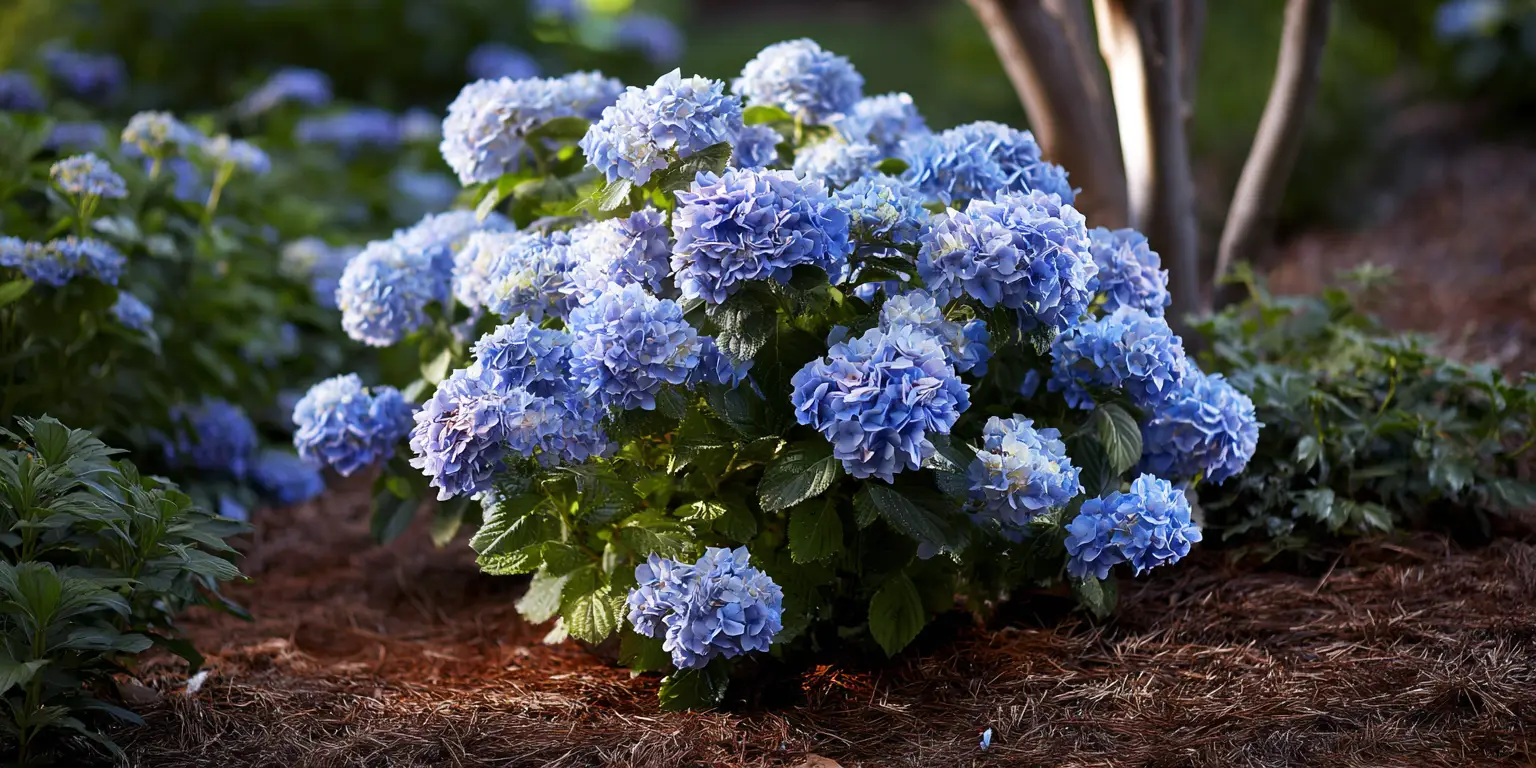
Bigleaf hydrangea, Mophead · Spring Meadow Nursery, 2015, USA
At‑a‑glance
- Group/Class: Bigleaf hydrangea, Mophead
- Height × spread: 3–4 ft (0.9–1.2 m) × 3–4 ft (0.9–1.2 m)
- Bloom window: mid summer to fall; reblooming
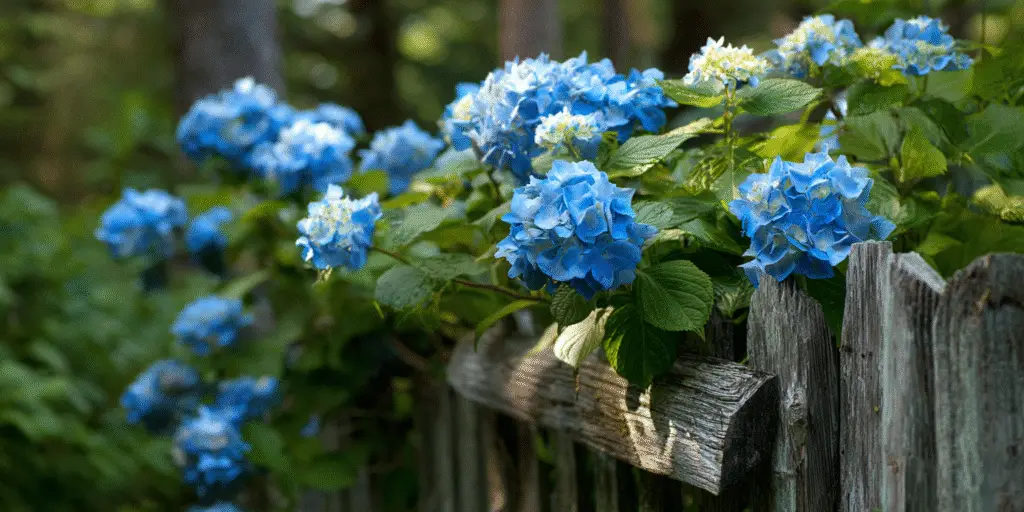
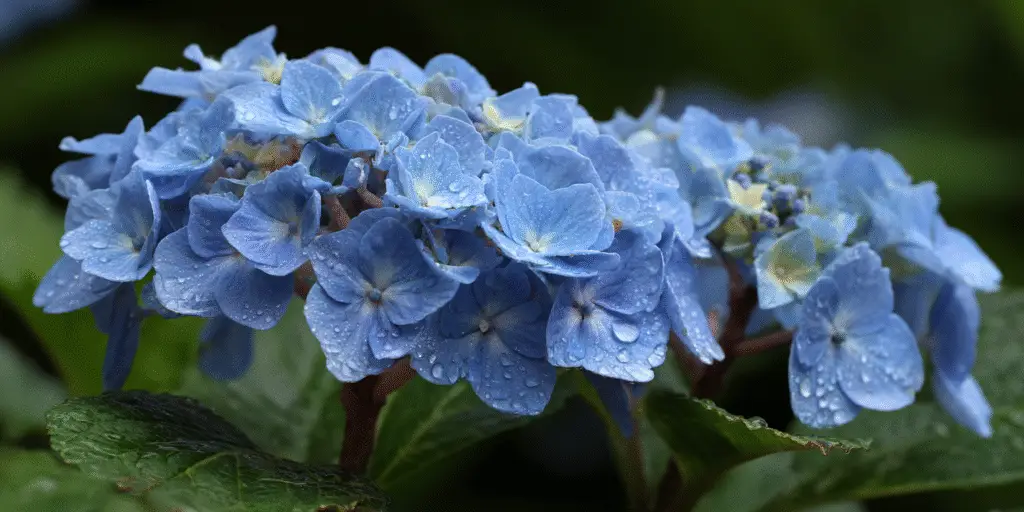
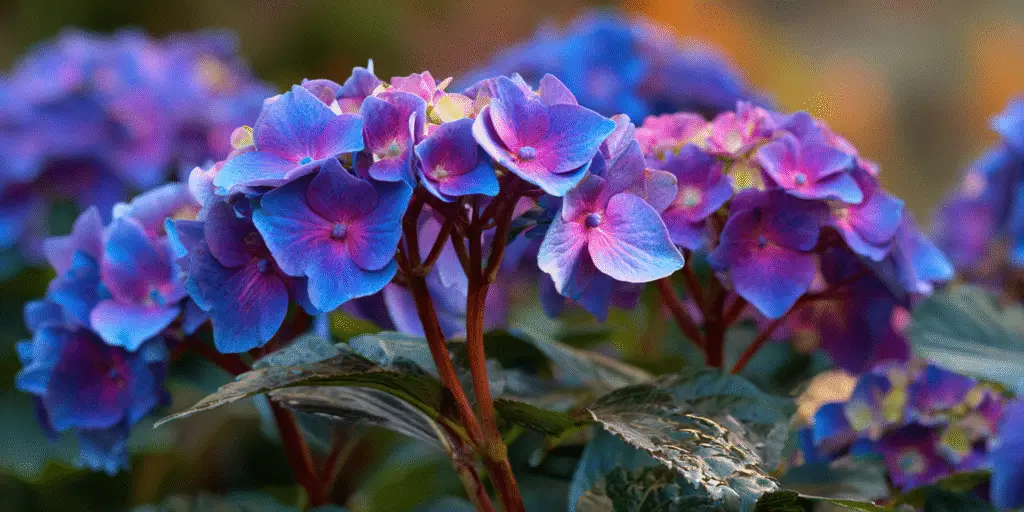
- Color & flower form: pink to deep blue mopheads; blocky florets
- Fragrance: 0 none
- USDA hardiness: zones 5–9
- Breeder / Year / Origin: Spring Meadow Nursery, 2015, USA
- Awards/registration: S. Plant Patent PP25,836; cultivar ‘SMHMES14’
- Cut‑flower notes: compact stems; conditioning essential; wilt‑prone if stems dry
- Pet safety: avoid
How it differs
- More compact than many bigleaf hydrangeas.
- Selected for better cold performance.
- Blues readily in acidic soils.
Strengths
- Compact habit for small spaces
- Reliable rebloom
- Strong blue potential
Care in one minute
Light: morning sun, afternoon shade.
Soil: rich, well drained; use soil sulfur or aluminum sulfate for blue.
Water weekly; mulch 2–3 in (5–8 cm).
Deadhead; avoid hard pruning; winter mulch in zone 5.
Watch‑outs
- Needs acidic soil and aluminum for true blue
- High pH can cause chlorosis
- Hot, dry afternoons can scorch leaves
Best uses (tags)
Provenance note
Registered as ‘SMHMES14’ and patented in 2015. Bred in Michigan for the Proven Winners Let’s Dance series.
References
- Proven Winners, ‘Let’s Dance Rhythmic Blue’, https://www.provenwinners.com/plants/hydrangea/lets-dance-rhythmic-blue-reblooming-hydrangea-hydrangea-macrophylla
- U.S. Plant Patent, ‘SMHMES14’ PP25,836, https://patents.justia.com/patent/PP25836
- NC State Extension: Hydrangea macrophylla species, https://plants.ces.ncsu.edu/plants/hydrangea-macrophylla/
- ASPCA: Hydrangea toxicity, https://www.aspca.org/pet-care/aspca-poison-control/toxic-and-non-toxic-plants/hydrangea
Similar Flowers

Enjoying our flower guides? Add YourFlowersGuide as a preferred source on Google. It helps more readers find us.
Add to Preferred Sources