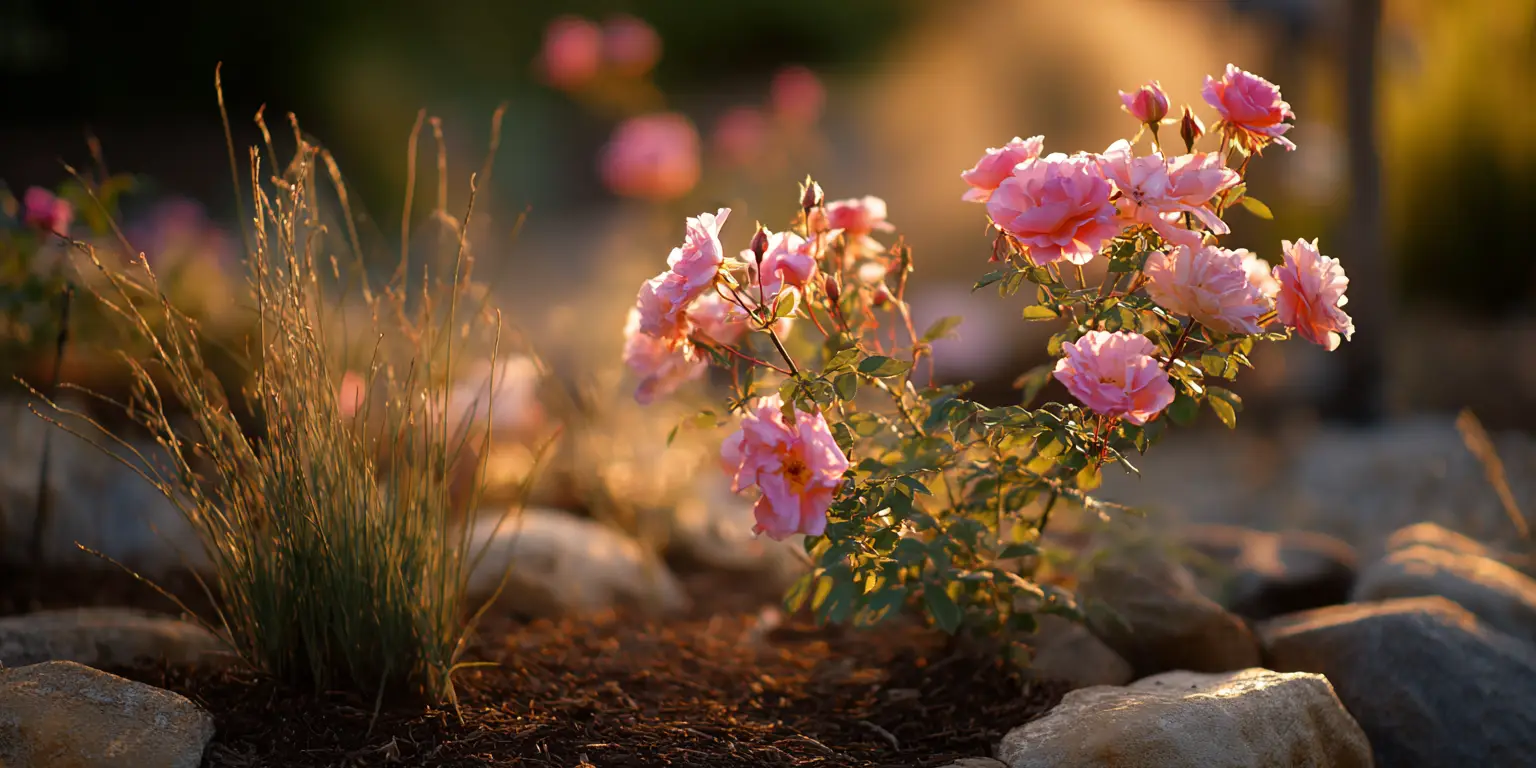
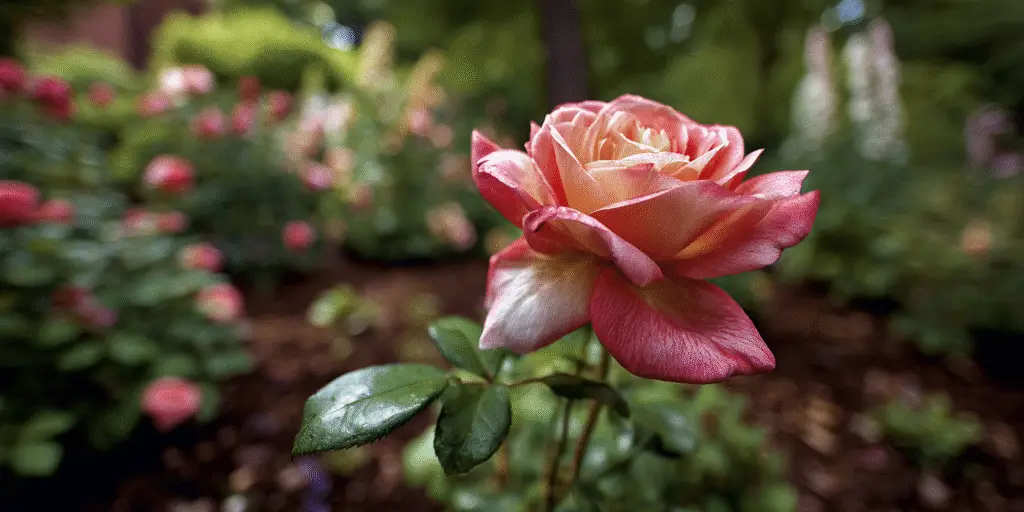
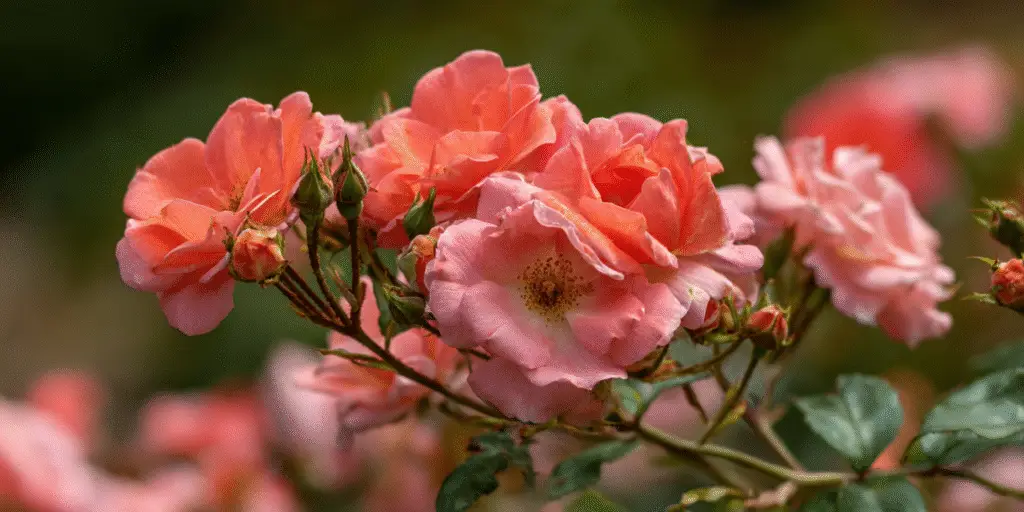
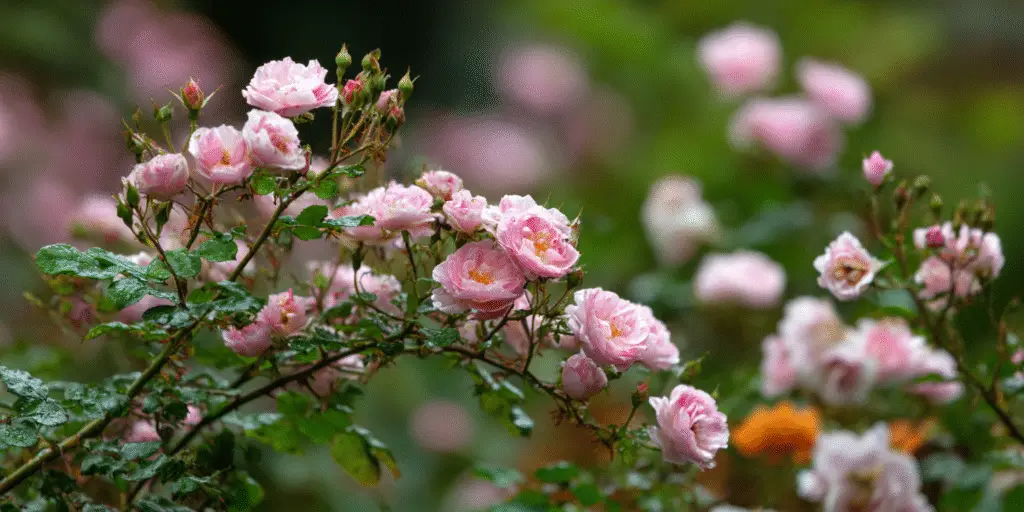
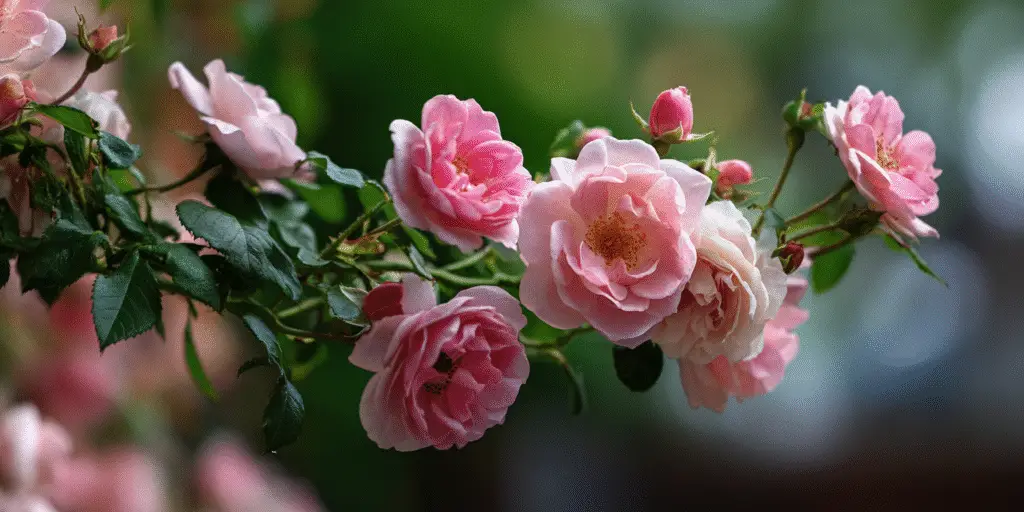
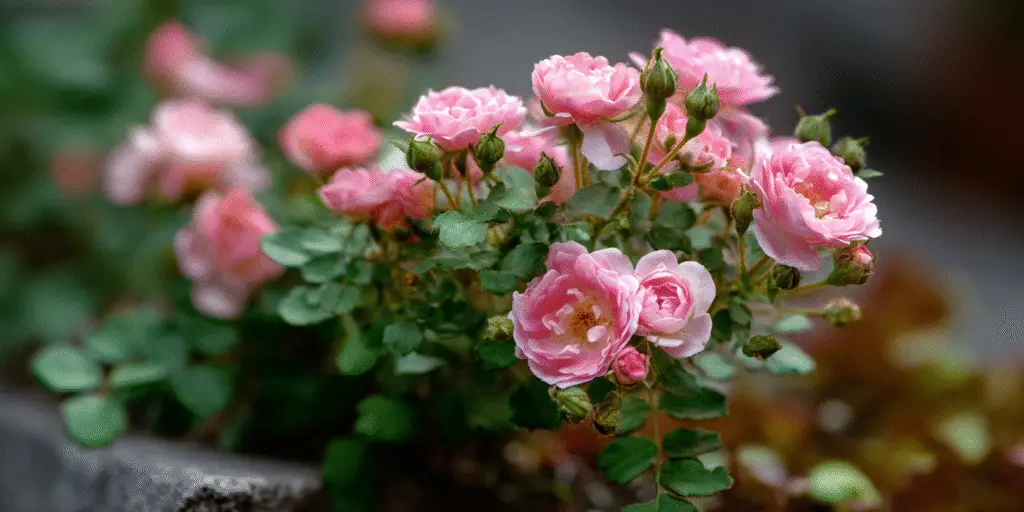
Grandiflora roses blend the large blooms of hybrid teas with the clustered habit of floribundas. Plants are tall and architectural, so they anchor borders and screens. They flower from late spring to fall when sited in full sun with good soil drainage. Most selections are hardy in USDA Zones 5 to 9 in North America. Sturdy stems make them useful for cutting. Plan for routine pruning and disease monitoring for best display.
At‑a‑glance
Group/Class: Grandiflora
Height × spread: 4–6 ft × 2–4 ft (1.2–1.8 m × 0.6–1.2 m)
Bloom window: late spring to fall; large blooms in small clusters
Color & flower form: wide palette; large, double, cluster‑blooming
Fragrance: 2 noticeable
USDA hardiness: zones 5 to 9 (varies by cultivar)
Breeder / Year / Origin: ‘Queen Elizabeth’ — W. Lammerts, 1954, USA (early, iconic grandiflora)
Cut‑flower notes: strong stems; typical vase life up to 10 days with proper conditioning
Pet safety: safe
How it differs
Taller than many bush roses for strong vertical accents
Larger blooms than most floribundas but often borne in clusters
Useful balance of stem length and garden presence
Good for mixed borders that also supply cut stems
Strengths
Repeat flowering with deadheading
Large, showy blooms on sturdy stems
Works as a screen or back‑of‑border shrub
Broad color selection
Care in one minute
Site: full sun and airflow; avoid crowding
Soil and pH: fertile, well drained soil at pH 6.5 to 7.0; mulch keeps roots cool
Water: deep, regular watering focused at the base
Feeding: balanced fertilizer in spring and midsummer to support large blooms
Pruning: late winter structural prune; remove crossing wood; deadhead after flushes
Overwintering: mound mulch around crown where winters are severe
Watch‑outs
Susceptible to common rose diseases in humid conditions
Can become leggy without regular pruning
Winter protection may be needed in colder zones
Best uses (tags)
cutting, back‑of‑border, screens, specimen
Provenance note
The grandiflora concept emerged in the mid‑20th century, with ‘Queen Elizabeth’ (1954) a landmark example bred in the United States. Breeding has since emphasized both flower size and cluster display.
Written by: Your Flowers Guide editorial team We are a small independent group of flower lovers who research and review each guide using trusted horticultural and educational sources. Learn more about us