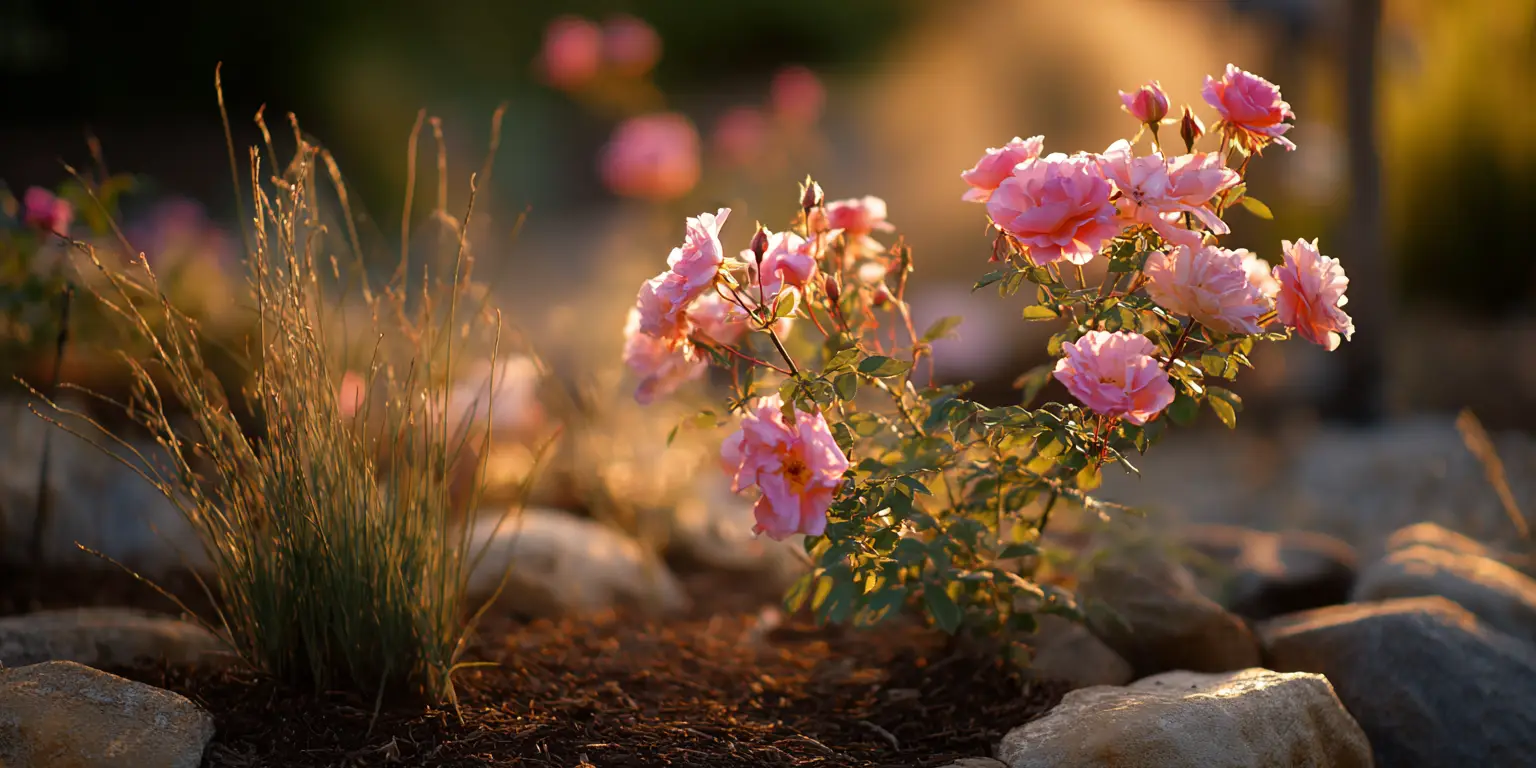
Rosa (Grandiflora Group)
Grandiflora
At‑a‑glance
- Group/Class: Grandiflora
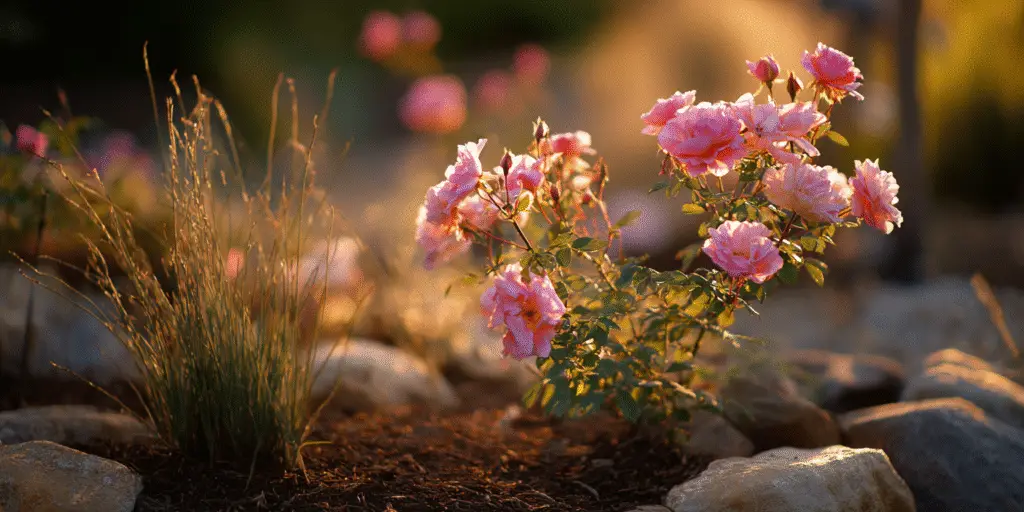
- Height × spread: 4–6 ft × 2–4 ft (1.2–1.8 m × 0.6–1.2 m)
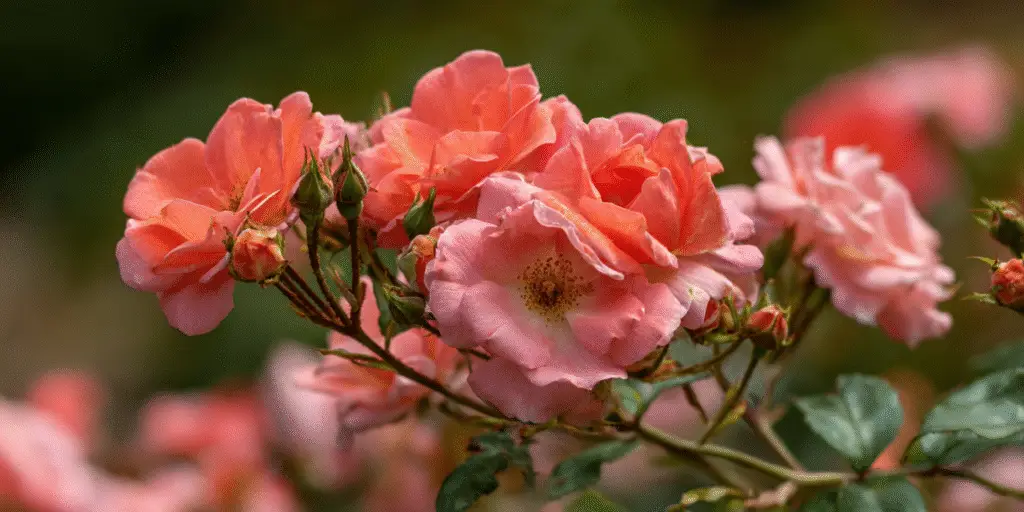
- Bloom window: late spring to fall; large blooms in small clusters
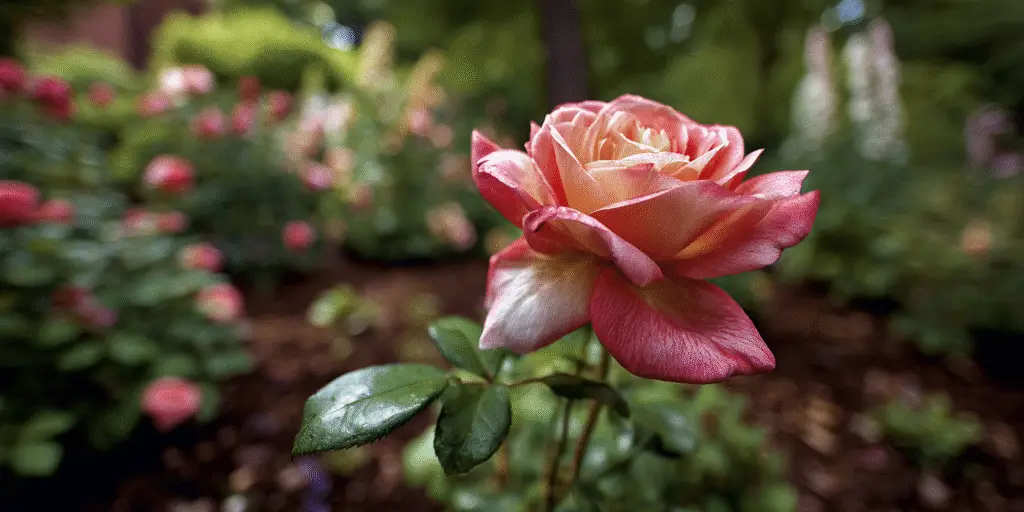
- Color & flower form: wide palette; large, double, cluster‑blooming
- Fragrance: 2 noticeable
- USDA hardiness: zones 5 to 9 (varies by cultivar)
- Breeder / Year / Origin: ‘Queen Elizabeth’: W. Lammerts, 1954, USA (early, iconic grandiflora)
- Cut‑flower notes: strong stems; typical vase life up to 10 days with proper conditioning
- Pet safety: safe
How it differs
- Taller than many bush roses for strong vertical accents
- Larger blooms than most floribundas but often borne in clusters
- Useful balance of stem length and garden presence
- Good for mixed borders that also supply cut stems
Strengths
- Repeat flowering with deadheading
- Large, showy blooms on sturdy stems
- Works as a screen or back‑of‑border shrub
- Broad color selection
Care in one minute
Site: full sun and airflow; avoid crowding
Soil and pH: fertile, well drained soil at pH 6.5 to 7.0; mulch keeps roots cool
Water: deep, regular watering focused at the base
Feeding: balanced fertilizer in spring and midsummer to support large blooms
Pruning: late winter structural prune; remove crossing wood; deadhead after flushes
Overwintering: mound mulch around crown where winters are severe
Watch‑outs
- Susceptible to common rose diseases in humid conditions
- Can become leggy without regular pruning
- Winter protection may be needed in colder zones
Best uses (tags)
Provenance note
The grandiflora concept emerged in the mid‑20th century, with ‘Queen Elizabeth’ (1954) a landmark example bred in the United States. Breeding has since emphasized both flower size and cluster display.
References
- Colorado State University Extension – Selecting and Planting Roses (class background).
- Historic Roses Group – ‘Queen Elizabeth’ rose background.
- UC Davis Postharvest – Roses: Spray Rose, Sweetheart Rose (vase life).
- ASPCA – Rose (Rosa spp.) non‑toxic to pets.
Similar Flowers
Enjoying our flower guides? Add YourFlowersGuide as a preferred source on Google. It helps more readers find us.
Add to Preferred Sources