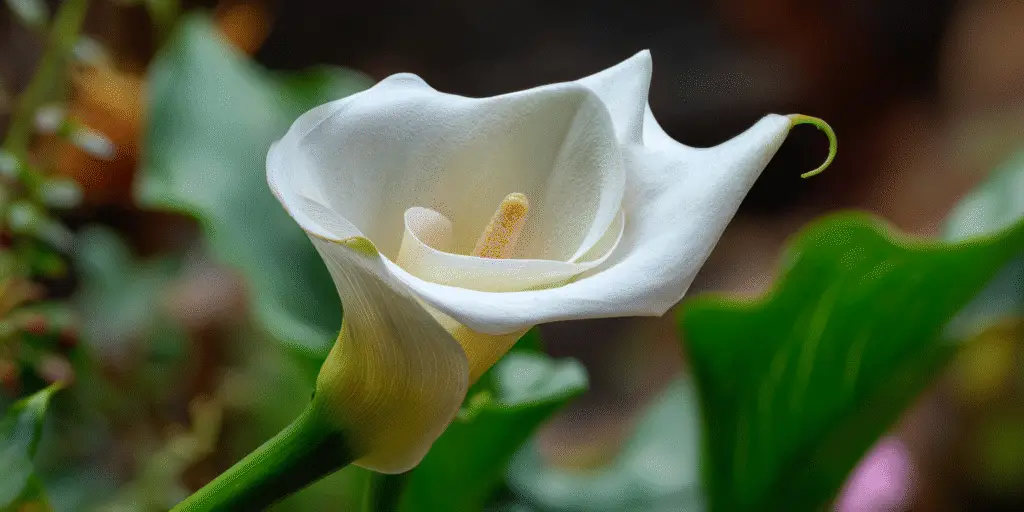
Zantedeschia odorata is a rare white arum noted for noticeable fragrance. It stands out for a sweet scent and a narrower white spathe than the common arum. It performs best with cool and moist winters and dry summers under cultivation. North American gardeners usually keep it in containers or under cover. Flowering is typically in late winter to spring under cool season growth. Plants are uncommon in the trade and may require specialty sources.
At‑a‑glance
Group/Class: Species; winter growing arum lily
Height × spread: 28 to 39 in (70 to 100 cm) × 12 to 18 in (30 to 45 cm)
Bloom window: Late winter to spring under cool season growth
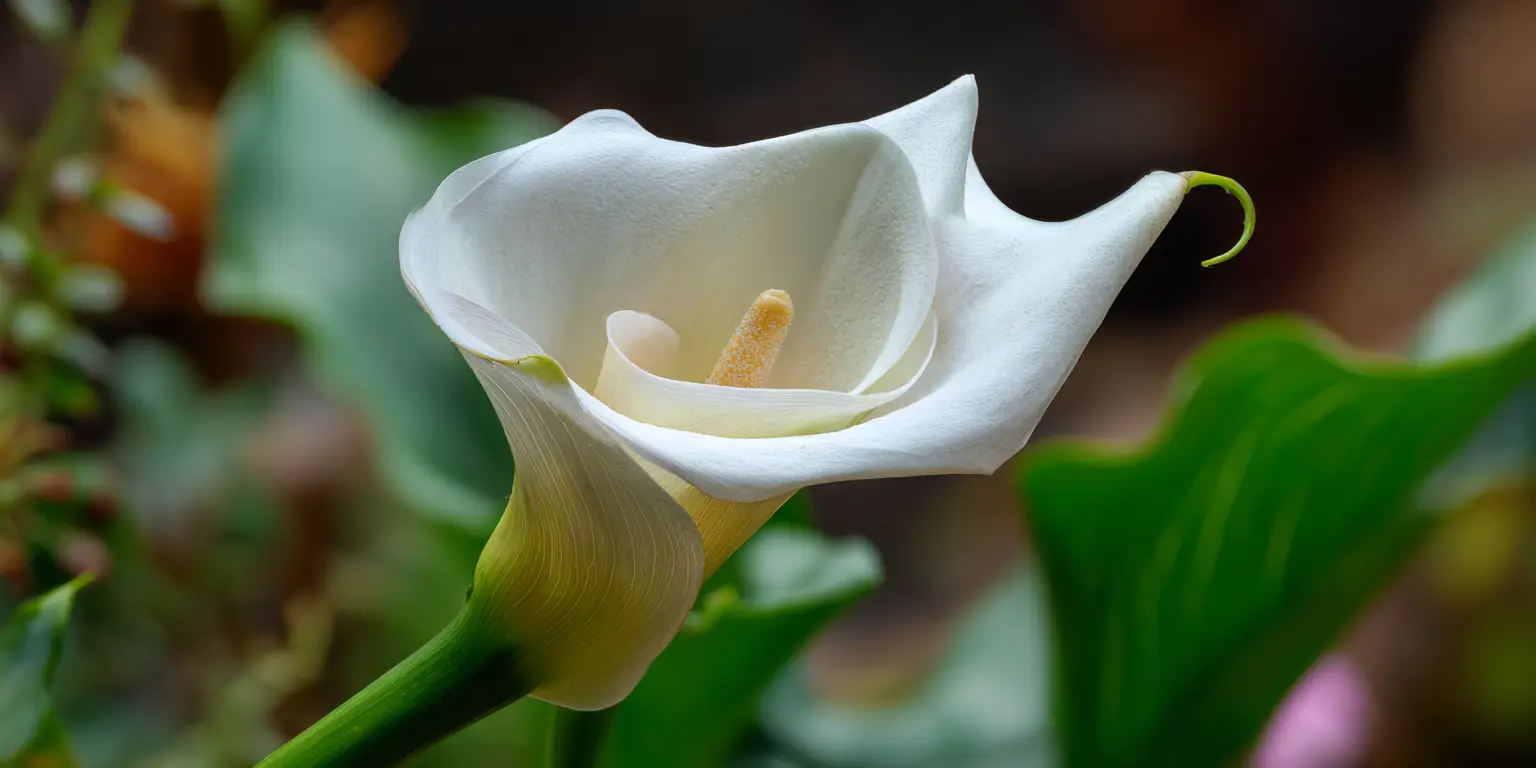
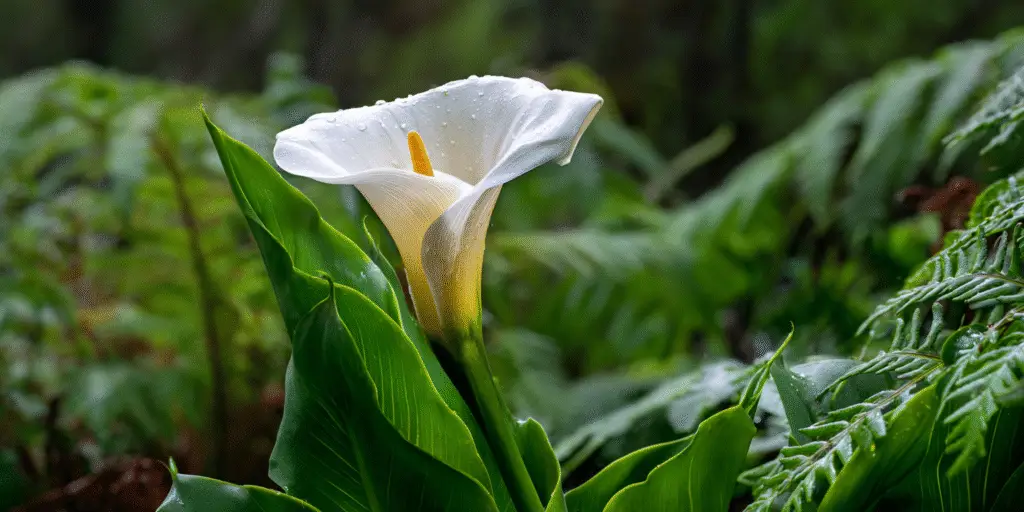
Color & flower form: White spathe with yellow spadix; narrow funnel form
Fragrance: 2 noticeable
USDA hardiness: Grown as container in most regions; protect from frost; varies by climate
Breeder / Year / Origin: P. L. Perry, 1989, South Africa
Cut‑flower notes: Stems are sturdy; vase life similar to other callas when cut at open spathe stage
Pet safety: Avoid
How it differs
Noticeably fragrant spathes compared with most callas.
Winter growing cycle rather than summer growth.
Narrower spathe and shorter spadix than the common arum.
Best kept in containers outside frost free climates.
Strengths
Fragrance adds sensory interest.
Elegant white flowers for cool season display under cover.
Performs in bright light with evenly moist media in winter.
Care in one minute
Site: bright light to morning sun; protect from hot afternoon sun.
Soil: free draining and humus rich mix; keep evenly moist while in leaf.
Watering: water well in winter growth; reduce and keep nearly dry in summer dormancy.
Feeding: light monthly fertilizer during winter growth only.
Grooming: remove spent spathes promptly.
Overwintering: avoid freezes; provide cool and bright conditions in winter growth.
Watch‑outs
Availability is limited; verify cultivated sources.
Requires a dry summer rest; overwatering in summer can cause rot.
Frost sensitive; protect from freezing temperatures.
Written by: Your Flowers Guide editorial team We are a small independent group of flower lovers who research and review each guide using trusted horticultural and educational sources. Learn more about us