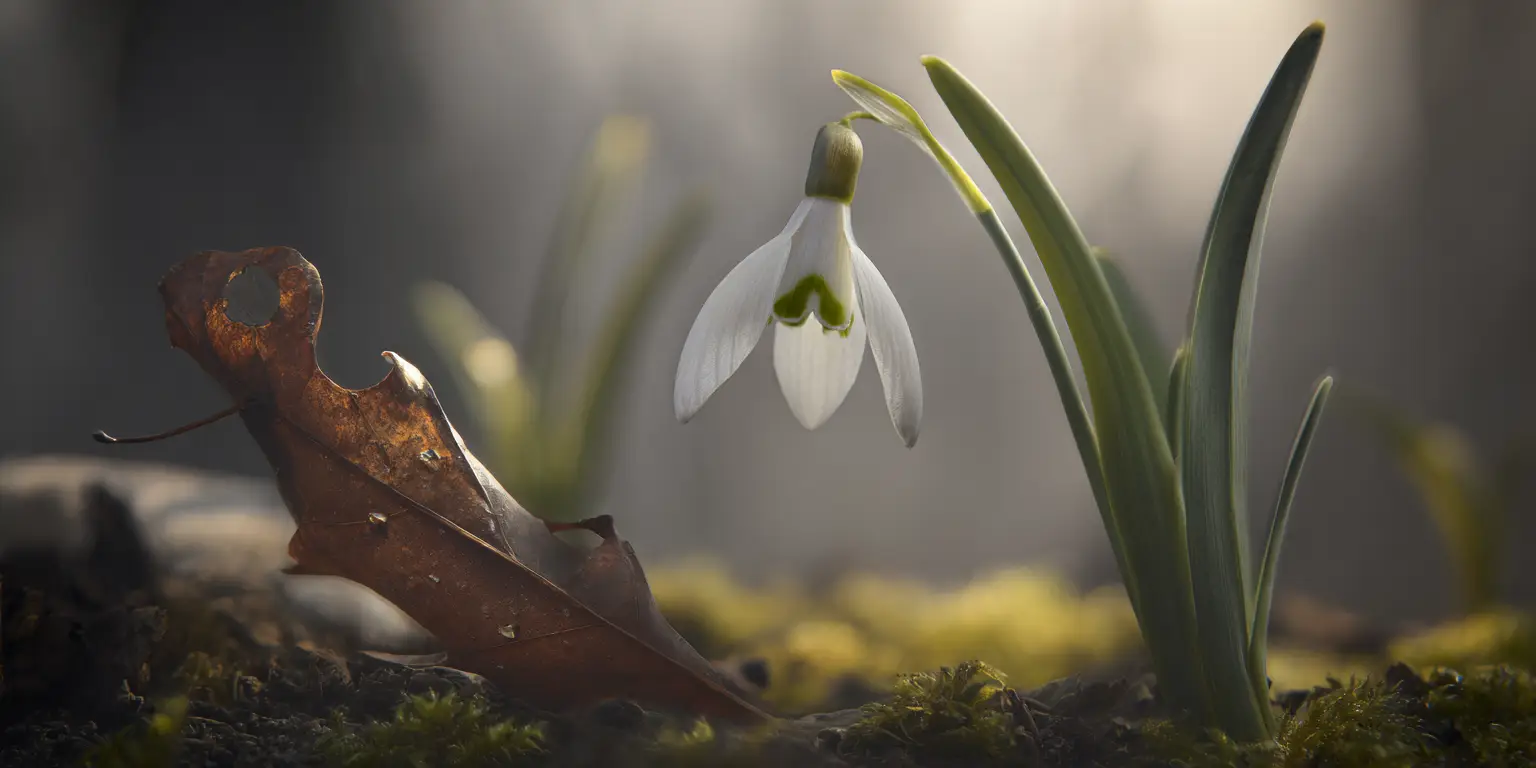
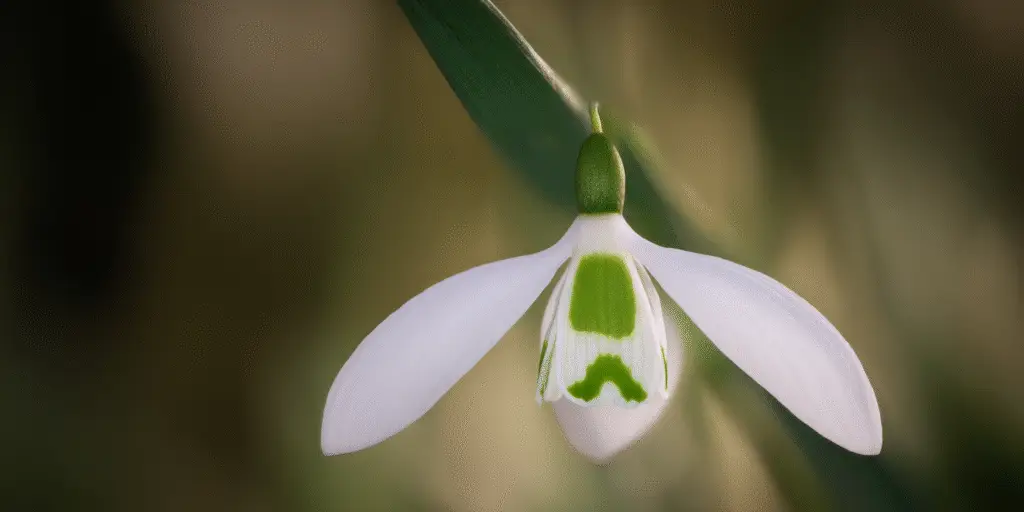
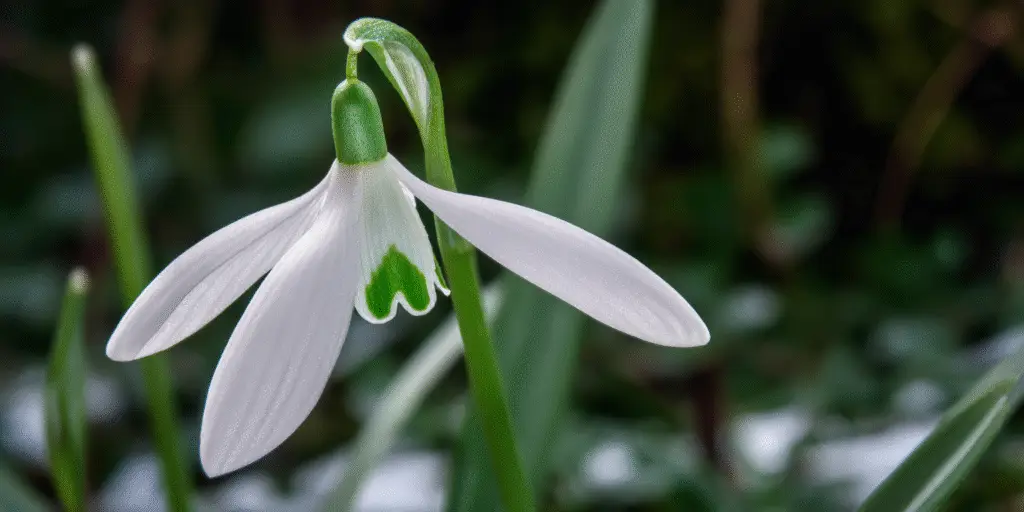
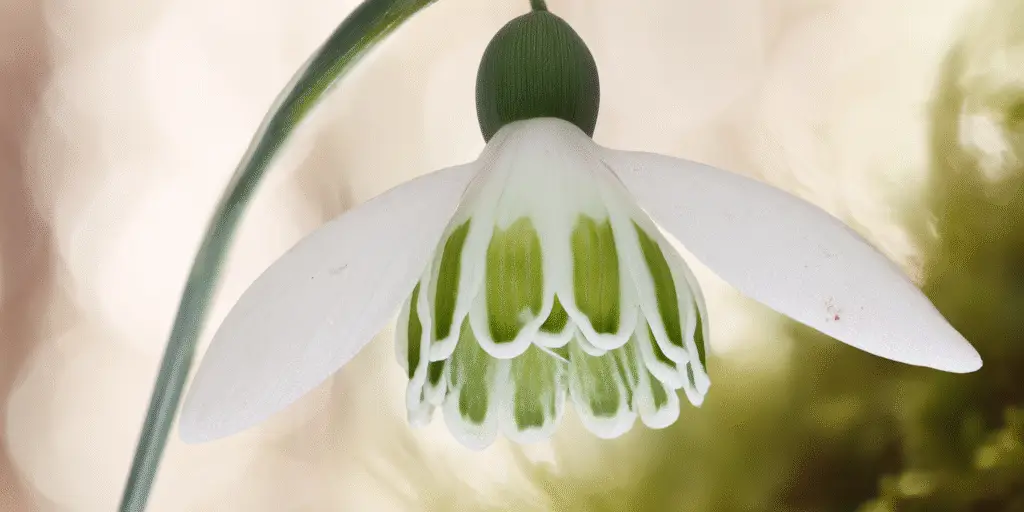
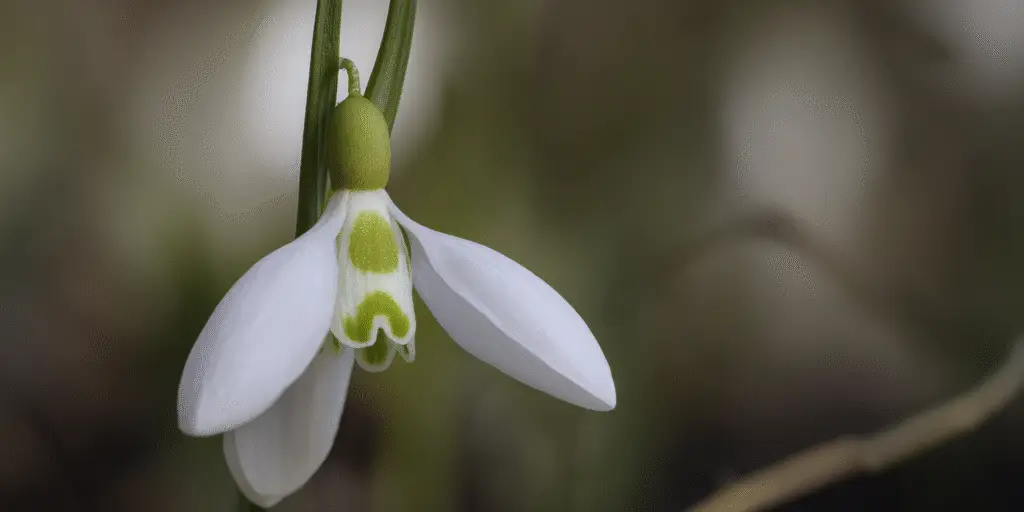
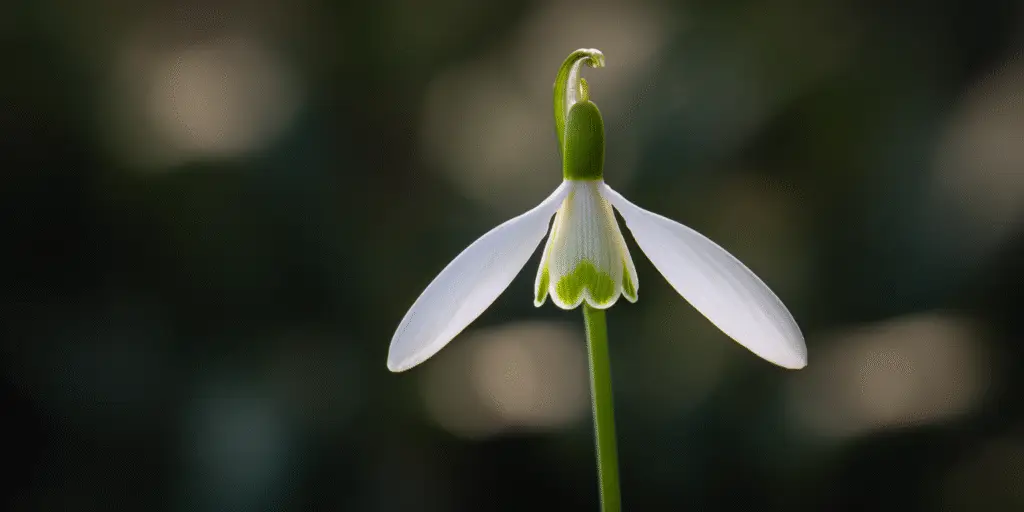
The common snowdrop is a hardy bulb species grown for its early white bells and neat clumps. It stands out for dependable late winter bloom and for naturalizing into drifts in cool climates. Plants do best in partial shade with moist but well‑drained, humus‑rich soil. Performance is strongest in colder regions; plants often struggle in long, hot summers. Flowers are typically white with a green mark on the inner segments and a light honey scent. Use it under deciduous trees, along paths, and at the front of borders where winter sun reaches the soil.
At‑a‑glance
Group/Class: Species
Height × spread: 6–9 in × 3–6 in (15–23 cm × 8–15 cm)
Bloom window: February to March
Color & flower form: White single, inner segments with green mark
Fragrance: 2 noticeable
USDA hardiness: zones 3–7
Breeder / Year / Origin: unknown
Awards/registration: RHS Award of Garden Merit
Pet safety: avoid
How it differs
Typical size and timing for a snowdrop; a baseline for comparisons
Smaller flowers than the larger greater snowdrop and many cultivars
Grey‑green leaves rather than the bright green leaves of Galanthus woronowii
Moderate scent compared with strongly scented selections like ‘S. Arnott’
Strengths
Naturalizes well from offsets and seed in suitable sites
Cold‑tolerant and reliable in snow and freeze‑thaw
Generally deer and rodent resistant
Tolerates clay and black walnut where drainage is good
Care in one minute
Choose partial shade with winter sun and cool soil.
Provide moist, well‑drained, humus‑rich soil; neutral to slightly alkaline is fine.
Plant bulbs in fall 2 to 3 in deep and 2 to 3 in apart.
Water after planting and during dry spells in fall while roots form.
Do not remove leaves until they yellow; top‑dress with compost after bloom.
Divide clumps only when they thin or flower less.
Watch‑outs
Often short‑lived south of Zone 7
Bulbs dislike waterlogged soil; rot can follow poor drainage
Can be attacked by narcissus bulb fly
Best uses (tags)
woodland, naturalizing, border front, under deciduous trees, rock gardens
Provenance note
Native to Europe; widely naturalized in parts of eastern North America.
Written by: Your Flowers Guide editorial team We are a small independent group of flower lovers who research and review each guide using trusted horticultural and educational sources. Learn more about us