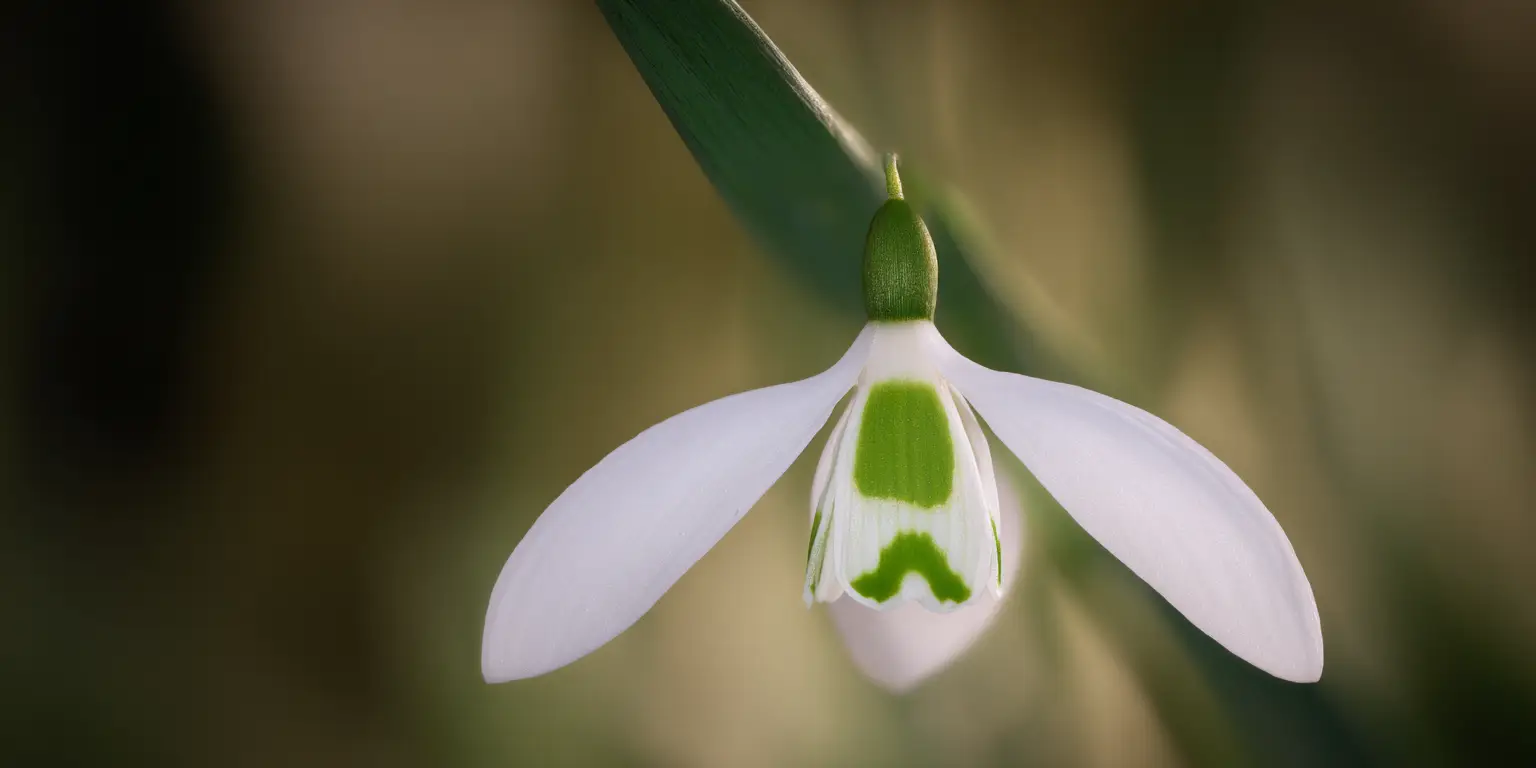
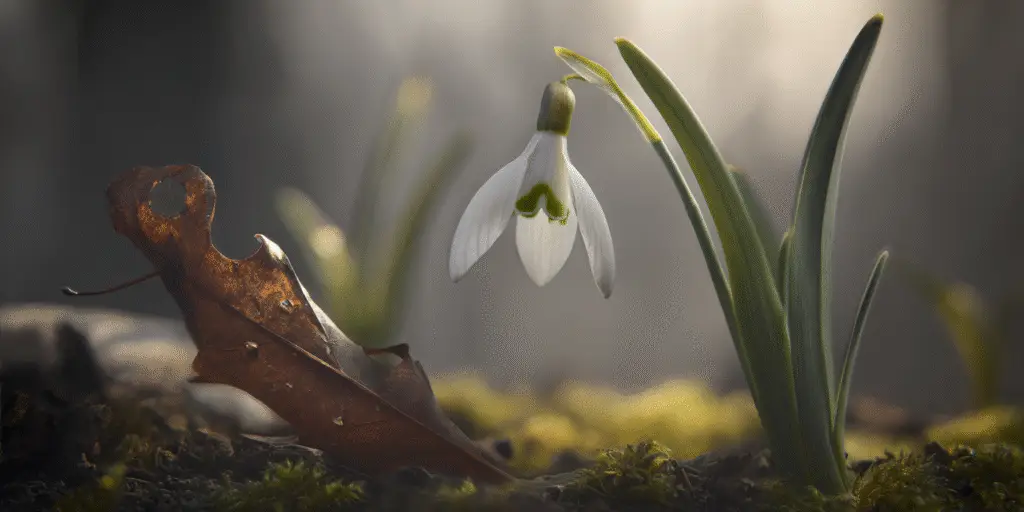
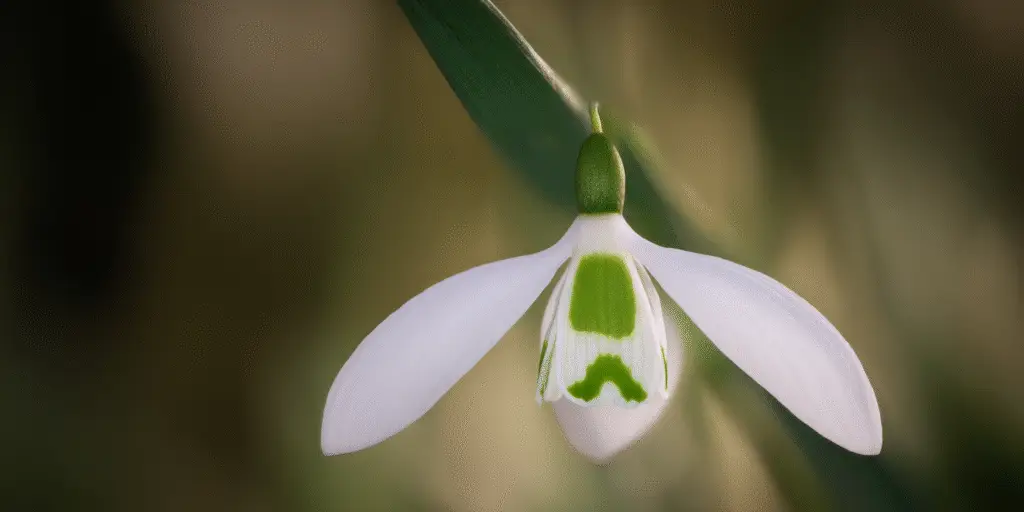
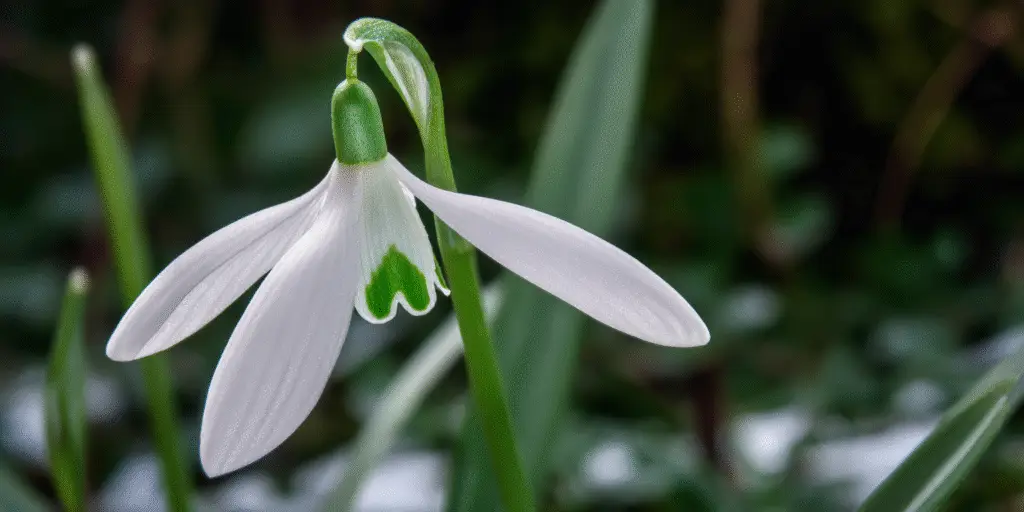
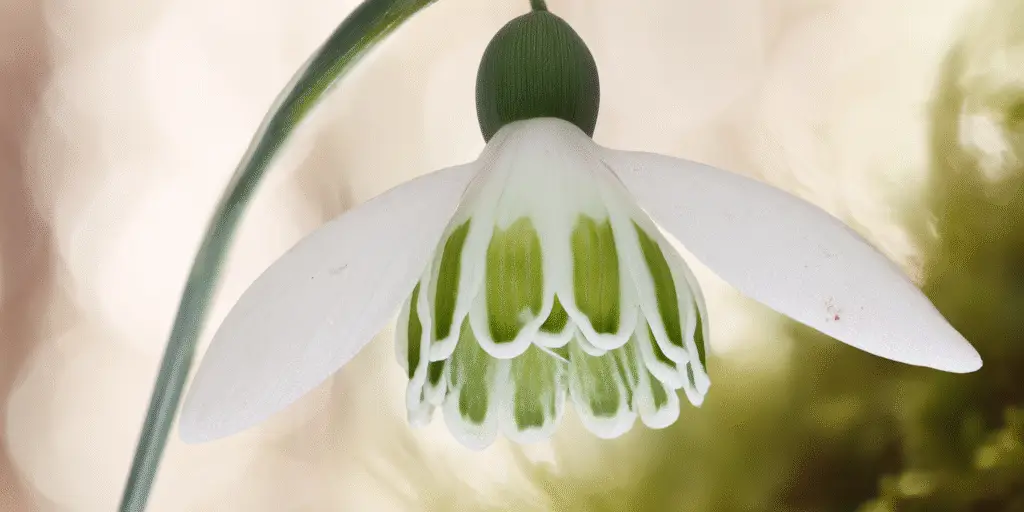
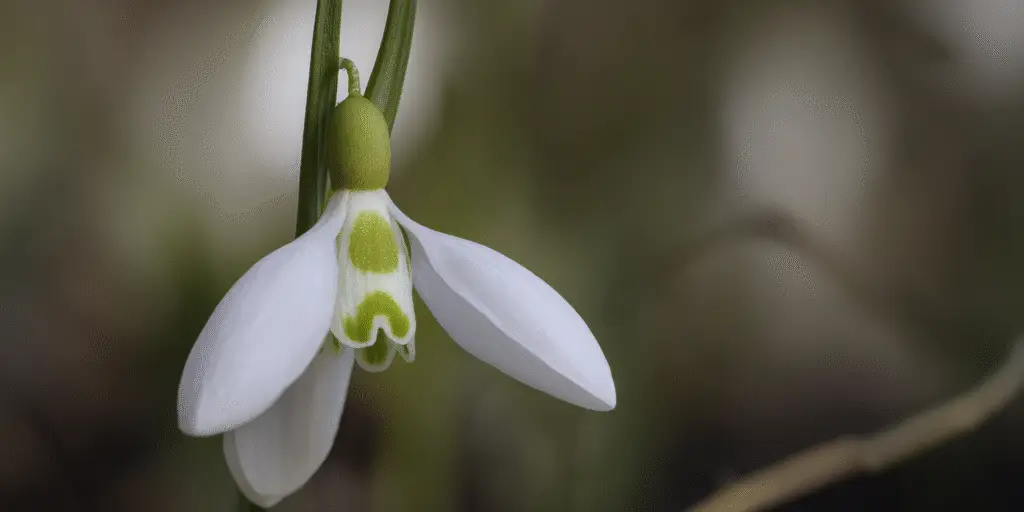
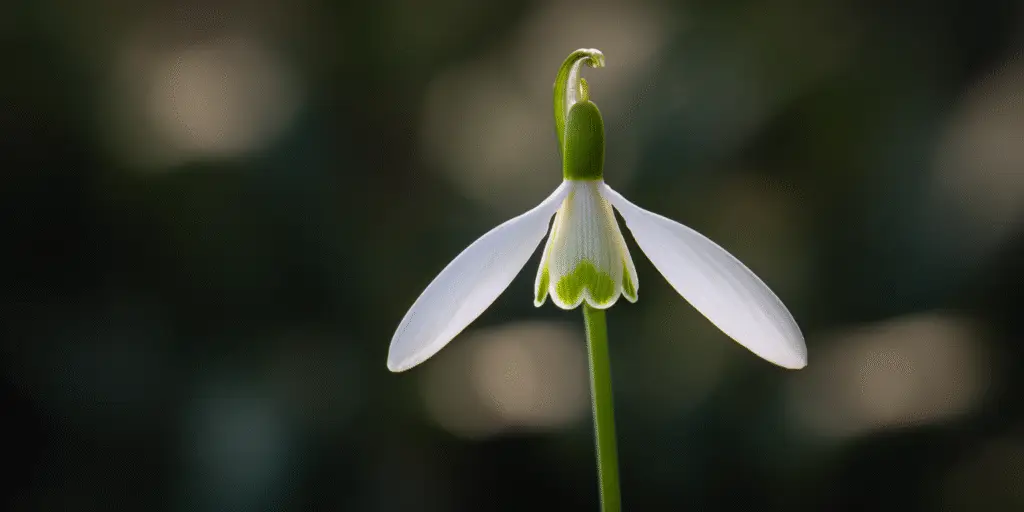
The greater snowdrop is a larger species with broad, glaucous leaves and big flowers. It is valued for bold inner green markings and reliable late winter bloom. Plants prefer cool climates and partial shade with evenly moist, well‑drained soil. This species naturalizes into patches in suitable sites and shows a light honey fragrance. It is best under deciduous trees and shrubs where spring light reaches the soil.
At‑a‑glance
Group/Class: Species
Height × spread: 6–12 in × 3–6 in (15–30 cm × 8–15 cm)
Bloom window: February to March
Color & flower form: White single, prominent basal and apical green marks on inner segments
Fragrance: 2 noticeable
USDA hardiness: zones 4–7
Breeder / Year / Origin: unknown
Awards/registration: RHS Award of Garden Merit
Pet safety: avoid
How it differs
Larger flowers and leaves than the common snowdrop
Typically slightly taller stance in bloom
Bold inner segment markings are more conspicuous
Similar timing but with showier display in many gardens
Strengths
Showy flowers that read well at a distance
Cold‑tolerant and dependable in late winter
Naturalizes in cool, humus‑rich soils
Deer and rodent resistant in most settings
Care in one minute
Site in partial shade with winter sun.
Provide moist, well‑drained, humus‑rich soil.
Plant bulbs in fall 3 in deep and 3 to 4 in apart.
Water during dry autumns while rooting; avoid soggy soils.
Allow foliage to mature and yellow before removal.
Divide clumps only when flowering declines.
Watch‑outs
Somewhat short‑lived south of Zone 7
Poor drainage can lead to bulb rot
Vulnerable to narcissus bulb fly in some regions
Best uses (tags)
woodland, naturalizing, border front, under deciduous trees
Provenance note
Named for Henry John Elwes; wild populations occur in western Turkey and nearby regions.
Written by: Your Flowers Guide editorial team We are a small independent group of flower lovers who research and review each guide using trusted horticultural and educational sources. Learn more about us