
How to Grow and Care for Impatiens flower
Contents
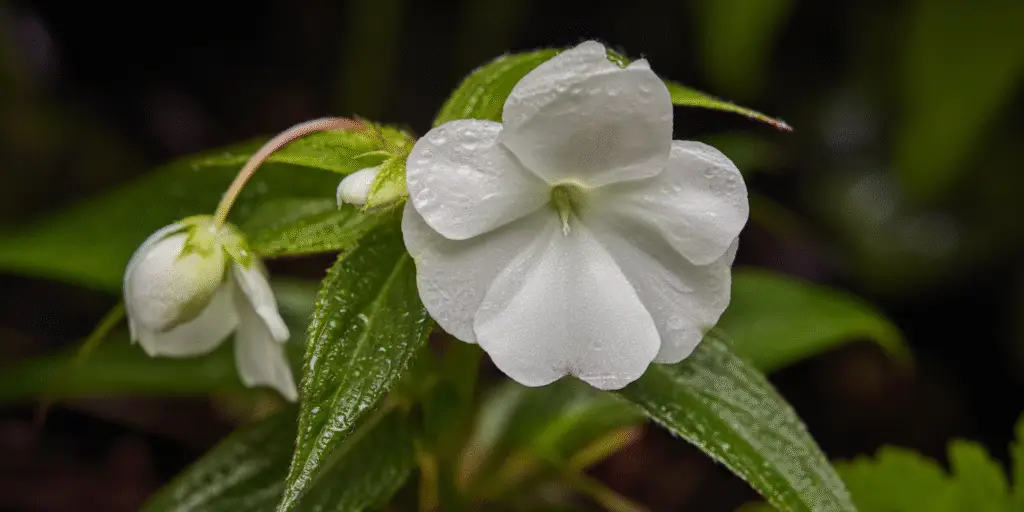
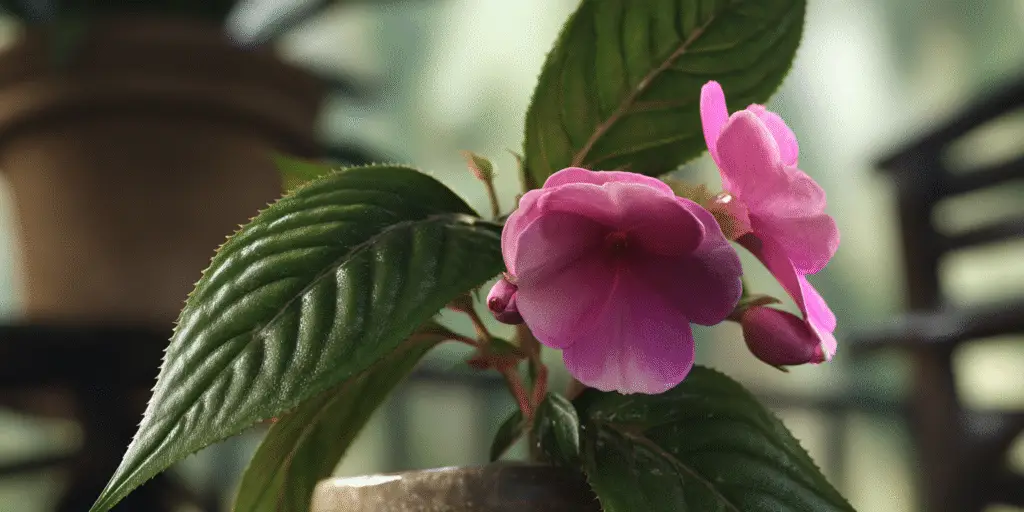
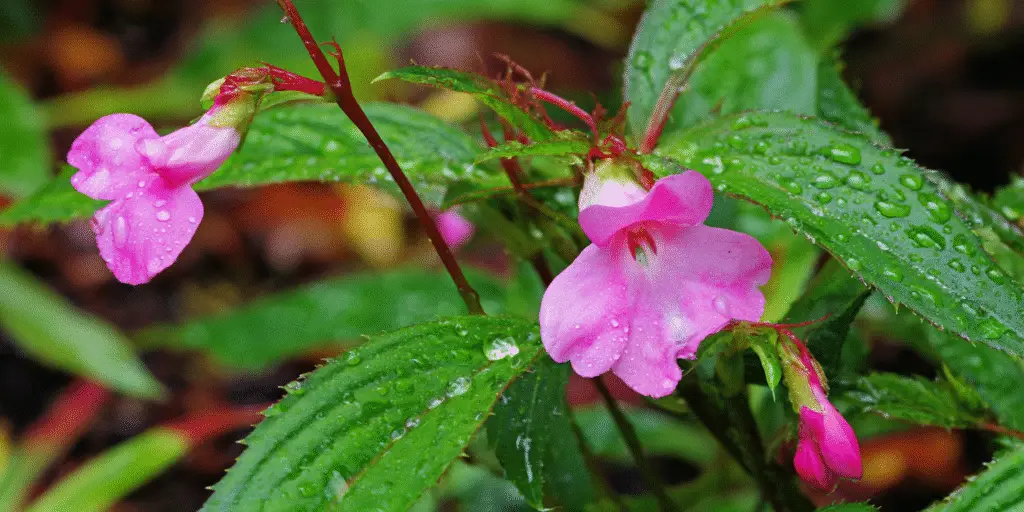
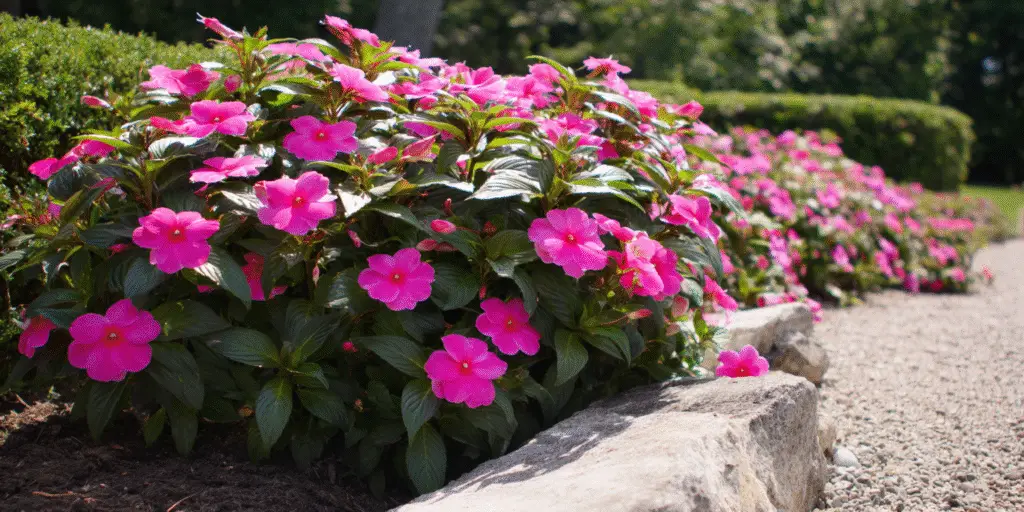
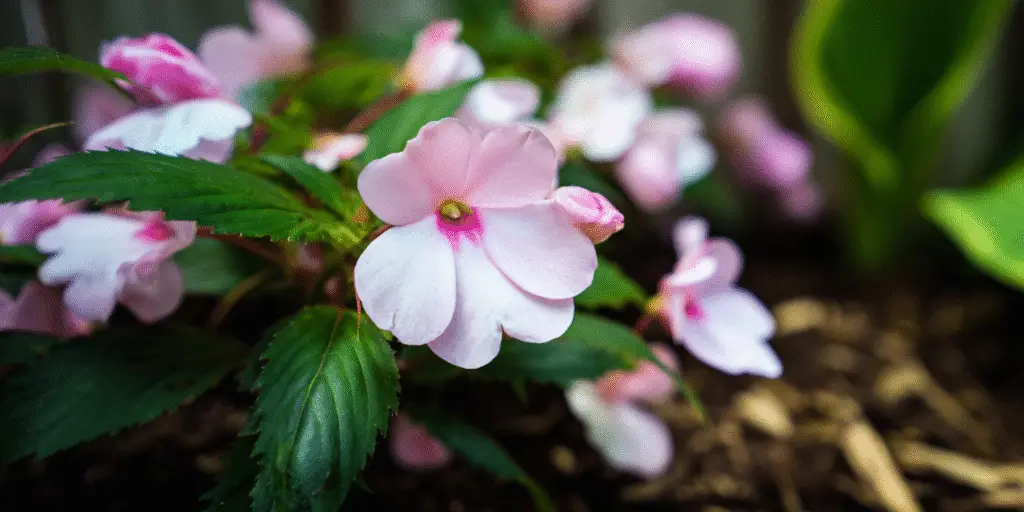
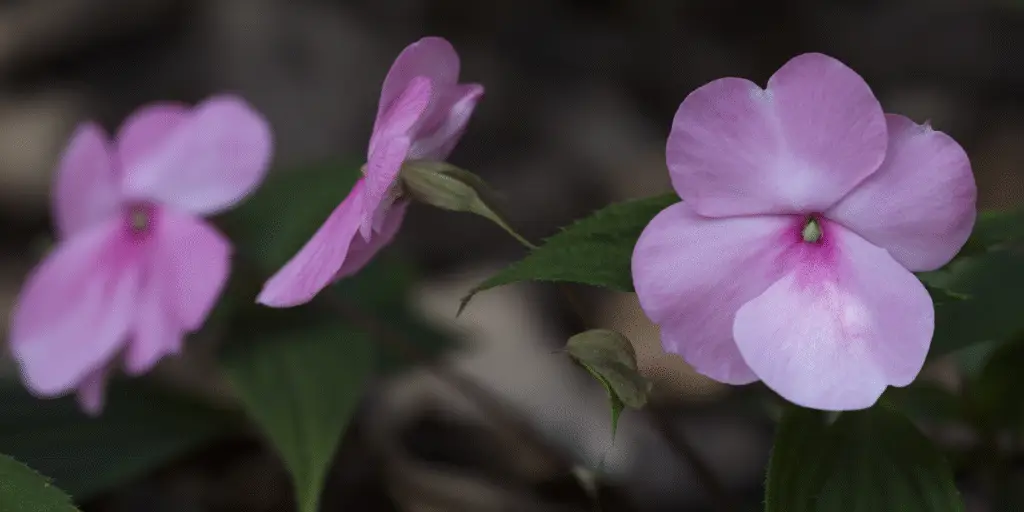
Impatiens flower is the classic choice for steady color in shade and part shade from late spring to frost. The widely planted garden species is Impatiens walleriana, often called busy Lizzie or sultana, and its larger cousin is Impatiens hawkeri, commonly called New Guinea impatiens. Both thrive where summer days are warm and nights are mild. In most of the United States they are grown as annuals, although they can be short lived perennials in frost free areas. With the right soil, even moisture, and gentle light, impatiens reward you with a blanket of blooms in pink, white, red, salmon, lavender, and purple.
Think of impatiens as woodland edge plants. They prefer bright open shade or morning sun with afternoon shade. Direct midday sun in hot climates often causes scorch or wilting unless soil moisture is kept even. Garden impatiens are generally happiest where daytime temperatures hold between 70 to 85°F (21 to 29°C). New Guinea types tolerate a touch more sun when watered well. For hardiness, treat them as annuals outside USDA Zones 10 to 11. A quick path to success is simple. Plant after danger of frost, water regularly, space for air movement, and keep the soil fertile but never soggy.
Soil & Bed Preparation
Healthy impatiens begin with a loose, moisture retentive, well drained bed. Aim for a loamy texture that feels friable in the hand and crumbles when squeezed. Work in two to three inches of compost over the top eight to ten inches of soil. This raises organic matter and improves both water holding and drainage. A slightly acidic to neutral pH is best, with a target of 6.0 to 6.5. If you garden under thirsty trees, remember that roots compete for water and nutrients. Build richer, deeper beds at the drip line and plan to water more often until roots explore the improved soil.
Poor drainage is the main enemy of impatiens. Waterlogged sites promote root and crown rot as well as downy mildew. If your soil stays wet after rain, shift the planting to a raised bed that sits six to eight inches higher than the surrounding grade. Fill raised beds with a high quality mix based on compost, aged bark, and mineral topsoil. In sandy soils, add compost and a little coconut coir or peat to slow drainage and hold moisture. In heavy clay, blend in composted bark and coarse perlite to create air pockets that protect tender roots from water stress.
Drainage Test and pH Targets
Before planting, dig a hole twelve inches wide and twelve inches deep. Fill it with water and let it drain, then refill and clock the second drain time. If the water disappears in two to four hours the drainage is good. If it takes six hours or longer, build a raised bed or select large containers with generous drain holes. Use a home soil test to confirm pH between 6.0 and 6.5 and adjust as needed. To raise pH, apply garden lime at the label rate for your soil type. To lower pH, use elemental sulfur or acidifying organic amendments and retest after several weeks.
Planting Calendar by USDA Zone
Zones 3 to 5
Treat impatiens strictly as warm season annuals. Start seeds indoors eight to ten weeks before the average last frost if you want early transplants. Move container grown plants into beds only after the soil warms to about 60°F (16°C) and nights stay above 50°F (10°C). In much of this band that means late May to mid June. For northern gardens with short summers, choose compact or early blooming strains and plant in protected spots with morning sun to speed growth. Expect color from late June to the first good frost.
Zones 6 to 8
You have the longest and most reliable impatiens season. Plant after the last frost window passes, typically late April to mid May in Zone 6 and early to late April in Zone 7. In warm Zone 8 areas with mild springs you can plant by late March if the soil is warm and settled. In humid summers, pick sites with moving air and avoid overcrowding. In arid or hot microclimates, give morning sun with bright afternoon shade and mulch immediately after planting. Expect bloom from late spring through October unless a heat wave or early frost interrupts.
Zones 9 to 11
In frost free coastal and southern locations impatiens can be planted during the cooler shoulder seasons. In Zone 9, plant in mid fall for winter to spring bloom or plant in early spring for a long run to early summer. In Zone 10 to 11, plant in late fall through early spring and avoid the hottest months unless you have consistent afternoon shade and irrigation. New Guinea types can take more sun in these zones if soil stays evenly moist. Watch for mites and thrips during hot spells and shift containers when reflected heat off walls or pavement raises leaf stress.
Special situations
In high elevation zones with strong ultraviolet light, plan on brighter but gentler morning sun and heavier afternoon shade to prevent leaf scorch. In arid regions, focus on soil improvement and regular watering since wind and low humidity dry beds quickly. In coastal gardens with salt spray, impatiens generally perform well behind a hedge or fence but decline if exposed directly to salt laden winds. In humid Gulf States, space generously and water the soil at the base to reduce leaf wetness. Where spring storms are frequent, plant after the weather settles to reduce transplant stress.
Planting: Depth & Spacing
Impatiens are not bulbs, tubers, corms, or rhizomes, so you can skip any special underground storage or stratification steps. They grow from fibrous roots and soft stems that resent deep planting. Keep the crown at the surface and protect it from mulch buildup. For gardeners transitioning from bulb planting, remember that impatiens need different handling. The root ball must sit flush with the surrounding soil, and the top growth should be acclimated to outdoor light before planting in the bed.
Bare root or divisions
Impatiens are not typically sold bare root and do not divide cleanly like daylilies or hostas. In frost free zones they can form clumps that you can separate gently in cool weather, but success varies. If you receive a mail order plant without much soil, pot it in a small container with a light mix for two to three weeks to rebuild roots. Keep it in bright shade, water when the top inch is dry, and transplant to the garden only after you see new growth. This soft transition prevents collapse from sudden light and water changes.
Container grown transplants
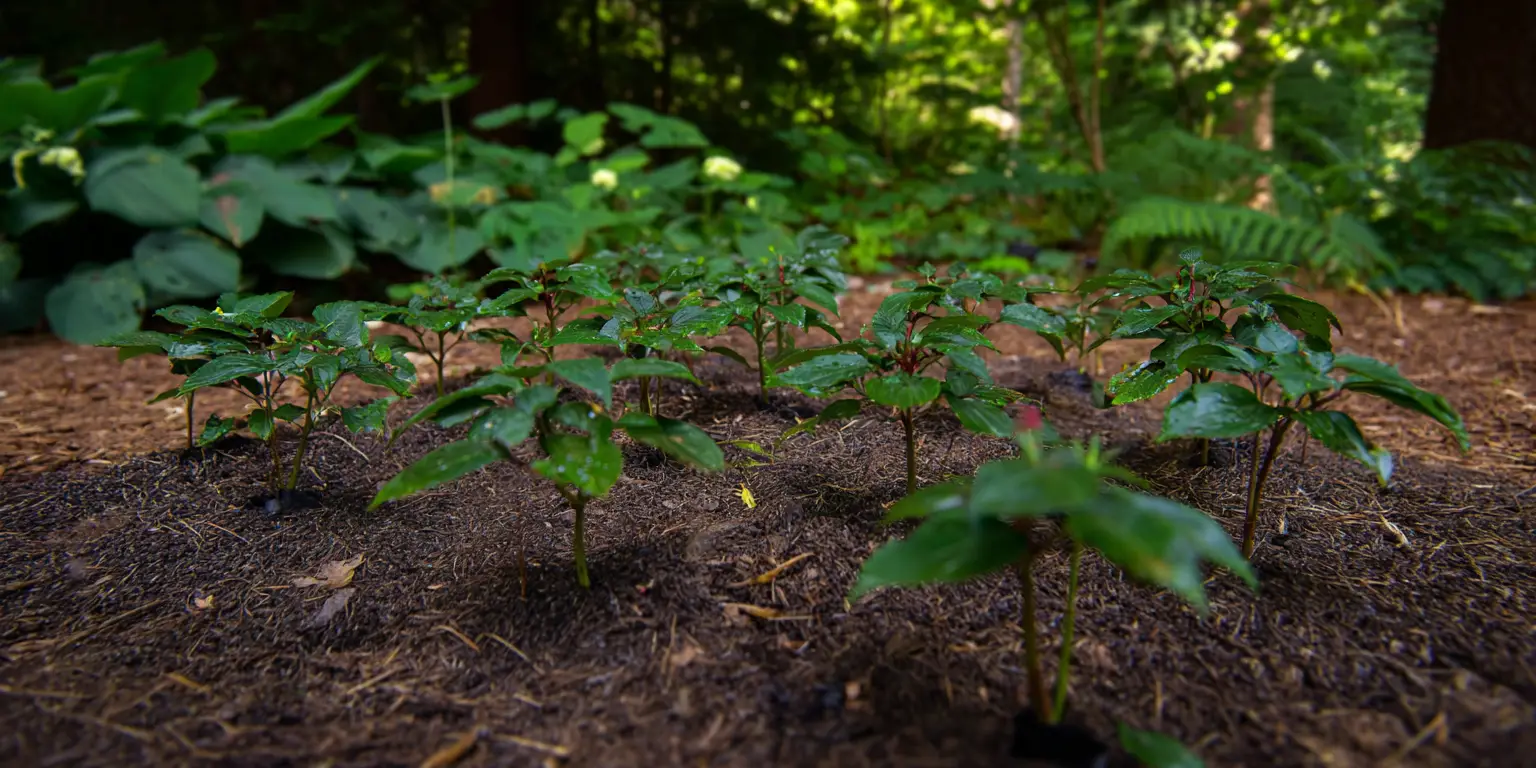
Most gardeners plant impatiens from nursery packs. Harden them off for seven to ten days by placing them outside in bright shade for several hours each day. Water well the morning you plant. Set the crown level with the soil surface, then firm soil around the root ball to remove large air pockets. Space standard bedding types eight to twelve inches apart for a full carpet by midsummer. Space robust types twelve to eighteen inches apart. For massed rows, leave ten to twelve inches between rows to allow weeding and air movement. Water gently after planting and consider temporary shade cloth for three to five days during sunny spells.
Watering & Mulching
Impatiens prefer evenly moist soil. During the first two weeks, water lightly once a day if weather is warm and dry, or every other day if conditions are cool. After roots settle, aim for about one inch of water per week from rain and irrigation combined. In containers, check daily. Water when the top one inch of mix is dry, and let excess drain freely. Avoid letting plants wilt repeatedly, since repeated wilt can cause bud and flower drop. Morning watering is best because leaves dry quickly, and roots have all day to take up moisture.
Mulch, rot prevention, and heat management
Spread one to two inches of shredded bark, leaf mold, or compost around plants to hold moisture and keep soil temperatures moderate. Pull mulch back one inch from stems to prevent crown rot. In humid regions, avoid deep mulch that traps moisture against stems. During heat spikes above 90°F (32°C), water early in the day and consider a temporary shade cloth that provides thirty to fifty percent shade. In windy conditions, mulch becomes even more helpful by reducing evaporative loss and smoothing the swings between wet and dry soil.
Water quality and salts
Impatiens are sensitive to high soluble salts, which show up as leaf edge burn and stalled growth in containers. If you irrigate with hard water, flush each container with clear water once a month until water flows freely from the drain holes for one to two minutes. This leaches accumulated salts. If your tap water has a high bicarbonate level that gradually raises potting mix pH, use an acidifying fertilizer occasionally or mix in a small portion of rainwater when available. In ground beds, regular rainfall usually keeps salts in check, but avoid overapplying fertilizer, which adds to the salt load.
Feeding
NPK ranges and schedules
Impatiens respond well to light, steady nutrition. For in ground beds, incorporate compost before planting and use a slow release balanced fertilizer in the 5 to 10 to 5 to 10 to 10 range at the label rate. One application at planting often carries plants four to six weeks. If growth slows midsummer, scratch a small side dressing into the outer root zone and water in thoroughly. Avoid heavy doses of nitrogen, which push foliage at the expense of flowers. For containers, use a slow release prill at planting and supplement with a water soluble fertilizer in the 10 to 10 to 10 to 20 to 20 to 20 range at half strength every two to three weeks during active growth.
Soil biology and retesting
A living soil makes impatiens easier to maintain. Aim for three to five percent organic matter in beds and add a light top up of compost each spring. Where beds perform poorly, test soil every two to three years to confirm pH and nutrient balance. In containers, refresh the top few inches of mix with compost midseason to feed microbes and improve moisture holding. Replace exhausted potting mix between seasons rather than reusing it indefinitely. Healthy soil biology reduces disease pressure and helps roots explore a larger volume of moisture during hot weather.
Pruning & Support
Modern impatiens largely self clean, so spent blossoms drop on their own. You can keep plants neat by gently pinching the tips once or twice early in the season. A light pinch at six to eight inches tall encourages branching and a fuller dome. If plants stretch in low light, cut back by one third in midsummer, then water and feed lightly. New growth rebounds quickly in warm conditions. If storms break stems, cut just above a leaf node and remove the debris to keep the bed tidy. Impatiens do not need stakes or cages because their growth habit is low and spreading.
Tool hygiene to limit disease
Clean snips and pruners before you pinch or cut. Wipe blades with 70 percent alcohol and allow them to stay wet for at least thirty seconds. In the garden, disinfect between beds, especially if you have removed plants that showed yellowing leaves with gray fuzz on the undersides, a common symptom of downy mildew. Bag and trash diseased material rather than composting it. Water at the base, space generously, and use morning irrigation to lower leaf wetness hours. Good hygiene and airflow are your best defenses in a season that favors disease.
Downy mildew awareness
Downy mildew is a specific concern for garden impatiens, especially in cool, damp stretches. Early signs include light green to yellow blotches on upper leaves, a gray to purplish down on lower surfaces, and rapid defoliation. Once symptoms advance, plants do not recover. Remove affected plants and nearby fallen leaves promptly. Where this disease is common, favor New Guinea impatiens and other bedding companions, and maintain excellent spacing so foliage dries quickly after rain. Rotate beds and avoid planting impatiens in the same spot every year when pressure is high.
Overwintering
In USDA Zones 3 to 9, treat impatiens as annuals in the ground. When frost blackens foliage, clean up plant material and compost healthy debris. If you want a head start for next year, take three to four inch tip cuttings in late summer, strip lower leaves, and root them in a sterile, moist medium under bright indoor light. Maintain temperatures near 65 to 70°F (18 to 21°C) and water sparingly so the mix stays barely moist. These cuttings can be potted up in winter and returned outdoors after the last frost for earlier color.
In frost free or container situations
In Zones 10 to 11, impatiens can live through the winter outdoors if soil stays well drained and temperatures are mild. Trim lightly in late fall to keep plants compact, clean away litter, and maintain mulch to reduce splash and weed competition. For containers in colder zones, bring pots indoors before nights drop below 50°F (10°C). Place them in the brightest window you have, reduce feeding, and water when the top inch is dry. Expect slower winter growth. Resume normal feeding and gradually reintroduce outdoor light in spring.
Growing Environments
Impatiens excel in pots, window boxes, and hanging baskets. A single plant fills an eight to ten inch container well. For mixed planters, a twelve to fourteen inch pot gives roots enough volume to buffer swings in moisture. Window boxes should be at least six to eight inches deep and eight inches front to back to sustain even moisture during hot spells. Choose containers with ample drainage holes and avoid saucers that hold standing water. Use a high quality soilless mix that contains peat or coir, composted bark, and perlite. Do not add garden soil, which compacts and drains poorly in pots.
Potting mix and drainage
A well aerated potting mix protects fine roots. If you blend your own, aim for roughly two parts peat or coir, one part composted bark, and one part perlite by volume. Moisten new mix before use so it settles evenly around the root ball. At planting, gently tease circling roots and water to settle the plant. Top dress with one half inch of compost after four to six weeks to renew nutrition and buffer salts. If a container becomes waterlogged after heavy rain, tip it gently to pour off excess, then allow it to dry until the top inch is no longer wet.
Microclimate tips
Offer bright morning sun with dappled afternoon shade for the most flowers and the least stress. Tuck containers under the open canopy of small trees or on the east side of buildings. Avoid spots with strong reflected heat from south facing walls or paving. In windy balconies or porches, group containers to create a sheltered pocket and raise pots on feet so air moves under the base. In deep shade, choose lighter flower colors such as white and soft pink, which read more clearly at a distance and pair well with glossy foliage and variegated companions.
Companion Planting & Design
Impatiens combine naturally with foliage plants that love similar conditions. Ferns, hostas, heucheras, and caladiums set a textured backdrop that lets bloom color pop. For continuous interest, tuck in spring bulbs to wake the bed early, then let impatiens hide aging bulb foliage as summer builds. In containers, match impatiens with cascading bacopa or ivy and a bold centerpiece like a small grass or a dwarf canna in bright shade. Space partners with enough air around each plant so leaves dry quickly after rain. This balance of density and airflow keeps a border fresh all season.
Color planning and pollinators
Use color to connect your border to your home and hardscape. Warm coral and orange read well near brick and stone. Cool pink, lavender, and white brighten deeper shade and tie in with gray siding and weathered wood. If you want a shaded border that still supports pollinators, mix in flowering companions such as torenia and nicotiana, and use single flower forms where possible. Dense double blossoms can offer less nectar. Repeat clusters of three to five plants for a rhythm that leads the eye, and leave small paths for maintenance so you do not step into saturated beds after storms.
References
- North Carolina State
- Extension Gardener Plant Toolbox. Impatiens walleriana.
- North Carolina State Extension Gardener Plant Toolbox. Impatiens hawkeri.
- University of Florida IFAS Gardening Solutions. Impatiens.
- Clemson University Home and Garden Information Center. Impatiens.
- ASPCA. Toxic and Non-Toxic Plants: Impatiens.
Written by: Your Flowers Guide editorial team
We are a small independent group of flower lovers who research and review each guide using trusted horticultural and educational sources. Learn more about us