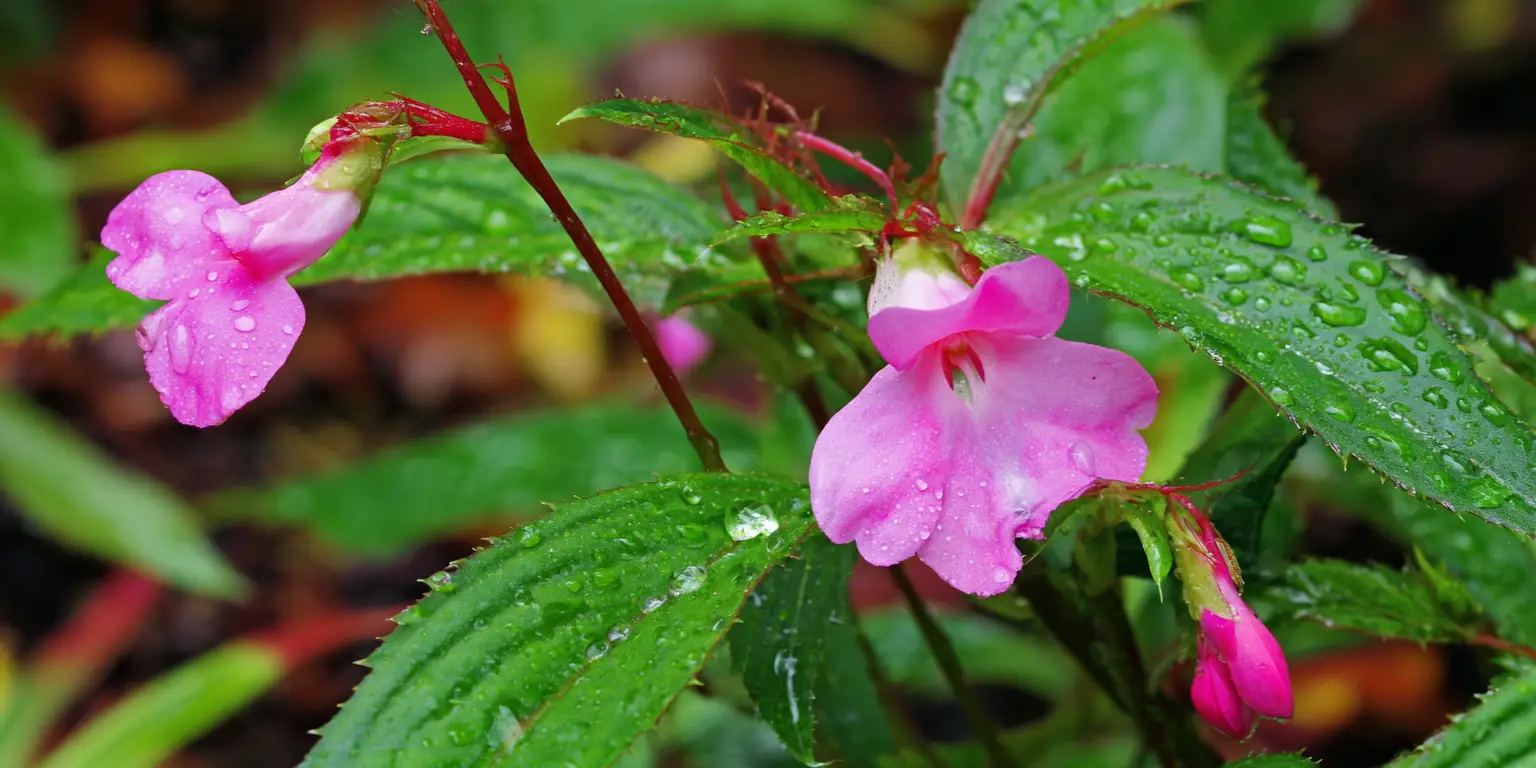
in bloom
now
through Oct
Bloom calendar
Impatiens balsamina
garden balsam; species · Linnaeus, 1753, South Asia
At‑a‑glance
- Group/Class: garden balsam; species
- Height × spread: 12–30 in (30–75 cm) × 6–18 in (15–45 cm)
- Bloom window: early summer to frost
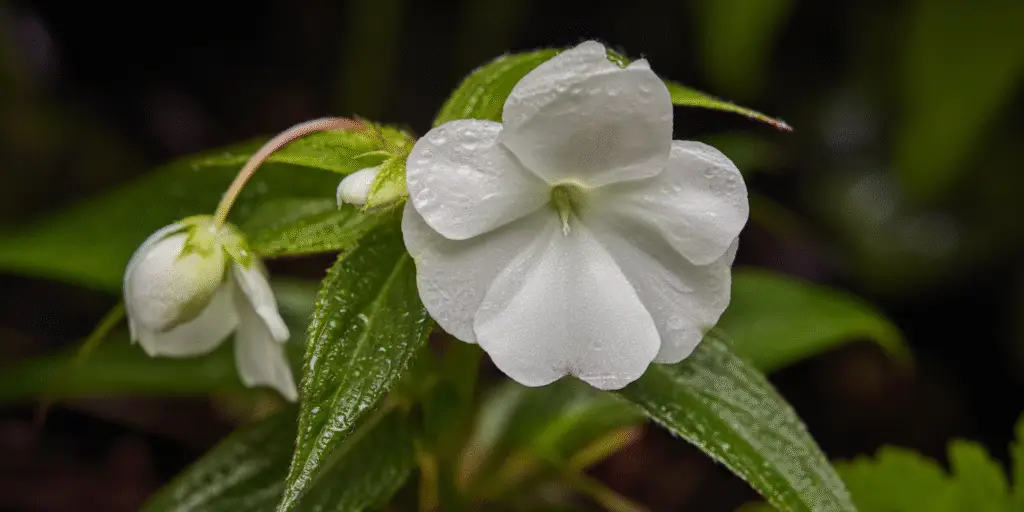
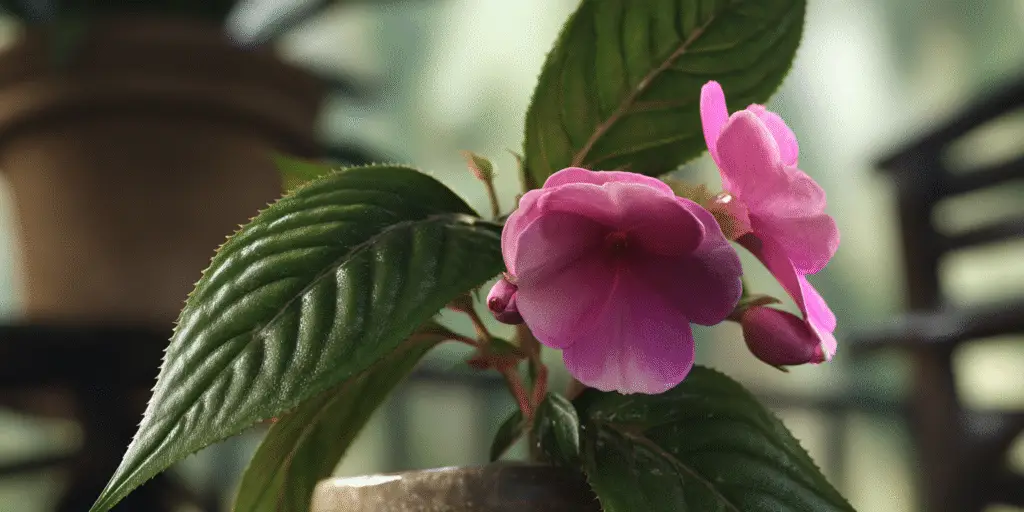
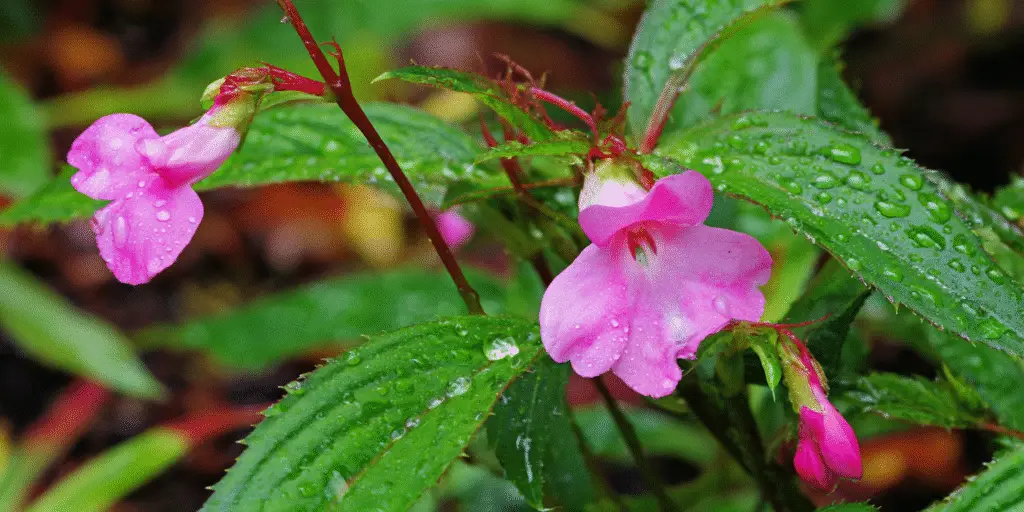
- Color & flower form: singles and doubles in white, pink, red, purple; some bicolors
- Fragrance: 0 none
- USDA hardiness: grown as annual in most of North America
- Breeder / Year / Origin: Linnaeus, 1753, South Asia
- Pet safety: safe
How it differs
- More upright habit than common bedding impatiens.
- Thicker stems and camellia‑like double forms are common.
- Prefers more sun than standard shade impatiens.
- Less uniform than modern series but easy from seed.
Strengths
- Quick to bloom from seed.
- Tolerates brighter sites with adequate moisture.
- Classic cottage‑garden look.
- Can self‑seed lightly in favorable spots.
Care in one minute
Site: full sun to light shade in cooler climates; light shade in hotter areas.
Soil: fertile, well‑drained; neutral to slightly acidic.
Water: steady moisture without waterlogging.
Feeding: modest feeding to sustain bloom.
Grooming: no deadheading required; stake only if windy sites demand.
Overwintering: treat as annual; allow seed to ripen if reseeding is desired.
Watch‑outs
- Impatiens downy mildew may occur in wet, humid seasons.
- Stems can be brittle in wind and heavy rain.
- May sprawl if overwatered or shaded too heavily.
Best uses (tags)
Provenance note
Impatiens balsamina has been cultivated for centuries and is native to South Asia.
References
- Missouri Botanical Garden Plant Finder – Impatiens balsamina
- International Plant Names Index – Impatiens balsamina L., 1753
- Wisconsin Horticulture – Impatiens downy mildew
- ASPCA – Impatiens spp. non‑toxic to cats and dogs
Similar Flowers
Enjoying our flower guides? Add YourFlowersGuide as a preferred source on Google. It helps more readers find us.
Add to Preferred Sources