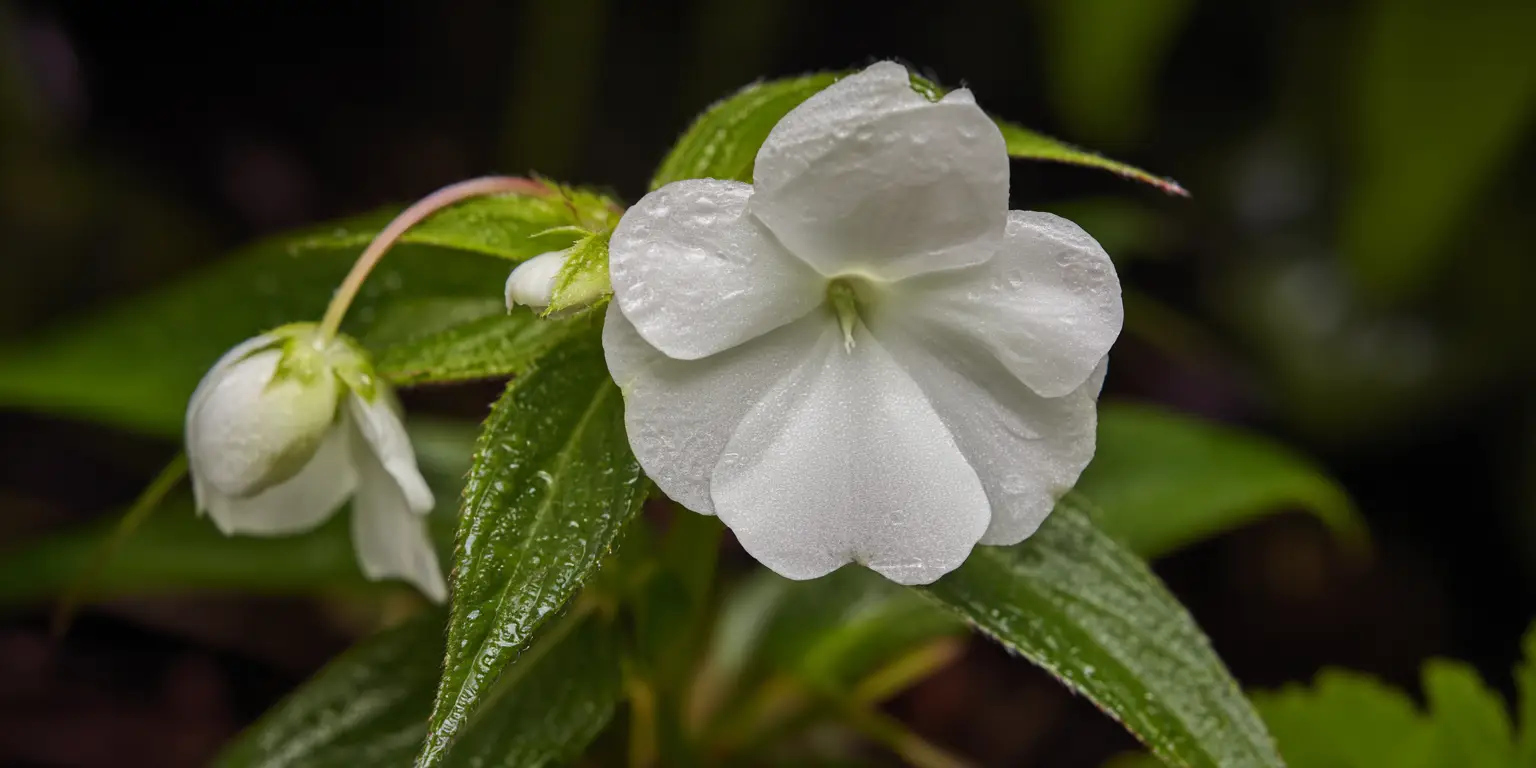
in bloom
now
through Oct
Bloom calendar
Impatiens walleriana
bedding impatiens; species · Hooker, 1868, East Africa
At‑a‑glance
- Group/Class: bedding impatiens; species
- Height × spread: 6–24 in (15–60 cm) × 8–24 in (20–60 cm)
- Bloom window: late spring to frost
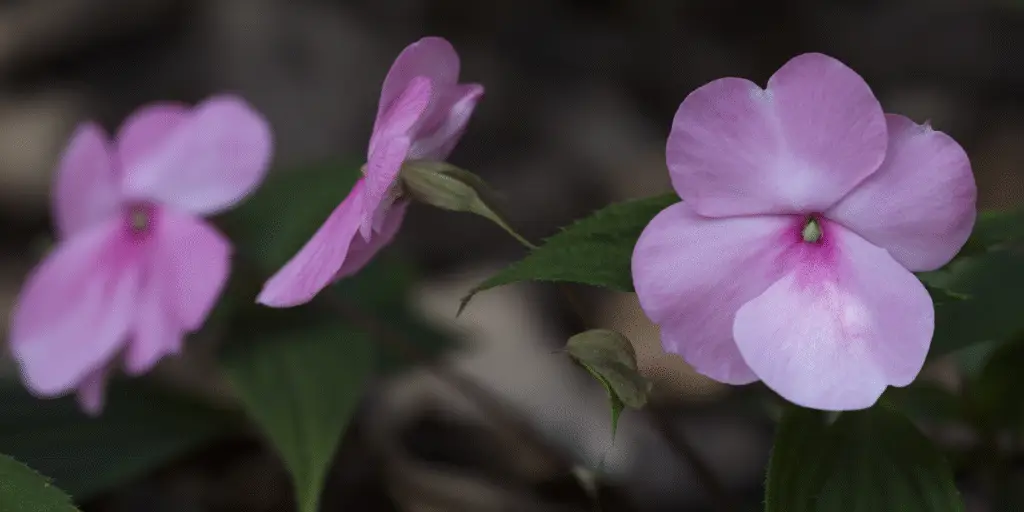
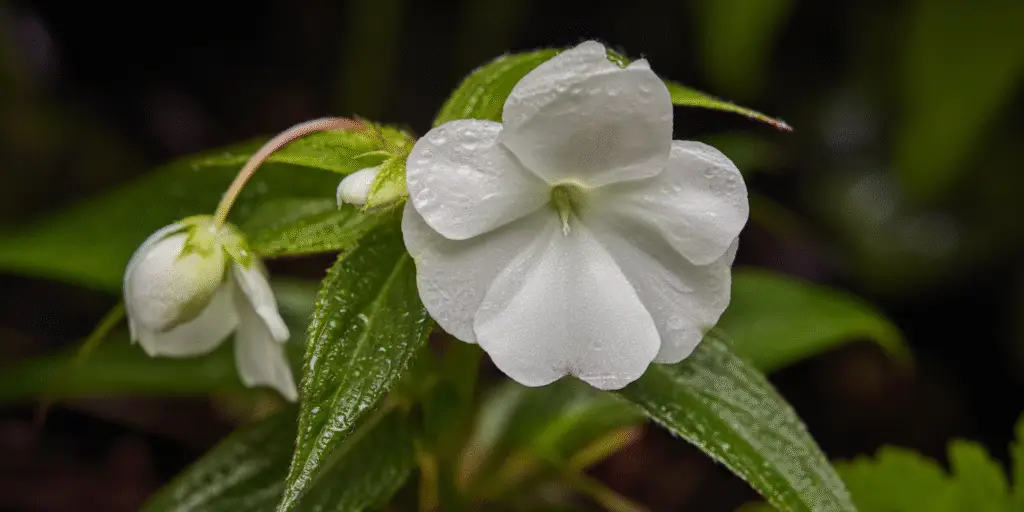
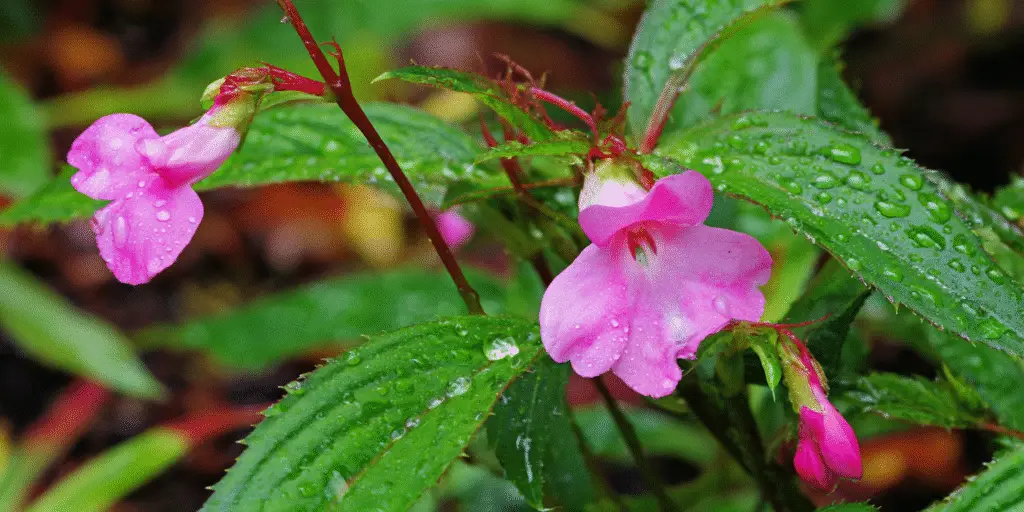
- Color & flower form: single or double; white to pink, red, salmon, violet, lavender, orange; many bicolors
- Fragrance: 0 none
- USDA hardiness: grown as annual in most of North America; tender perennial in Zones 10–11
- Breeder / Year / Origin: Hooker, 1868, East Africa
- Pet safety: safe
How it differs
- More shade‑tolerant than New Guinea types.
- Smaller flowers and finer foliage than many hybrids.
- Highly uniform bedding habit for mass color.
- Historically more susceptible to downy mildew than newer resistant series.
Strengths
- Continuous bloom in shade.
- Compact habit fills packs and small containers uniformly.
- Broad color range across mixes and named series.
Care in one minute
Site: part shade to full shade with good air flow.
Soil: rich, well‑drained, slightly acidic to neutral.
Water: keep evenly moist; do not allow to dry out or sit in water.
Feeding: light, regular feeding during active growth.
Grooming: pinch lightly if leggy; no deadheading needed.
Overwintering: discard after frost unless in Zones 10 to 11.
Watch‑outs
- Susceptible to impatiens downy mildew in humid, wet weather.
- Wilts quickly if soil dries out.
- Can scorch in hot afternoon sun.
Best uses (tags)
Provenance note
Impatiens walleriana was described in 1868 and is native to East Africa, from southeastern Kenya to southern tropical Africa.
References
- Missouri Botanical Garden Plant Finder – Impatiens walleriana
- International Plant Names Index – Impatiens walleriana Hook.f., 1868
- Pacific Northwest Plant Disease Management Handbook – Impatiens downy mildew
- ASPCA – Impatiens spp. non‑toxic to cats and dogs
Similar Flowers



Enjoying our flower guides? Add YourFlowersGuide as a preferred source on Google. It helps more readers find us.
Add to Preferred Sources