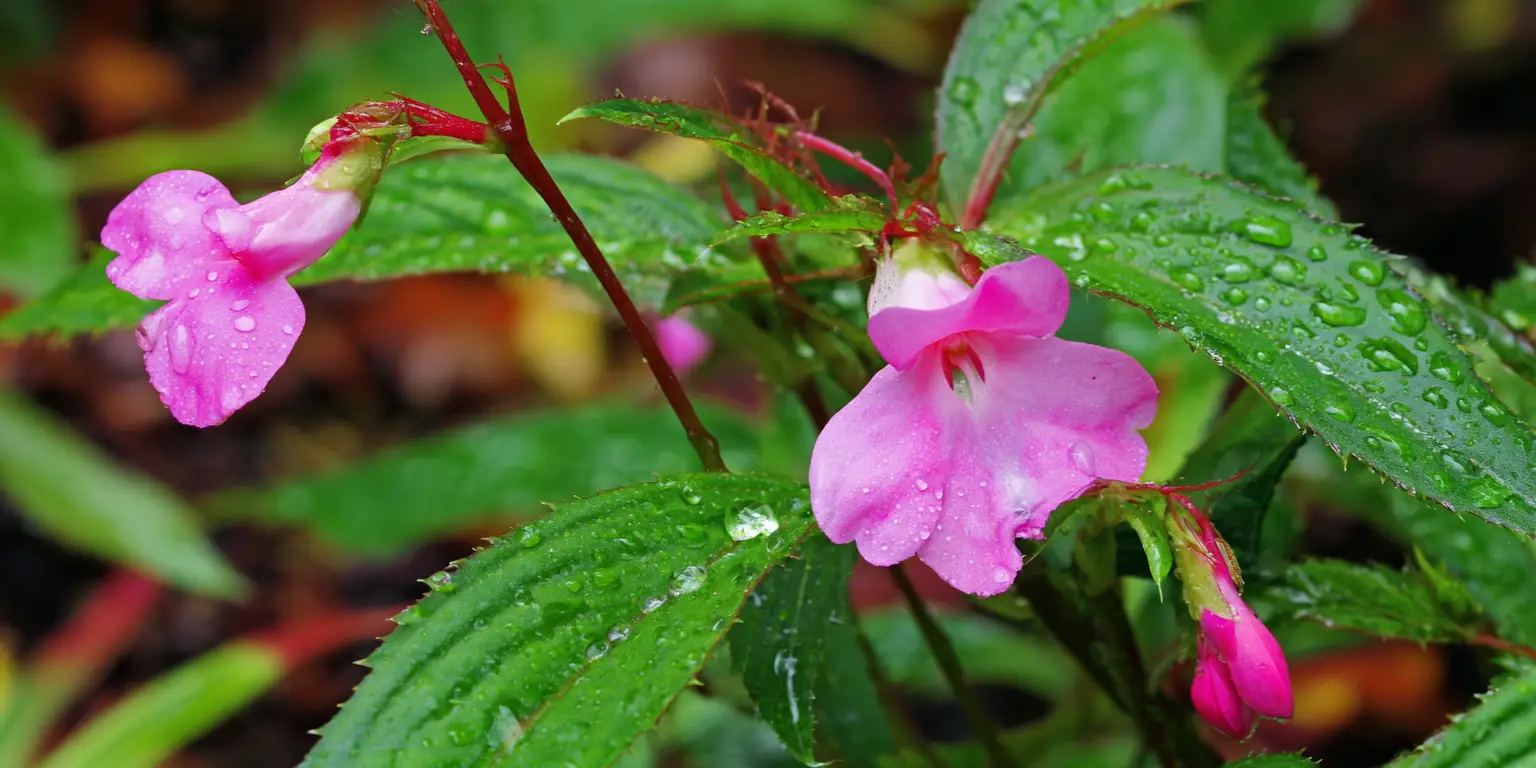
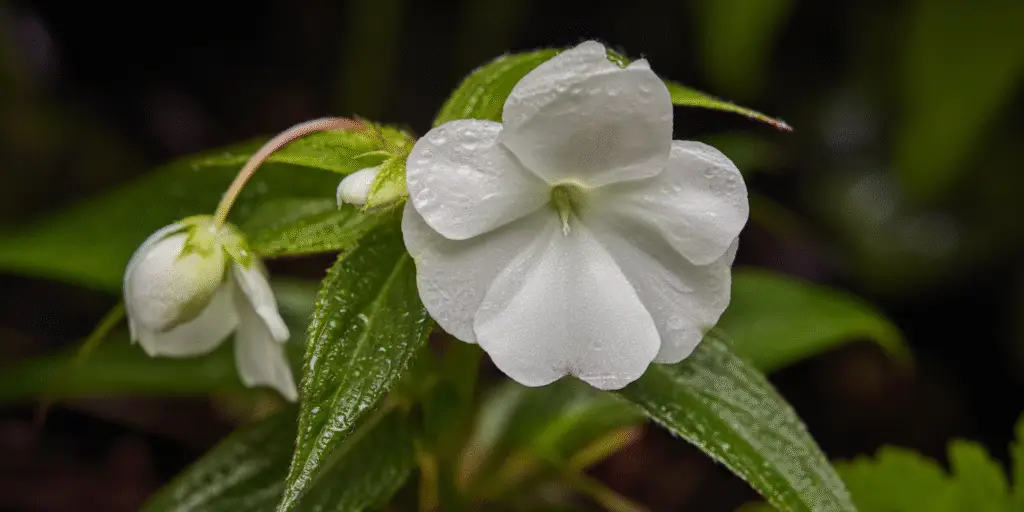
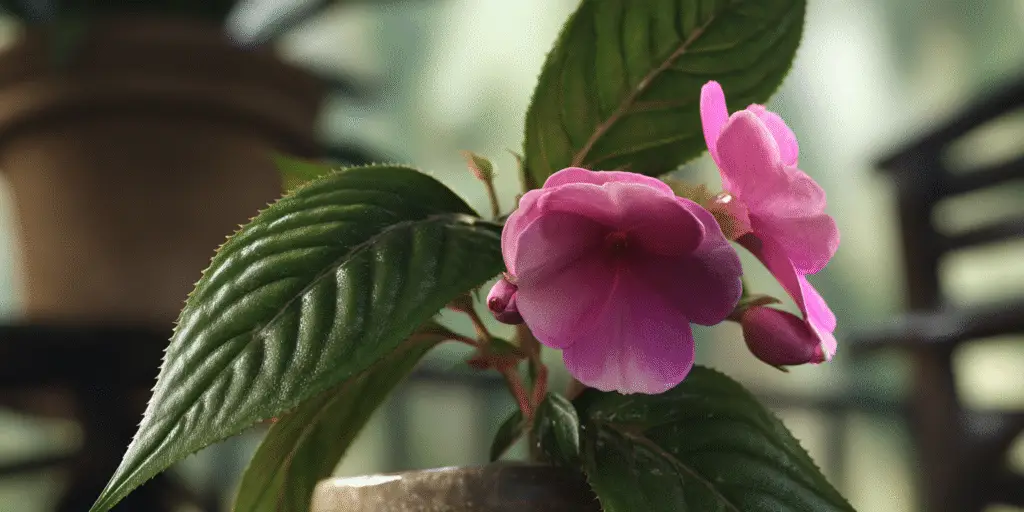
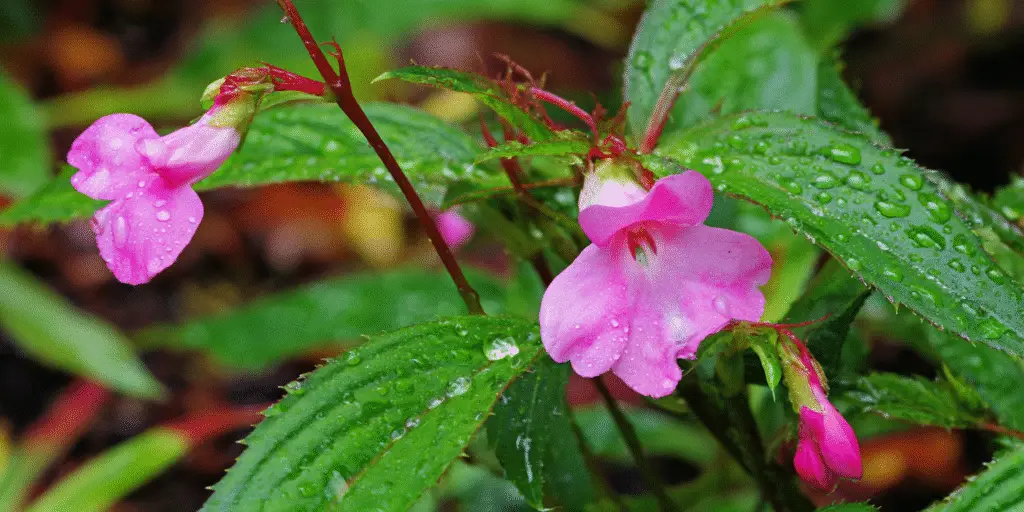
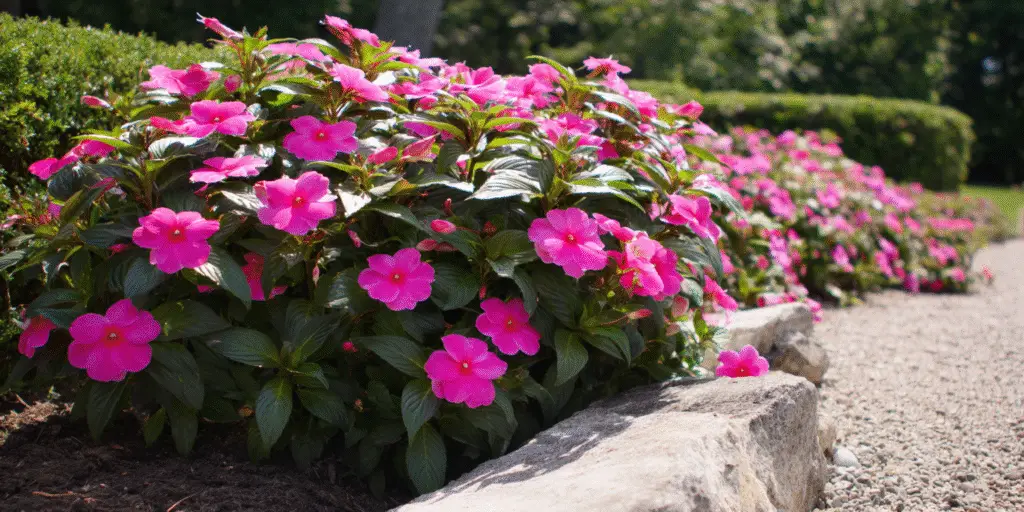
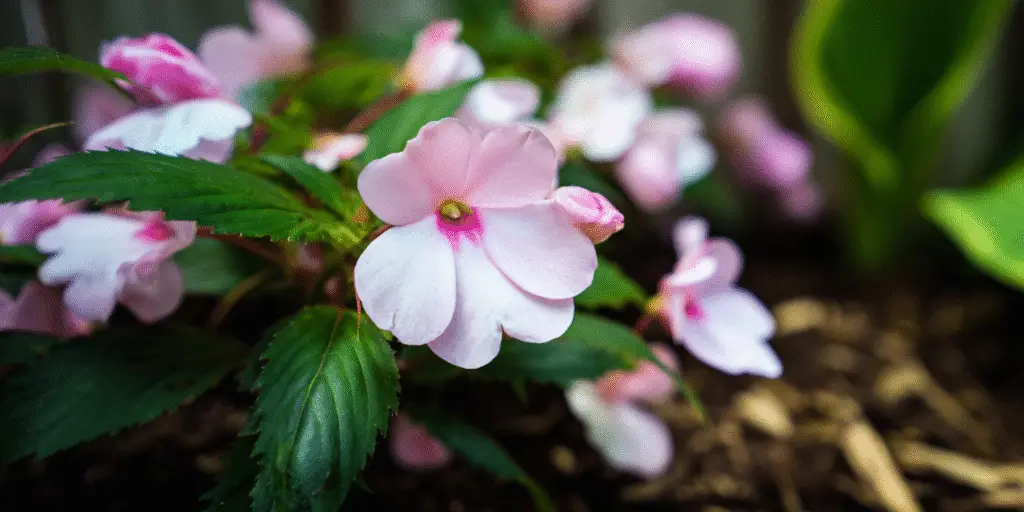
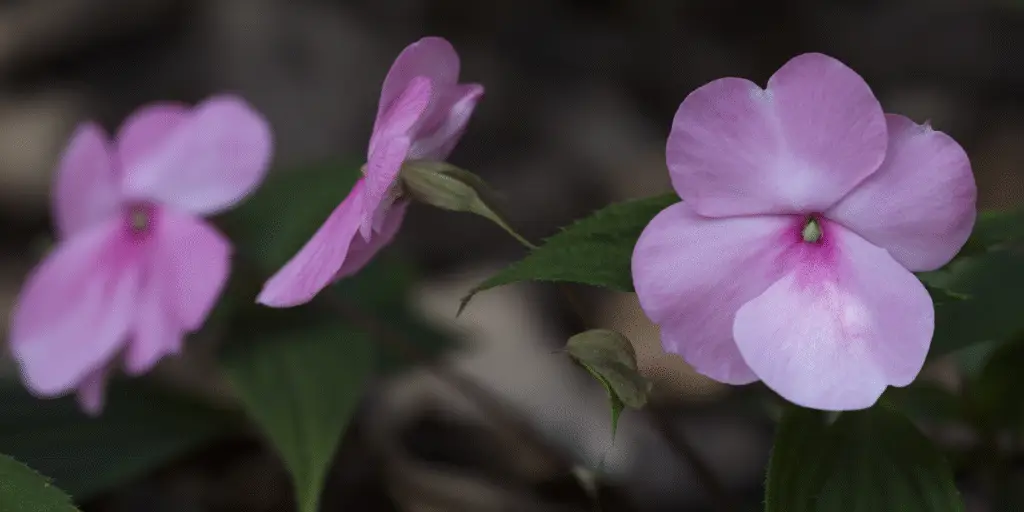
Impatiens balsamina is the old‑fashioned garden balsam grown from seed for upright color in summer. Plants carry cup‑shaped blooms along the stems and come in single and double forms. It flowers in early to mid‑summer and continues to frost where summers are warm. This species grows fastest in full sun to light shade with moist, well‑drained soil. It is widely grown as a warm‑season annual in North America. Impatiens downy mildew can affect balsam in wet, humid weather. Impatiens are considered non‑toxic to cats and dogs.
At‑a‑glance
Group/Class: garden balsam; species
Height × spread: 12–30 in (30–75 cm) × 6–18 in (15–45 cm)
Bloom window: early summer to frost
Color & flower form: singles and doubles in white, pink, red, purple; some bicolors
Fragrance: 0 none
USDA hardiness: grown as annual in most of North America
Breeder / Year / Origin: Linnaeus, 1753, South Asia
Pet safety: safe
How it differs
More upright habit than common bedding impatiens.
Thicker stems and camellia‑like double forms are common.
Prefers more sun than standard shade impatiens.
Less uniform than modern series but easy from seed.
Strengths
Quick to bloom from seed.
Tolerates brighter sites with adequate moisture.
Classic cottage‑garden look.
Can self‑seed lightly in favorable spots.
Care in one minute
Site: full sun to light shade in cooler climates; light shade in hotter areas.
Soil: fertile, well‑drained; neutral to slightly acidic.
Water: steady moisture without waterlogging.
Feeding: modest feeding to sustain bloom.
Grooming: no deadheading required; stake only if windy sites demand.
Overwintering: treat as annual; allow seed to ripen if reseeding is desired.
Watch‑outs
Impatiens downy mildew may occur in wet, humid seasons.
Stems can be brittle in wind and heavy rain.
May sprawl if overwatered or shaded too heavily.
Best uses (tags)
borders, cottage‑style, containers, sun‑tolerant, summer color
Provenance note
Impatiens balsamina has been cultivated for centuries and is native to South Asia.
Written by: Your Flowers Guide editorial team We are a small independent group of flower lovers who research and review each guide using trusted horticultural and educational sources. Learn more about us