How to Grow and Care for Gentian
Contents
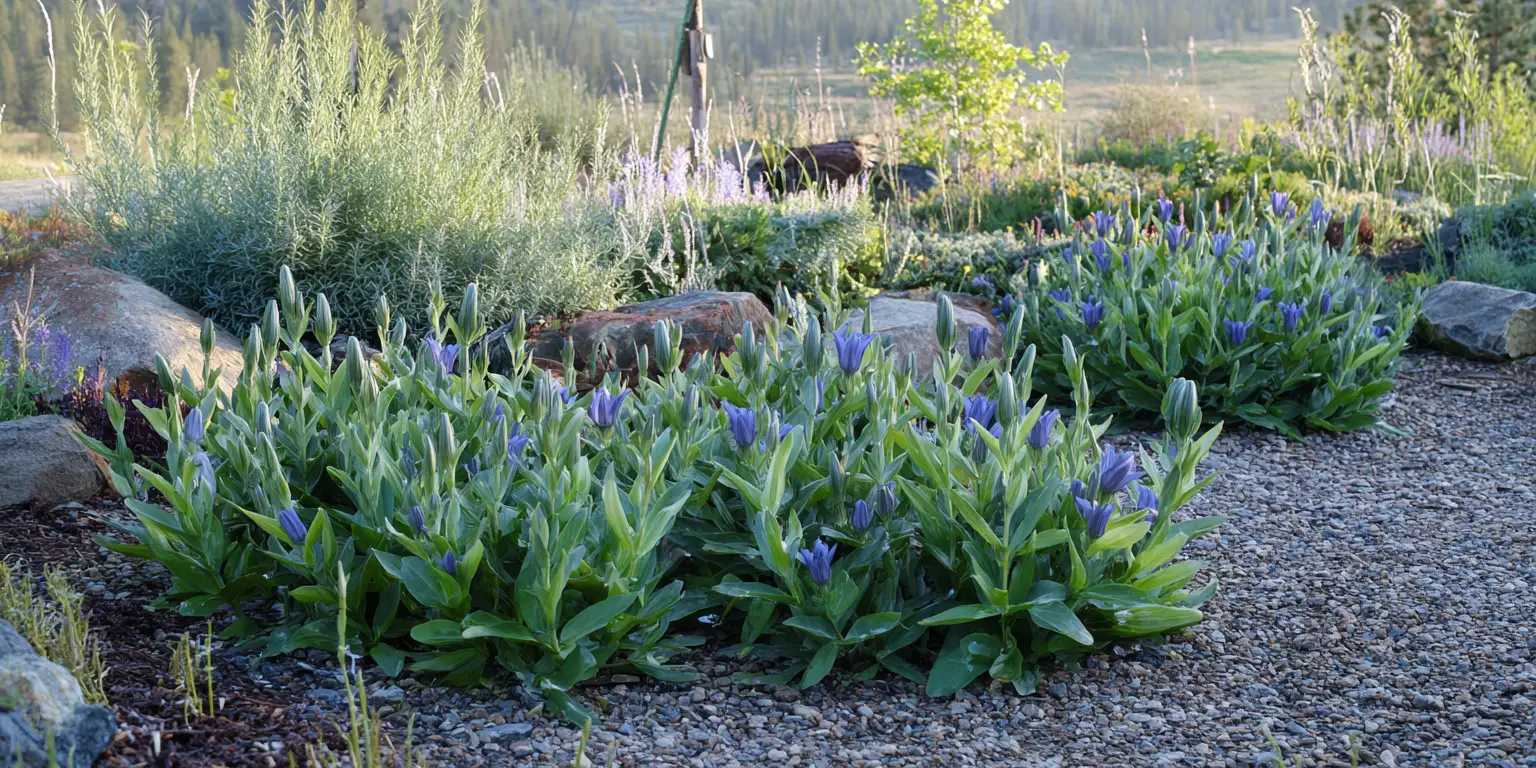
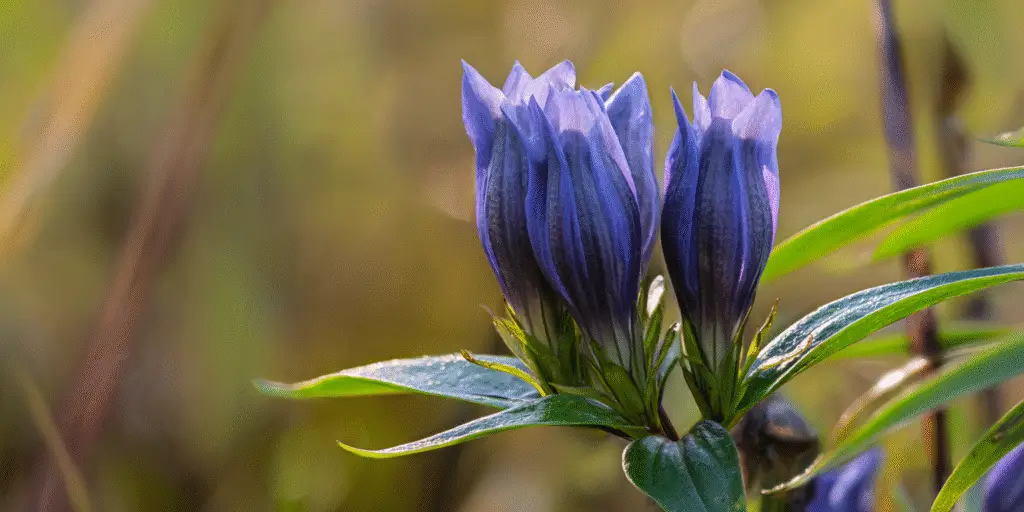
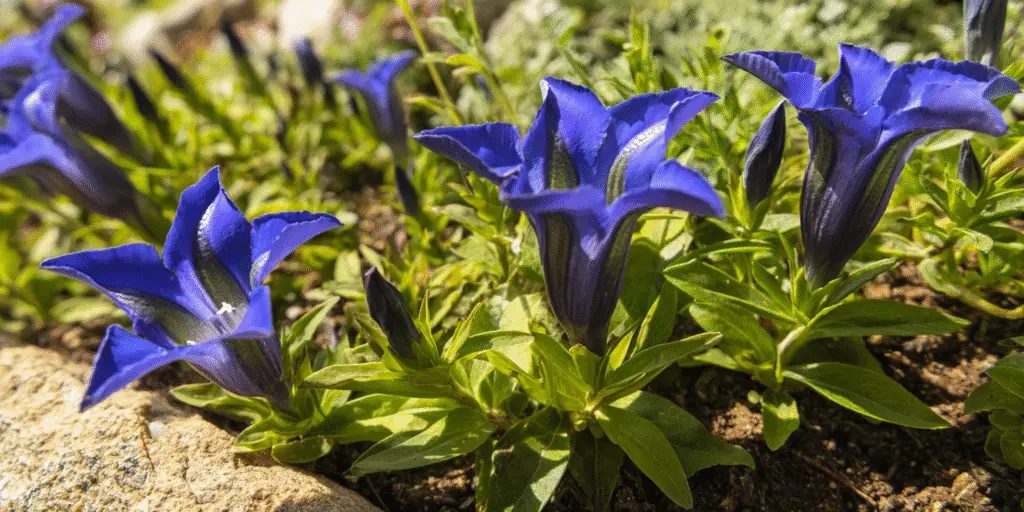
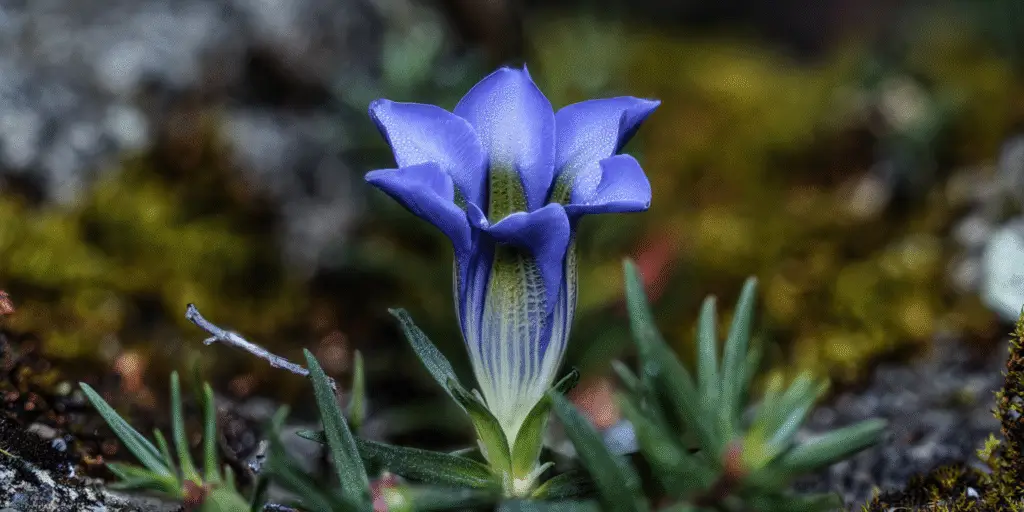
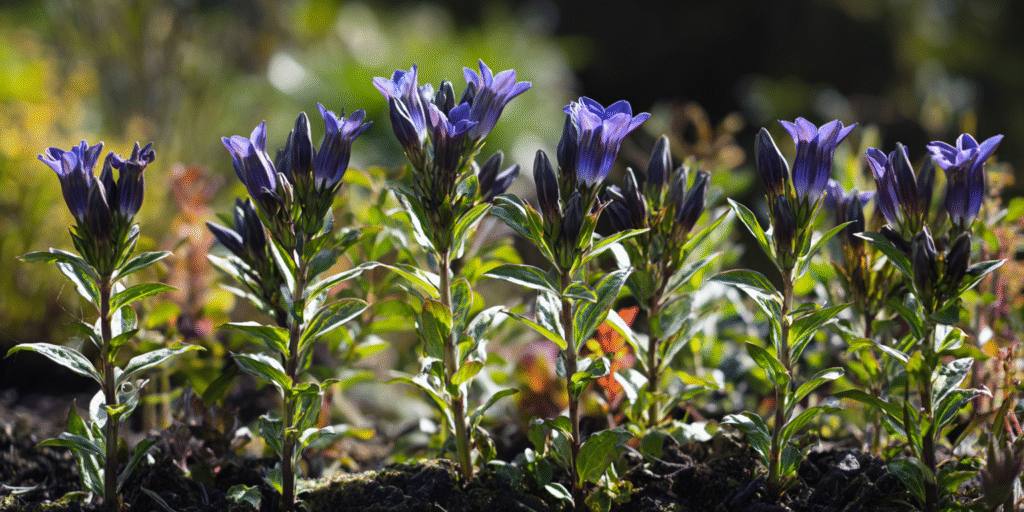
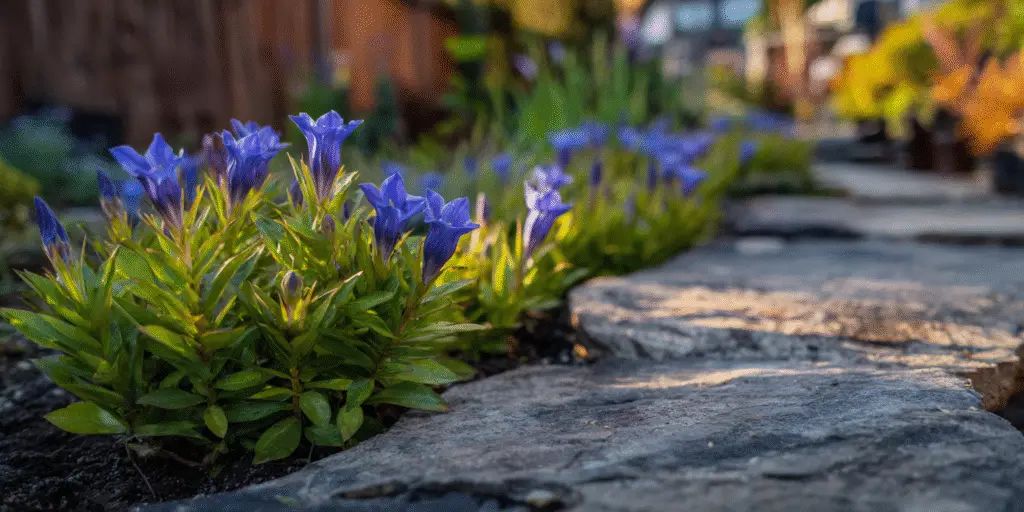
Gentian are long‑lived perennials prized for saturated blues and purples that hold their color as the season cools. The accepted botanical name for the group is Gentiana spp. in the Gentianaceae. Gardeners most often meet bottle gentian Gentiana andrewsii, trumpet or stemless gentians such as G. acaulis and G. clusii, willow gentian G. asclepiadea, and summer‑flowering spreading types like G. septemfida. Common names include gentian, bottle gentian, closed gentian, stemless gentian, and trumpet gentian. Because the genus spans alpine, meadow, and woodland edges, choose species that match your site rather than forcing a mismatch. As a rule, gentians want cool roots, even moisture in a soil that drains freely, and protection from strong afternoon sun in hot summers.
Hardiness overview. Most garden gentians are hardy through USDA Zone 3 to 7, with some selections extending into Zone 8 where summers are not hot and humid. Mountain and northern gardens often grow the widest range. Long, wet winters and heat with warm nights challenge many species. In coastal regions with cool summers, full sun is welcome. In the interior South or low deserts, performance is unreliable and demands careful siting plus afternoon shade.
Ideal sunlight. In climates with mild summers, gentians bloom best in full sun. Where summers run hot, aim for morning sun with dappled shade after midday. The goal is strong light on the foliage for flower initiation while keeping the crown from heating and drying. Wind protection is helpful since many species are low and prefer calm pockets near rocks or low shrubs.
Snapshot of success. Start with a site that drains yet stays evenly moist, target a slightly acidic to neutral pH, and protect the crown from winter wet. Plant at the original soil level and mulch lightly with leaf mold or fine grit, keeping mulch off the stems. Water deeply during the first season and avoid heavy nitrogen. Resist moving gentians once they settle. With those habits, Gentian care becomes predictable and the plants respond with dependable late summer to fall color.
Soil & Bed Preparation
Gentians dislike extremes. Heavy clay that stays wet through winter promotes root rot. Thin, sandy soils that dry quickly stunt growth and reduce flowering. A loamy, well‑structured bed with high organic matter and excellent drainage is ideal. Work 2 to 3 inches of leaf mold or compost into the top 8 to 10 inches of soil for moisture holding without waterlogging. For alpine species such as G. acaulis, increase mineral content with fine grit or coarse sand so water moves through but does not vanish in one hot afternoon. For meadow natives like G. andrewsii, keep organic matter a bit higher so the soil holds steady moisture.
Raised beds vs in‑ground. If your native soil drains slowly or holds water after rain, build a raised bed 6 to 12 inches high. A raised bed lets you control texture and pH from the start and reduces freeze to thaw heaving. In naturally free‑draining ground, excavate and backfill with a mix that mimics a humus‑rich forest edge for meadow species or a gritty alpine scree for stemless kinds. Do not bury the crown and do not cap the root zone with an impermeable bark mat that sheds water away from the feeder roots.
Texture and aeration. Alpine and rock‑garden species appreciate a mineral‑rich profile. Blend roughly equal parts quality topsoil, screened compost, and crushed granite or poultry grit per wheelbarrow, then adjust with more grit in humid climates. Meadow species favor a moisture retentive loam. Blend quality topsoil with leaf mold and a small portion of perlite to keep oxygen around the crown. Gentians have fleshy, sometimes taprooted systems that resent stagnant, airless pockets. Good aeration prevents crown and root rots.
Drainage Test and pH Targets. Dig a hole 12 inches wide and 12 inches deep. Fill with water and let it drain. Refill and time the second drain. A percolation time of 30 minutes to 90 minutes is the target. Slower than 2 hours calls for more grit and perhaps a raised bed. Faster than 15 minutes needs more organic matter. For pH, most garden gentians perform in 5.5 to 6.8. A few species tolerate neutral to slightly alkaline soils, but unless your chosen species is documented as lime loving, aim for mildly acidic. Use a cooperative extension soil test to confirm pH, then follow the lab’s recommendations to lower pH with elemental sulfur or raise it with finely ground agricultural lime. Make adjustments in small steps and retest after a season rather than trying to force a rapid change.
Planting Calendar by USDA Zone
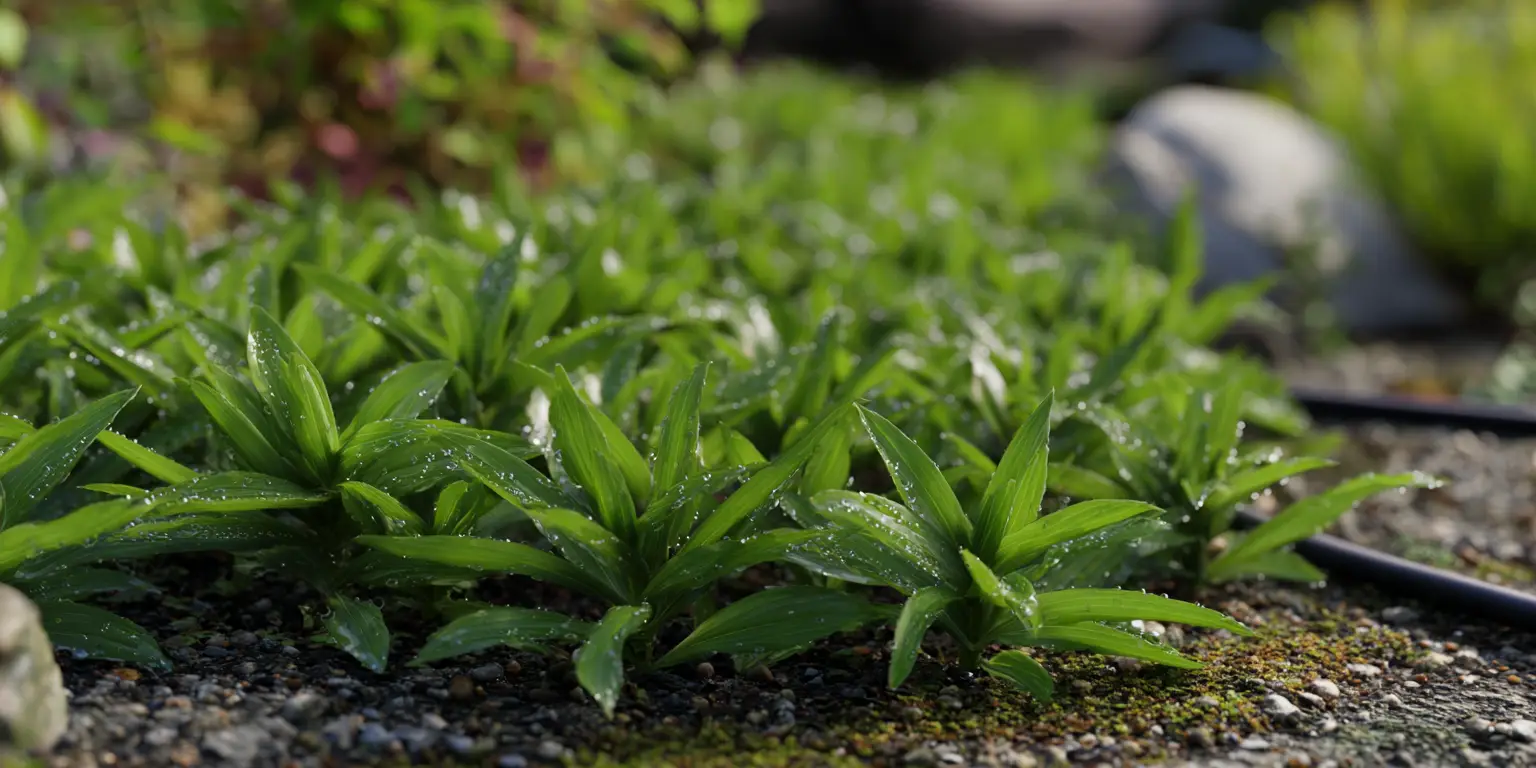
Gentians prefer cool roots during establishment. Planting windows vary with climate. The dates below reflect perennial planting for Gentiana in typical U.S. conditions. In hot‑summer regions, front‑load the calendar into cooler months and give more afternoon shade.
Zones 3 to 4. Plant container gentians late spring once soil is workable and has warmed to about 50 °F (10 °C). Fall planting is possible from late August to mid‑September, which allows roots to settle before deep freezes. In exposed sites, use a light winter mulch after the ground freezes to limit heaving. Bare‑root divisions should go in early spring as soon as the soil can be handled without smearing.
Zones 5 to 6. Early fall is the most dependable window for transplanting, roughly early September to mid‑October, since roots grow strongly in cool soil. Spring planting works from mid‑April to late May. Avoid the hot midsummer period, especially for alpine species. Bare‑root or plug material should be planted on an overcast day and watered in thoroughly. In Zone 6 interiors with warm nights, prioritize fall installation.
Zone 7. Choose fall planting from late September to late October so plants avoid the first summer while young. Spring is acceptable in cooler pockets, but finish by mid‑April. Afternoon shade is essential, and moisture management matters during the first summer. Mountain and piedmont locations perform better than low coastal plain sites.
Zones 8 to 9. Gentians are specialty plants in these zones. Plant from late fall into winter, about November to January, so the root system expands during cool weather. Restrict choices to heat‑tolerant species and provide morning sun with bright afternoon shade. In coastal Zone 9 with persistent humidity and warm nights, use containers or elevated rock gardens with sharp drainage and consider the plants short‑lived.
Planting: Depth & Spacing
Bulbs or Tubers. Gentians are not bulbs or tubers. Occasionally nurseries offer dormant divisions or root pieces. If you receive a root section with obvious buds, lay it horizontally with buds just at the soil surface. Cover with about 0.5 inch of fine mix and keep evenly moist until growth resumes. Avoid deep burial since crowns must breathe.
Bare‑Root or Divisions. Some species form clumps that allow careful division, but many resent disturbance. If dividing, choose early spring as growth begins. Trim damaged roots, soak the roots 15 minutes in room‑temperature water, and plant with the crown level to the soil surface. Spread roots naturally into the planting hole rather than circling them. For low rock‑garden gentians 4 to 6 inches tall, space 8 to 12 inches apart. For clumping meadow species 12 to 24 inches tall, space 14 to 18 inches. For the tall yellow gentian types reaching 36 to 48 inches, allow 18 to 24 inches so air moves between stems and foliage dries after rain.
Container‑Grown. Water the pot thoroughly the day before planting. Slip the plant from the container and loosen only the outer roots without tearing the core. Set the crown flush with the surrounding grade or a fingertip above to allow for settling. Backfill with your prepared mix, press gently to remove large air pockets, and water to settle. Shade the plant with a low board or light row cover for two to three days during heat. Acclimate greenhouse‑grown plants by hardening off in bright open shade for 7 to 10 days before planting in full sun. Gentians can sulk after rough handling, so be patient and keep watering even, not excessive.
Transplant shock minimization. Plant on a cool, calm day. Pre‑hydrate the root ball, and avoid fertilizing in the hole. After planting, apply a dilute seaweed extract or compost tea if you use those products in your garden routine, then focus on steady moisture and light shade during the first warm spell. Do not overcorrect by piling mulch over the crown.
Watering & Mulching
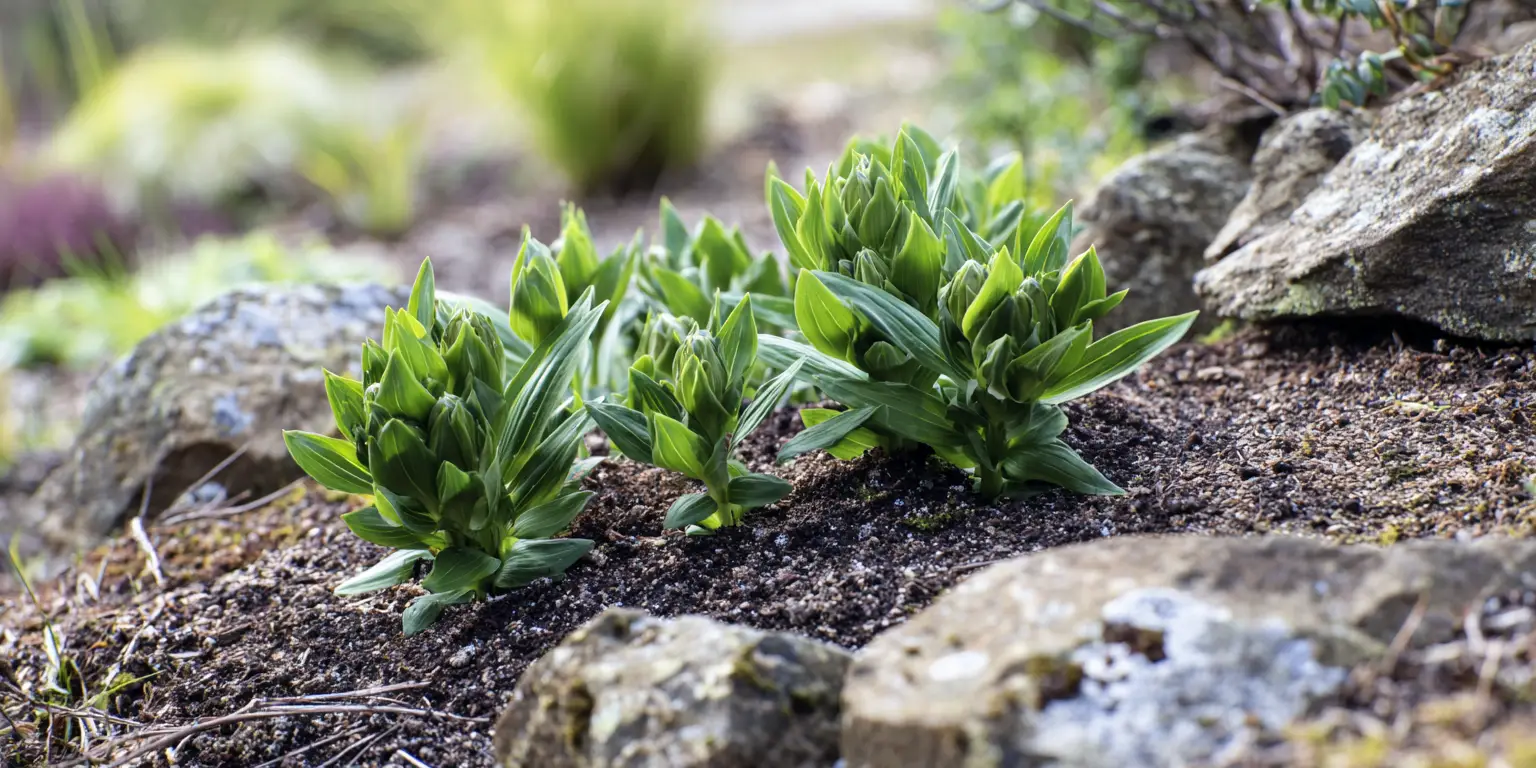
Establishment watering sets the tone for consistent performance. During the first growing season, provide the equivalent of about 1 inch of water per week from rain and irrigation combined. In dry spells, water deeply every 5 to 7 days, applying 1 to 1.5 inches to the root zone. Use a simple rain gauge and adjust by soil feel. Mature gentians need less attention but still prefer evenly moist soil. Allow the top inch to dry slightly between irrigations, then water thoroughly. In containers, water when the top 0.5 inch feels dry and let excess drain freely. Never leave pots standing in saucers of water.
Mulch types and thickness. In meadow beds, apply 1 to 2 inches of shredded leaves, leaf mold, or fine bark. Keep mulch 1 inch away from stems. In rock gardens, top‑dress with 0.5 to 1 inch of crushed granite or pea gravel around the crown. Mineral mulch keeps the crown dry, deters slugs, and moderates soil temperature. Avoid heavy, matting mulches that trap moisture at the crown for days after rain.
Preventing crown or root rot. The trifecta of problems is warm soil, low oxygen, and persistent wetness. Break that cycle by watering early in the day, keeping mulch light near the crown, and maintaining a crumbly, breathable soil structure. If you garden in a region with warm, wet summers, consider a slight mound or a raised rock pocket so gravity aids drainage during tropical rains.
Heat spikes and drought management. During a heat wave above about 90 °F (32 °C), rig temporary shade cloth and water in the morning so plants start the day fully hydrated. In dry continental climates, a weekly deep soak keeps flower buds from aborting. In humid climates, lighten irrigation once nights turn warm to avoid protracted wetness at the crown.
Salinity and hard‑water notes. Hard irrigation water can drift soil pH upward. If your tap water is alkaline, collect rainwater for containers and rock gardens and check pH annually. In coastal gardens with saline spray or groundwater, site gentians upwind behind shrubs or walls and leach salts with fresh water after storms.
Feeding
Gentians are light feeders. Overfertilizing produces lush leaves and few flowers. Before you feed, test the soil so you know what is already available. Where tests show low fertility, top‑dress in early spring with 0.5 to 1 inch of compost. If you prefer granular fertilizer, use a slow‑release, low‑nitrogen product with a ratio around 3‑4‑4 to 5‑7‑5 at label rates in early spring as growth resumes. In lean, gritty alpine beds, a light top‑dress right after bloom can help plants replenish carbohydrate reserves. Skip mid‑summer high‑nitrogen formulas.
Soil biology pointers. Aim for 4 to 6 percent soil organic matter in meadow beds. In rock gardens, keep organic matter lower but consistent and rely on mulch over time to feed soil microbes. Retest every two or three years, and adjust pH gradually if it wanders. If growth is weak despite correct water and pH, check for compacted layers or decaying mulch mats before adding more fertilizer.
Pruning & Support
Gentians need minimal pruning. Remove winter‑tired foliage in early spring with clean shears. After flowering, snip spent stems to tidy the clump, leaving some seed heads if you want self‑sown seedlings. Many species open late and finish as frost arrives, so leave healthy foliage in fall to photosynthesize until a hard freeze. Avoid cutting evergreen rosettes on stemless gentians since those leaves carry the plant through winter.
Support. Low alpine species rarely need staking. Tall species such as G. lutea benefit from a discreet stake in windy sites so heavy stems do not lean. Place support at planting to avoid rooting damage later. Space plants for airflow to reduce foliar disease during damp spells.
Tool hygiene. Clean pruners between plants to limit disease spread. A quick dip or wipe in 70 percent isopropyl alcohol works. Let blades dry before the next cut. Keep mulching tools free of decaying material so you do not spread fungi from one bed to another.
Overwintering
Where winters freeze, gentians appreciate a steady, insulating layer that keeps soil temperatures more even. In late fall, after two or three frosts and once the ground is nearly frozen, apply 1 to 2 inches of shredded leaves or leaf mold over meadow species. For alpine kinds, use a light grit mulch around the crown to divert winter wet without smothering. The goal is protection from repeated freeze to thaw cycles that can heave the crown.
Freeze to thaw management. In exposed sites, set spruce or pine boughs over the clump to trap snow and shade the crown. Remove covers in early spring once snow melts and the surface begins to thaw consistently. Avoid thick hay or straw in wet climates since it can trap moisture against the crown during a midwinter warm spell.
Rodent protection. In regions with vole pressure, lay a flat piece of half‑inch hardware cloth under the mulch and weigh it with a rock. Check it in spring and lift once growth resumes. Keep mulch thin near the collar so rodents have less cover.
Container plants. Overwinter containers in a cold frame, unheated garage, or against a north or east wall where they stay cold but not bone dry. Water lightly every 4 to 6 weeks so the root ball does not desiccate. In Zone 5 and colder, double pot by sinking the plant’s container into a larger pot filled with leaves to buffer freeze to thaw shifts.
Growing Environments
Gentians grow well in containers when you match the mix and volume to the species. Low alpine types succeed in 2 to 3 gallon pots with free‑draining mineral mixes. Taller meadow species perform in 5 gallon containers or larger. Ensure large drainage holes, use pot feet to raise the base 0.5 inch, and avoid saucers that hold water. A durable container mix is roughly 40 percent fine pine bark, 40 percent peat or coir, and 20 percent perlite or crushed granite by volume. Refresh the top 2 inches each spring.
Microclimate tips. On south or west exposures that collect heat, tuck gentians where rocks cast afternoon shade and where breezes move across the bed without blasting. Bright, cool morning light is ideal. In windy plains, a low fence, boulder, or shrubby companion provides shelter so flower stalks are not whipped. City courtyards with reflected heat and warm night air challenge gentians; in those settings, plant larger volumes of soil and offer more afternoon shade.
Special notes for hot and humid regions. Choose species with a reputation for tolerance such as G. scabra selections, which often accept more heat, and run them in elevated, gritty beds. Focus on morning sun, afternoon shade, and even moisture rather than constant wetness. In very hot areas, treat some gentians as short‑lived perennials, replanting every few years.
Companion Planting & Design
Gentians deliver saturated blues and purples just as many borders fade. In mixed beds, use them near the front where low flowers show. For rock gardens, nestle the rosettes among stones where mineral mulch keeps the crown dry and frames each bloom. In meadow or woodland edges, plant bottle gentian in groups of three or five so late flowers read as a patch of color. Foliage contrast matters since many gentians carry narrow leaves; thread in broader textures to show them off.
Companions that match moisture. Pair bottle gentian with moisture‑loving natives like turtlehead and blue lobelia in a rain garden, or with woodland sedges along a shady path. For alpine types, companions include dwarf campanulas, small dianthus, and low fescues that enjoy sharp drainage. In cool summer climates, small heaths and heathers can provide a protective overstory of shade for the crown while keeping soil on the acidic side.
Color strategy and anchors. Gentians anchor many blue flowers schemes. Add contrast with white flowers to make the blues appear deeper, or weave in spires from purple flowers groups to pull the palette through a larger bed. For readers exploring broader plant palettes, refer to our types of flowers collections and seasonal color guides. In shade near hydrangeas, a small drift of gentians at the border can echo the cool tones of hydrangea macrophylla, especially where soils run on the acidic side. Gentians are not the best match for hot, dry herb borders filled with lavender, but they shine in cool beds that stay evenly moist. Designers planning events can also dip into the wedding flowers guide to coordinate late season color around a patio.
References
Missouri Botanical Garden, Plant Finder: Gentiana andrewsii – Missouri Botanical Garden.
Missouri Botanical Garden, Plant Finder: Gentiana angustifolia – Missouri Botanical Garden.
Chicago Botanic Garden, Plant Finder: Gentiana andrewsii – Chicago Botanic Garden.
Chicago Botanic Garden, Plant Finder: Gentiana clusii – Chicago Botanic Garden.
North Carolina State University Extension, Plant Toolbox: Gentiana acaulis – NC State University.
North Carolina State University Extension, Plant Toolbox: Gentiana saponaria – NC State University.
North Carolina State University Extension, Plant Toolbox: Gentiana catesbaei – NC State University.
Lady Bird Johnson Wildflower Center, Native Plant Database: Gentiana andrewsii – The University of Texas at Austin.
Kew Science, Plants of the World Online: Gentiana genus overview – Royal Botanic Gardens, Kew.
USDA Agricultural Research Service: USDA Plant Hardiness Zone Map – United States Department of Agriculture.
Written by: Your Flowers Guide editorial team
We are a small independent group of flower lovers who research and review each guide using trusted horticultural and educational sources. Learn more about us