
in bloom
now
through Oct
Bloom calendar
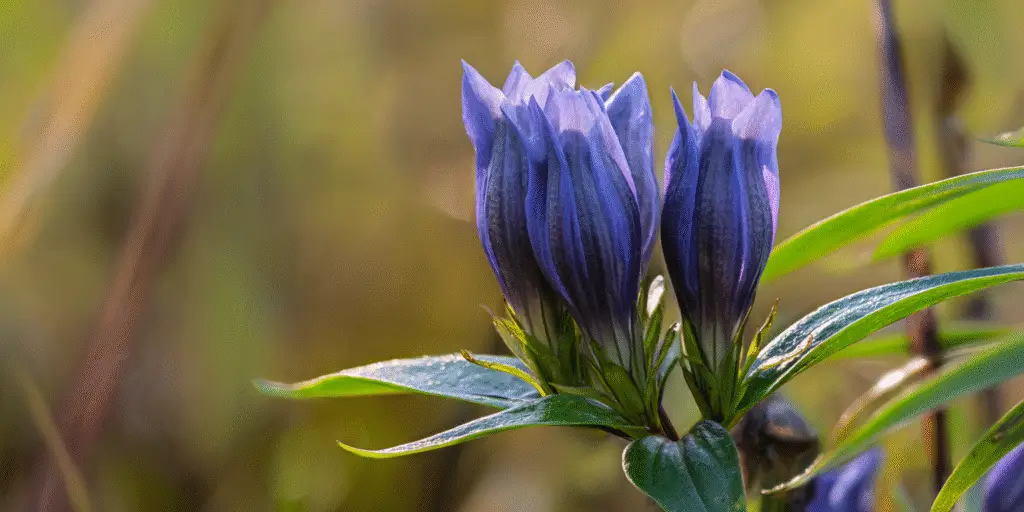
Gentiana andrewsii
bottle gentian · Grisebach, 1837, North America
At‑a‑glance
- Group/Class: bottle gentian
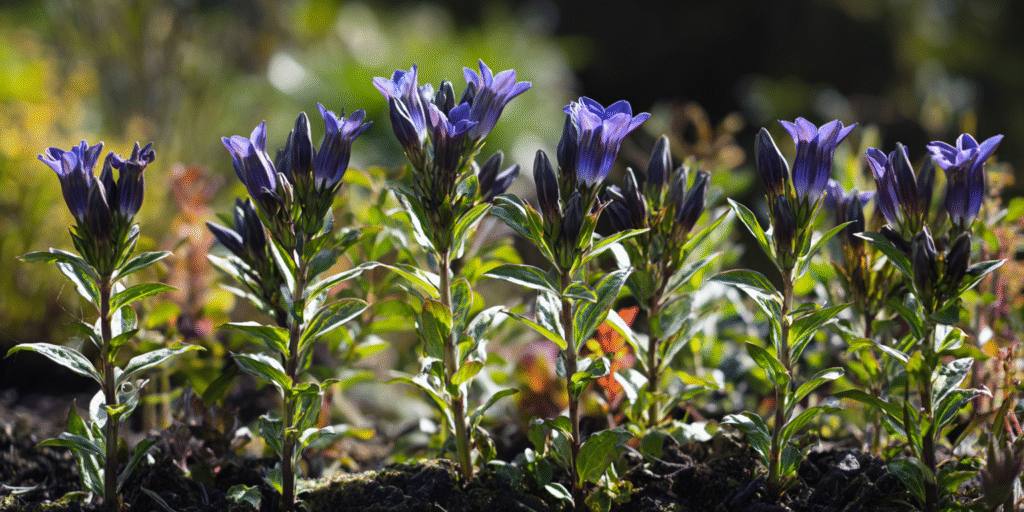
- Height × spread: 12-24 in (30-60 cm) × 12-18 in (30-45 cm)
- Bloom window: August to October
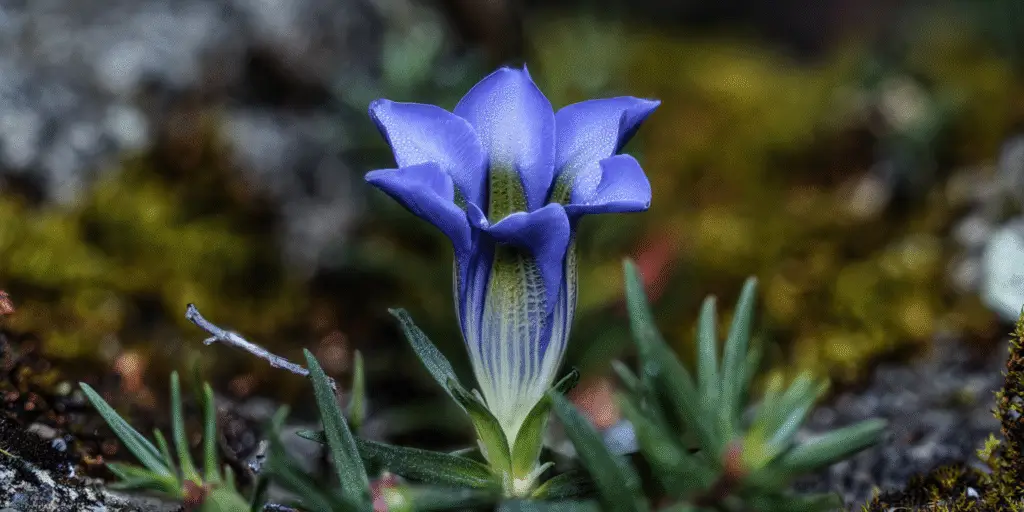
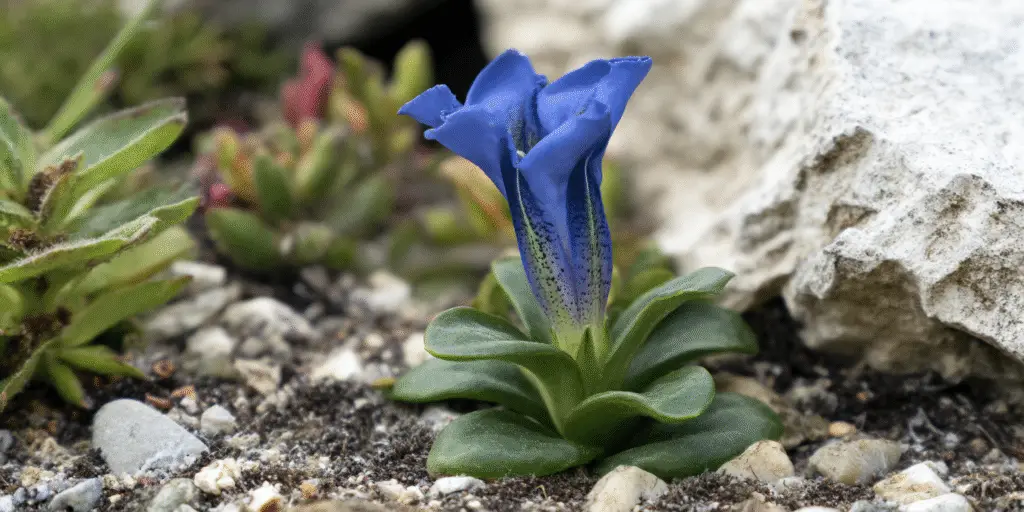
- Color & flower form: deep blue to violet, bottle‑shaped closed blooms
- Fragrance: 0 none
- USDA hardiness: zones 3-7
- Breeder / Year / Origin: Grisebach, 1837, North America
- Pet safety: unknown
How it differs
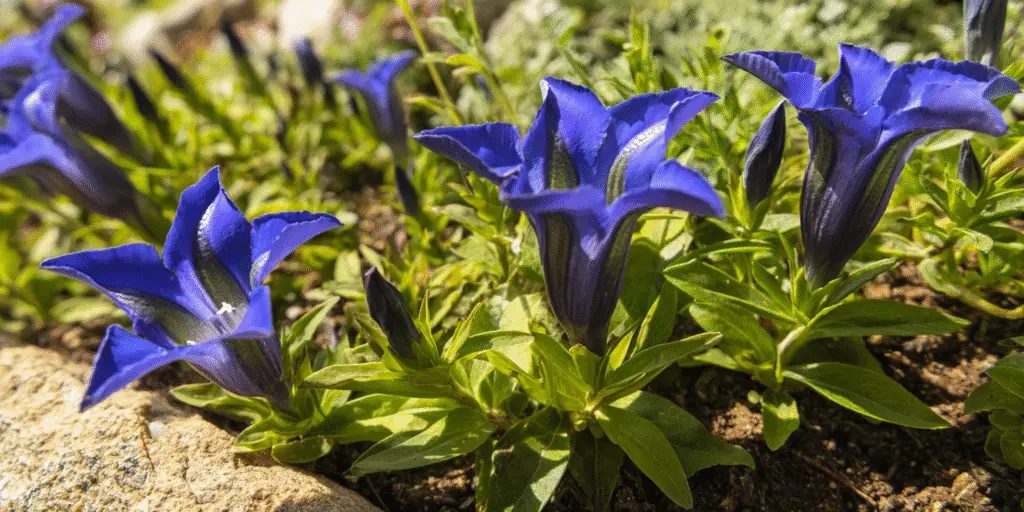
- Flowers remain closed and require strong bees compared with open‑flowered gentians.
- Prefers consistently moist to wet soils rather than sharp alpine drainage.
- Later bloom extending into fall compared with spring gentians.
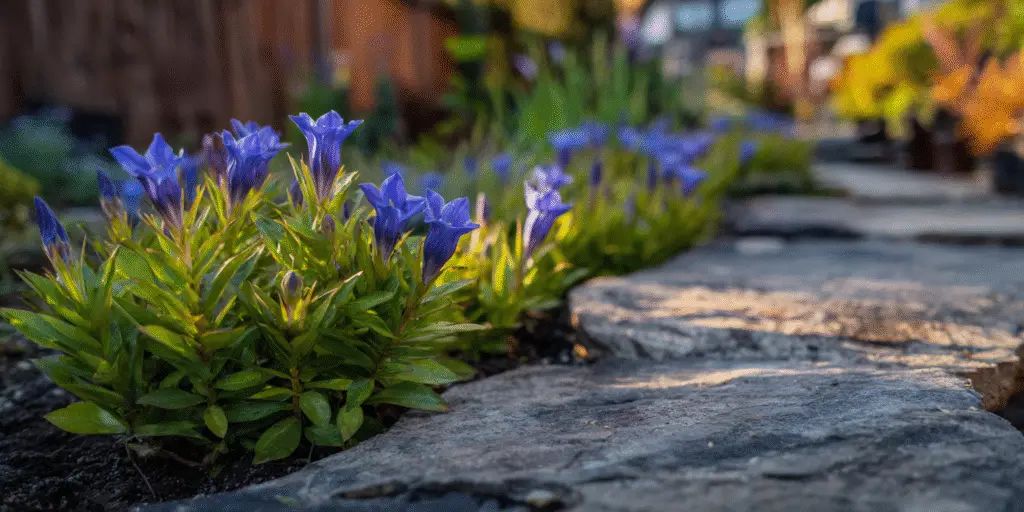
- Taller, upright clumps suited to borders and wet meadows.
Strengths
- Late‑season blue color.
- Native species suitable for ecological plantings.
- Takes sun to part shade if soil stays moist.
- Sturdy stems in established clumps.
Care in one minute
Plant in sun to part shade where soil stays moist through summer.
Use loam with organic matter; neutral to slightly acidic pH.
Water deeply in dry spells to prevent bud drop.
Top‑dress with compost each spring; avoid high‑salt fertilizers.
Leave stems over winter for crown protection; cut back in early spring.
Watch‑outs
- Needs consistent soil moisture; drought reduces flowering.
- May self‑seed slowly in suitable sites.
- Not ideal for hot, dry summers without irrigation.
Best uses (tags)
Provenance note
Described by A. Grisebach in Flora Boreali‑Americana (1837). Native from the Dakotas to the East Coast and into eastern Canada.
References
- Missouri Botanical Garden Plant Finder – Gentiana andrewsii
- USDA Forest Service Plant of the Week – Gentiana andrewsii
- Lady Bird Johnson Wildflower Center – Gentiana andrewsii
Similar Flowers
Enjoying our flower guides? Add YourFlowersGuide as a preferred source on Google. It helps more readers find us.
Add to Preferred Sources