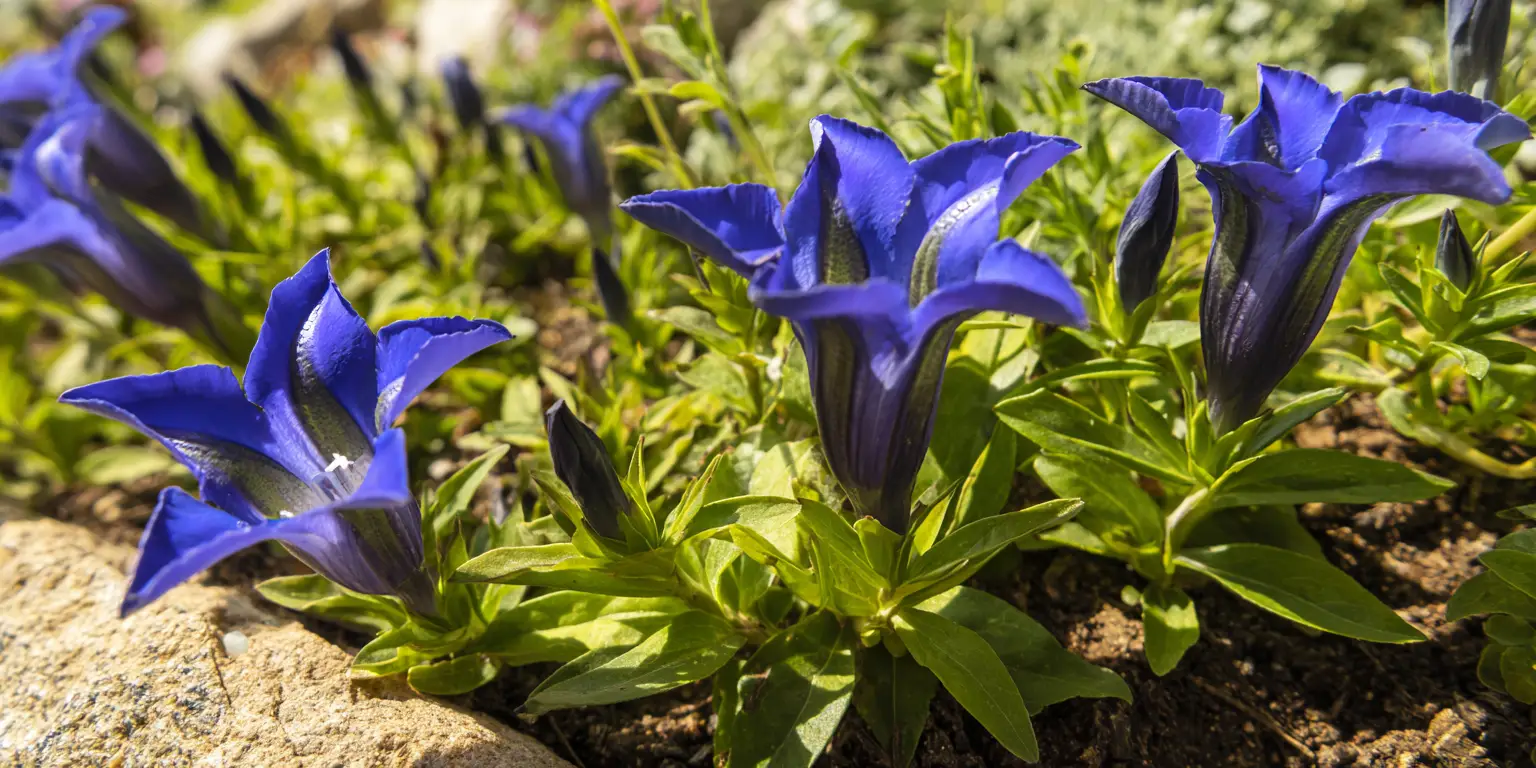
in bloom
now
through Oct
Bloom calendar
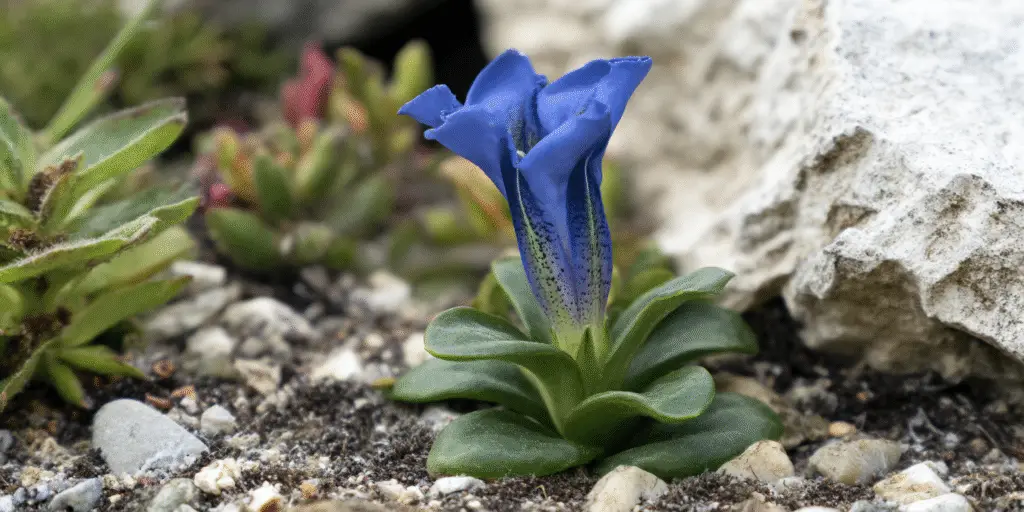
Gentiana septemfida
crested or summer gentian · Pallas, 1776, W and C Asia
At‑a‑glance
- Group/Class: crested or summer gentian
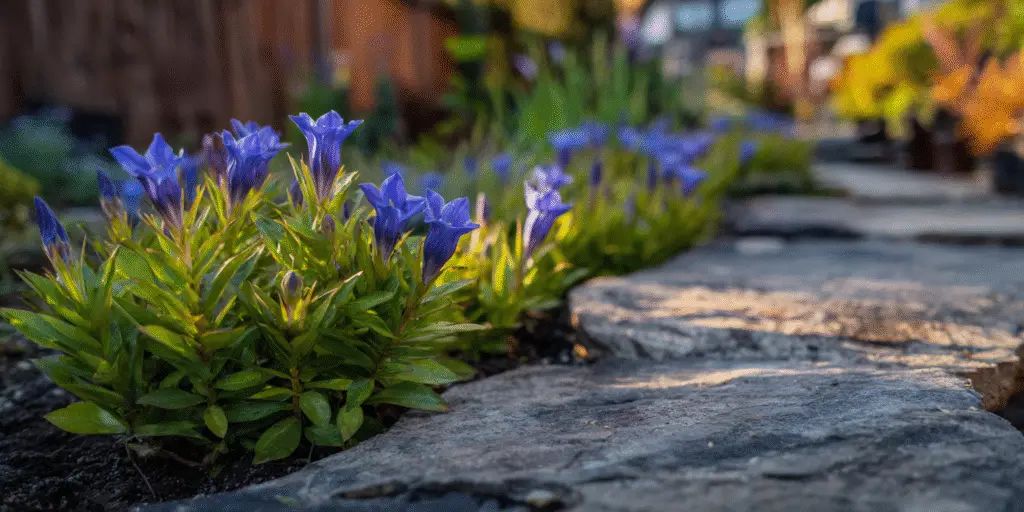
- Height × spread: 6-10 in (15-25 cm) × 12-18 in (30-45 cm)
- Bloom window: late summer
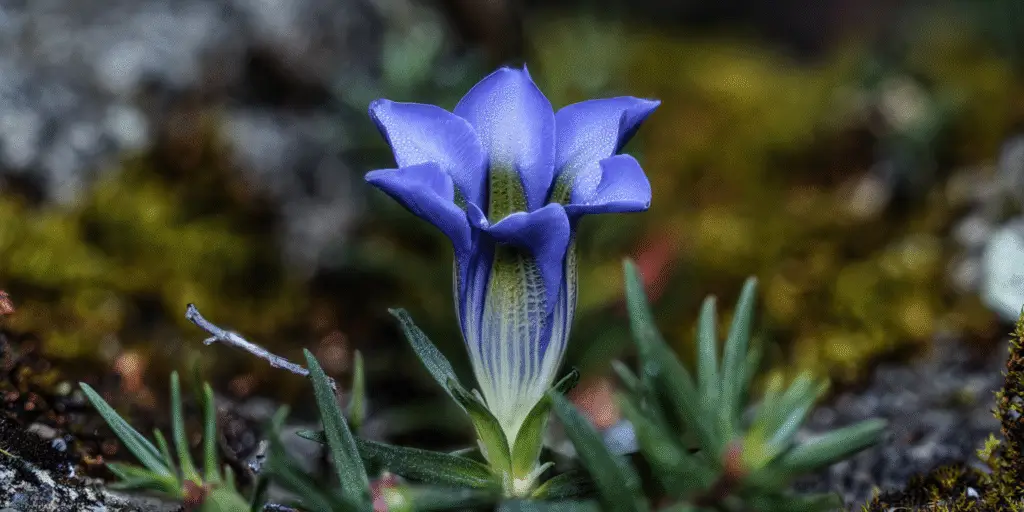
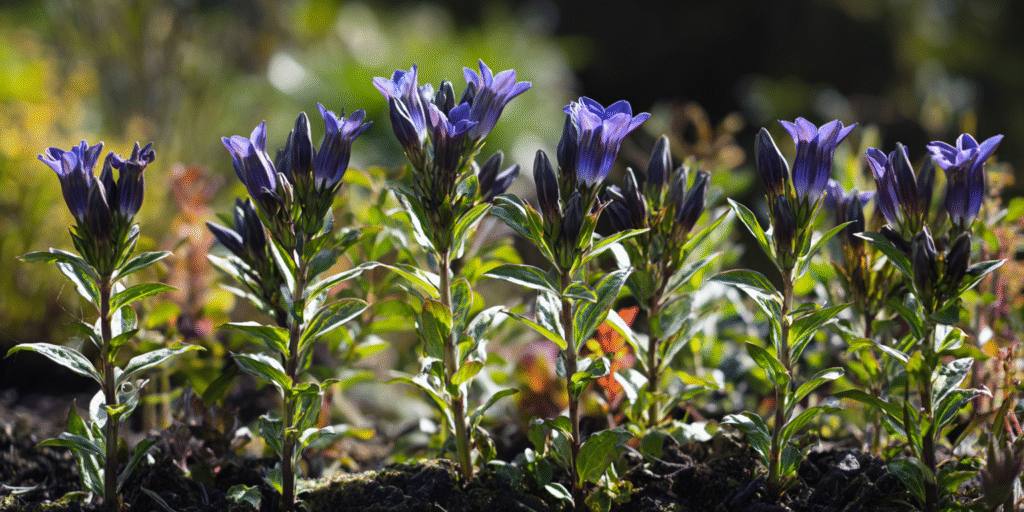
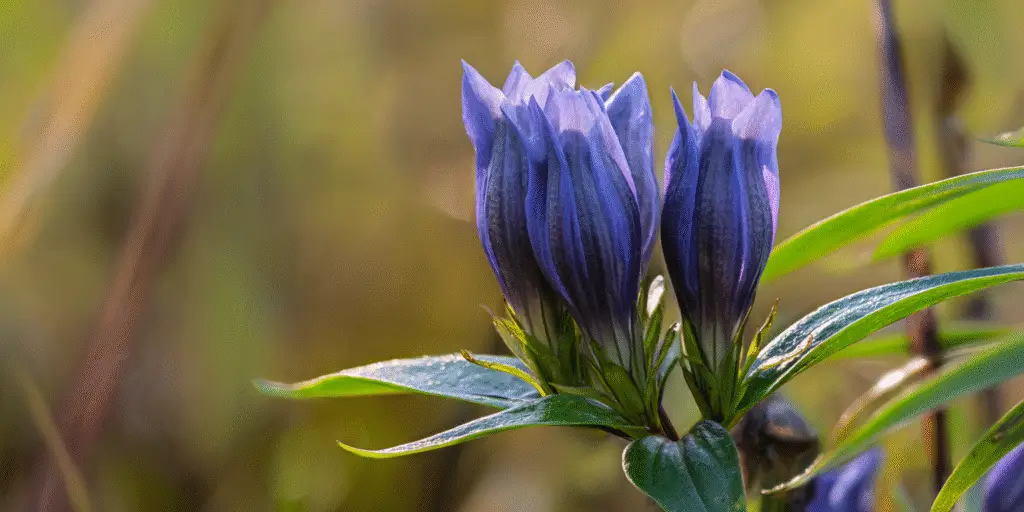
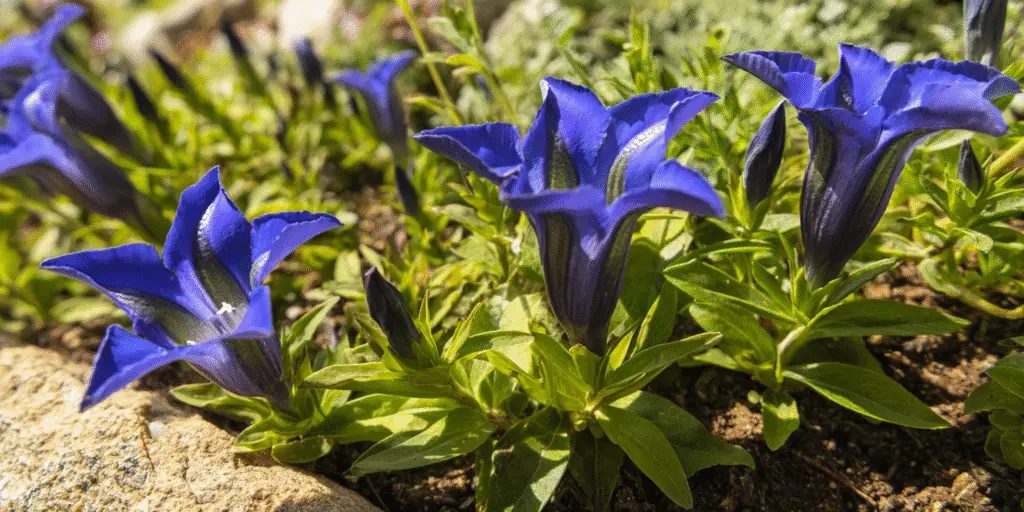
- Color & flower form: mid‑blue trumpets in small clusters
- Fragrance: 0 none
- USDA hardiness: unknown / varies by climate
- Breeder / Year / Origin: Pallas, 1776, W and C Asia
- Awards/registration: RHS Award of Garden Merit
- Pet safety: unknown
How it differs
- Summer bloom earlier than many autumn Chinese gentians.
- Low, trailing habit instead of upright border form.
- Reported tolerance of a wider soil pH range than lime‑hating autumn types.
- Often easier to establish than high‑alpine species.
Strengths
- Reliable summer blue color in cool climates.
- Compact habit for front of border and rock work.
- Recognized with RHS AGM for garden merit.
Care in one minute
Grow in full sun in cool regions; provide light afternoon shade where summers are hot.
Use humus‑rich, evenly moist, free‑draining soil; avoid waterlogging.
Water during dry spells to keep soil from drying out.
Apply a light spring feed; do not overfertilize.
Divide clumps in spring if needed and replant promptly.
Watch‑outs
- Can be prone to root rot in poorly drained soil.
- Susceptible to slugs, snails, and aphids in damp summers.
- Flowering may pause in prolonged heat.
Best uses (tags)
Provenance note
Native across the Caucasus and adjacent areas of W and C Asia; long in cultivation and selected in many forms.
References
- RHS – Gentiana septemfida (AGM)
- Kew – Plants of the World Online, Gentiana septemfida
- North American Rock Garden Society – Gentiana overview
Similar Flowers
Enjoying our flower guides? Add YourFlowersGuide as a preferred source on Google. It helps more readers find us.
Add to Preferred Sources