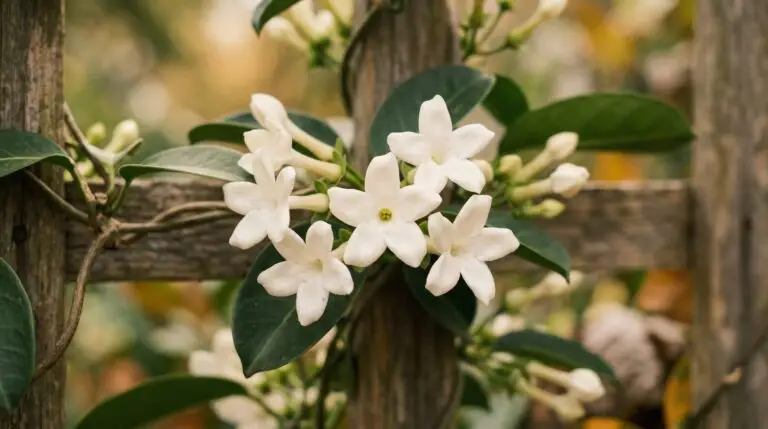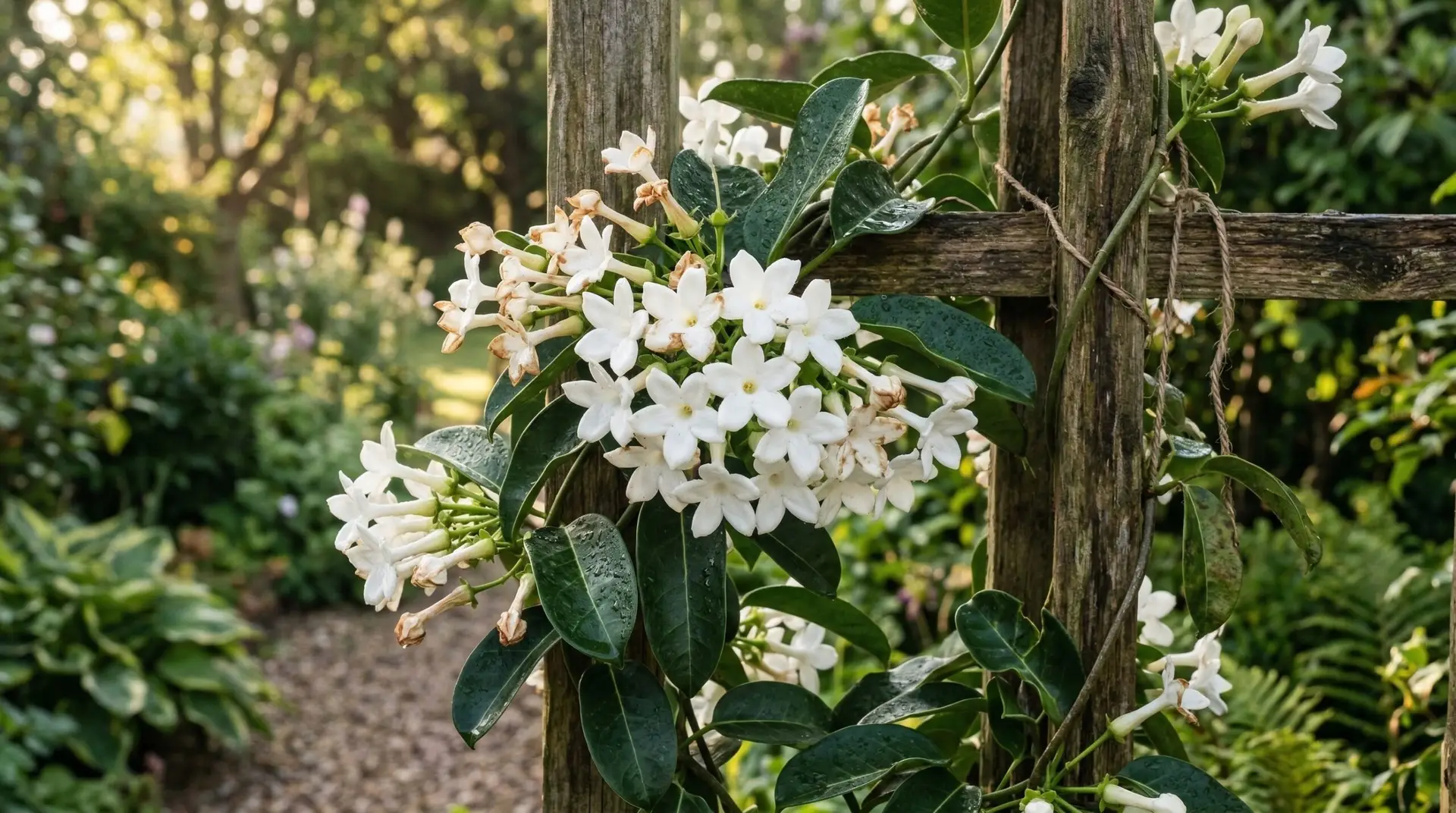
You buy a stephanotis covered in tight white buds, bring it home, and within a week, every single bud turns yellow and falls off. This is the most common frustration I hear from people trying to grow this extremely fussy vine indoors. Gardeners often blame themselves, thinking they watered the plant incorrectly or gave it the wrong fertilizer. The truth is that stephanotis plants are notoriously sensitive to any change in their environment. When you take a plant from a perfectly climate-controlled greenhouse, put it in a car, and carry it into a dry house, the plant panics. It abandons its flowers to conserve energy for survival. Understanding this initial shock helps you realize that the immediate bud drop is often unavoidable, but keeping the plant alive to bloom again requires specific environmental control.
People constantly ask me why their stephanotis is not blooming or why the few buds it does form never open. The answer almost always comes down to instability in the plant’s immediate surroundings. This vine demands consistency in temperature, light, and soil moisture to hold onto its flowers. If any of these factors fluctuate wildly, the plant drops its buds as a stress response. You cannot treat a stephanotis like a resilient pothos that tolerates neglect and shifting conditions. Successfully growing this plant means finding one perfect spot in your house and leaving the plant alone.
Managing light levels to encourage blooming
Finding the exact right light for a stephanotis is a difficult balancing act. These plants need bright light to produce flowers, but they will burn if you put them in harsh, direct afternoon sun. If you place the vine in a dim corner, it will grow long, thin, weak vines and absolutely refuse to bloom. A south-facing or west-facing window with a sheer curtain to filter the strongest light is usually the best location. When the light is too low, the plant simply lacks the energy to develop buds. The light requirements are very similar to what you would provide for a gardenia, which also needs bright but protected light to produce its heavily scented flowers.
The angle of the light also matters tremendously once the plant finally sets buds. If you notice buds forming and you turn the pot so the flowers face the room instead of the window, the plant will likely drop them. Stephanotis buds orient themselves to the light source as they develop. Changing the angle of the light disrupts their growth process, causing the plant to abort the flowers entirely. Once you see buds forming, you must resist the urge to rotate the pot for aesthetic reasons. Mark the side of the pot facing the window if you need to take the plant to the sink for watering, so you can put it back in the exact same orientation.
Temperature fluctuations and draft damage
Temperature swings are the silent killers of stephanotis buds. These plants thrive in consistent temperatures between sixty-five and eighty degrees Fahrenheit. When a draft of cold air from a nearby door hits the plant, the sudden chill causes the cells in the developing buds to contract and die. The same thing happens when a heating vent kicks on and blasts the plant with hot, dry air. When a stephanotis experiences a rapid temperature shift, the buds turn yellow at the base and drop off within a few days. You have to walk around your house and physically feel for drafts or heat currents before choosing a permanent spot for this vine.
Preventative placement is the only real solution for temperature-related bud drop. Do not put your stephanotis near exterior doors that open frequently during the winter. Keep the plant away from air conditioning units, radiators, and forced-air heating vents. If your windows are old and drafty, the sill will be too cold for the plant during the winter months. You might need to move the plant slightly back from the glass during the coldest parts of the year, doing this gradually before the plant sets any spring buds. Providing a stable thermal environment is the hardest part of keeping this plant happy indoors, but it is entirely necessary for flower production.
Correcting watering habits to save the flowers
Watering mistakes easily lead to both bud drop and overall plant decline. Overwatering is the most common error, as people assume a tropical vine needs constantly wet soil. When the soil stays soggy, the roots suffocate and begin to rot. The plant responds by dropping its buds and turning its lower leaves a sickly, pale yellow. If you pull the plant out of its pot and the roots are brown and mushy instead of firm and white, you are watering too often. You need to let the top two inches of the soil dry out completely before you water the plant again.
Underwatering causes a different set of physical symptoms that you can easily identify. When a stephanotis gets too dry, the leaves lose their glossy shine and start to look slightly wrinkled. The buds will shrivel, turn brown at the edges, and fall off before they ever open. The soil will often pull away from the sides of the pot, causing water to run straight down the sides without actually soaking the root ball. If this happens, you have to submerge the entire pot in a bowl of water for twenty minutes to rehydrate the soil properly. Consistent, even moisture is the goal, requiring you to check the soil with your finger rather than watering on a strict weekly schedule.
The reality of indoor humidity requirements
Stephanotis plants originate in tropical environments with high ambient humidity, which is hard to replicate in a typical home. When the air in your house gets too dry, especially during the winter heating season, the plant suffers. The edges of the leaves may get crispy, and the buds will dry out and drop off prematurely. Misting the plant with a spray bottle is a waste of time because the moisture evaporates in minutes and does nothing to raise the overall humidity. You need a more consistent method to keep the air around the plant moist. The humidity demands are comparable to those of a moth orchid, requiring deliberate environmental adjustments rather than occasional spraying.
To actually fix low humidity, you have two practical options. The most effective method is running a small room humidifier near the plant to maintain a constant moisture level in the air. If you do not want to use a humidifier, you can set the plant’s pot on a wide tray filled with pebbles and water. The water in the tray will slowly evaporate, creating a small pocket of humid air immediately around the foliage. You just have to make sure the bottom of the pot sits on the pebbles and not directly in the water, or the roots will rot. Grouping the stephanotis with other leafy houseplants also helps trap moisture in the air through collective transpiration.
Growing a stephanotis indoors tests the patience of even experienced gardeners. The most useful piece of advice I can give anyone starting out with this plant is to respect its hatred of change. Find a spot with bright, indirect light, away from drafts and vents, and simply leave the plant there. When you see buds forming, do not rotate the pot, do not change your watering routine, and do not move the plant to a different location to show off the flowers. The less you interfere with a budding stephanotis, the more likely you are to actually see those fragrant white flowers open.
More About Stephanotis
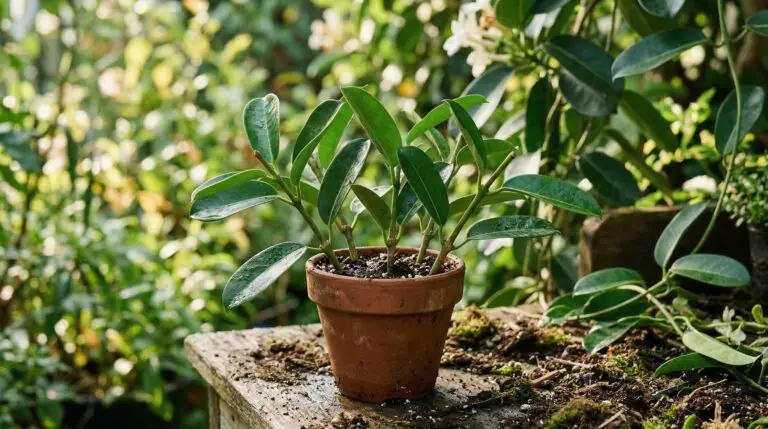
Propagating stephanotis from cuttings for new plants from your prized vine
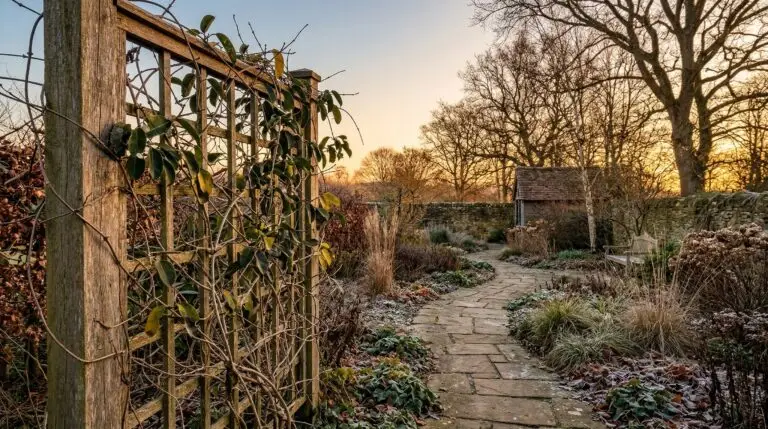
How to get stephanotis to bloom indoors with the right winter rest and spring warmth
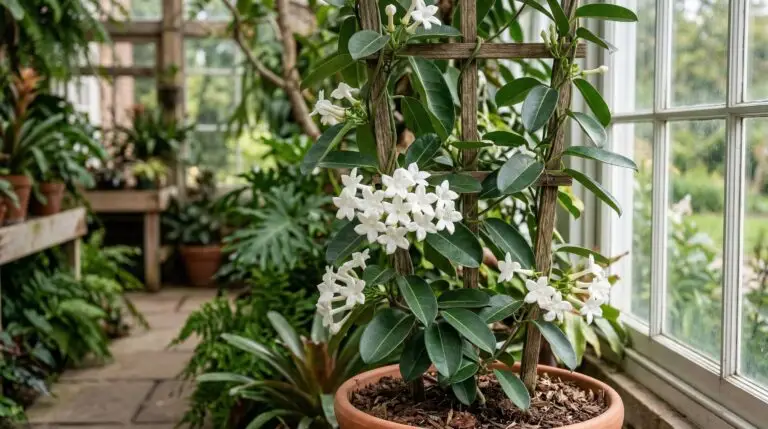
How to grow stephanotis for waxy white stars with an intoxicating jasmine-like fragrance
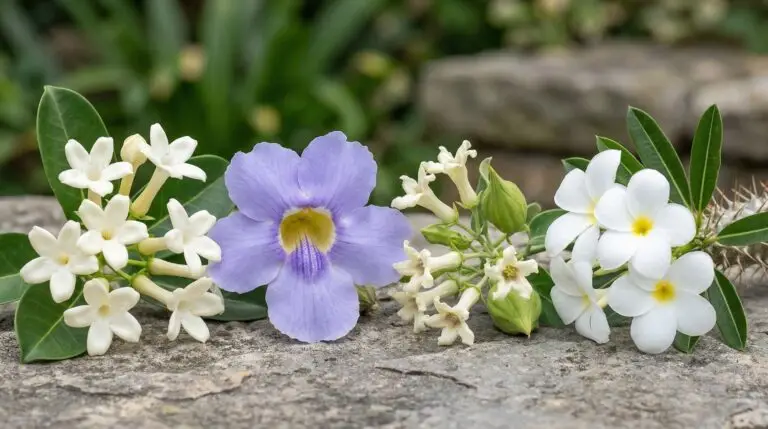
Stephanotis versus jasmine and choosing the right fragrant white vine for your home
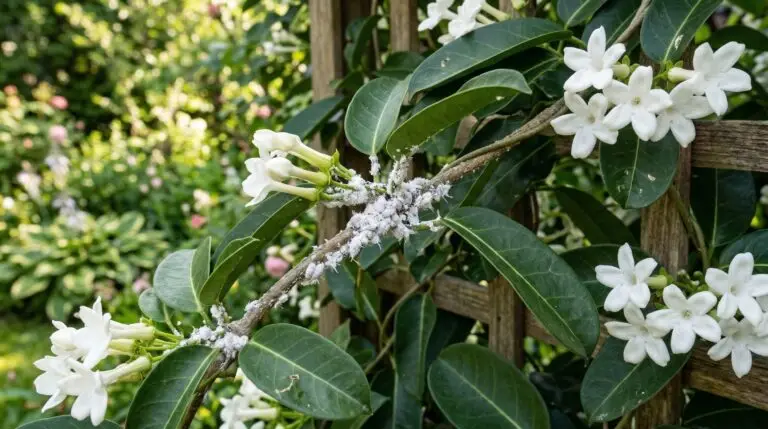
Common stephanotis pests from mealybugs to scale and keeping your vine clean
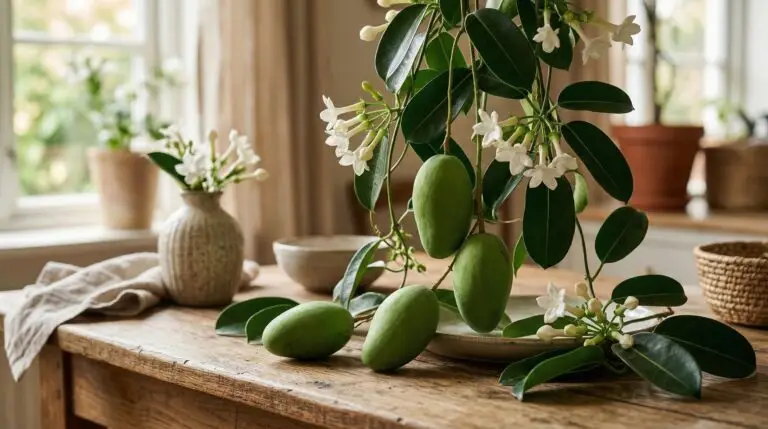
Stephanotis seed pods the giant green fruits that sometimes appear on indoor plants
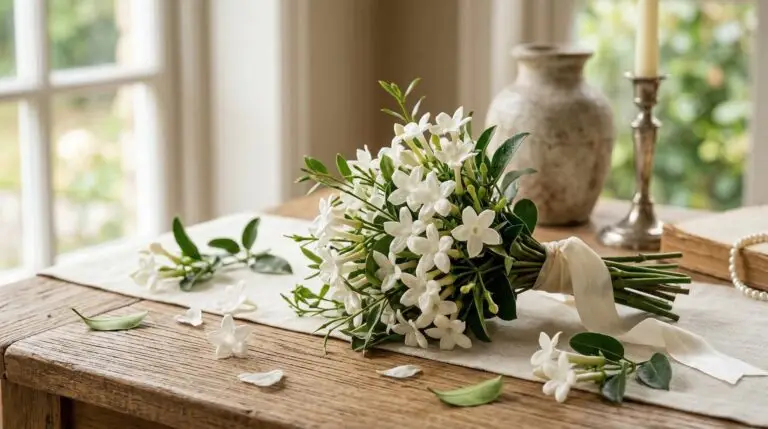
Stephanotis in bridal bouquets and why this is called the wedding flower
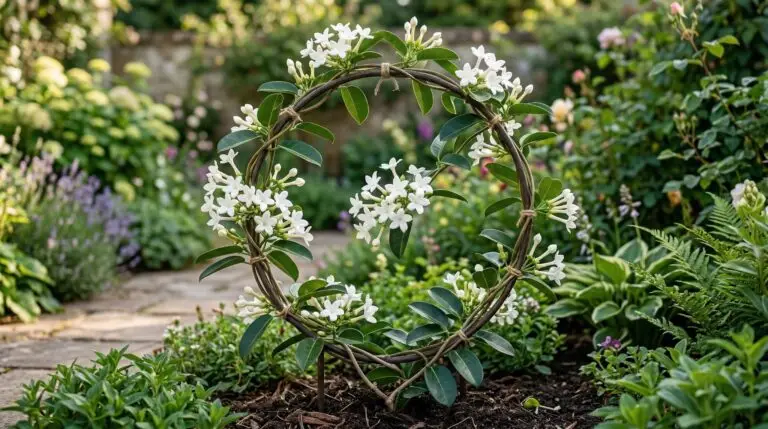
Growing stephanotis on an indoor trellis or hoop for a fragrant living room feature