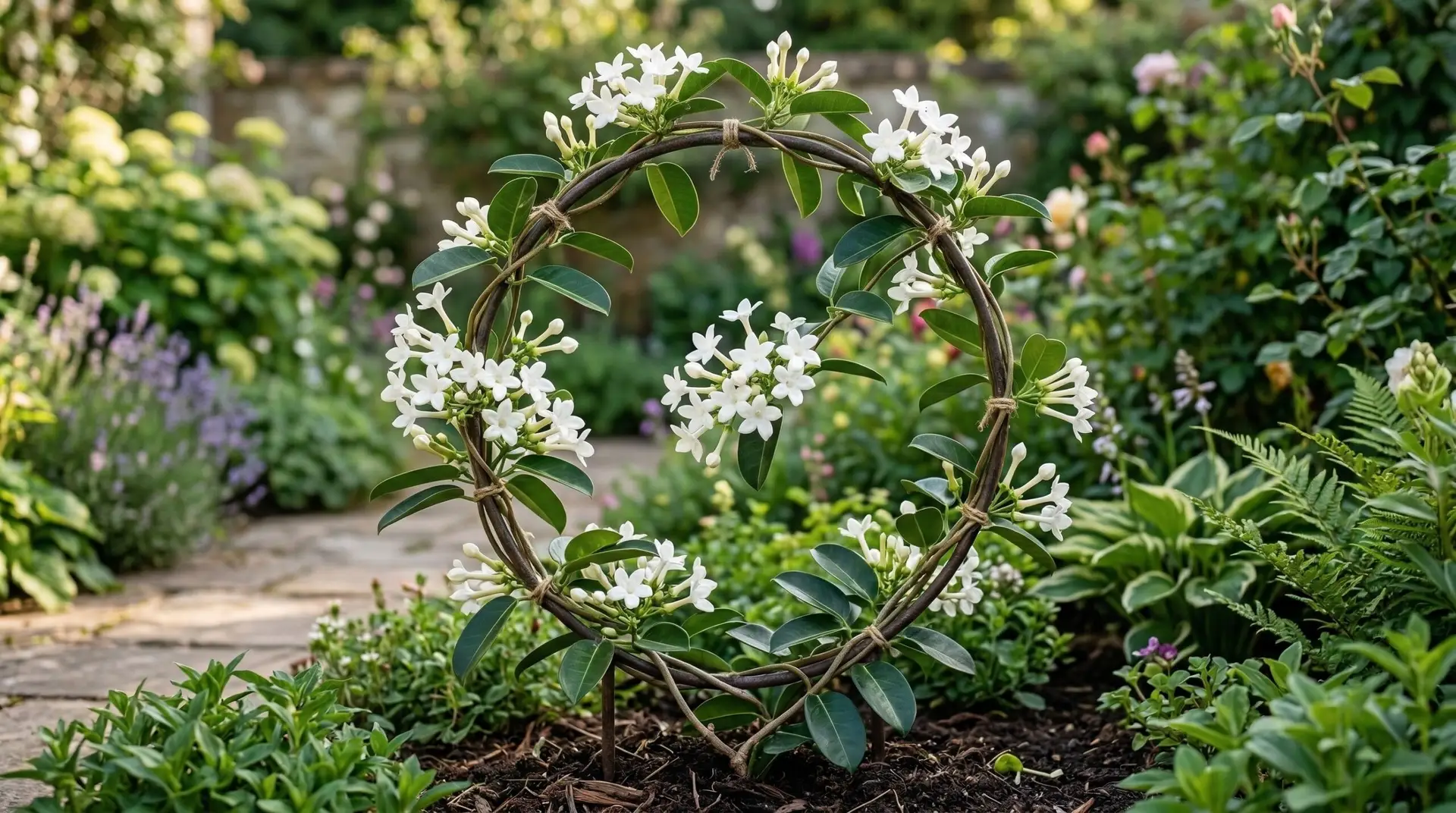
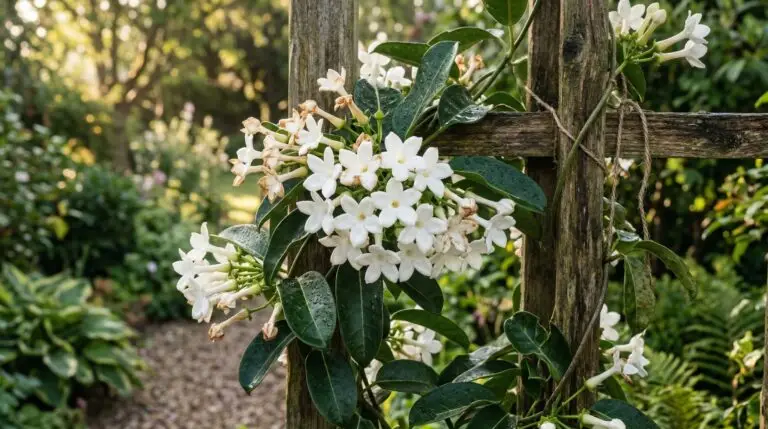
Anyone who has ever brought home a perfectly manicured blooming vine from the nursery knows the reality that sets in a few weeks later. The neat little circle of leaves quickly sends out long, grasping tendrils that reach for the nearest curtain rod or lamp shade. Stephanotis is notorious for this behavior, transforming from a tidy tabletop display into a sprawling stephanotis indoor vine that demands attention. Those thick, waxy leaves and clusters of star-shaped white flowers are beautiful, but they require a firm hand and a solid support system to look their best in a living room. Letting the plant wander aimlessly usually results in a tangled mess that is impossible to move when watering day comes around. Taming this vigorous grower requires accepting that it is a climbing plant at heart, not a compact bush.
Unlike a moth orchid that stays exactly where it is placed, stephanotis wants to explore its surroundings. The vines can easily grow several feet in a single season when the plant is happy with its light and moisture levels. Capturing that wild growth and directing it onto a stephanotis trellis or hoop turns a messy plant into a striking architectural feature for a bright room. The trick is starting the training process early before the stems harden off and become brittle. Waiting too long means dealing with stiff, woody vines that refuse to bend. Establishing a training routine early on saves a lot of frustration and broken stems later in the growing season.
Contents 4 sections
Choosing the right support for an indoor vine
Nurseries almost always sell these plants wrapped tightly around a small wire hoop, which looks great for transport but quickly becomes too crowded as the plant matures. Upgrading to a larger support structure is one of the first tasks a home gardener faces when taking on this plant. A simple U-shaped bamboo hoop is an affordable, accessible solution that looks natural and provides plenty of surface area for new growth. Metal trellises inserted directly into the potting soil also work well, provided they are heavy enough to counterbalance the weight of the mature vines. The support needs to be pushed all the way down to the bottom of the pot to prevent the whole structure from tipping over when the plant gets top-heavy. Securing the base of the trellis against the inside wall of the pot provides the most stability.
Thin wire hoops are cheap, but they tend to bend under the weight of the thick stephanotis foliage over time. Using sturdy gauge galvanized wire or thick bamboo stakes offers a much better long-term foundation for the plant. When inserting a new trellis or hoop, the roots will inevitably take some damage as the stakes go into the soil. The plant might look a bit sulky for about two weeks after this disturbance, dropping a yellow leaf or two while it recovers. Give the plant time to settle in, keeping the soil barely moist rather than soaking wet while the roots heal around the new structure. Once the plant stabilizes, it will quickly resume its rapid upward growth.
Training the vines without breaking them
The actual process of stephanotis training requires a gentle touch and good timing. New growth emerges as thin, flexible green shoots that are incredibly easy to guide around a hoop or weave through a flat trellis. Once those stems turn woody and brown, they become rigid and will snap clean off if bent too far. The best approach is to check the plant once a week, gently wrapping the soft new tendrils around the support in a loose spiral. Using soft plant ties or ripped strips of old cotton t-shirts helps hold the vines in place without cutting into the stems as they thicken. Tying the vines loosely allows room for the stems to expand as they mature.
Sometimes a vine will absolutely refuse to follow the intended path, pointing stubbornly toward the window no matter how many times it is tied down. Instead of forcing a rigid stem and risking a break, let it grow a few more inches until the tip is long enough to loop naturally. If a vine does snap during training, the plant is not ruined. Simply trim the broken end cleanly with sharp shears, and the plant will eventually push out a new growing tip from the nearest leaf node. Wrapping the vines in the same direction around a hoop creates a much neater appearance than crisscrossing them haphazardly over each other. Consistent, gentle guidance keeps the foliage looking full and deliberate rather than chaotic.
Managing light and water for steady growth
A beautifully trained stephanotis trellis is only impressive if the plant is actually covered in healthy green leaves. These vines need a significant amount of bright light to thrive indoors, ideally sitting right up against an east-facing or west-facing window. Gardeners in the South may find that the intense afternoon sun through a window will scorch the waxy leaves, requiring a sheer curtain for protection. In northern zones, the approach changes, and the plant will likely need the absolute brightest southern exposure available just to maintain its foliage during the dark winter months. Rotating the pot slightly every time it is watered helps the vine grow evenly, rather than stretching all its leaves toward the glass. Keeping the leaves free of dust with a damp cloth also helps the plant maximize whatever light it receives.
Getting the watering rhythm right is genuinely difficult with this plant, as it hates both bone-dry soil and sitting in a puddle. The thick leaves hold some moisture, but the fine root system rots very quickly if the drainage saucer is left full of water. A reliable method is to wait until the top two inches of the potting mix feel dry to the touch, then water thoroughly until it runs out the bottom. Taking the whole heavy, trellised plant to the sink or shower for watering is cumbersome, but it flushes the soil properly and washes dust off the leaves. Using a turkey baster to suck excess water out of the drainage tray is a practical alternative for large, immovable pots. Consistency with watering prevents the yellowing leaves that often plague indoor vines.
Getting those famous fragrant blooms
The ultimate reward for careful training and watering is a cluster of tubular white flowers that fill the room with a scent rivaling the sweetest jasmine vine. However, stephanotis is notoriously finicky when it is forming flower buds. If the plant is moved to a different room, subjected to a cold draft, or allowed to dry out completely, it will drop every single unopened bud onto the floor in protest. Once the tiny green bud clusters appear along the vines, keep the plant exactly where it is and maintain a strict, consistent watering schedule. The buds take what feels like an eternity to swell and open, testing the patience of even the most experienced indoor gardener. Leaving the plant undisturbed during this critical window is the only way to guarantee a successful bloom cycle.
After the blooming cycle finishes, the plant usually enters a resting phase where growth slows down considerably. During the cooler winter months, the vine needs less water and will not push out many new tendrils for training. This dormant period is completely normal and gives the gardener a break from the weekly wrapping and tying routine. Feeding the plant with a standard indoor plant fertilizer only when active green growth resumes in the spring helps fuel the next round of foliage and flowers. A well-trained stephanotis is a long-term commitment that requires regular maintenance, but the structure and fragrance it brings to a living room make the effort entirely worthwhile.
More About Stephanotis
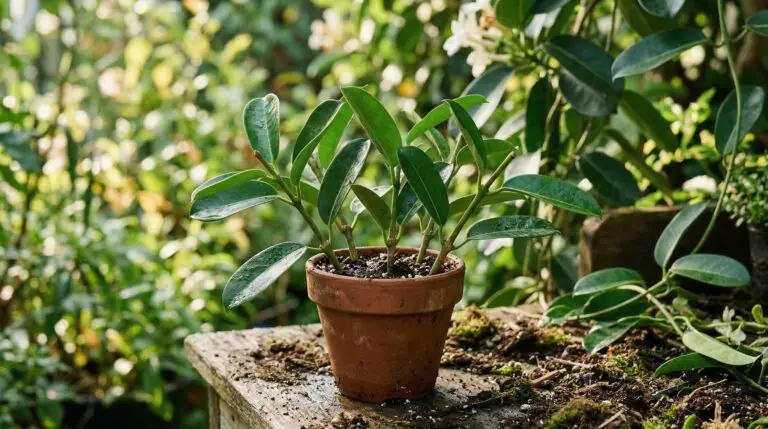
Propagating stephanotis from cuttings for new plants from your prized vine

How to get stephanotis to bloom indoors with the right winter rest and spring warmth
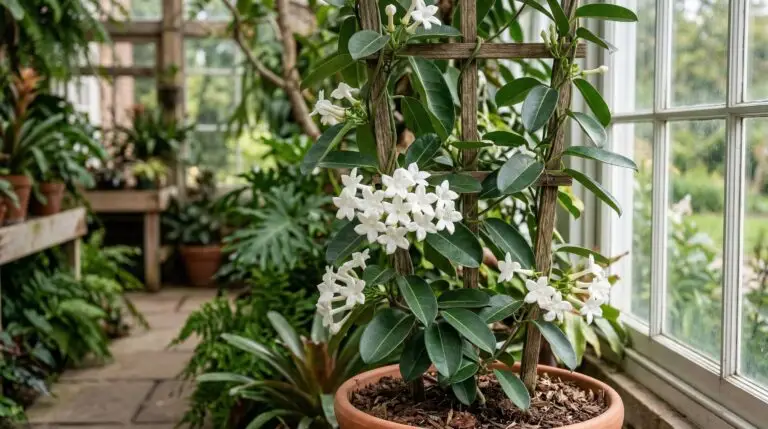
How to grow stephanotis for waxy white stars with an intoxicating jasmine-like fragrance
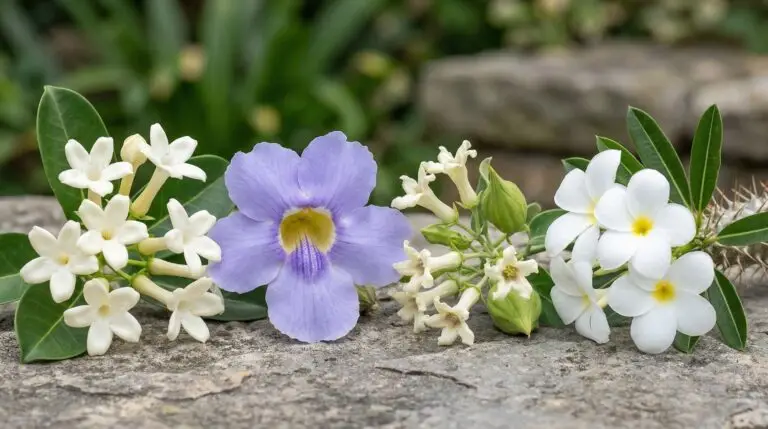
Stephanotis versus jasmine and choosing the right fragrant white vine for your home
Common stephanotis pests from mealybugs to scale and keeping your vine clean
Stephanotis seed pods the giant green fruits that sometimes appear on indoor plants
Stephanotis in bridal bouquets and why this is called the wedding flower
Stephanotis flower meaning and the marital happiness this bloom has promised for centuries
Why stephanotis drops buds and the temperature and light secrets to keeping flowers
Enjoying our flower guides? Add YourFlowersGuide as a preferred source on Google. It helps more readers find us.
Add to Preferred Sources