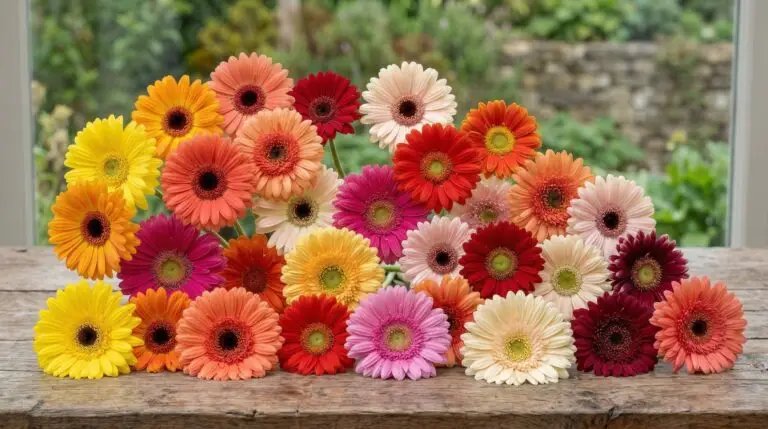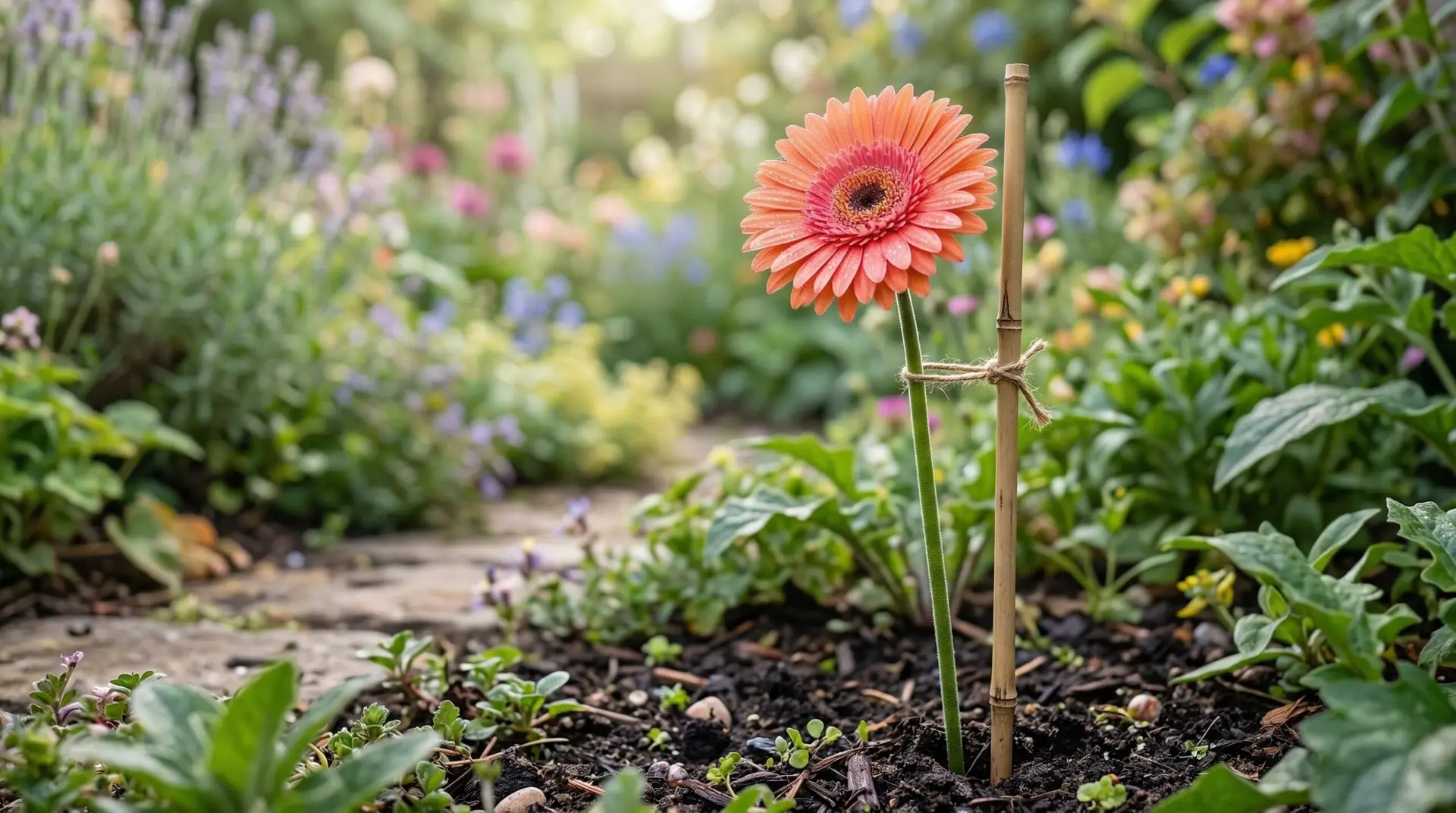
Morning sunlight filtering through a kitchen window catches the bright, almost impossibly perfect petals of a freshly cut gerbera daisy. There is something intensely cheerful about these blooms resting on a countertop, waiting to be arranged in a favorite glass vessel. Their thick, leafless stems and perfectly symmetrical faces look like the archetypal flower drawn by a child, brought to life in saturated shades of coral, magenta, and warm yellow. The texture of the petals feels like fine paper, while the fuzzy green stalks carry the faint, earthy scent of a working greenhouse. Yet anyone who brings a gerbera cut flower indoors soon discovers its one frustrating habit. Within a day or two, that proud, upward-facing bloom begins to bow its head heavily toward the tabletop. The thick stem softens just beneath the flower, creating a shepherd’s crook that ruins the intended display. Understanding how to manage this stem behavior transforms a short-lived disappointment into a lasting indoor garden.
The secret to a successful gerbera daisy vase display begins long before the flowers reach the water. Harvest timing plays a massive role in how well these stems hold up once separated from the parent plant. Gardeners usually find the best success by cutting the stems early in the morning when the plant is fully hydrated from the cool night air. You should wait until the outermost row of tiny disk flowers in the center begins to show pollen before reaching for the shears. Cutting too early leaves the flower prone to wilting, while cutting too late shortens the amount of time you get to enjoy the bloom indoors.
The science behind the drooping stem
To understand why gerberas droop, you have to look closely at the architecture of the stem itself. Unlike the woody, rigid branch of a classic garden rose, a gerbera stem is soft, highly porous, and covered in fine hairs. This structure makes the stem highly susceptible to bacterial growth when submerged in water for extended periods. As bacteria multiply in the vase, they clog the tiny channels that draw moisture up to the heavy flower head. Deprived of water, the weakest point of the stem right below the heavy bloom loses its turgor pressure and collapses under the weight. These stems are also highly phototropic, meaning they actively bend and stretch toward light sources even after being cut. This constant movement expends energy and often leads to a tangled, misshapen arrangement if left completely unmanaged.
Preventing this bacterial blockage requires a completely different approach to watering than most people are used to. While many cut flowers thrive in a vase filled to the brim, gerberas need shallow water to survive. You should fill the vessel with just one or two inches of clean water at most. This minimal depth prevents the hairy stems from rotting while still allowing the base to drink freely. Keeping the water level low is the single most effective habit you can develop for these particular flowers.
Support strategies for a straight posture
Florists have spent decades devising clever ways to keep the gerbera cut flower standing at attention. One of the most effective methods involves sliding a clear plastic drinking straw over the length of the stem. You simply cut a slit down the side of the straw, pry it open, and slip it around the fleshy green stalk right up to the base of the flower head. This invisible corset provides the mechanical support the plant lacks, keeping the bloom perfectly upright for a week or more. For a more traditional approach, some people rely on the old wives tale of dropping a copper penny into the water. The theory suggests that the copper acts as a mild fungicide, keeping the water clean and the stem channels clear. While modern pennies contain very little actual copper, older coins minted before the early nineteen-eighties do release enough copper ions to slow bacterial growth in the vase.
Professional designers often prefer a technique called wiring to control the posture of the bloom. They insert a thin, rigid piece of floral wire directly up the center of the hollow stem, pushing it gently into the firm receptacle of the flower head. The wire allows the designer to bend the flower into a specific, permanent position without damaging the exterior tissue. This trick is especially useful when creating a complex gerbera daisy arrangement where every face needs to look in a precise direction. The wire remains completely hidden, giving the illusion of naturally perfect posture.
Designing a lasting arrangement
There is a distinct visual power in keeping things simple when styling these particular blooms. A single-variety arrangement of gerberas makes a bold, modern statement that mixed bouquets often fail to achieve. Grouping ten or twelve stems of the exact same color in a simple glass cylinder draws the eye directly to the geometry of the petals. You can also create a beautiful gradient by mixing shades of pale peach, bright orange, and deep crimson in a single vessel. Because their stems are entirely leafless, the space below the flowers remains clean and architectural. This clean aesthetic contrasts sharply with the wild, leafy look of a tall summer sunflower or a heavily branched summer perennial. Allowing the bare stems to cross and intersect in the clear water adds an element of structural interest to the design.
Maintaining that clean look requires a bit of daily attention to the water quality and stem health. You must change the shallow water every single day, washing the vase with soap to remove any invisible bacterial film. Each time you change the water, use a sharp knife to slice a quarter inch off the bottom of the stems at a forty-five degree angle. This fresh cut opens up new capillary channels, ensuring the heavy flower head receives a constant supply of moisture. Avoid using scissors for this task, as the crushing action pinches the soft stem shut and prevents water absorption.
Environmental factors in your home also dictate how long the display will last. Gerberas are highly sensitive to ethylene gas, a natural ripening agent produced by aging fruits and vegetables. Placing your vase next to a bowl of ripening bananas or apples will cause the petals to drop and the stems to wilt prematurely. They also prefer cool environments away from direct sunlight, heating vents, or drafty windows. Much like a heavy-headed late season dahlia, they drink heavily and respire quickly in warm rooms. Finding a cool, shaded spot on a dining table or a hallway console gives them the best chance at a long, upright life indoors. Keeping them cool at night by moving the vase to a basement or a chilled room extends their lifespan even further.
Tending to a vase of gerberas becomes a quiet morning ritual of snipping stems and refreshing water. The effort pays off in a reliable burst of color that brightens the darkest corners of a room. Watching those perfectly round faces greet the day reminds us why we bring the garden indoors in the first place. You learn to appreciate the mechanics of the plant just as much as its bright, cheerful petals. The simple act of keeping a flower standing tall feels like a small, daily victory against the pull of gravity.
More About Gerbera Daisy
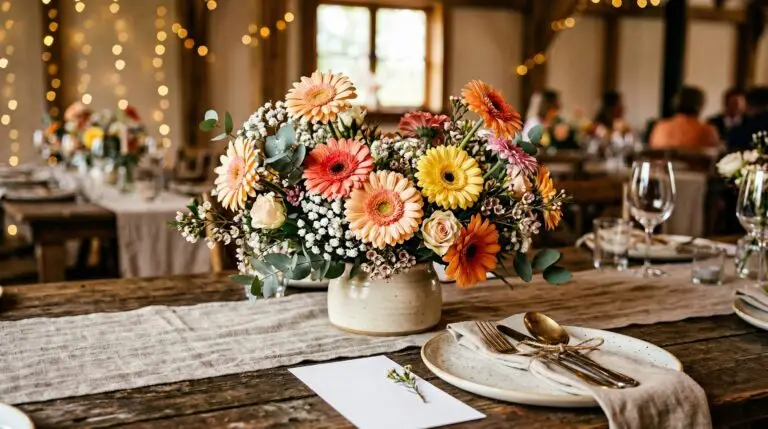
Gerbera daisies in wedding bouquets for colorful fun alternatives to traditional flowers
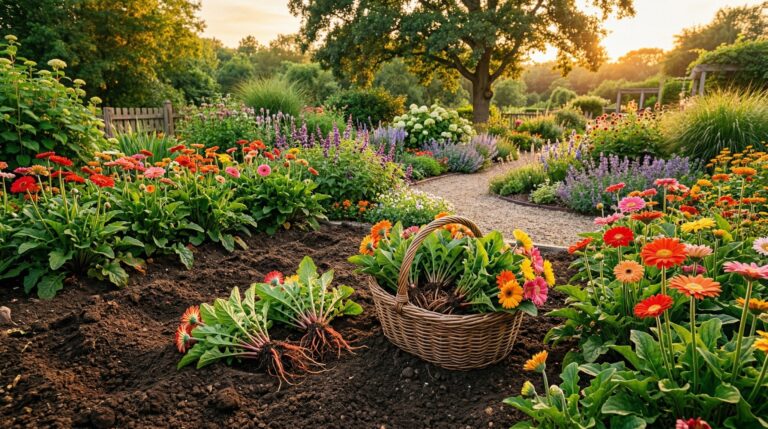
Overwintering gerbera daisies in cold climates and bringing them back year after year
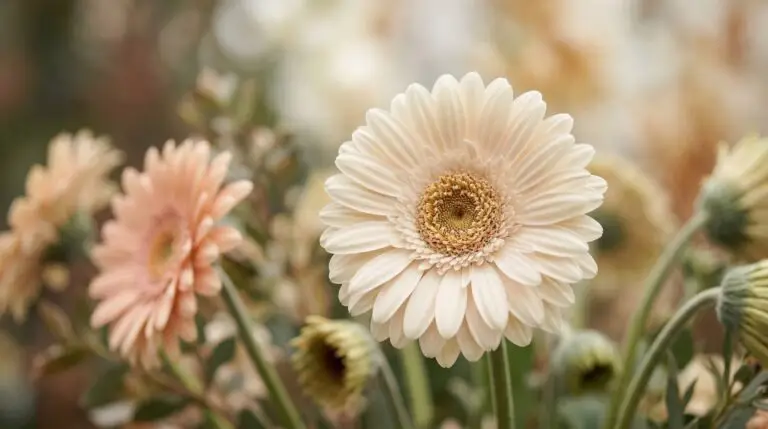
Gerbera daisy meaning and why these happy flowers represent cheerfulness and joy
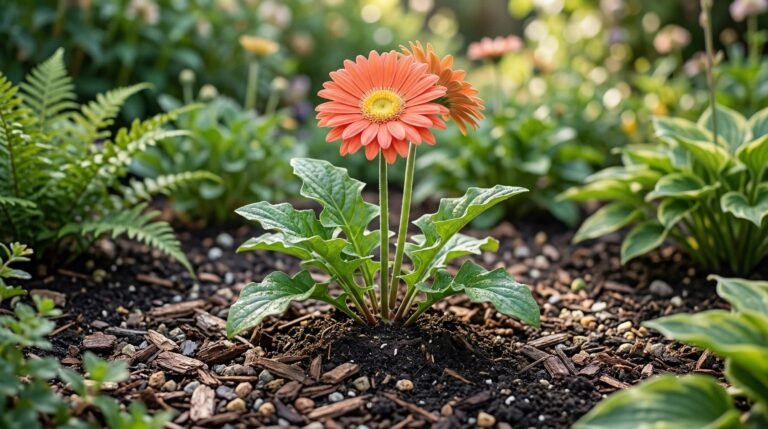
How to grow gerbera daisies for bold cheerful color in gardens and containers
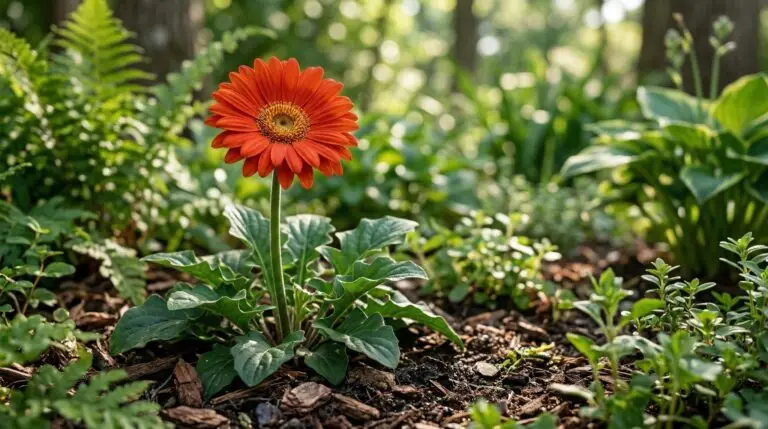
Why gerbera daisies die indoors and the crown rot problem that kills most gift plants
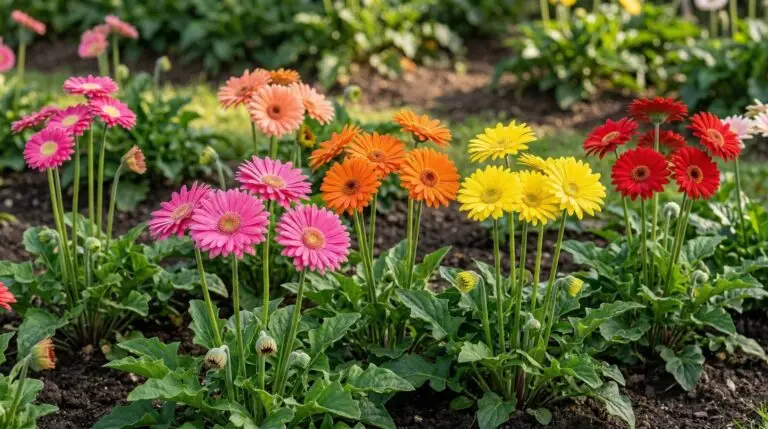
Garvinea gerberas the hardy outdoor series that changed gerbera gardening forever
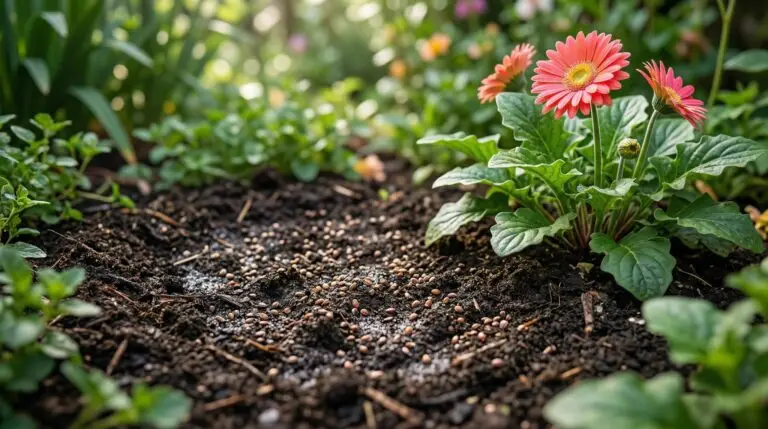
Growing gerbera daisies from seed and the patience needed for these slow starters