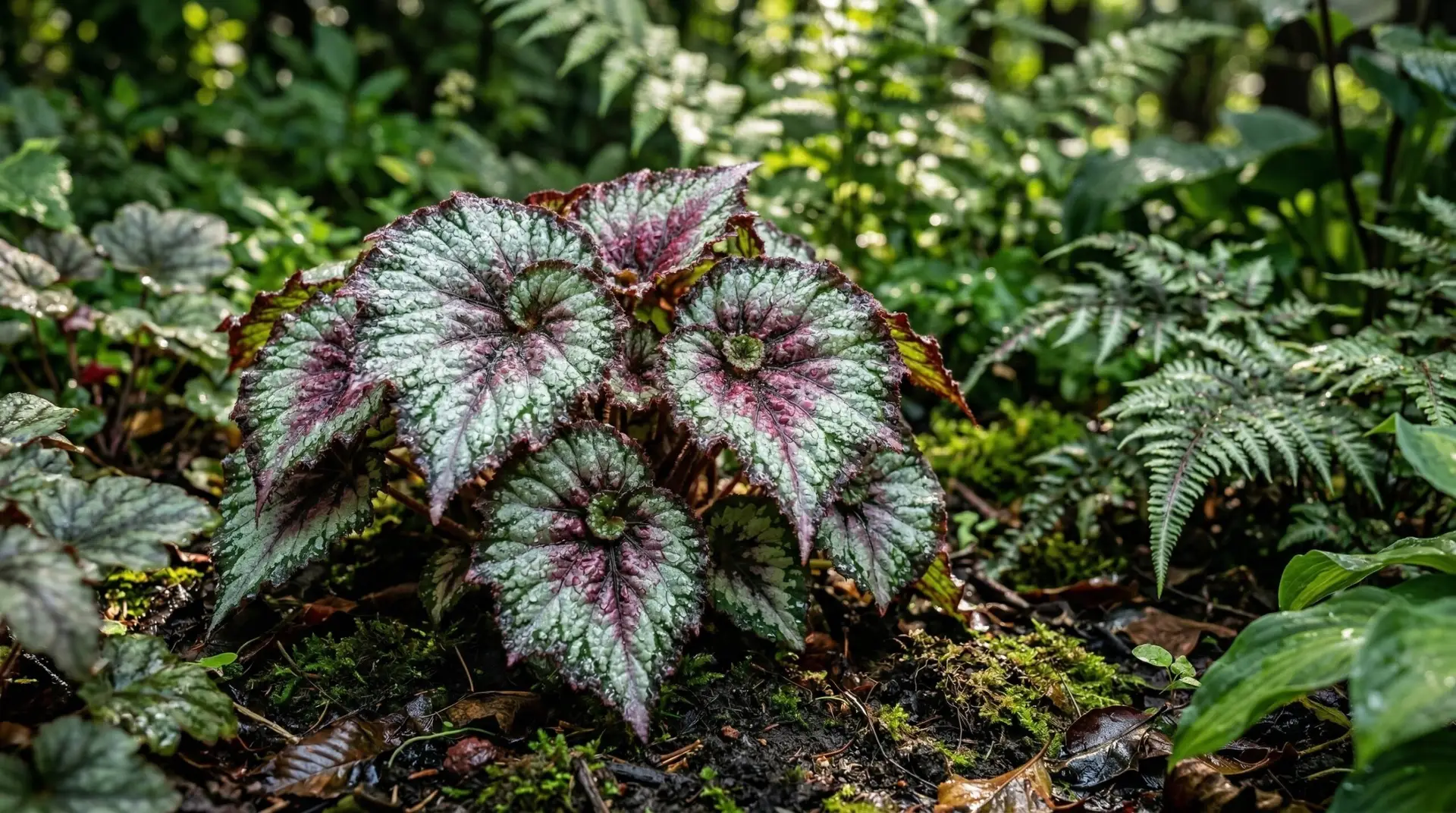
Begonias of the rex-cultorum group, commonly known as the painted leaf begonia, command a specific kind of respect from those who grow them long enough to understand their rhythms. Unlike the fibrous-rooted wax begonias grown as summer annuals, a rex begonia is a rhizomatous plant. This botanical term means it grows from a thick, fleshy stem that creeps horizontally at or just below the soil surface. This creeping rhizome stores water and nutrients, dictating almost everything about how the plant should be handled in a container. When you look closely at a mature specimen, you see that the asymmetrical leaves emerge directly from this creeping stem rather than branching off an upright trunk. I have spent years observing these plants in greenhouse collections, and they always reveal their exact needs through the texture and posture of their foliage. They require a grower to pay attention to subtle shifts in the environment, particularly regarding moisture and air circulation.
Success with a rex begonia begins at the root level with a highly porous, slightly acidic potting medium. In cultivation, these plants prefer a soil pH between 5.5 and 6.2, which mimics the decaying leaf litter of their native forest floors in northern India and surrounding regions. You can achieve this by blending standard peat-based potting soil with generous amounts of coarse perlite or pumice to ensure rapid drainage. A heavy, water-logged soil will rot the rhizome in a matter of days. For this reason, selecting the proper container is just as important as mixing the right soil. Shallow, wide pots, often called azalea pots or bulb pans, accommodate the horizontal growth habit far better than deep, narrow vessels. The roots of a painted leaf begonia are fine and shallow, so a deep pot simply holds excess moisture below the root zone where it becomes a liability.
Light and temperature requirements
Because they originate in the understory of subtropical forests, rex begonias thrive in bright, indirect light rather than direct sun. If the light is too intense, the edges of the foliage will scorch and turn a crisp brown. Conversely, too little light causes the distinct silver, red, and purple patterns to fade into a dull green. An east-facing window with morning sun is usually ideal, though a bright north window can also work well during the summer months. Similar to the light requirements of a moth orchid, the goal is to provide enough illumination to fuel strong growth without exposing the sensitive leaf tissues to thermal stress. Temperature plays an equally significant role, as these plants prefer a stable environment between 65 and 75 degrees Fahrenheit. They will quickly show signs of stress if temperatures drop below 60 degrees Fahrenheit or if they sit near cold drafts and heating vents.
Managing water and humidity
Watering a rex begonia requires a careful hand and a willingness to check the soil manually before reaching for the watering can. The top inch of the potting mix should dry out completely between waterings. When it is time to water, you should saturate the soil thoroughly until moisture drains from the bottom of the pot. It is best to apply water directly to the soil rather than pouring it over the foliage. Water left sitting on the textured, hairy leaves invites fungal diseases like powdery mildew. If you accidentally wet the leaves, ensure there is adequate air circulation in the room to dry them quickly. Overwatering is the single most common reason these plants fail in home environments, as the fleshy rhizome is highly susceptible to bacterial soft rot.
High humidity is necessary to keep the thin edges of the leaves from drying out and crumbling. This creates a complicated dynamic with the plant’s simultaneous need for dry foliage. In a greenhouse setting, we maintain ambient humidity around 60 to 70 percent, which is difficult to replicate in a typical home without a dedicated humidifier. Placing the pot on a wide tray filled with pebbles and a shallow layer of water can raise the local humidity slightly. You must ensure the bottom of the pot never sits directly in the water to prevent the soil from wicking up excess moisture. Grouping your begonia with other tropical plants, such as an anthurium, can also create a beneficial microclimate as the plants release moisture into the air together. However, you must leave enough space between the pots so that air can move freely, preventing the stagnant, damp conditions that fungal spores need to germinate.
Navigating winter dormancy
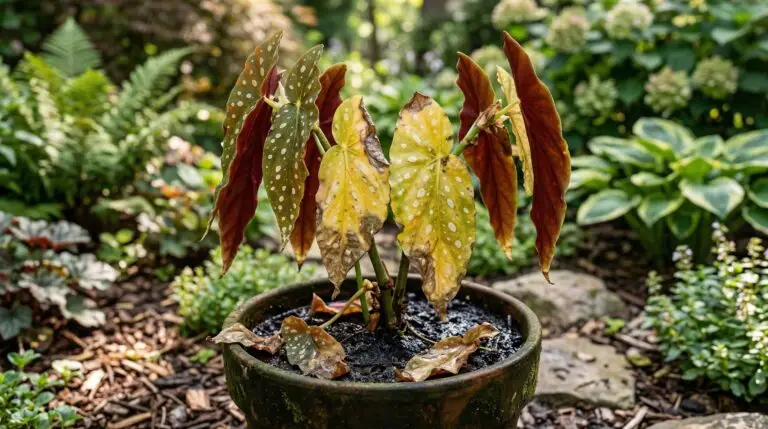
Many growers become alarmed when their painted leaf begonia begins to look ragged and drop leaves in late autumn. People often assume the plant is dying, but this is actually a natural period of winter dormancy. The dormancy is triggered by shorter daylight hours and cooler temperatures inside the home. As the plant enters this rest phase, its water requirements drop significantly. The rhizome will rely on its stored reserves to survive the winter months. You should reduce watering to a bare minimum, providing just enough moisture to keep the rhizome from shriveling completely. Do not apply fertilizer during this time, as the roots are not actively taking up nutrients and excess salts will burn them. Once the days begin to lengthen in early spring and you see new growth emerging from the rhizome, you can gradually resume your normal watering and feeding routines.
Propagation through leaf cuttings
One of the most fascinating botanical traits of the rex begonia is its ability to regenerate an entirely new plant from a single piece of leaf tissue. This process relies on the fact that the leaf veins contain meristematic cells. These are undifferentiated cells capable of forming roots and shoots when exposed to the right conditions. To propagate, you can take a healthy, mature leaf and make shallow cuts across the primary veins on its underside using a sterile blade. Pin the leaf flat against a tray of moist propagation medium, such as a mix of peat and perlite, ensuring the cut veins make direct contact with the soil. Enclosing the tray in a clear plastic cover will maintain the near 100 percent humidity required for the tiny plantlets to form at the site of each cut. After several weeks, miniature leaves will emerge, and these can be carefully separated and potted individually once they develop their own root systems.
Maintaining a healthy rex begonia is an ongoing practice of observation and slight adjustments to its environment. If you are bringing a new plant home, inspect the soil first. Repot the begonia into a shallow container with a highly porous mix if the nursery soil feels too heavy and dense. Find a location where the light is bright but filtered, and monitor the soil moisture by touch rather than sticking to a rigid calendar schedule. Pay attention to how quickly the soil dries out, as this will tell you a great deal about the temperature and airflow in that specific spot. By understanding the function of the rhizome and respecting the plant’s natural dormant periods, you can keep the foliage robust and healthy for many years.
More About Begonia
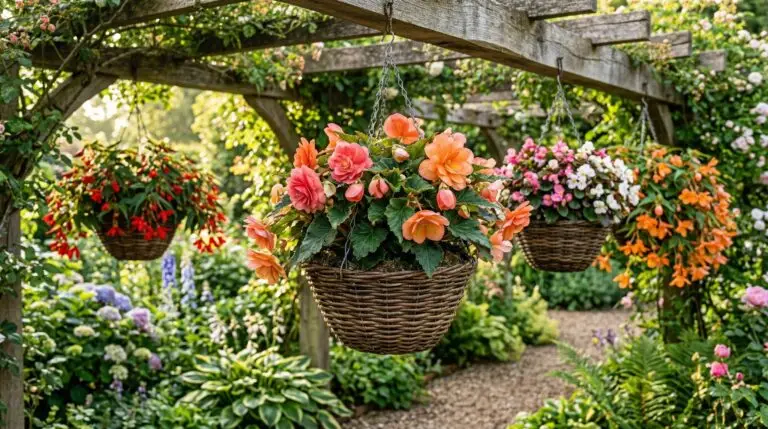
Growing tuberous begonias in hanging baskets for cascading summer color
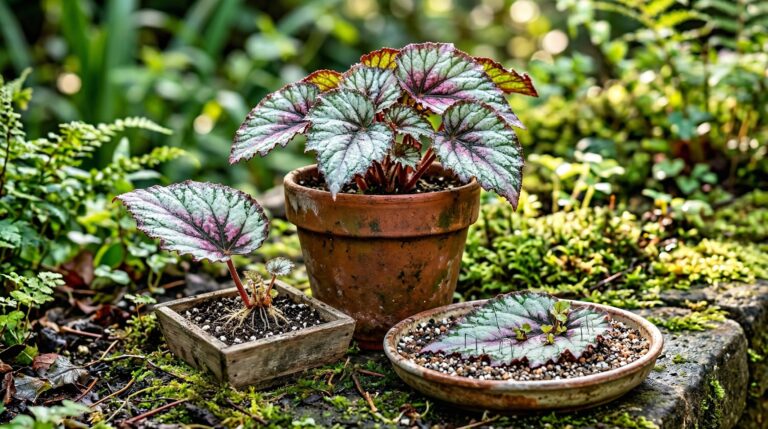
How to propagate begonias from leaf cuttings and stem cuttings step by step
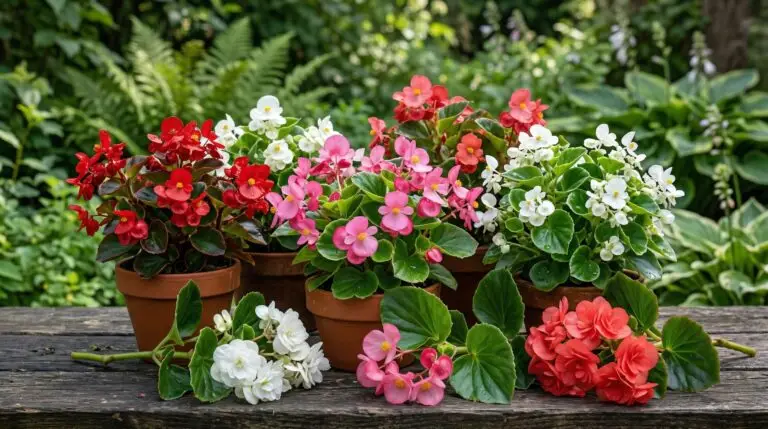
Best begonia varieties for shade gardens that add color where sun rarely reaches
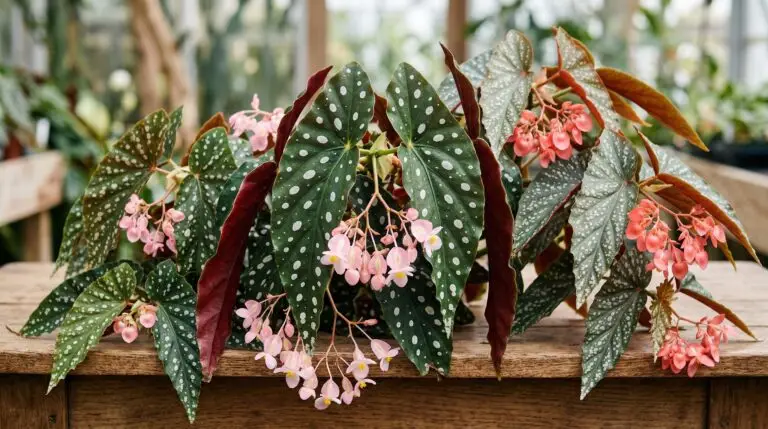
Angel wing begonias as statement houseplants with polka dot leaves and hanging clusters

How to overwinter begonia tubers and bring them back bigger next summer
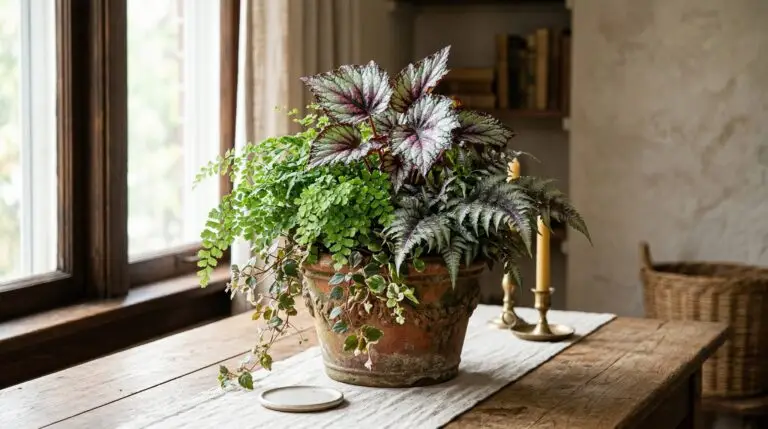
Begonia container combinations that look gorgeous on a shaded front porch
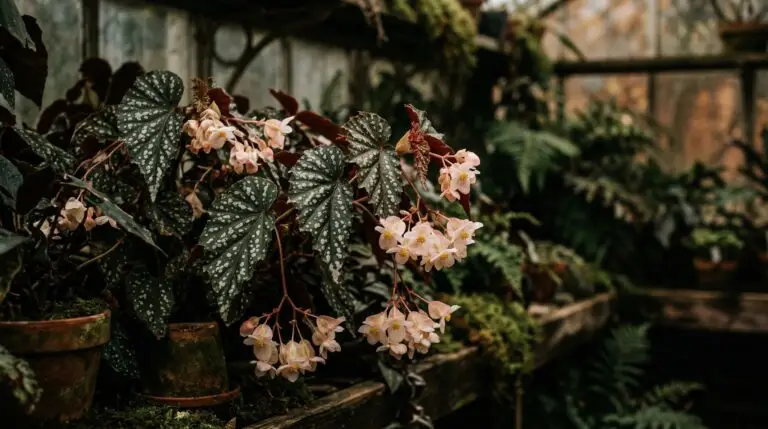
Begonia flower meaning and the Victorian message of caution and gratitude