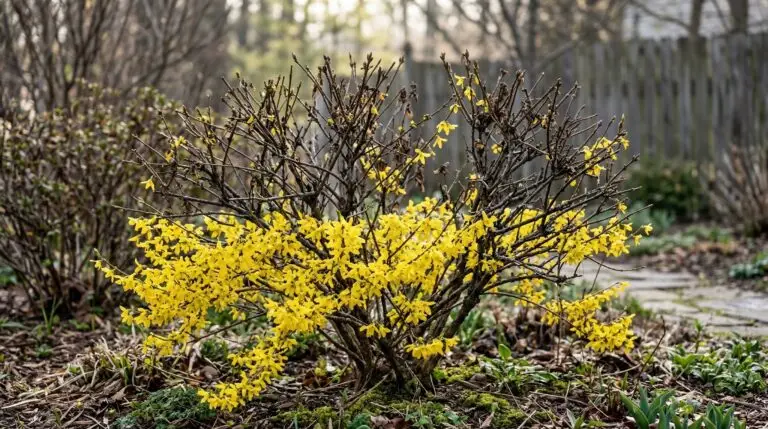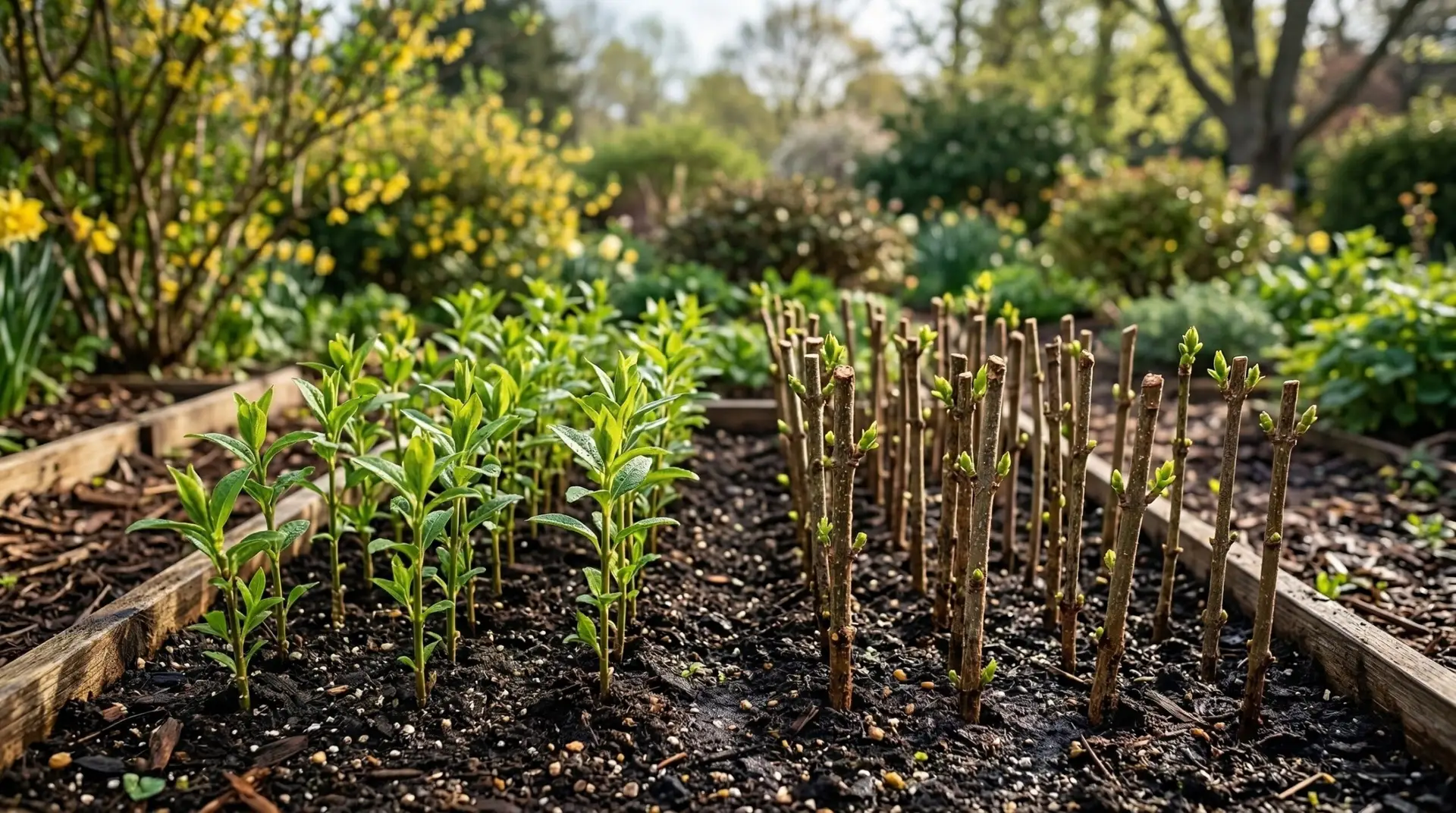
By the time you finish reading, you will understand exactly how a single branch can transform into an entirely new shrub with its own root system. Forsythia is one of the most eager plants in the garden when it comes to making new copies of itself. This willingness to grow makes forsythia propagation an excellent starting point for learning how to multiply your garden plants. We often think of plants as static objects that only grow from seeds, but many shrubs have a built-in survival mechanism that allows their stems to generate roots when conditions are right. You will learn how to tap into that natural process using several different methods, from taking simple cuttings to letting the plant do the work for you through a natural habit called layering.
The science behind growing roots from stems
To understand how forsythia cuttings work, we first need to look at how a plant stem is constructed. Every stem has distinct bumps or joints along its length where leaves and buds emerge. These spots are called nodes, and they contain specialized plant tissue that acts very much like stem cells in a human body. When a node is exposed to air and light, those cells become leaves and branches. When that exact same node is buried in dark, moist soil, a shift in plant hormones tells those cells to grow into roots instead. This basic biological principle is the engine behind all stem propagation.
The age of the stem you choose plays a big role in how quickly those nodes respond to their new environment. In late spring and early summer, the plant produces flexible, green growth known as softwood. Because this wood is actively growing and full of energy, softwood cuttings root very quickly, often within a few weeks. In contrast, if you take cuttings in late fall or winter, you are working with hardwood that has gone dormant. Hardwood takes much longer to wake up and push out roots, but the cuttings are less likely to dry out and die while you wait. Both types will work beautifully, but they require slightly different timelines and a bit of patience as you wait for the new roots to emerge.
Preparing and planting your cuttings
When you are ready to take your cuttings, you want to select a healthy branch and cut a piece that is about six to eight inches long. You need to make sure your cutting includes at least three or four of those nodes we talked about earlier. The bottom cut should be made just below a node, because that is the area where root-producing hormones are most concentrated. Once you have your piece, strip off the leaves from the bottom half of the stem. If you leave those lower leaves on and bury them in the soil, they will simply rot and introduce disease to your new plant. The top leaves stay on to provide energy through photosynthesis, but you might want to cut them in half with scissors so the plant loses less water through evaporation while it lacks a root system.
The soil you use for rooting needs to strike a specific balance between holding moisture and allowing air to reach the developing roots. Regular garden dirt is usually too heavy and will suffocate the stem before it can grow. A mix of peat moss or coconut coir blended with coarse sand or perlite provides the perfect environment. Stick the stripped end of your cutting into this moistened mix, ensuring at least two nodes are buried below the surface. Keep the pot in a bright spot out of direct sunlight, and place a clear plastic bag over the top to act like a miniature greenhouse. This humidity tent keeps the cutting from drying out before it has a chance to drink on its own. You will know roots have formed when you give the stem a gentle tug and feel resistance. This takes a season or two to get a feel for, and that is completely normal.
Rooting in water versus potting soil
A very common question from beginners is whether they can skip the soil entirely and just stick the stems in a glass of water. You absolutely can root forsythia in water, and watching the little white roots emerge from the submerged nodes is incredibly satisfying. This method works because the water provides the constant hydration the stem needs to survive while it builds new tissue. Many popular garden shrubs, like Hydrangea macrophylla, will also readily push out roots when placed in a simple jar of water on a kitchen windowsill. However, there is a biological difference between the roots that form in water and the roots that form in soil.
Water roots are adapted to an aquatic environment, making them thick, brittle, and somewhat lazy because they do not have to push through heavy earth to find moisture. When you eventually move a water-rooted cutting into soil, the plant has to spend energy adapting those roots to their new, drier environment. Sometimes the shock of this transition causes the cutting to fail. Soil-rooted cuttings develop finer, stronger root systems that are already adapted to life in the dirt. So while water rooting is fun and completely valid, starting your cuttings directly in a light soil mix usually results in a stronger, more resilient plant in the long run.
Taking advantage of natural tip layering
If you watch a mature forsythia bush grow over a few seasons, you will notice that its long branches naturally arch over toward the ground. When the tip of a branch rests against the soil for an extended period, the plant will often grow roots right at that point of contact. This is a survival strategy called tip layering, and it allows the shrub to slowly march across a yard and claim new territory. You can harness this natural habit to create new plants with almost zero effort or risk. Because the branch remains attached to the mother plant, it receives a constant supply of water and nutrients while it works on building its new root system.
To encourage forsythia layering in your own garden, find a low-hanging, flexible branch and bend it down to the earth. Dig a shallow trench a few inches deep and lay a section of the branch into it, leaving the leafy tip sticking out above the ground. To speed up the rooting process, you can use a knife to scrape a tiny bit of bark off the underside of the buried section, which exposes the inner tissue and signals the plant to heal the wound by growing roots. Pin the branch down with a landscape staple or a heavy rock, and cover the wounded section with soil. Leave it alone for an entire growing season. By the following spring, you can sever the connection to the mother plant, dig up your new independently rooted shrub, and move it to a new location.
Multiplying your plants through division
Sometimes you want a new plant right away, without waiting months for roots to form from scratch. In these cases, you can look to the base of an established shrub for opportunities to divide it. As forsythia ages, the main crown expands outward, sending up new vertical shoots from the root system. This behavior is similar to how a Lilac slowly widens its footprint by sending up suckers around its base. These outer shoots already have their own dedicated root systems attached to them underneath the soil. By carefully separating these rooted sections from the main plant, you bypass the rooting phase entirely.
The best time to divide an established clump is in early spring before the plant wakes up, or in late fall after it drops its leaves. Use a sharp spade to slice straight down between an outer cluster of stems and the main crown of the shrub. You want to sever the thick connecting roots while keeping a good chunk of fine, fibrous roots attached to your new section. Once you pry the division out of the ground, replant it immediately at the same depth it was growing previously and water it deeply. The new division will likely spend its first year focusing on repairing its root system rather than putting on a lot of top growth, but it gives you a massive head start compared to a small cutting.
The true secret to multiplying your garden is understanding that you are not forcing the plant to do something unnatural. Whether you are burying a stripped stem in a pot of sandy soil, pinning a long branch to the earth, or slicing away a rooted side shoot, you are simply setting the stage for the plant to do what it already wants to do. Forsythia has an intense drive to survive and expand, and its cells are constantly waiting for the right combination of darkness, moisture, and soil contact to switch from growing leaves to growing roots. Once you learn how to read those signals and provide that environment, you will have the knowledge to propagate as many new plants as your garden can hold.
More About Forsythia

Companion plants for forsythia: what to grow, what to avoid

Dwarf forsythia varieties for small gardens that still deliver big spring color
Forcing forsythia branches indoors for early spring sunshine on your kitchen table
Forsythia flower meaning and why this golden shrub signals winter is finally over

How to grow forsythia for an explosion of golden yellow blooms in early spring

Best forsythia varieties from compact Show Off to weeping Arnold Dwarf

Using forsythia as a fast-growing privacy hedge that lights up spring

When and how to prune forsythia without accidentally cutting off next year’s flowers