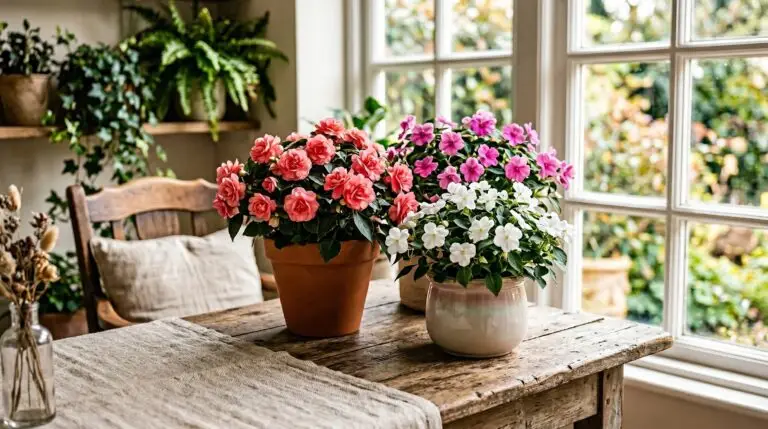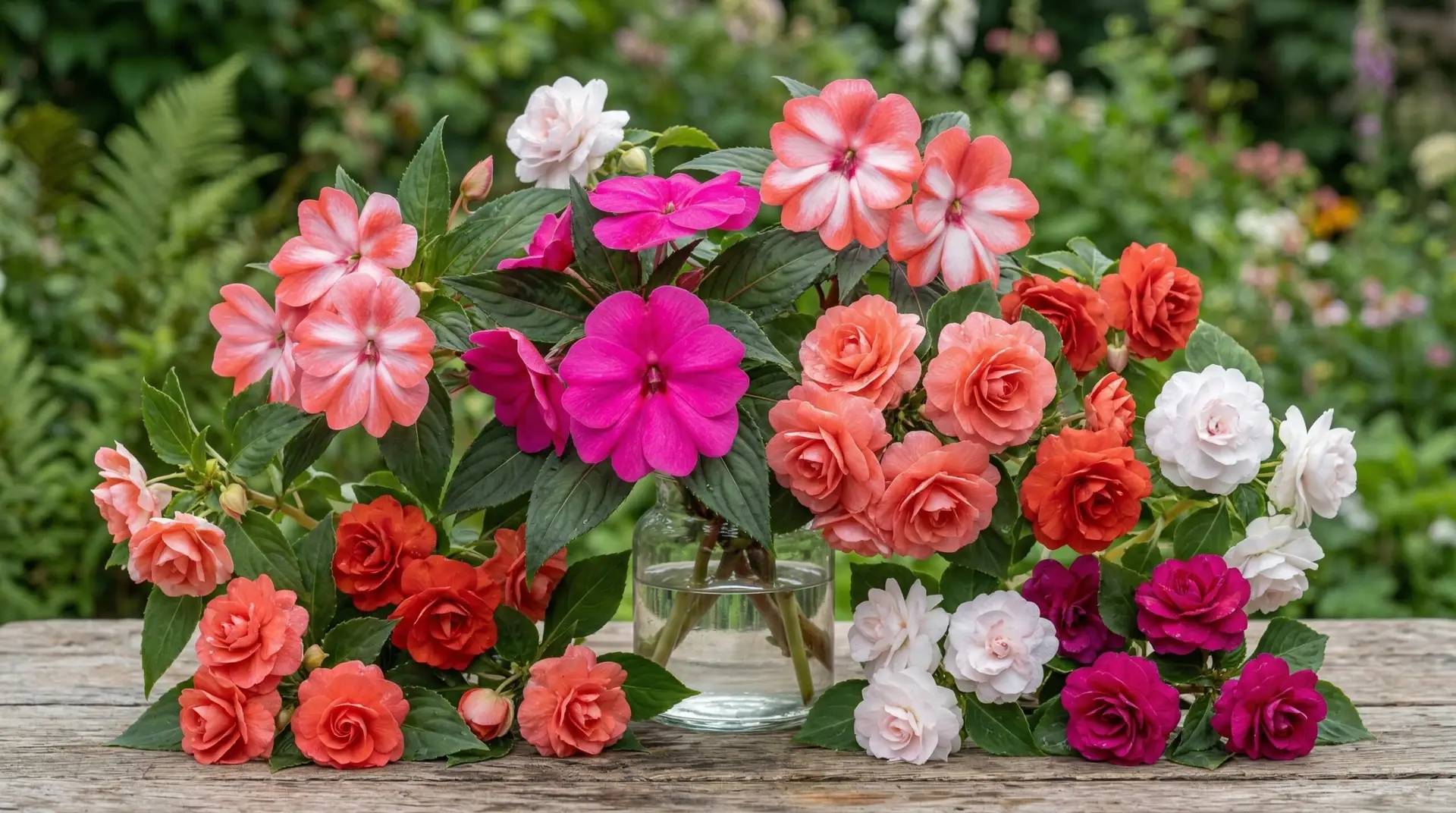
I still remember the first time I brought home a flat of New Guinea impatiens and realized how completely different they are from the standard bedding varieties. Standard impatiens have their place, but the New Guinea types command attention with an entirely different level of presence. The flowers are massive, often reaching three inches across, sitting flat and wide against thick, substantial leaves. What drew me in initially was the foliage itself, which comes in deep green, rich bronze, and even striking variegation with yellow or pink midribs. You do not just plant these to fill a bare patch of dirt under a tree. You give them prime real estate in premium containers where you can appreciate the thick stems and the way the enormous buds unfurl into those saturated, tropical colors. Growing them feels less like planting a common annual and more like curating a collection of exotic specimens right on the patio. The way the leaves catch the morning dew, holding perfect spheres of water along their serrated edges, is a detail I look forward to every single spring.
The appeal of larger flowers and colorful foliage
When you look closely at New Guinea impatiens, the sheer scale of the plant is what makes it so rewarding to grow. The blooms are the obvious focal point, offering a structural, almost architectural quality that standard varieties simply do not possess. Each flower has a distinct spur at the back and wide, overlapping petals that catch the morning light perfectly. But the true secret to my obsession with these plants is the foliage. A variety with dark bronze or burgundy leaves creates a dramatic contrast that makes pale pink or stark white flowers look incredibly crisp. I love pairing the dark-leaved varieties with a bold canna lily in a large glazed pot, letting the thick, tropical textures play off each other. Even when the plant is resting between bloom cycles, that thick, colorful foliage ensures the container never looks empty or tired. The leaves themselves have a slightly rubbery, resilient texture that hints at their tropical origins and makes them a joy to handle when potting them up.
Finding the right balance of sun and shade
Mastering New Guinea impatiens care is a deeply satisfying process of observation and adjustment. Unlike the traditional shade-loving types that melt in direct light, New Guineas actually need a few hours of sun to produce those massive flowers and maintain their tight, mounding habit. I have found the sweet spot is usually an eastern exposure where they soak up the gentle morning rays and then rest in dappled shade during the harsh afternoon heat. Finding that perfect location feels like unlocking a puzzle, and the plant rewards you immediately with a flush of new buds. You do have to stay vigilant with the watering can, as these plants have a notorious thirst and will dramatically collapse if the soil dries out completely. While they usually bounce right back after a good soak, keeping the moisture consistent is the trick to preventing the lower leaves from yellowing and dropping. If you have a spot that stays entirely in deep shade, you might actually be better off planting a begonia, because New Guineas really do need that touch of sunlight to reach their full potential. Getting the balance right requires a bit of trial and error, but seeing a perfectly hydrated plant covered in blooms makes the effort entirely worthwhile.
Standout varieties like Infinity and Florific
After years of growing different types, I have developed some strong preferences for specific series that consistently perform well in my garden. The Infinity series is a personal favorite because the plants grow with incredible vigor and produce some of the largest flowers I have ever seen on an impatiens. The colors in the Infinity line are deeply saturated, and the plants branch naturally without needing constant pinching to stay bushy. On the other hand, the Florific series has completely changed how I approach growing these plants from seed. Historically, New Guineas were mostly grown from cuttings, but the Florific varieties germinate beautifully and develop into sturdy, uniform plants with excellent branching. I do have to admit that both of these series will struggle and drop their buds if the night temperatures dip too low in the early spring. You have to be patient and wait until the soil is genuinely warm before moving them outside, or they will sit there sulking for weeks. Once the summer heat settles in, though, these specific varieties take off and quickly fill their containers with dense, colorful growth.
Feeding for continuous large flowers
To keep those enormous flowers coming month after month, you have to understand how hungry these plants actually are. A plant producing blooms that large, while simultaneously pushing out thick, fleshy foliage, burns through nutrients incredibly fast. I usually mix a slow-release granular fertilizer into the potting soil right at planting time to give the root system a strong foundation. Even with that head start, I find myself reaching for a water-soluble fertilizer every couple of weeks by midsummer to keep the momentum going. If you neglect their feeding schedule, you will quickly notice the new leaves growing in smaller and the flower production slowing to a crawl. The difference between a moderately fed New Guinea and a well-fed one is the difference between a sparse plant and a massive, continuous dome of color. Seeing the foliage deepen in color and the buds multiply just days after a good feeding is one of the small, weekly satisfactions of growing them. You really get out of these plants exactly what you put into them, which makes the whole process feel like a true partnership.
The daily rhythm of growing New Guineas
There is a very specific rhythm to living with these plants through the summer that keeps me coming back to the garden center for them every May. I love checking on them early in the morning, snapping off the spent blooms to keep the plants looking tidy and encouraging the next round of buds to open. The stems are thick and succulent, snapping cleanly between your fingers in a way that makes deadheading surprisingly satisfying. I have certainly had my share of frustrations with them, especially during July heatwaves when it feels like I am watering them twice a day just to keep them upright. Yet, the sheer volume of color they provide from late spring all the way until the first frost makes the effort completely worthwhile. When you finally get the light, the water, and the fertilizer just right, a single New Guinea impatiens will swell into a perfect dome of overlapping leaves and giant flowers. That moment of late-summer perfection, when the plant is completely covered in blooms, is exactly why I will always make room for them on my patio. They demand your attention, but they repay every drop of water and every ounce of care with a display that few other container plants can match.
More About Impatiens
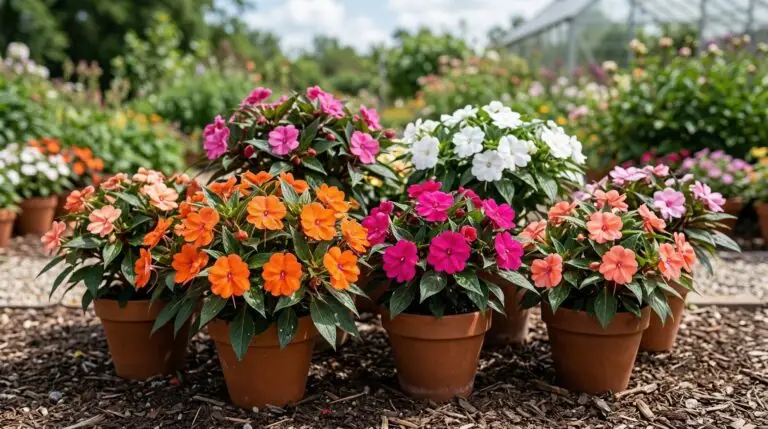
SunPatiens versus regular impatiens and which one handles sun and heat
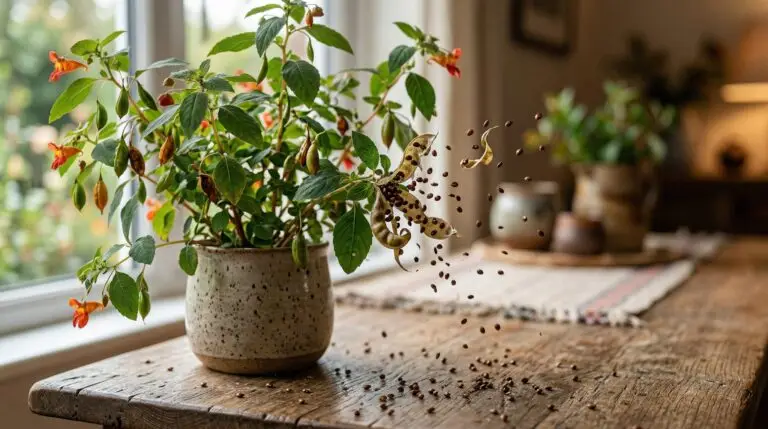
How impatiens seed pods explode and the fun of growing touch-me-nots from seed
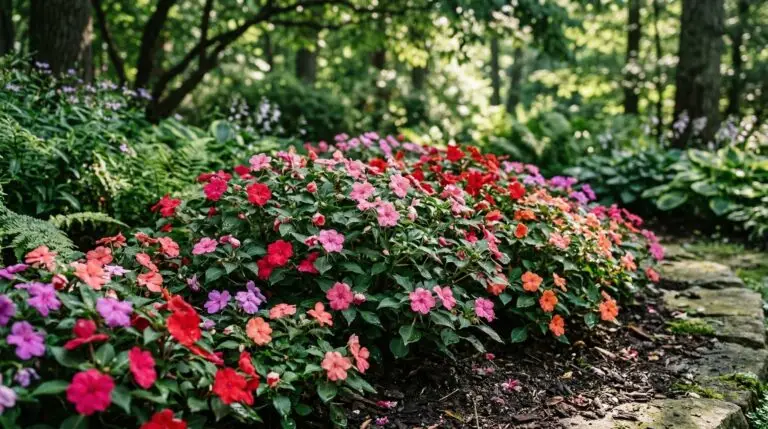
How to grow impatiens for non-stop color in shady spots where nothing else blooms

Mass planting impatiens for dramatic sweeps of color under trees and along walkways
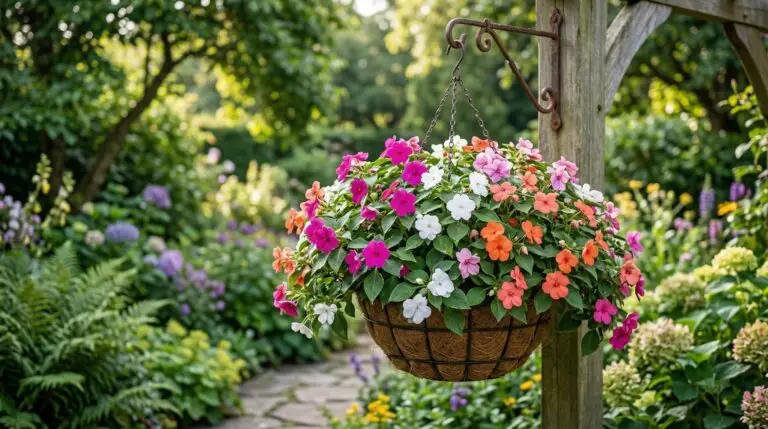
Growing impatiens in hanging baskets for cascading color on porches and patios
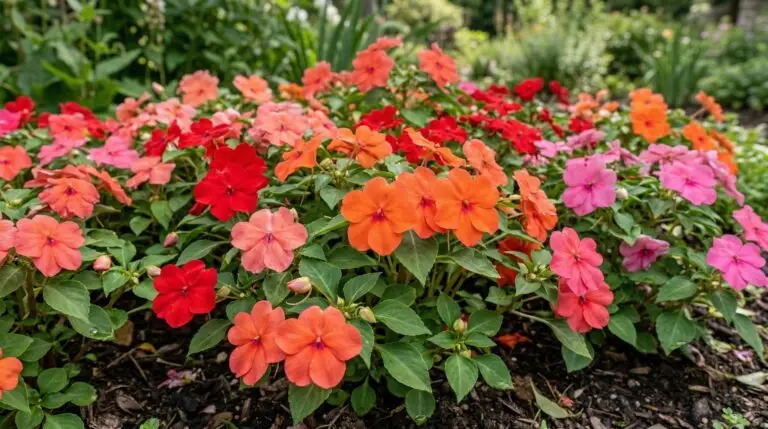
Best impatiens varieties from classic walleriana to exotic New Guinea hybrids

Companion plants for impatiens: what to grow, what to avoid
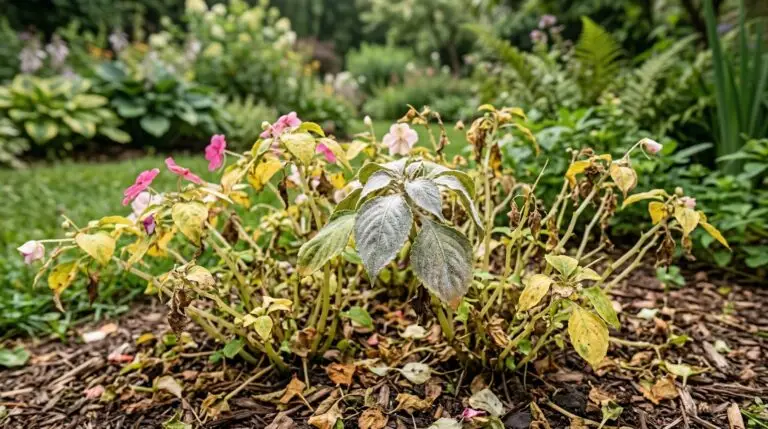
Impatiens downy mildew disease and the new resistant varieties that saved this flower