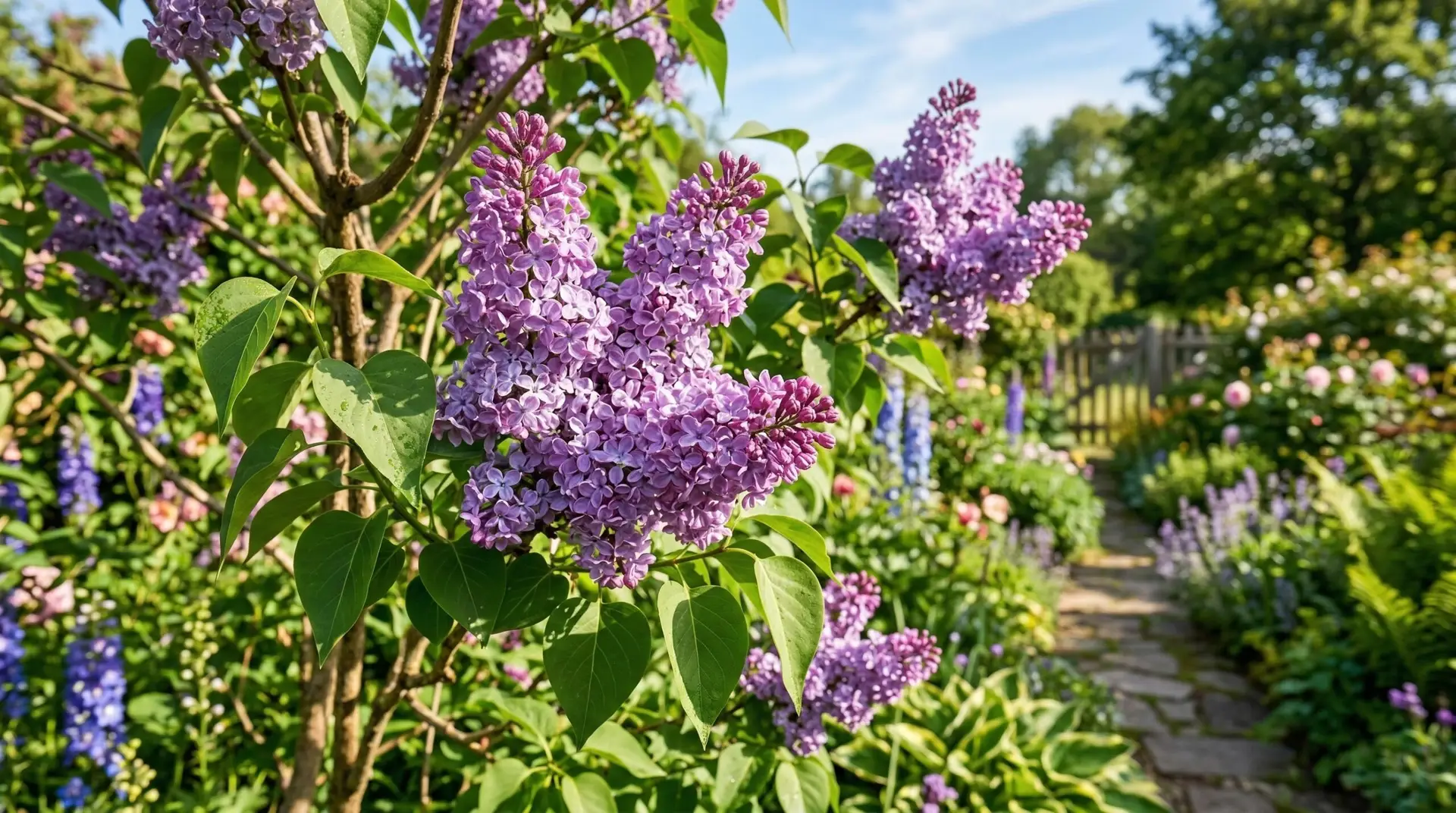
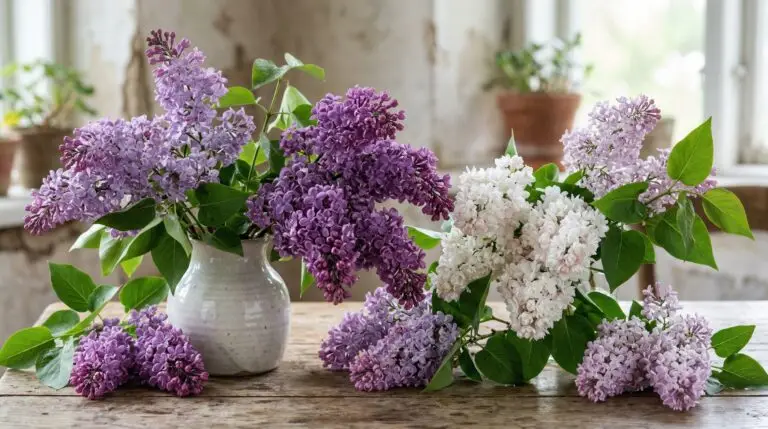
The familiar scent of a blooming lilac is a complex chemical cocktail of volatile organic compounds, primarily driven by a unique molecule known as lilac aldehyde. Botanists analyzing floral emissions have identified dozens of distinct aromatic chemicals released by the flowers of Syringa vulgaris during its brief spring window. This intense fragrance did not evolve for our enjoyment, but rather as a highly specialized biological beacon designed to attract early season pollinators across long distances. In the rugged, rocky hillsides of the Balkan Peninsula where the common lilac originated, competition for these early bees and butterflies was fierce. The plant adapted by pouring massive amounts of metabolic energy into synthesizing these volatile chemicals just as the weather begins to warm. Understanding this biological investment completely changes how we approach growing lilacs in our own gardens.
To support such an energy intensive floral display, the plant requires specific environmental triggers and soil conditions that mimic its ancestral home. The Oleaceae family, which includes both lilacs and olive trees, contains many species adapted to challenging, rocky environments. When we bring Syringa vulgaris into cultivated spaces, we often try to pamper it with rich, heavy soils that actually work against its natural biology. Proper lilac bush care is less about providing constant fertilizer and more about understanding the precise physical and chemical environment the plant’s root system evolved to navigate. By looking closely at how the plant functions on a cellular level, we can decode exactly what it needs to thrive and produce that legendary spring fragrance.
The science of soil and sunlight
In their native habitat, lilacs grow on exposed limestone outcroppings where the soil is naturally alkaline and rapidly draining. This geological history explains why mastering lilac care starts with testing your soil pH. When planted in the highly acidic soils common to many woodland gardens, the lilac root system becomes physically unable to absorb necessary macronutrients like phosphorus, which is essential for flower development. If your soil leans acidic, you will see stunted growth and a disappointing lack of blooms, a problem that can be corrected by applying agricultural lime to raise the pH. This preference for alkalinity puts them in direct contrast with acid loving spring azaleas, meaning the two species rarely thrive when planted right next to each other in unamended soil.
Above ground, the plant’s requirement for solar radiation is equally uncompromising. A lilac requires a minimum of six hours of direct, unfiltered sunlight every day to power the photosynthesis needed to build its heavy floral structures. When shaded by larger canopy trees, the plant responds by stretching its stems toward the light, resulting in a leggy, sparse shrub with flowers only at the very top. The leaves of Syringa vulgaris are relatively thin and broad, designed to capture maximum photons during the short spring and summer growing season. Without adequate sun, the plant simply cannot manufacture enough carbohydrates to sustain both its vegetative growth and the heavy biological cost of next year’s blossoms.
Because they evolved in well aerated, rocky soils, lilac roots are highly susceptible to suffocation in compacted clay. The roots need oxygen just as much as they need water, and planting them in heavy, waterlogged areas will quickly lead to root rot. Gardeners often pair them with early blooming forsythia shrubs, which share a similar tolerance for varying soil textures as long as the drainage remains excellent. When preparing a planting site, breaking up the surrounding soil and incorporating coarse organic matter helps create the macropores necessary for healthy root respiration. Once established, the dense root network makes the plant surprisingly drought tolerant, relying on moisture reserves stored deep underground.
Understanding vernalization and winter dormancy
One of the most fascinating aspects of lilac biology is their absolute requirement for a long, cold winter. This physiological process is known as vernalization, a survival mechanism that prevents the plant from pushing out tender new growth during a brief midwinter thaw. Deep inside the dormant buds, temperature sensitive proteins act as an internal clock, counting the cumulative hours the plant spends between freezing and forty five degrees Fahrenheit. Until a specific threshold of chilling hours is met, the chemical inhibitors keeping the bud dormant will not break down. This is why gardeners in warm southern climates struggle with traditional Syringa vulgaris varieties, as the plants simply sit dormant year after year, waiting for a deep freeze that never arrives. Plant breeders have recently developed low chill varieties like Syringa meyeri to bypass this limitation, though the common lilac remains strictly dependent on winter cold.
When the chilling requirement is finally satisfied and the soil begins to warm, a rapid cascade of plant hormones triggers bud break. The timing is precisely calibrated to local climate conditions, ensuring the flowers open exactly when specific native bees emerge from their own winter dormancy. The entire floral display happens over a matter of weeks, an ephemeral release of color and scent that defines the transition of the seasons. Botanists have observed that warmer than average spring temperatures can compress this bloom time even further, causing the volatile scent compounds to evaporate faster than they would in cooler weather. This sensitivity to temperature makes the lilac an excellent biological indicator of local microclimates within your garden space.
Pruning biology and energy storage
The most common mistake in growing lilacs stems from a misunderstanding of how and when the plant produces its flower buds. Lilacs are what plant scientists call old wood bloomers, meaning they develop the microscopic primordia for next year’s flowers during the heat of the current summer. If you prune a lilac bush in the fall or winter, you are severing the very branches that hold the fully formed, dormant flower buds. Proper pruning must occur immediately after the spring flowers fade, giving the plant enough time to push out new vegetative shoots that will bear the following year’s display. This timing is similar to the care required for fragrant mock orange bushes, which also set their floral structures months before they actually bloom.
As a lilac ages, its oldest woody stems become thick, heavily barked, and highly inefficient at transporting water and nutrients from the roots to the canopy. The biological vigor of the shrub naturally shifts to the younger, more flexible canes that emerge from the base of the plant. To maintain a healthy, blooming shrub, gardeners practice renewal pruning, which involves removing about one third of the oldest, thickest stems right down to the soil line every year. This physical damage stimulates the root system to redirect its stored energy into pushing fresh, vigorous new shoots from the crown. By constantly rotating the age of the wood, you mimic the natural cycle of branch breakage and renewal that would occur in a wild setting on a windy hillside.
After the flowers drop their petals and the scent dissipates, the lilac quietly enters its most critical phase of the year. Throughout the long days of summer, the broad green leaves work relentlessly to convert sunlight into sugars, shuttling those carbohydrates down into the root system for winter storage. The fragrance we enjoy for two weeks in May is actually the result of an entire year of biological labor, a massive expenditure of hoarded energy released all at once. Recognizing this cycle transforms the way we look at the plant during its quiet green months. The lilac is not resting in July and August, but rather actively building the chemical reserves required to perfume the air once again when the snow finally melts.
More About Lilacs

Pruning and rejuvenating old lilac bushes that have become overgrown and leggy

Companion plants for lilacs: what to grow and what to avoid
Why lilacs stop blooming and the pruning timing mistake almost everyone makes
Lilacs for warm climates and the low-chill varieties that bloom without cold winters
Lilac flower meaning and the nostalgic scent that connects us to spring memories

Dwarf and compact lilacs for small gardens that deliver big fragrance in limited space
Best lilac varieties from classic purple to reblooming Bloomerang and dwarf types