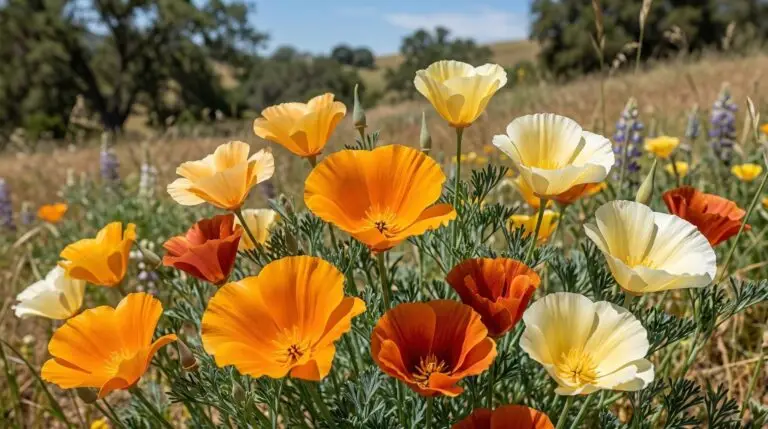
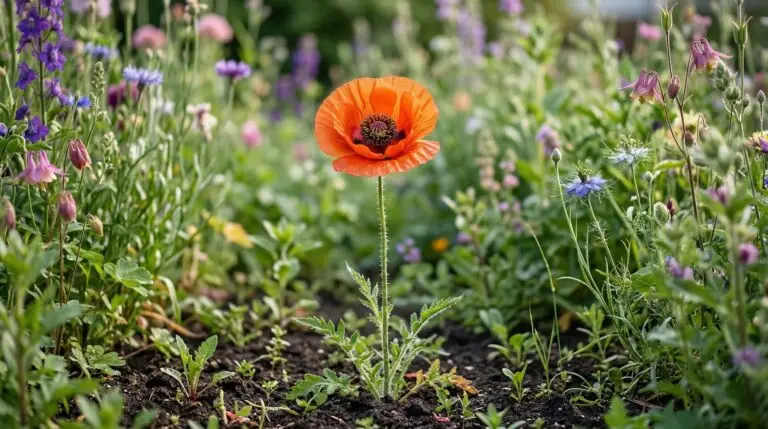
Dawn light hits a California poppy. The petals are tightly furled, resembling a closed umbrella. As the sun warms the soil, the overlapping orange cups begin to ease open, revealing a satin sheen that catches the early rays. A solitary sweat bee arrives before the flower is fully wide, pushing its way into the center to gather pollen. The plant sits in a patch of dry, gravelly earth where little else thrives, its blue-green, deeply dissected leaves gathering the night dew. This single plant arrived on the wind two years ago, a volunteer that found exactly what it needed in this neglected corner. It asks for nothing from me, requiring no supplemental water and no rich compost to sustain its brief, bright life.
To understand the poppy is to understand the nature of disturbed ground. Both the bright orange California poppy and the scarlet corn poppy are pioneer species, built by evolution to seize an opening in the earth. When a tree falls in a forest or a plow turns a field, these seeds wake from their dormancy to stabilize the soil and feed the early insects. Their roots drive down quickly, anchoring the plant while the foliage spreads to shade the bare dirt. They do not belong in stiff, formal rows where every inch of soil is managed and mulched. They belong to the open spaces, to the edges of things, mimicking the wild freedom of a natural meadow where plants organize themselves according to light and moisture rather than human design.
The memory of a meadow
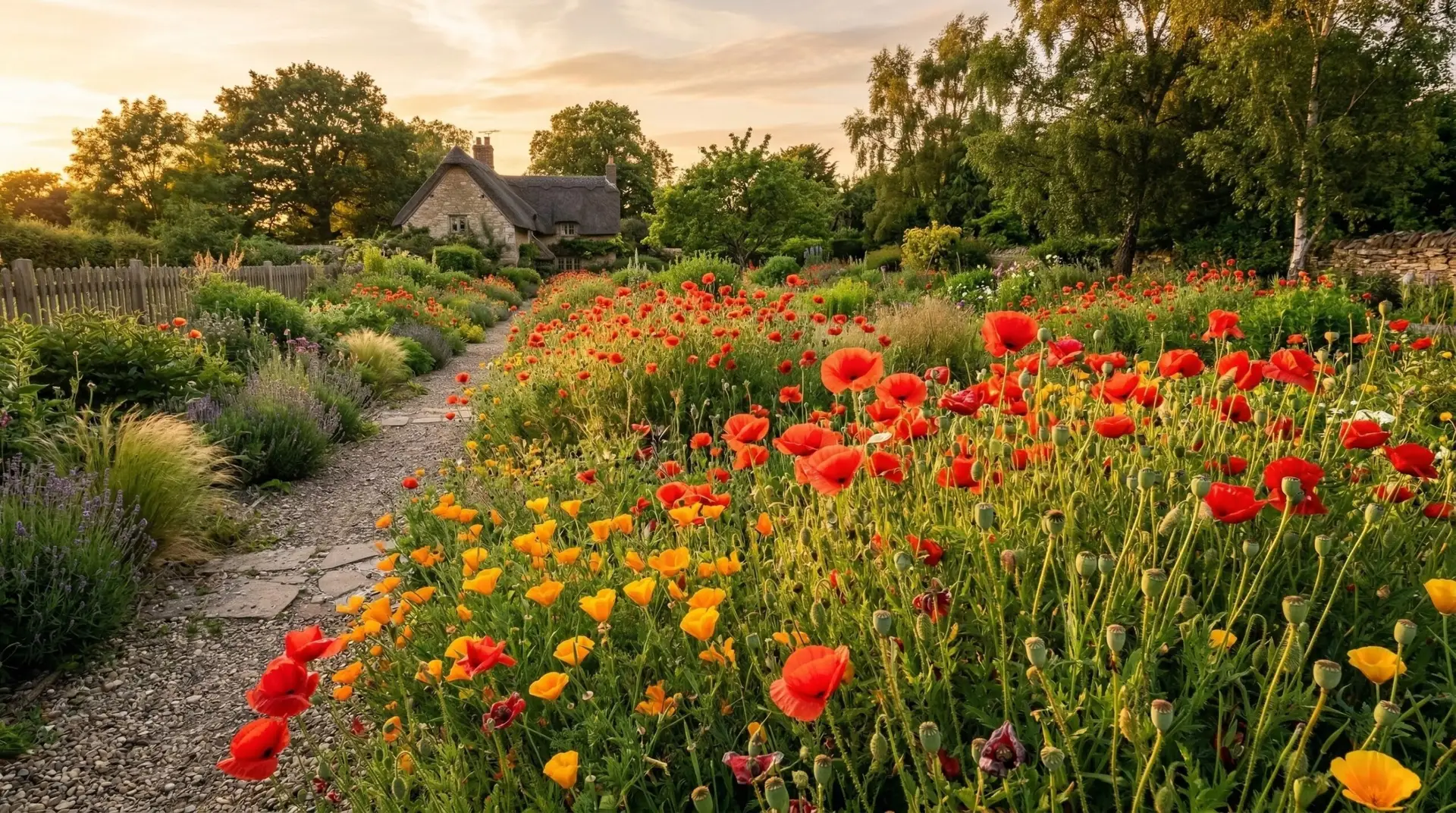
Creating a wildflower poppy meadow requires a surrender of control. You cannot dictate exactly where a poppy self sowing will emerge next spring, nor can you force it to bloom on a rigid schedule. You scatter the tiny, dark seeds in late autumn or very early spring, scratching them lightly into the surface of the soil so they make contact with the earth. They need the cold rains of winter to break their sleep, a process that tells the seed the seasons are turning. When they finally sprout, they often appear in dense clusters that mimic the drifts seen in wild places. I like to mix their seeds with cornflowers, allowing the intense blue to cool the fiery reds and oranges of the poppies. Together, they form a temporary community that supports hoverflies, solitary bees, and small parasitic wasps that keep aphids in check.
A poppy meadow is a loud, busy place on a warm afternoon. The flowers produce no nectar, but their pollen is a vital protein source for raising the next generation of native bees. You will see bumblebees working the blooms with frantic energy, their hind legs heavy with dark pollen baskets. Birds pay attention to these patches, too. Goldfinches and sparrows dart through the stems, waiting for the flowers to drop their petals so the real harvest can begin. The plants weave together, supporting each other against heavy winds, creating a microclimate at the soil level that retains moisture and shelters ground beetles. This dense planting mimics the way nature abhors a vacuum, filling every available niche with green life.
Leaving the seed heads
The transition from flower to seed is a quiet, gradual fading that many gardeners rush to erase. We are taught to cut away the spent blooms to force more flowers, a practice that treats the plant as a machine for our visual pleasure. But allowing a wildflower poppy to finish its life cycle offers a different kind of satisfaction. The petals fall away, leaving behind a swelling green capsule crowned with a flat, star-shaped lid. Over the course of a few weeks, this capsule dries and hardens, turning the color of old parchment. Small pores open just beneath the lid, transforming the seed head into a perfect, natural pepper shaker. When the autumn winds rattle the dry stems, thousands of tiny seeds are flung outward to colonize new territory.
Leaving these seed heads standing requires an acceptance of the messy, dying phases of a garden. The foliage yellows and crisps, retreating back into the earth as the plant’s energy shifts entirely to the future. I leave the stalks standing through the winter storms, watching the snow gather on the flat caps of the seed pods. The garden looks ragged during these months, but this raggedness holds the promise of the coming year. By late winter, the pods are empty, and the brittle stems finally snap and fold into the mulch. The old plants become part of the soil structure, feeding the microscopic life that will nourish their own offspring in the spring.
The controlled chaos of volunteers
The true reward of this patience arrives in March, when the soil warms and the first green shoots appear. Poppy seedlings are easy to recognize, with their narrow seed leaves followed quickly by the distinctive, fern-like true leaves. They emerge in the cracks of the sidewalk, at the edges of the vegetable beds, and in the gravel driveway, ignoring the boundaries I tried to establish. This is the controlled chaos of the volunteer garden. Thinning these seedlings feels like a small act of cruelty, but crowded plants compete for light and water until none of them thrives. I pull the weakest ones, leaving a few inches of space between the survivors so they can develop their deep taproots. The ones I leave behind grow with a vigor that transplanted nursery starts never seem to match.
The poppies do not stand alone in this self-sown space. They rise alongside the feathery foliage of love-in-a-mist and the sturdy, branching stems of cosmos, creating a shifting, unpredictable community. Every year the meadow looks slightly different, dictated by which seeds survived the winter rot and which found the perfect pocket of bare soil. The gardener becomes an editor rather than a creator, observing what the land wants to do and gently guiding it. A poppy is a brief, fragile thing, losing its petals in a strong rain or a heavy wind. Yet through its quiet work of seeding and scattering, it becomes a permanent resident of the place, tying the seasons together in a continuous, unbroken line.
More About Poppies
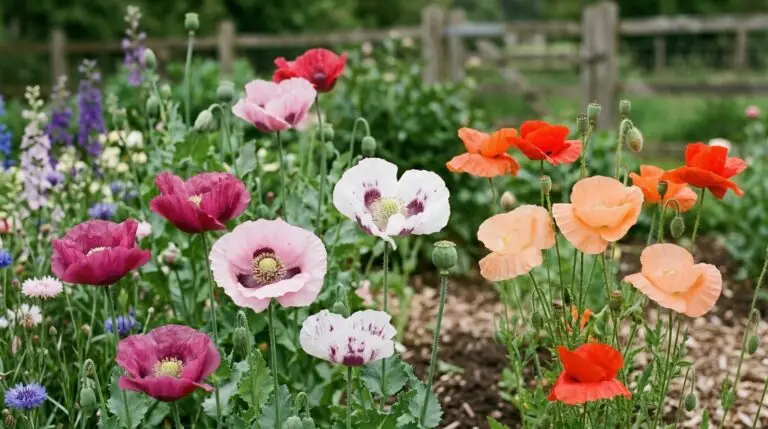
Iceland poppies for pastel spring color in cool climate gardens and cutting beds
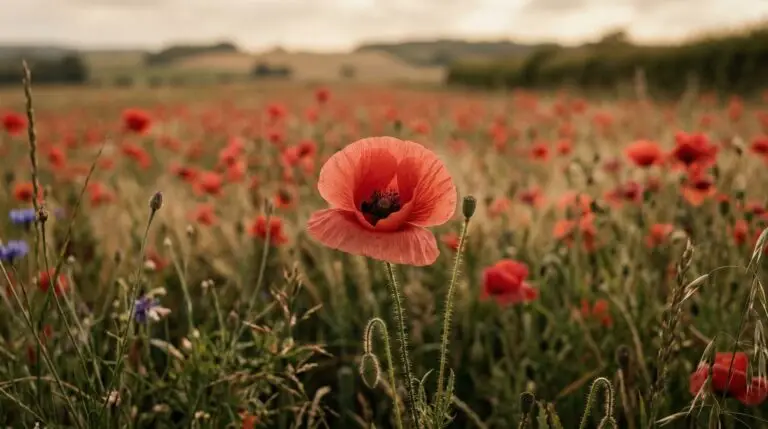
Poppy flower meaning from Remembrance Day red to the sleep and peace of ancient mythology
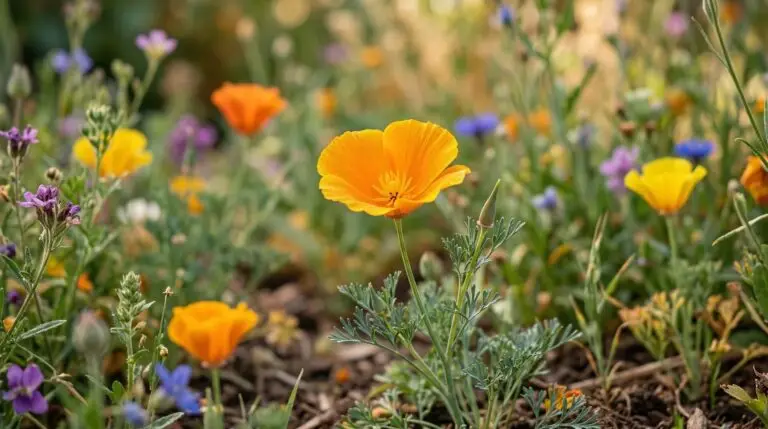
Growing California poppies for golden wildflower color in dry sunny gardens
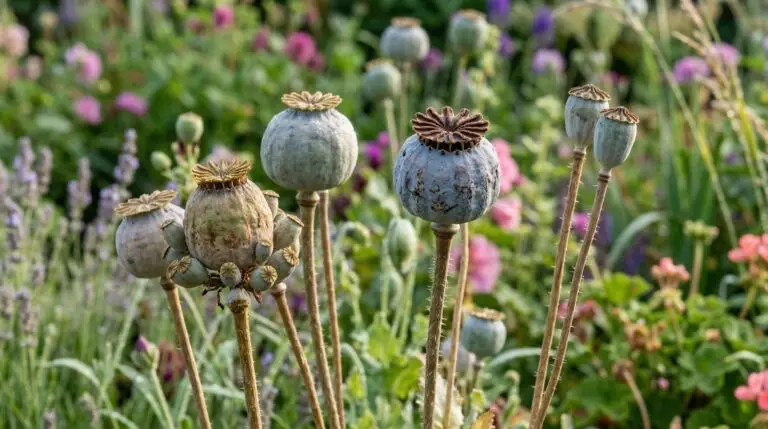
Poppy seed pods in dried flower arrangements and crafts for lasting garden beauty
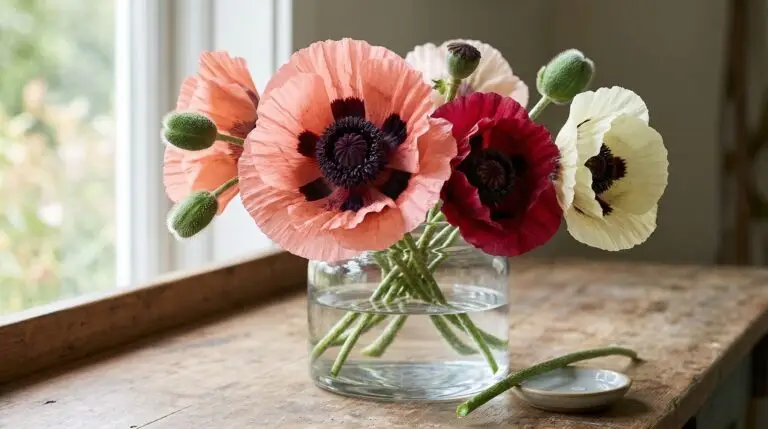
Oriental poppies for enormous papery blooms that are the stars of the early summer border
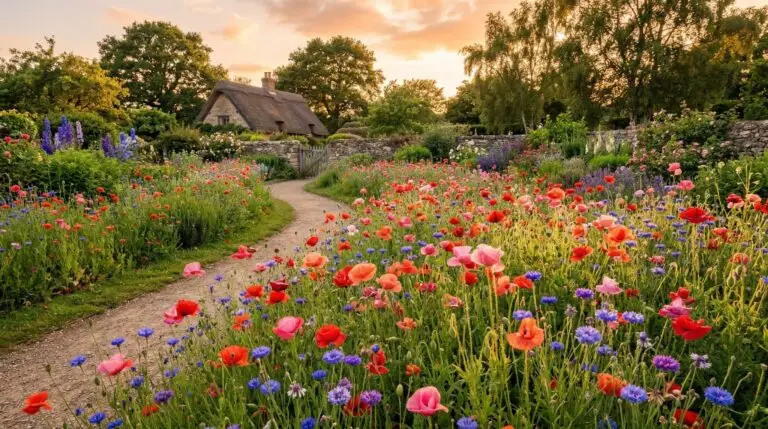
Companion plants for poppies: what to grow and what to avoid
How to grow poppies from seed for tissue-paper petals that dance in the breeze
Why you cannot transplant poppies and the direct sowing secret to success