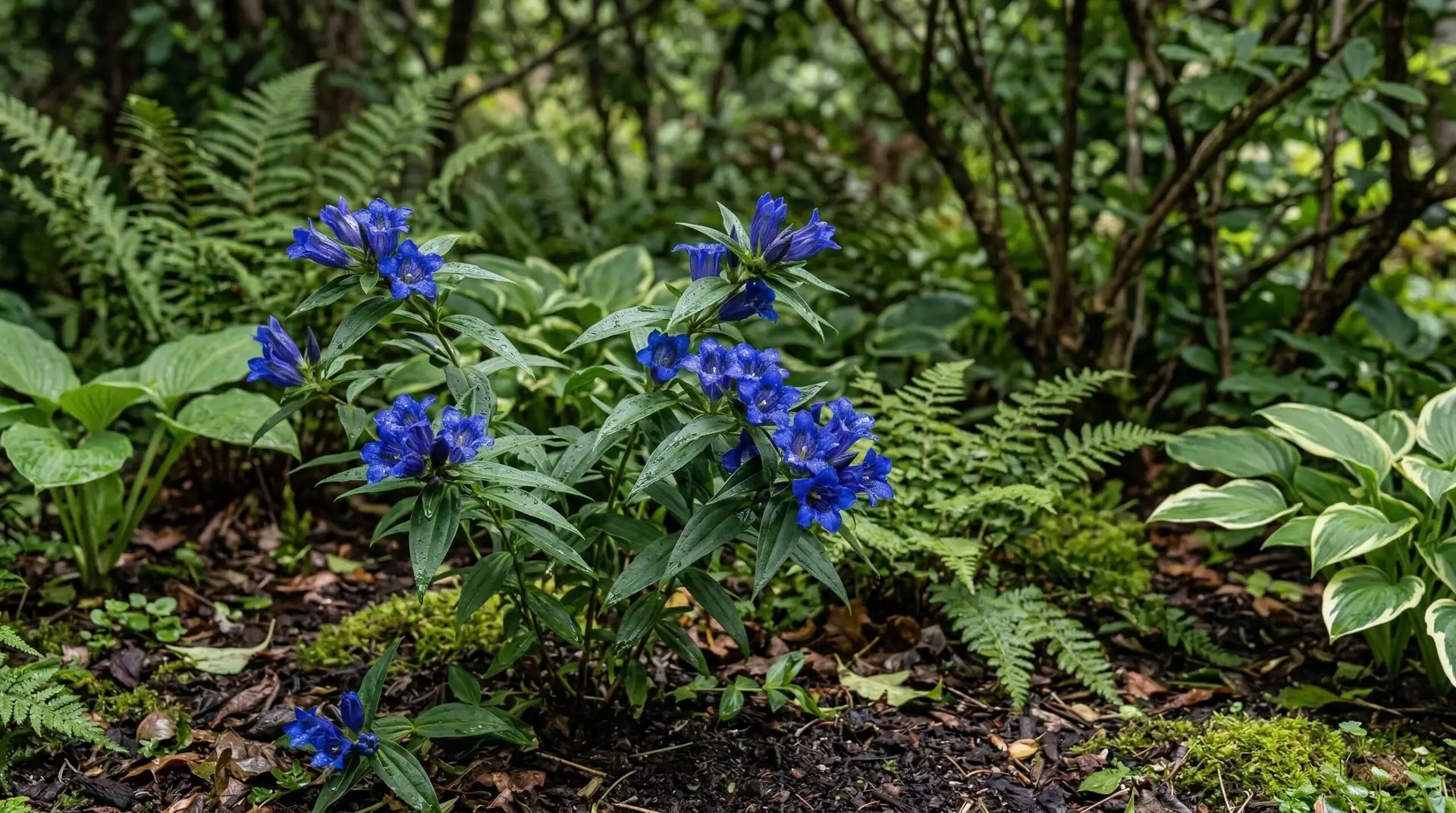
Anyone who has spent a few years digging in the dirt eventually falls under the spell of true blue flowers, and that usually leads straight to a heartbreak with alpine gentians. Those tiny, bright blue mountain plants look perfect in garden center pots, but they often crisp up and vanish the moment they face a typical backyard summer. After watching several expensive alpine varieties turn into crispy brown twigs, it is a relief to discover the willow gentian, scientifically known as Gentiana asclepiadea. This particular plant is the rare exception in a family of notoriously difficult divas, offering that same deep, piercing blue color without the constant demands for perfect rock garden conditions. Instead of hugging the ground and begging for cool mountain air, this species throws up tall, elegant stems that actually prefer the darker, damper corners of the yard. It is the easy gentian that finally allows regular backyard gardeners to enjoy those legendary blue trumpet flowers without needing a degree in horticulture.
Finding the right spot in the shade
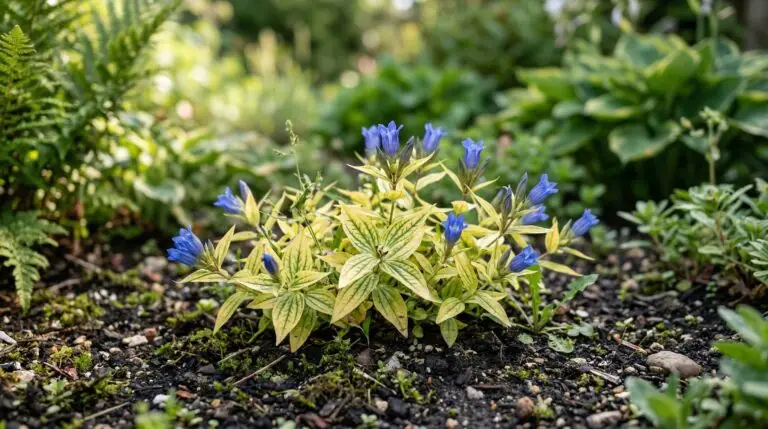
The biggest mistake people make with this plant is treating it like its sun-loving cousins. Willow gentian thrives in the kind of shady woodland environments where most other blooming plants refuse to produce flowers. The long, arching stems are lined with narrow leaves that look exactly like willow foliage, and by late summer, pairs of blue trumpet flowers appear at every leaf joint along the stem. To get the best display, plant them where they will receive morning light but are completely protected from the harsh afternoon sun. Gardeners in the South will need to provide deep, consistent shade to keep the foliage from scorching, while those in northern zones can get away with dappled sunlight under deciduous trees. A spot that naturally stays a bit damp, perhaps near a downspout or at the bottom of a gentle slope, will keep the roots perfectly content without any extra effort with the garden hose.
Soil preparation does not require bags of expensive specialty mixes from the garden center. The secret to a healthy woodland garden is simply mimicking the forest floor using what is already available. A thick layer of chopped autumn leaves or basic homemade compost worked into the top few inches of soil provides all the organic matter these plants need to establish a strong root system. They prefer soil that holds onto moisture but does not turn into a stagnant mud puddle after a heavy rain. If the planting area naturally supports plants like shade-loving hellebores, it will be the perfect home for a willow gentian. Dig the planting hole just wide enough to accommodate the roots comfortably, and avoid burying the crown too deep, as this can cause the base of the plant to rot before it ever sends up its first spring shoots.
Patience during the early years
Home gardeners need to know that these plants operate on their own slow schedule during the first year or two. When you first put a willow gentian in the ground, the seedlings often look completely dead or severely stunted for about two weeks after transplanting. They are not dead, and the worst thing to do is dig them up to check the roots. The plant is simply putting all its energy into growing a deep, thick root system rather than pushing out new leaves. Mark the planting spot with a sturdy stick or a bright rock so you do not accidentally pull up the young shoots while weeding early in the season. Once they finally settle in and mature, they become incredibly long-lived perennials that will emerge reliably every single spring without needing to be coddled or replaced.
One of the greatest rewards of being patient with this easy gentian is discovering its habit of self-sowing. While many woodland plants multiply by spreading their roots and taking over the bed, Gentiana asclepiadea stays in a neat clump and politely drops seeds nearby. The baby plants will pop up in the surrounding leaf litter the following spring, often finding the exact right microclimates on their own. You can carefully scoop up these tiny seedlings with a trowel when they have a few sets of true leaves and move them to other shady spots, or share them over the fence with neighbors. They pair beautifully with early spring bloomers like ephemeral Virginia bluebells, filling the visual gap when those earlier plants fade and go dormant for the summer. Leaving the spent flower heads on the stems through the fall is the only requirement to keep this gentle cycle of new plants going year after year.
Low maintenance for the long haul
Long term care for the willow gentian is genuinely minimal once the plant reaches its mature size. Because it develops a thick, fleshy taproot, it becomes surprisingly tolerant of brief dry spells, though it will always look better with a weekly soaking during summer droughts. That same deep taproot means dividing mature plants is a terrible idea, as cutting through the central root almost always kills both halves of the plant. If the clump gets too large for its space, the best approach is to simply prune back the outer stems or dig out the whole plant and replace it with a younger seedling. Pests and diseases rarely bother the thick foliage, meaning there is no need to mess with chemical sprays or complicated protective netting.
Late summer and early autumn can be a tired, messy time in the backyard, with most traditional perennials looking exhausted from the heat. The arching stems of the willow gentian wait until exactly this moment to open their deep blue trumpets, providing fresh color just when the yard needs it most. Feeding them requires nothing more than a fresh layer of shredded leaves applied around the base of the plant every autumn to break down over the winter. There is no need for synthetic fertilizers, heavy pruning, or winter protection, even in areas that receive heavy snowfall. Growing this specific gentian proves that having beautiful, unusual flowers in the yard does not require endless frustration or a perfect touch. A quiet, shady corner and the willingness to leave the plant alone are all it takes to succeed.
More About Gentian
How to grow gentians for the most intensely blue flowers in the entire plant world
Gentian flower meaning and the alpine legend behind this intensely blue bloom

Growing gentians in rock gardens and alpine troughs where they truly shine
Best gentian species for gardens from alpine Gentiana acaulis to autumn-blooming types
Why gentians are difficult to grow and the secrets to keeping them alive
Growing gentians from seed and the cold stratification they demand for germination
Companion plants for gentian: what to grow and what to avoid
Gentian root in herbal medicine and the bitter that has healed for centuries