Contents 4 sections
Understanding the power of a truly bitter root
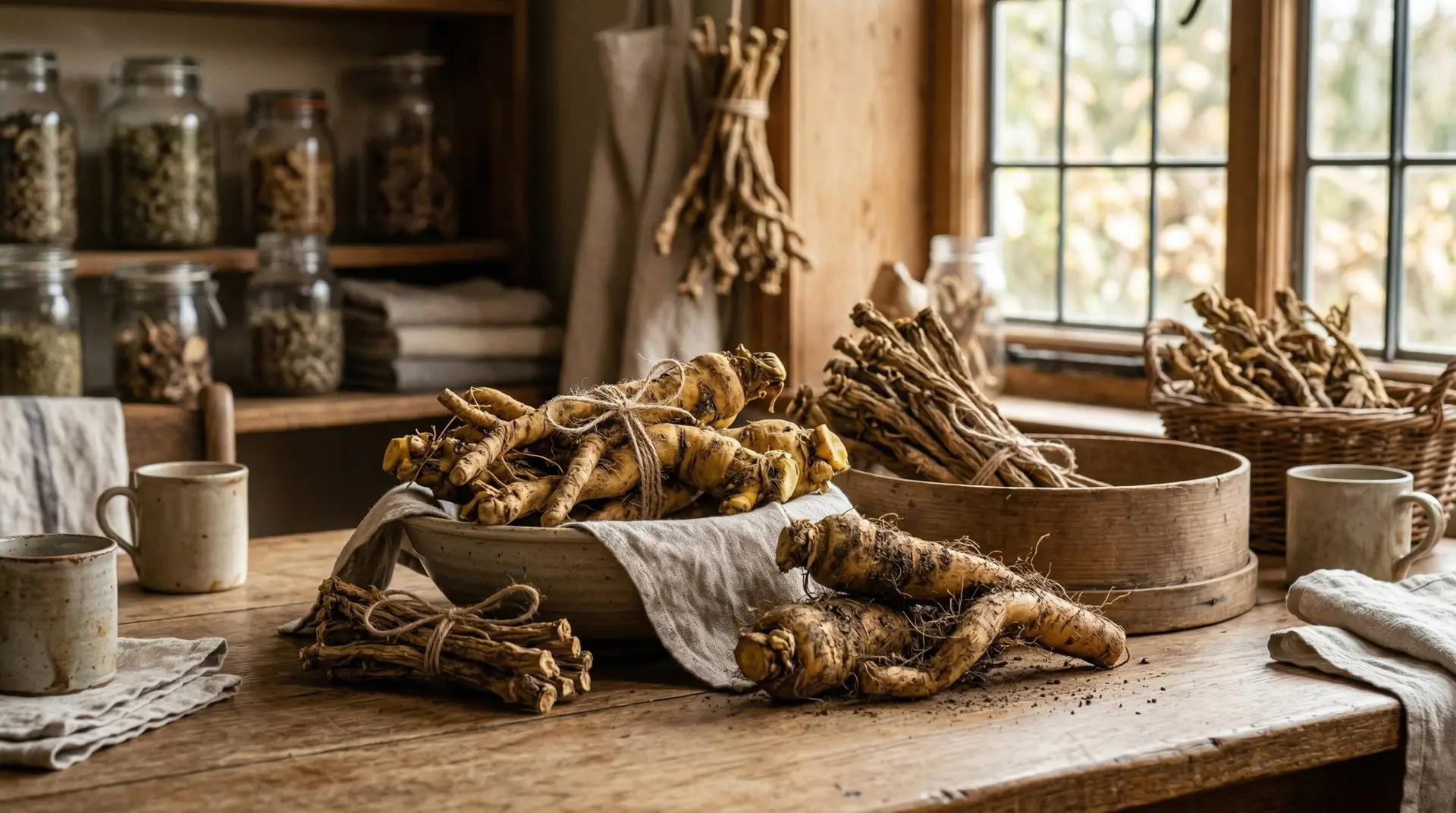
One of the first things gardeners ask when they start exploring medicinal plants is why anyone would intentionally consume something intensely bitter. It goes against our modern palate, which is heavily conditioned to expect sweetness in almost everything we eat and drink. The answer lies in the thick, fleshy taproot of the yellow gentian, known botanically as Gentiana lutea. For centuries, European herbal medicine has relied on gentian root specifically for its sharp, uncompromising bitterness. When that bitter flavor hits the receptors on your tongue, it sends an immediate signal to your brain and digestive system to wake up and get to work. This simple reflex is the foundation of traditional digestive remedies across the globe.
The natural follow-up question is how this translates into actual physical benefits for the body. The moment you taste gentian bitters, your mouth begins to water, which is the first physical step of digestion. This reflex then triggers the stomach to release gastric juices and encourages the liver and gallbladder to prepare for incoming food. Herbalists have long used this mechanism to help people who struggle with sluggish digestion or a poor appetite. You might already be familiar with using yarrow for similar traditional applications, but gentian is widely considered the absolute king of bitter herbs. The sheer intensity of its flavor means you only need a tiny amount to provoke a strong digestive response.
The long wait for a harvestable taproot
This leads to something many growers wonder about when they consider adding yellow gentian to their own garden beds. They want to know how long it takes before they can actually dig up the root and make their own medicine. The truth requires a great deal of patience because Gentiana lutea is an incredibly slow-growing perennial plant. It can take anywhere from five to ten years for the taproot to reach a size that is worth harvesting. During those early years, the plant focuses entirely on building its underground reserves before it even attempts to send up its tall stalks of yellow flowers. This slow maturation process is exactly what concentrates the complex chemical compounds that make the root so valuable.
Because the plant takes so long to mature, people frequently ask if wild harvesting is a viable alternative to growing it themselves. In the past, foragers dug up wild gentian across the mountainous regions of central and southern Europe to supply the herbal trade. This aggressive wildcrafting led to severe sustainability concerns as natural populations plummeted. Today, yellow gentian is protected in many parts of its native range to prevent it from disappearing completely from the alpine slopes. Commercial supplies now rely heavily on cultivated crops, which ensures the survival of wild plants while still providing enough root for the global market. Gardeners who choose to grow their own are actually participating in a valuable conservation effort simply by reducing the demand for wild-harvested roots.
Recognizing gentian in your everyday life
You might be wondering if you have ever tasted gentian without even realizing it. The answer is almost certainly yes, especially if you enjoy classic cocktails or traditional after-dinner drinks. Gentian root is the primary bittering agent in many famous commercial products, including the iconic Angostura bitters found on nearly every bar cart. It is also the defining flavor in popular European digestifs and aperitifs that are consumed before or after heavy meals. By the way, these famous beverages all originated as health tonics created by pharmacists and monks to cure stomach ailments. Over the decades, people began mixing these medicinal drops with spirits and soda, transforming serious herbal medicine into recreational drinking culture.
Once people realize how common this ingredient is, they usually want to know how to prepare gentian herbal remedies at home. The most practical method is making a basic alcohol extract, commonly called a tincture, using dried chopped roots. You simply place the dried root in a glass jar, cover it with high-proof alcohol, and let it steep in a dark cupboard for about a month. Because the flavor is so aggressively sharp on its own, many home herbalists like to blend it with aromatic herbs to make the medicine more palatable. You can easily add sweet orange peel, cardamom pods, or even a bit of lavender to your jar to round out the harsh edges. A few drops of this homemade blend in a glass of sparkling water makes a perfect digestive tonic to drink fifteen minutes before a large dinner.
The secret behind the curing process
A final question that rarely gets asked, but completely changes how you understand this plant, is whether the drying process alters the root itself. Most people assume you just pull the root from the dirt, wash it, and dry it like any other garden vegetable. However, gentian root undergoes a specific fermentation process during the drying phase that develops its characteristic qualities. When fresh, the root is quite pale and smells somewhat unremarkable, but as it slowly cures in the open air, enzymes begin to break down certain compounds. This slow curing turns the root a deep reddish-brown and develops the highly complex, earthy aroma that defines true gentian bitters. Understanding this transformation reminds us that traditional herbalism is as much about the careful preparation of the plant as it is about the harvest itself.
More About Gentian
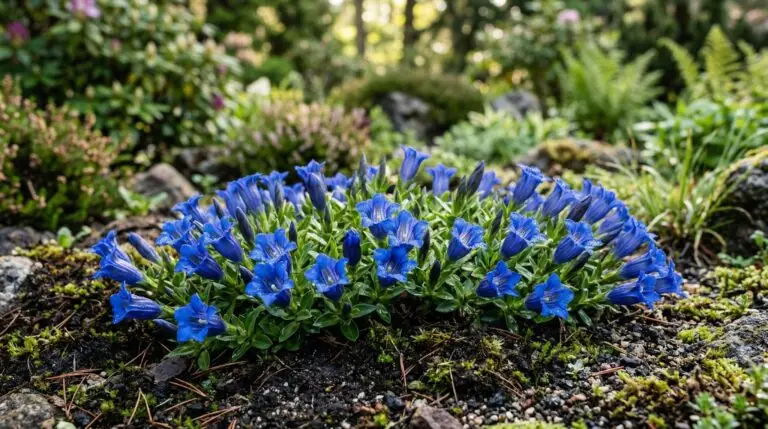
How to grow gentians for the most intensely blue flowers in the entire plant world
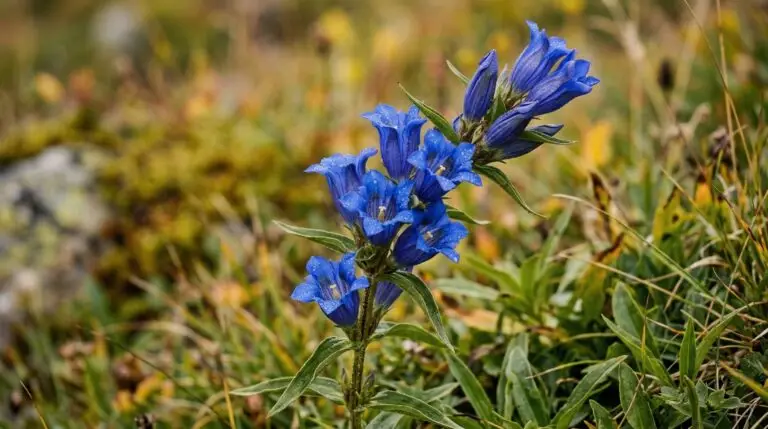
Gentian flower meaning and the alpine legend behind this intensely blue bloom
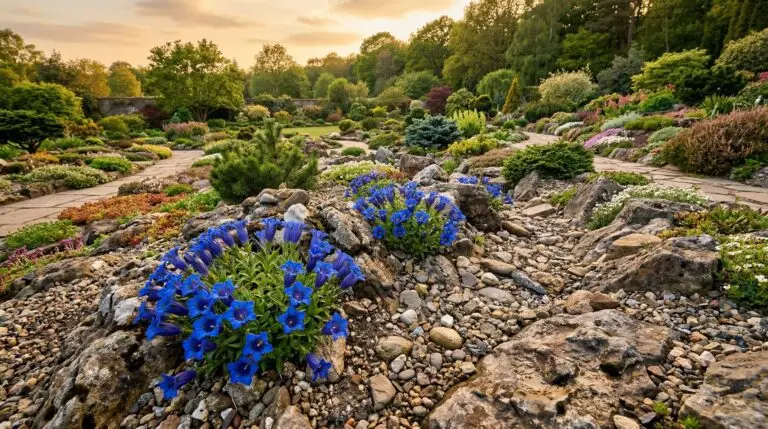
Growing gentians in rock gardens and alpine troughs where they truly shine
Best gentian species for gardens from alpine Gentiana acaulis to autumn-blooming types
Why gentians are difficult to grow and the secrets to keeping them alive
Growing gentians from seed and the cold stratification they demand for germination
Companion plants for gentian: what to grow and what to avoid
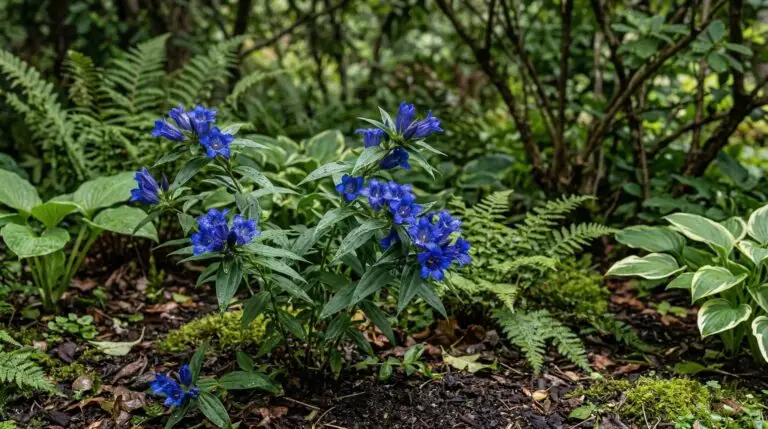
Willow gentian as the easiest gentian for beginners and shady woodland gardens
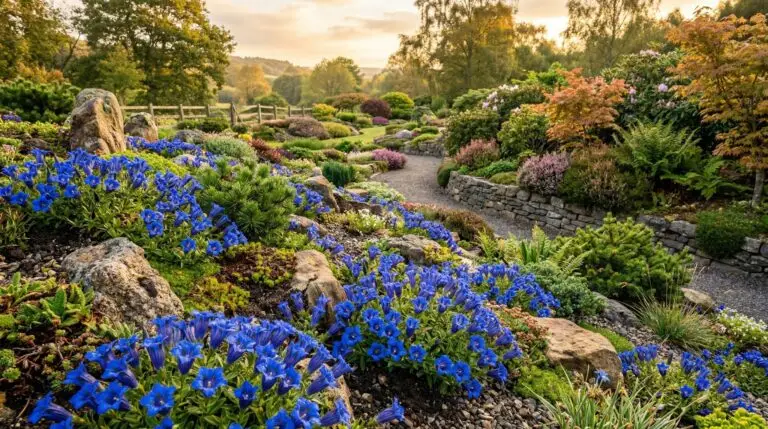
Autumn-blooming gentians that bring electric blue to the fall garden
Enjoying our flower guides? Add YourFlowersGuide as a preferred source on Google. It helps more readers find us.
Add to Preferred Sources