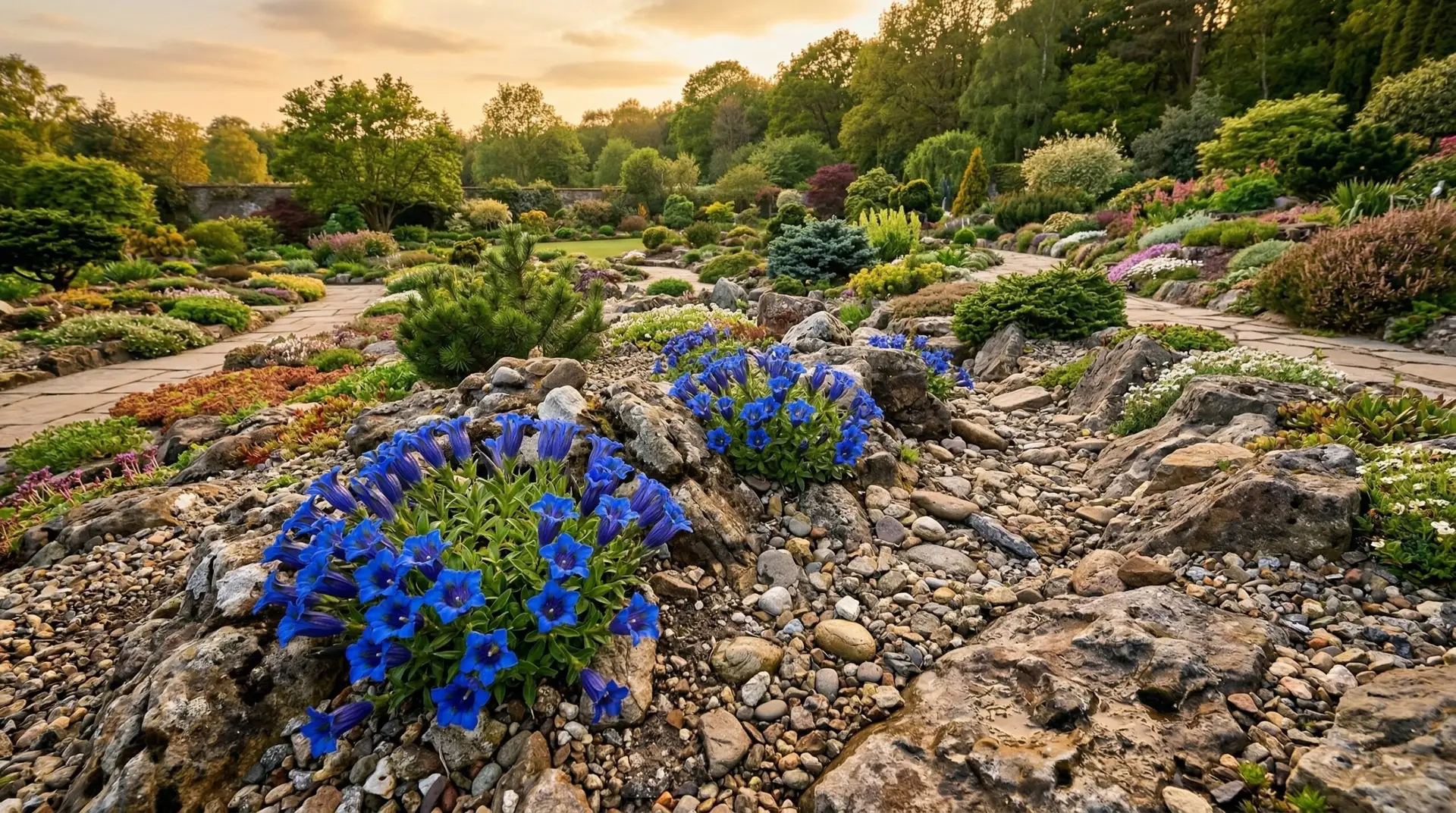
When we approach garden design, we often look for large structural anchors or sweeping masses of filler plants to define a space. The gentian operates on an entirely different scale, functioning as a brilliant, jewel-like accent that demands close attention. In a garden composition, this plant acts as a micro-focal point. It draws the eye downward and inward, asking the viewer to pause and examine the fine details of its trumpet-shaped blooms. Because of its diminutive size and specific cultural needs, the gentian rarely succeeds in traditional mixed borders where aggressive roots easily outcompete it. Instead, it finds its true home in the specialized environments of rock gardens and alpine troughs, where its intense coloration and compact form can be properly staged and protected from larger neighbors.
Contents 3 sections
Designing with alpine gentian in rock gardens
The color of a true alpine gentian is a profound, penetrating blue that is exceptionally rare in the plant world. This specific hue commands attention and requires careful thought when planning surrounding color relationships in the garden. You can create a striking, high-contrast composition by pairing this deep blue with warm, sunny yellows. Placing a low-growing dwarf coreopsis nearby in the rock garden provides a brilliant complementary clash that energizes the entire planting area. If you prefer a more harmonious, soothing palette, you can surround the gentian with silver-leaved alpines or plants with pale pink and white blossoms. The neutral gray tones of the surrounding rocks also play an important role in color theory, acting as a quiet canvas that allows the intense blue to register fully without overwhelming the eye.
The physical form of the gentian typically presents as a low, spreading mat or a tight, tufted rosette of foliage. The leaves are generally small, smooth, and somewhat glossy, providing a fine texture that contrasts beautifully with the coarse, rough surfaces of granite or limestone boulders. When placing a gentian rock garden, scale and proportion are your primary concerns for a successful composition. These plants must sit near the front edges of planting terraces or tuck into elevated crevices where they will not disappear behind broader plants. By lifting the planting area above ground level, you bring the fine texture and small scale of the plant closer to the viewer’s natural sightline. This elevation ensures that the subtle beauty of the low-growing foliage receives the visual weight it deserves.
Designing a rock garden requires both engineering and aesthetic planning, and recreating mountain conditions at home is essential for these specific plants. The gentian requires sharp, immediate drainage to survive, meaning the soil composition must lean heavily on crushed gravel, coarse sand, and mineral grit. From a design perspective, this gritty topdressing performs two functions for the overall composition. It protects the crown of the plant from winter wetness while providing a clean, uniform surface that unifies the various small plants in the garden. The large anchor stones placed throughout the garden create microclimates, offering cool root runs and casting small shadows that protect the foliage from the most intense afternoon sun. These stones also provide visual weight, grounding the delicate alpine plants in a rugged, naturalistic setting.
Creating intimate compositions in a gentian trough garden
For the most demanding alpine species, a gentian trough garden offers the ultimate control over both soil conditions and visual composition. A trough acts as a miniature, self-contained environment that elevates the plants to table height or wall height. This elevation is a powerful design tool, forcing the viewer to interact with the garden on an intimate, almost face-to-face level. The container itself, whether carved from solid stone or cast from rustic hypertufa, provides a strong, geometric frame that contains the wild, rugged appearance of the alpine plants within. By isolating the gentian in a trough, you remove the visual competition of the broader yard, allowing the subtle beauty of the alpine ecosystem to hold the stage alone. The trough becomes a distinct architectural element that bridges the gap between the built environment and the natural world.
Selecting companions for a trough requires a careful eye for scale and growth rate, as aggressive plants will quickly smother a delicate gentian. You want to choose plants that share the same need for lean soil and excellent drainage while offering contrasting forms. A creeping thyme or a miniature dianthus can spill softly over the rigid edge of the trough, breaking the hard lines of the container. Adding a compact alpine bellflower introduces a different flower shape and a softer, more muted shade of blue or white that echoes the gentian without competing with its primary color. These combinations create a balanced, proportional miniature garden where upright, mounding, and trailing forms all work together in a confined space. The resulting composition feels lush and complete despite the harsh growing conditions.
A well-designed alpine composition must offer visual interest even when the spectacular blue flowers fade at the end of their blooming season. The gentian provides structural value through its neat, persistent foliage, which often takes on purplish or bronze tints during the colder months. To support this winter structure, you should interplant with miniature evergreen conifers or low, creeping sedums that maintain their fleshy leaves year-round. The rocks and gravel mulch become the dominant visual elements during the winter, highlighting the shapes and textures of the dormant plants. This permanent, hardscape-driven structure ensures that the rock garden or trough remains an attractive, highly textured feature in the yard regardless of the season. The stark beauty of the stones and evergreen rosettes carries the design through the bleakest winter months.
Structural placement and sightlines
The physical placement of these specialized gardens within your overall property requires strategic thinking about light and sightlines. A rock garden or alpine trough should sit where it receives bright, clear morning light but perhaps enjoys some relief from the baking late afternoon heat. Because the plants are small, these features belong near areas of high foot traffic or places where people naturally pause. Placing a trough on a sturdy pedestal near a patio seating area or building a rock outcropping alongside a main entry path guarantees that the delicate structures will be seen. If you place these miniature compositions too far out in the yard, they will read as flat, textureless patches of gravel from a distance. Proper placement ensures that the garden reveals its details only to those who approach it closely.
The most effective way to use these specialized alpine plants is to apply the design principle of micro-focus. In a large yard, the eye often sweeps quickly over broad masses of color and large shrubs. By introducing a highly detailed, constrained space like a rock crevice or a stone trough, you force a sudden shift in scale that interrupts that sweeping gaze. You create a deliberate moment of pause, asking the viewer to stop, lean in, and appreciate the intense color and perfect geometry of a single flower. Designing a space specifically for a gentian teaches us that gardens do not always need to be loud or massive to have a strong impact. A perfectly staged miniature composition holds just as much visual weight as a sprawling perennial border, provided it is placed with intention.
More About Gentian
How to grow gentians for the most intensely blue flowers in the entire plant world
Gentian flower meaning and the alpine legend behind this intensely blue bloom
Best gentian species for gardens from alpine Gentiana acaulis to autumn-blooming types
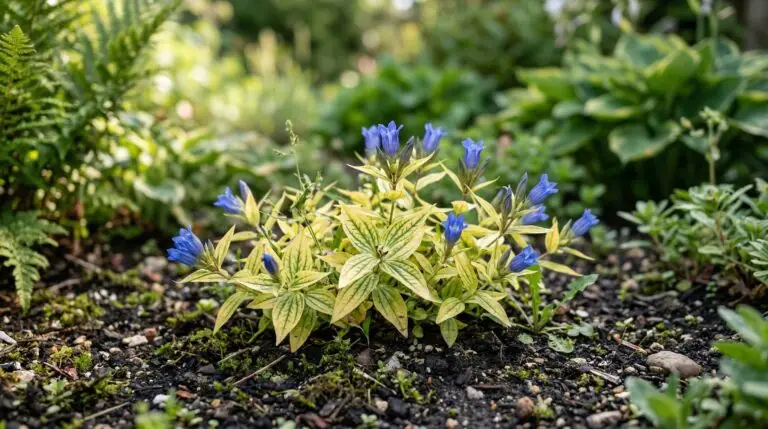
Why gentians are difficult to grow and the secrets to keeping them alive
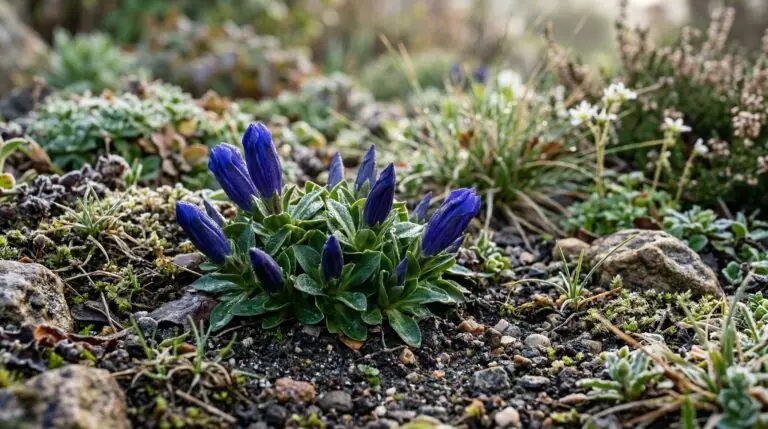
Growing gentians from seed and the cold stratification they demand for germination
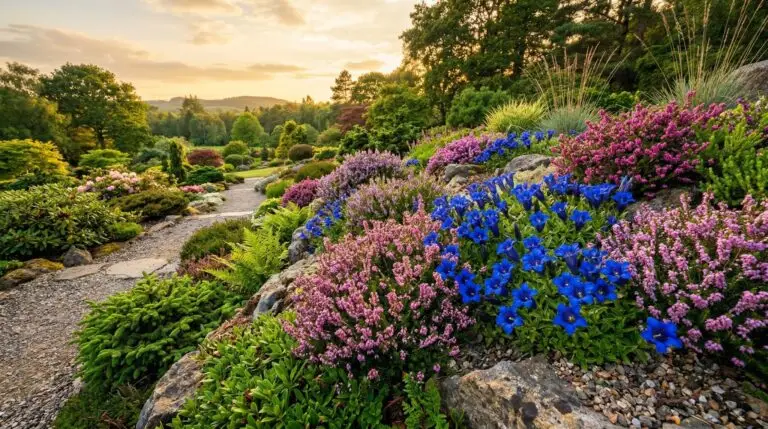
Companion plants for gentian: what to grow and what to avoid
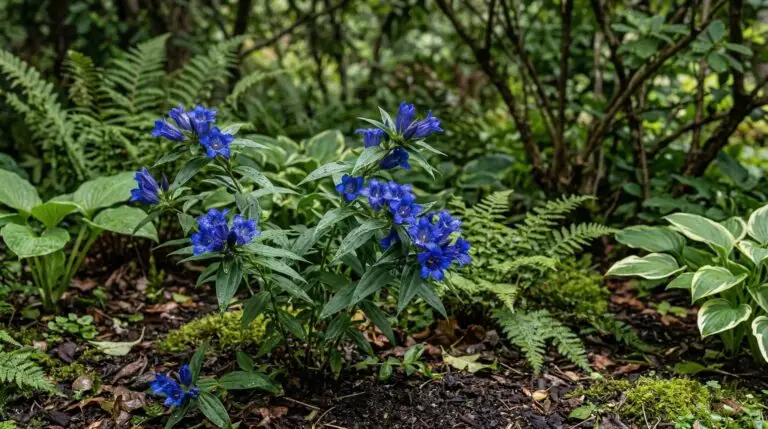
Willow gentian as the easiest gentian for beginners and shady woodland gardens
Gentian root in herbal medicine and the bitter that has healed for centuries
Autumn-blooming gentians that bring electric blue to the fall garden
Enjoying our flower guides? Add YourFlowersGuide as a preferred source on Google. It helps more readers find us.
Add to Preferred Sources