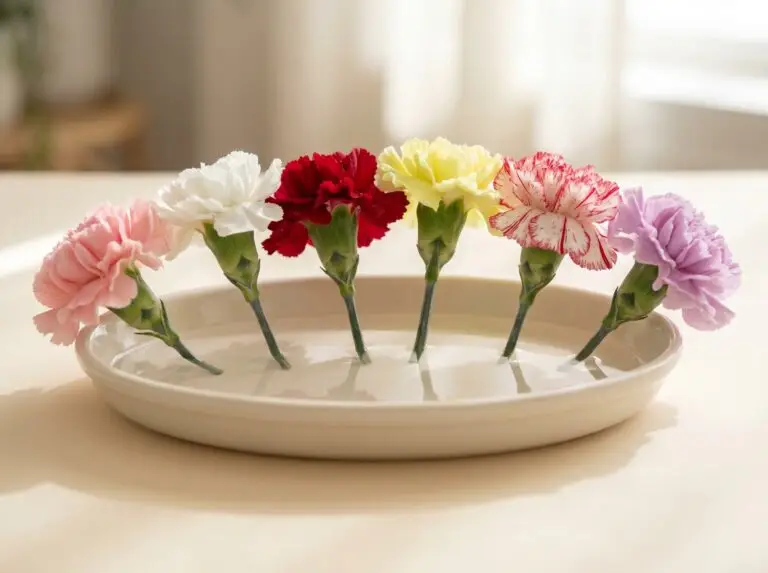
Most people know the carnation as a stiff, scentless flower dyed neon green for a holiday or stuffed into a cheap gas station bouquet. That was exactly how I saw them for years, dismissing them entirely when planning my own garden beds. My perspective shifted completely when a fellow grower handed me a small, unassuming pot of an heirloom Dianthus caryophyllus. The moment the first flower opened, the heavy, spicy scent of clove hit the air, and I finally understood what the fuss was about centuries ago. True carnation appreciation begins the moment you step away from the commercial cut flower industry and experience the plant as it was meant to be grown. People often ask me, are carnations good flowers, and I always tell them they have likely only met the wrong kind of carnation. The ones you grow yourself are entirely different creatures, full of character, rich fragrance, and a relaxed garden habit that bears no resemblance to the stiff wands sold in supermarkets.
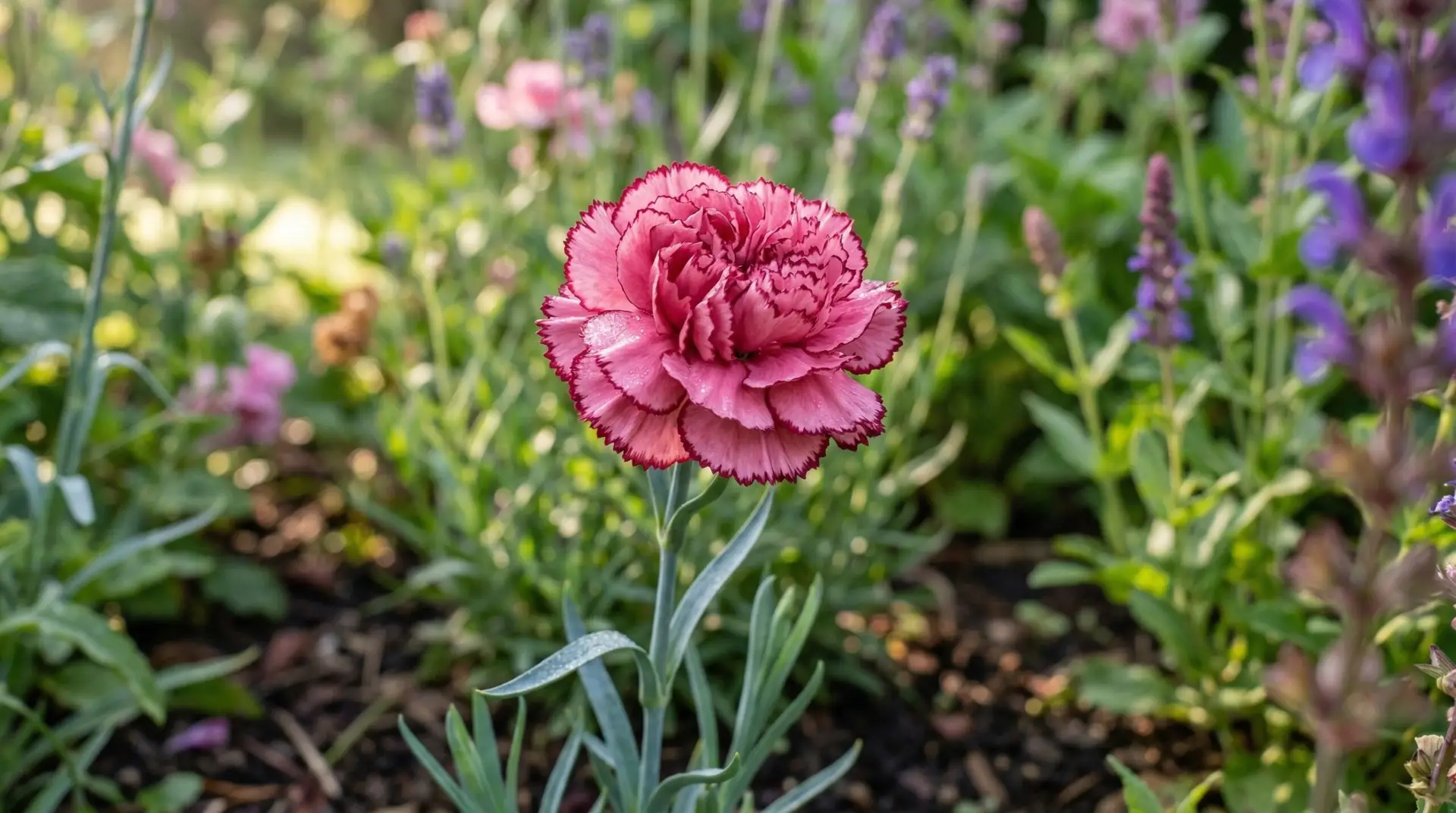
Getting to know these plants has been one of the most rewarding surprises of my gardening life. They belong to the Dianthus genus, and the true florist type is just one highly bred branch of a very large and charming family tree. When you start growing heritage varieties from seed or taking cuttings from older garden lines, you discover a plant that forms attractive mounds of silvery, blue-green foliage. This foliage persists through the winter in many climates, providing a quiet structural element when the rest of the garden has gone dormant. The flowers themselves are softer, with fringed edges that look almost as if they were cut with pinking shears. They open in shades of deep velvet red, pale blush, creamy yellow, and complex striped patterns that look like antique botanical illustrations.
Finding the right varieties for the garden
The key to making a carnation garden worthy is selecting varieties that were bred for the border rather than the greenhouse. I have spent years trialing different types, and the ‘Chabaud’ series remains a personal favorite for its sheer old-world charm. These were developed in France in the late nineteenth century, and they produce heavily ruffled, deeply scented flowers on long stems that are perfect for cutting. They do require a long growing season, so I start the seeds indoors very early under lights, but the payoff in late summer is entirely worth the wait. Another excellent choice is the ‘Grenadin’ series, which operates as a short-lived perennial or biennial in my garden. The variety ‘Grenadin Black King’ produces blooms so dark they appear almost black in the evening light, and the clove fragrance is so intense you can smell it from several feet away on a warm afternoon.
You do have to accept that these older garden varieties behave differently than modern commercial hybrids. The stems of heritage carnations are often wiry and prone to flopping, especially after a heavy summer rain. I have learned to gently support them with small twiggy branches pushed into the soil early in the season, allowing the plants to grow through the support. This keeps the heavy flower heads off the damp ground without the need for unsightly plastic stakes or tight string lines. While some gardeners might find this need for support annoying, I find the process of tending to them quite satisfying. It forces you to slow down and observe the plant closely, noticing the subtle color shifts in the buds as they prepare to open.
The daily rewards of an old fashioned flower
There is a distinct emotional satisfaction that comes from bringing these flowers inside the house. Unlike the scentless commercial varieties, a small jar of homegrown carnations will perfume an entire room with a rich, spicy fragrance that feels both familiar and entirely new. I often cut them in the early morning when the stems are fully hydrated, placing them on my kitchen windowsill where the warmth of the sun releases their scent. They hold up incredibly well in a vase, easily lasting ten days or more if you change the water regularly. It is this combination of staying power and fragrance that makes them such a reliable companion in the cutting garden. They share that same workhorse quality with the chrysanthemum, providing armloads of blooms long after more delicate spring flowers have faded away.
Beyond the cutting garden, carnations offer small surprises throughout the growing season. Because they prefer cooler weather, they often put on a heavy flush of blooms in late spring and early summer, taking a brief rest during the hottest weeks of August. When the temperatures begin to drop again in September, they frequently push out a second round of flowers that carry the garden into the autumn months. I love pairing them with other sturdy, dependable plants like the marigold, creating a border that bridges the gap between the heat of summer and the first hard frost. The contrast between the silvery carnation foliage and the bright, warm tones of late-season annuals creates a highly satisfying visual texture in the garden beds.
Managing the inevitable frustrations
Enthusiasm for a plant should never blind a grower to its faults, and carnations certainly have their share of frustrating habits. The most common heartbreak comes from their absolute intolerance for wet feet and heavy, waterlogged soil. I have lost several beautiful, established clumps to crown rot simply because I planted them in a spot that held too much moisture during the winter months. They demand excellent drainage, and I now mix a generous amount of coarse grit or chicken grit into the planting holes to ensure the water moves quickly away from their roots. If you garden in an area with heavy clay, you will likely need to grow them in raised beds or large terracotta pots to keep them happy over the winter.
Another reality of growing garden carnations is their relatively short lifespan. While they are technically perennials in many zones, they tend to lose their vigor after three or four years, becoming woody at the base and producing fewer flowers. I have learned to treat them as short-lived perennials, taking softwood cuttings in early summer to ensure I always have fresh, vigorous plants coming along to replace the older ones. Rooting these cuttings is surprisingly straightforward if you strip the lower leaves and place them in a mix of perlite and potting soil. Watching a tiny slip of a plant develop roots and grow into a robust new specimen is one of the quiet joys of propagating your own garden stock.
A permanent place in the garden beds
What keeps me coming back to carnations year after year is the connection they provide to centuries of gardening history. When you grow a deeply scented, fringed carnation, you are experiencing the exact same fragrance that gardeners prized in the sixteenth century. They ask for very little once you understand their basic needs for sun and drainage, and they reward that minimal care with a sensory experience that few modern hybrids can match. The grocery store stereotype fades away completely the first time you brush past a border of heritage carnations and catch that sharp, clean scent of clove on the breeze. They have earned their permanent place in my garden by being exactly what they are, offering a quiet, enduring charm that outlasts any passing garden trend.
More About Carnation
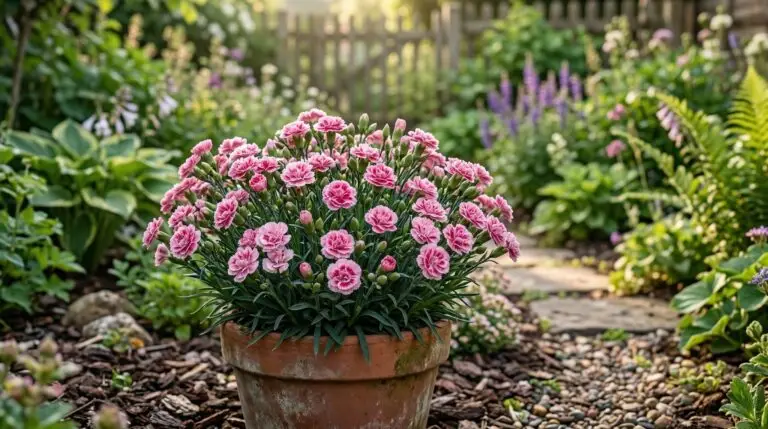
Growing carnations in containers for a fragrant windowsill or balcony garden
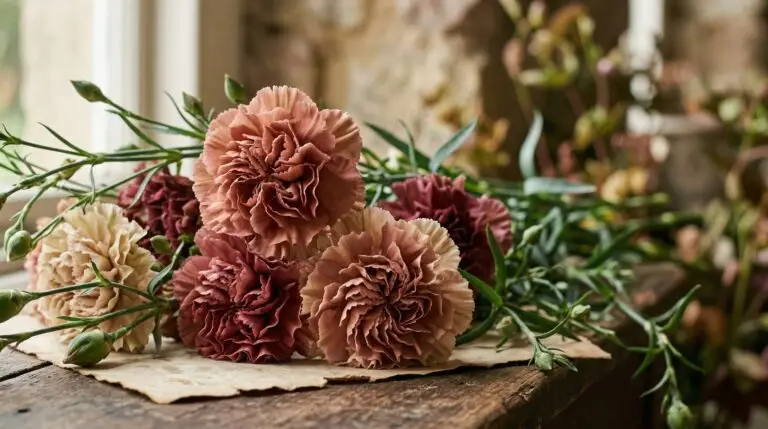
The rich history of carnations from ancient Greek garlands to Mother’s Day flowers
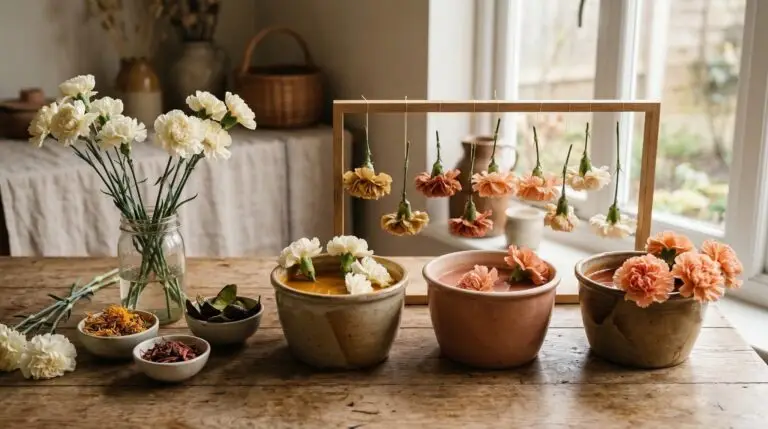
How to dye carnations with food coloring for fun science projects and party decor
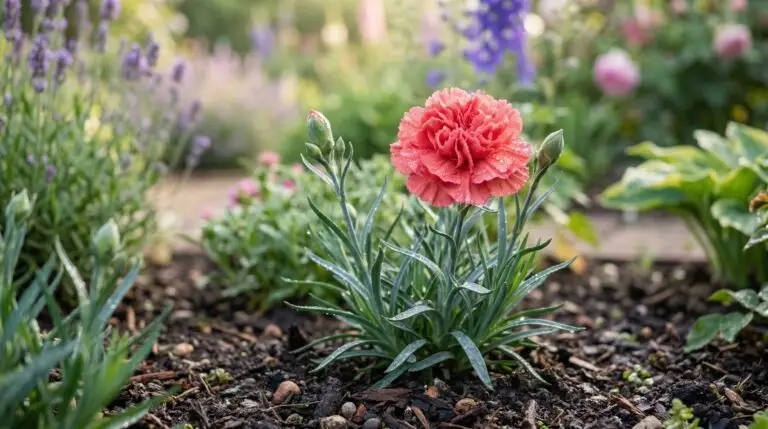
How to make carnations last over two weeks in a vase with proper care
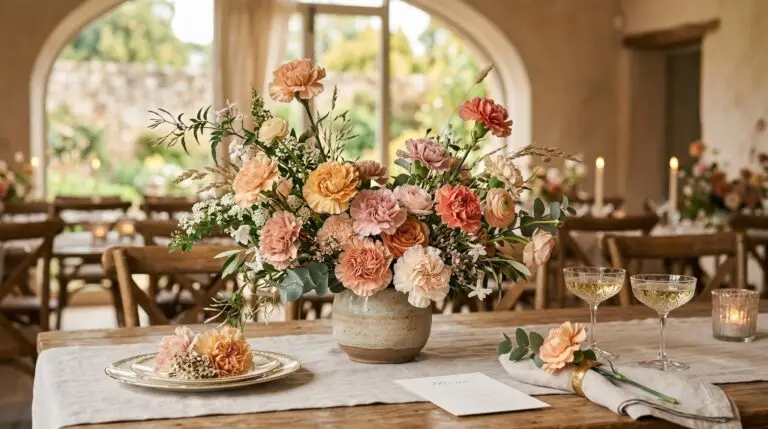
Carnation wedding bouquets making a comeback with modern elegant designs
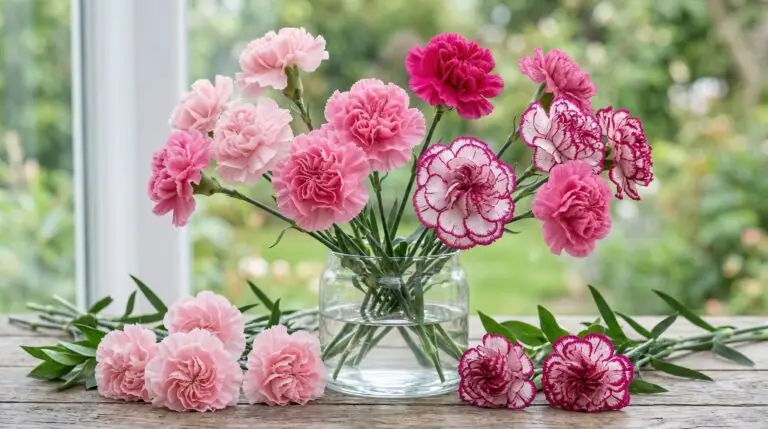
Best garden pinks and border carnations for fragrant perennial cottage gardens
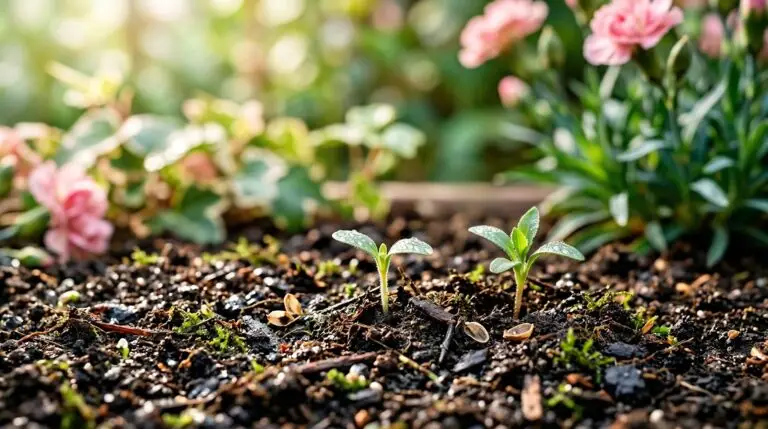
Growing carnations from seed and cuttings for fragrant garden borders all summer
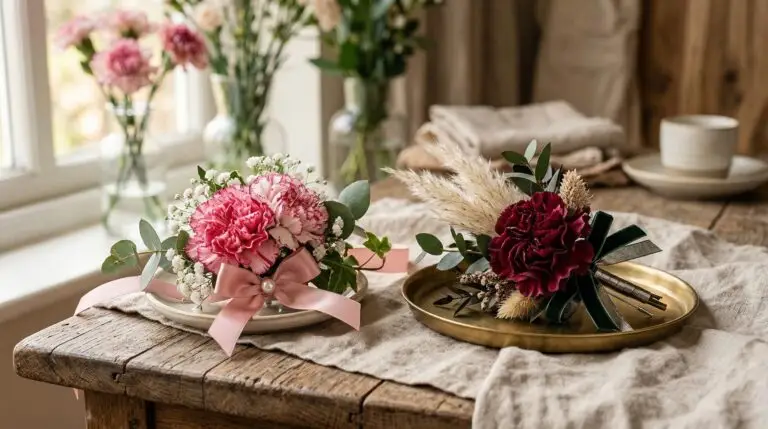
Carnation leis corsages and boutonnieres for proms graduations and celebrations