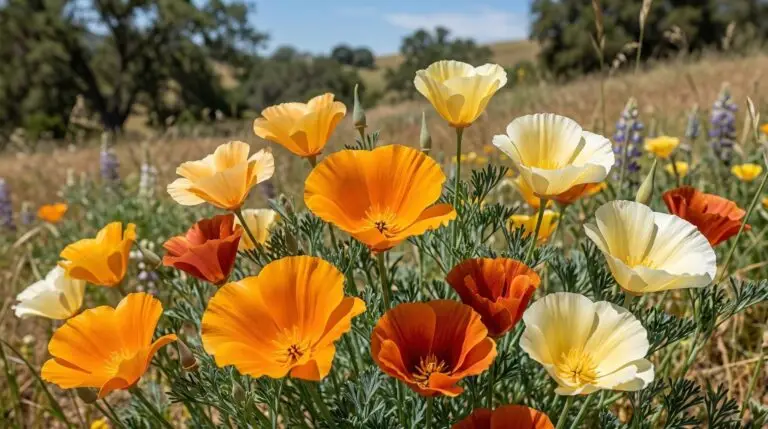
Every spring, gardeners buy little plastic pots of blooming poppies from the local nursery, plant them carefully in their garden beds, and watch them wither away within a week. You might have tried starting seeds indoors under grow lights, nurturing them for a month, only to see them collapse the moment they go into the ground. People often assume they did something wrong with the soil or the watering schedule when this happens. The truth is that the failure was guaranteed the moment someone decided to put a poppy in a pot. Understanding the physical structure of this plant will save you a lot of wasted time and money. When you learn how these flowers actually want to grow, you can skip the frustration and get large, healthy blooms with very little effort.
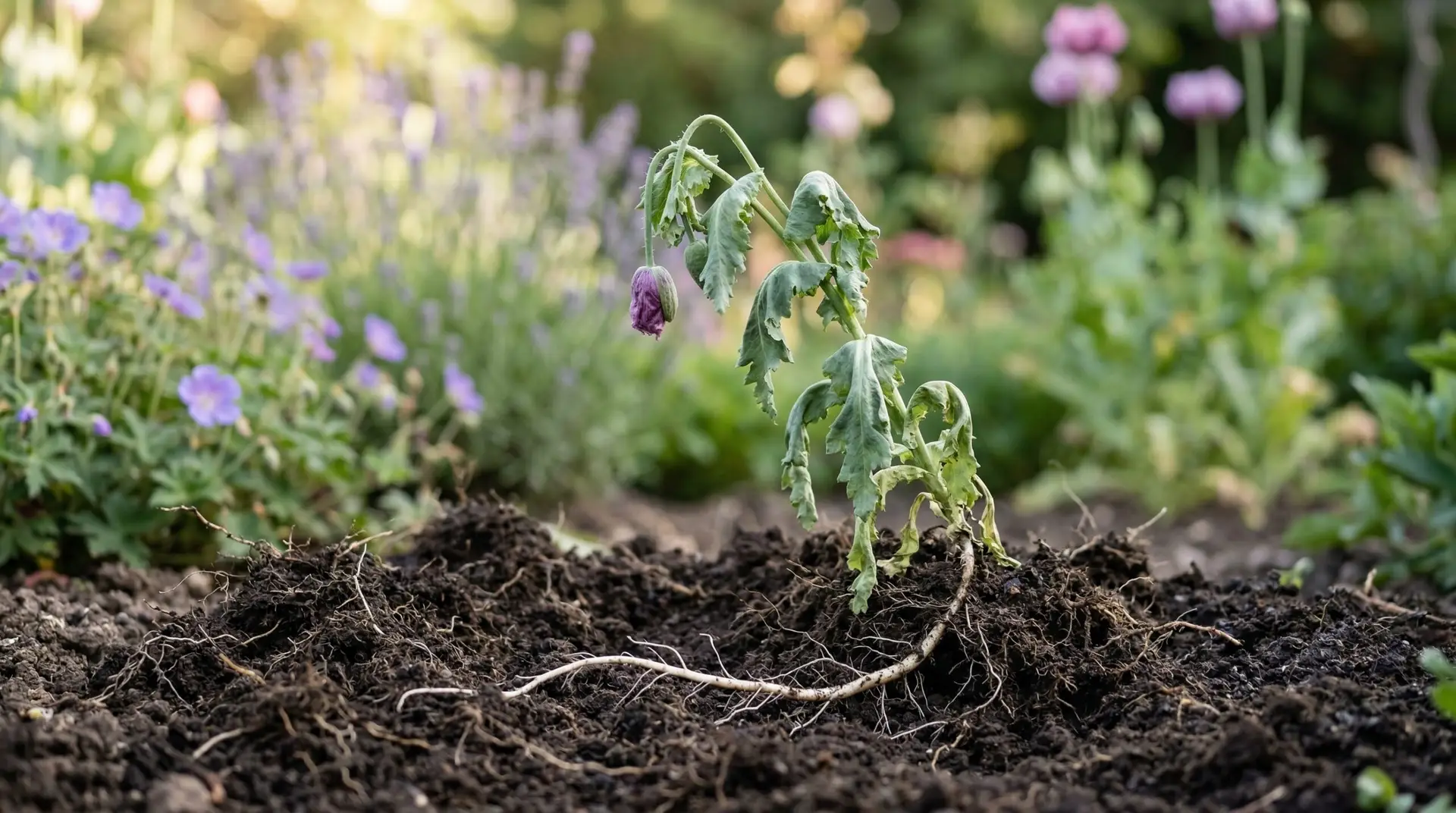
The reason transplanting poppies almost never works comes down to one specific piece of plant anatomy known as the taproot. Unlike many common garden flowers that develop a shallow, fibrous web of roots, a poppy sends down one thick, central root straight into the earth. This main root is the vital lifeline and anchor for the plant, and it is incredibly sensitive to any kind of physical disturbance. When you pull a poppy out of a nursery pot or a seed-starting tray, you inevitably bend, scrape, or break the microscopic hairs on that taproot. Once the taproot senses damage, the plant goes into severe shock and usually aborts its top growth completely to try and save itself. You will see the stems flop over, the leaves turn yellow, and the flower buds shrivel up before they ever open. The fix is to bypass pots entirely and accept that a poppy transplant is a gamble you are going to lose.
Working with the natural life cycle
Since you cannot move them around later, sowing poppies directly where you want them to bloom is the only reliable path to success. The timing of this direct sowing process catches many beginners off guard because it completely ignores the standard frost-free planting dates. Poppies actually require a period of freezing temperatures and wet soil to break their seed dormancy. If you wait until the soil warms up in late May to scatter your seeds, they will simply sit on the surface and refuse to sprout. In most parts of the country, the best time to sow is in late fall or very early spring while the ground is still cold and the weather is miserable. The natural combination of freezing nights, thawing days, and early spring rain is the perfect trigger to wake the seeds up. By the time the soil warms enough for you to plant warm-weather annuals like cosmos, your poppy seedlings should already have deep roots established.
Preparing the soil for direct sowing
You need to prepare the planting area properly before you scatter a single seed, because you will not be able to dig or cultivate the bed once the plants start growing. Poppies demand excellent drainage and will quickly rot at the crown if they are forced to sit in heavy, waterlogged clay. You should amend your garden bed with generous amounts of compost or coarse sand to ensure water moves through the soil profile quickly. It is equally critical to remove every weed from the area before sowing, as tiny poppy seedlings grow slowly at first and cannot compete with aggressive weeds for sunlight. Smooth the cleared soil out with a hard rake to create a flat, even surface without deep divots or large clods of dirt. Creating this uniform seedbed ensures the tiny seeds will not wash into deep puddles or get buried under collapsing mounds of soil during the first heavy rain.
The mechanics of surface sowing
The physical act of getting the seeds into the soil is another area where gardeners make a fatal error by treating them like vegetable seeds. Poppy seeds are as tiny as grains of dust, and they require absolute exposure to sunlight to trigger germination. If you bury them under an inch of soil or cover them with a thick layer of wood mulch, they will remain dormant forever. The correct technique is to take your cleared garden bed and scatter the seeds directly on top of the bare dirt. Because the seeds are so small and hard to see, you can mix them with a handful of dry play sand before broadcasting them to help you spread them evenly across the bed. Once the seeds are down, you do not need to bury them or even press them in if rain is expected soon. The next heavy rainstorm will naturally settle the tiny seeds into the microscopic crevices of the soil just enough to hold them in place while still letting the light hit them.
Managing the young seedlings
When you broadcast seeds on the surface, you will inevitably end up with thick clusters of seedlings sprouting right on top of each other. Leaving them crowded together creates stunted plants, poor airflow, and tiny flowers that fade quickly. You have to thin the seedlings out so each plant has about eight to twelve inches of space to spread its foliage and develop a robust root system. This is where the taproot rule comes back into play, because pulling the unwanted seedlings out by the roots will disturb the taproots of the plants you want to keep. Instead of pulling, you must use a sharp pair of scissors to snip the extra seedlings off right at the soil line. This precise cutting method leaves the soil structure completely intact and allows the remaining plants to thrive without competition. You apply this exact same snipping technique when thinning other taproot-heavy flowers like love-in-a-mist to keep the keepers safe.
The hardest part about growing these flowers is unlearning the urge to fuss over them in pots and trays. The most useful piece of advice you can take away is to trust the harsh conditions of winter and early spring to do the hard work for you. Prepare a patch of bare dirt in November or February, scatter the seeds on the surface, and walk away until you see the tiny blue-green leaves emerge. Once the plants are established and blooming, they prefer to run a little dry, so you should only water them when the soil is completely parched. You will save yourself the heartbreak of watching expensive nursery plants collapse, and you will finally get the large, healthy blooms that only come from an undisturbed root system. Once you respect the taproot and give the seeds the cold light they need, you will have more flowers than you know what to do with.
More About Poppies
Iceland poppies for pastel spring color in cool climate gardens and cutting beds
Poppy flower meaning from Remembrance Day red to the sleep and peace of ancient mythology
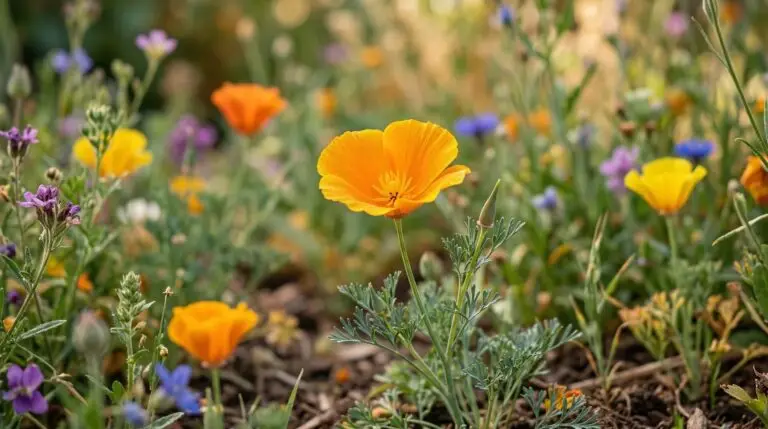
Growing California poppies for golden wildflower color in dry sunny gardens
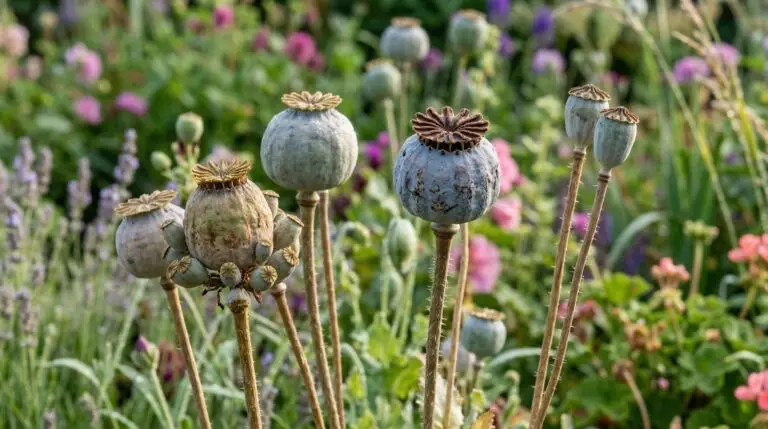
Poppy seed pods in dried flower arrangements and crafts for lasting garden beauty
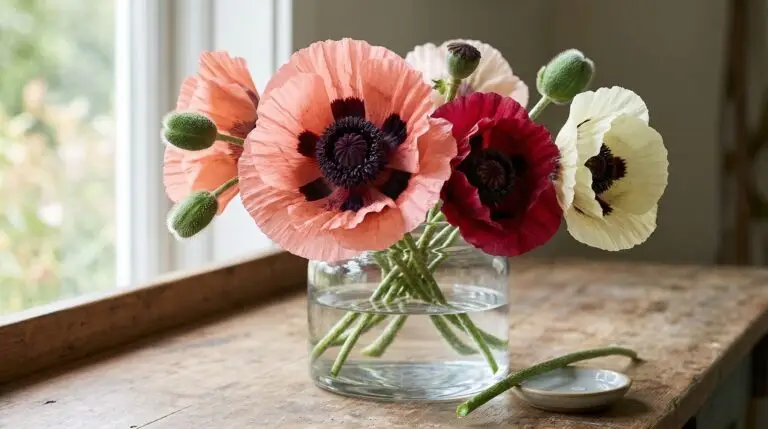
Oriental poppies for enormous papery blooms that are the stars of the early summer border
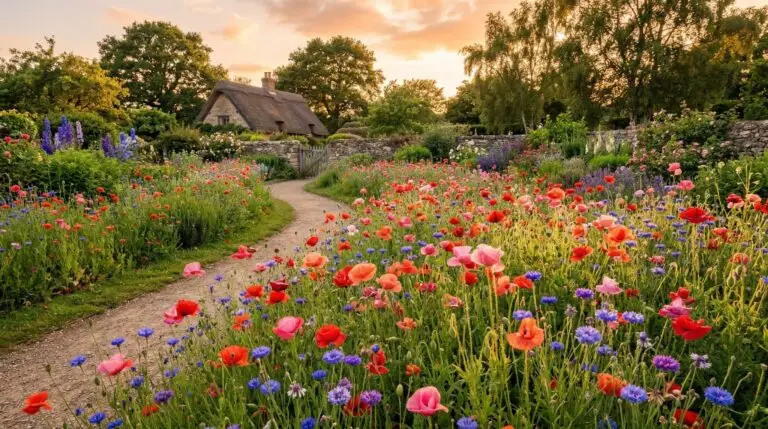
Companion plants for poppies: what to grow and what to avoid
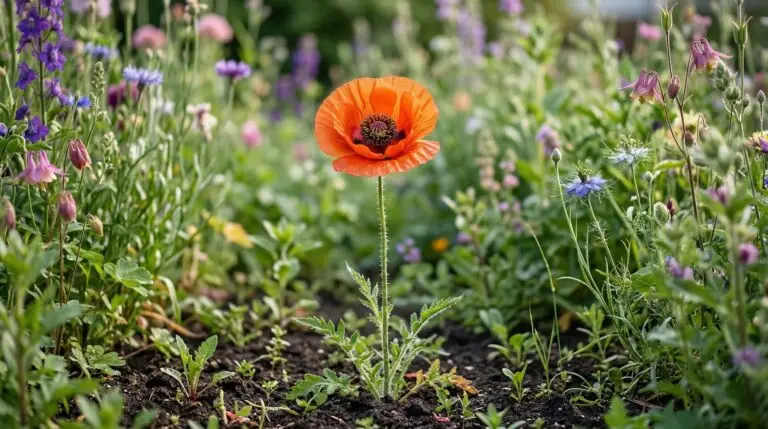
How to grow poppies from seed for tissue-paper petals that dance in the breeze
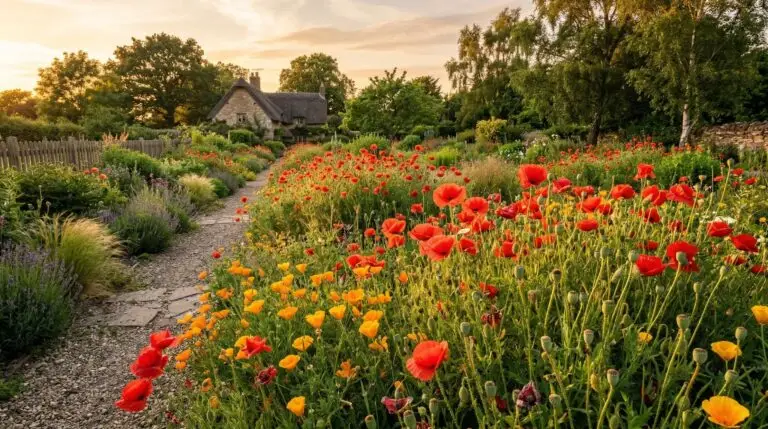
Poppies as self-sowing annuals that create effortless wildflower meadow effects