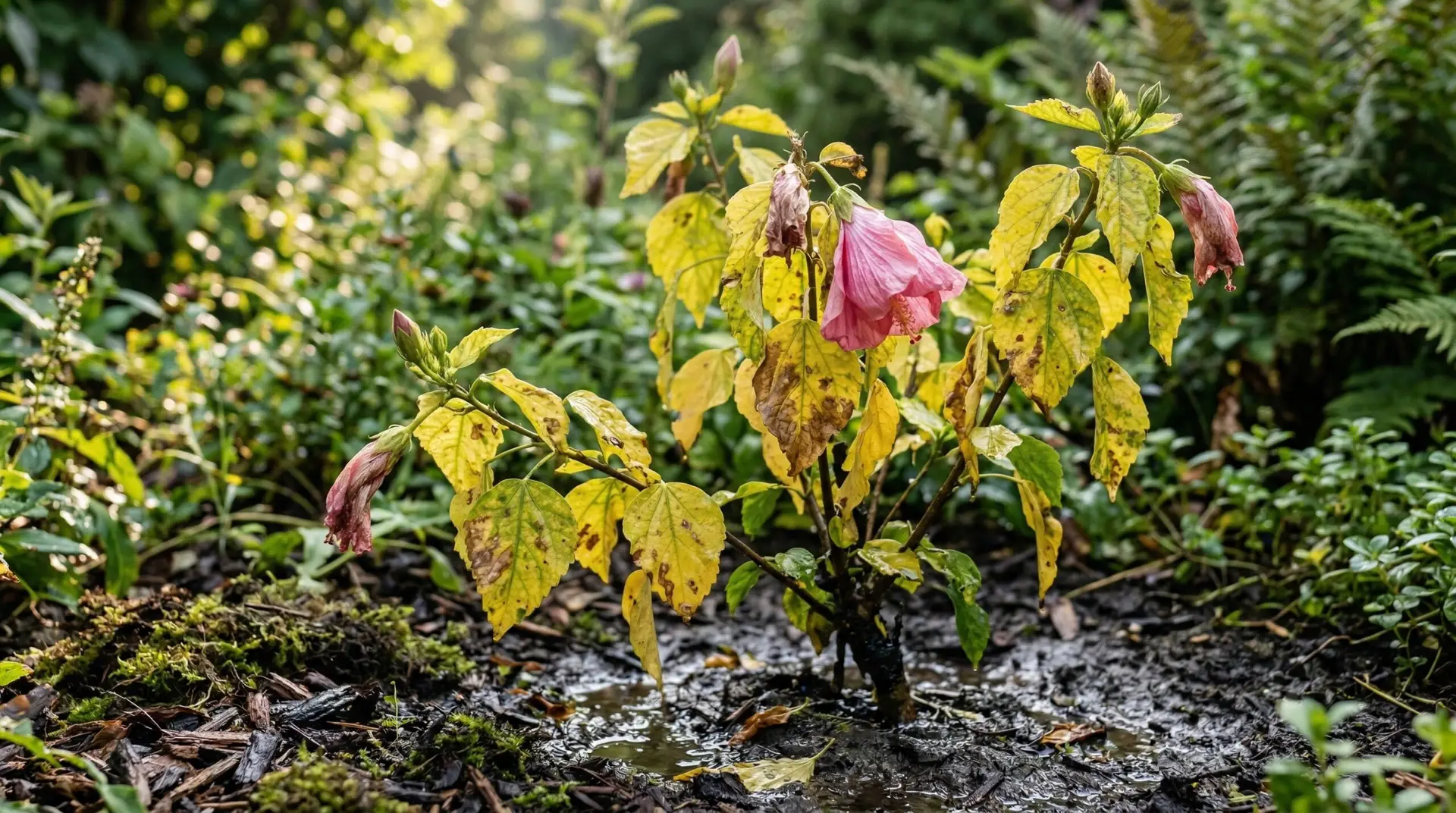
Almost every gardener who brings a hibiscus home eventually faces the exact same frustrating scenario. You buy a healthy plant covered in deep green foliage, set it in your living room or on the patio, and within a few weeks, the lower leaves start turning bright yellow and dropping off. People immediately assume the plant is dying or catching a disease, which leads to panic watering or dumping heavy doses of fertilizer into the pot. The reality is that hibiscus leaves turn yellow as a universal stress response to a change in their environment or care routine. Whenever a hibiscus experiences conditions it does not like, it sheds leaves to conserve energy and protect its core root system. Finding the exact cause requires you to look at what changed in the plant’s life recently rather than guessing at random cures. Once you identify the specific stressor, you can adjust your care habits and watch the plant push out healthy new growth within a matter of weeks.
Watering mistakes and the root suffocation problem
When a hibiscus drops yellow leaves, the very first thing you need to check is your watering habit because soil moisture issues cause the vast majority of these complaints. Overwatering is the most frequent culprit, especially for indoor plants sitting in decorative pots without drainage holes. When the soil stays constantly wet, the roots quite literally suffocate and begin to rot, preventing the plant from taking up oxygen and nutrients. You will know overwatering is the problem if the yellowing starts near the bottom of the plant, the yellow leaves feel soft or limp, and the soil feels heavy and soggy to the touch. The fix is to stop watering immediately, pull the plant out of its pot to inspect the roots, and repot it in fresh soil if the old dirt smells sour or looks like mud. You must ensure the new pot has large drainage holes and that you always empty the saucer underneath after watering so the plant never sits in a puddle.
Underwatering triggers a similar yellowing response, but the physical signs look and feel entirely different. If you let the soil dry out completely, the hibiscus cannot support its large canopy of foliage and will rapidly drop leaves to reduce its water needs. You can identify an underwatered hibiscus by looking for yellow leaves that feel dry, crispy, or curled at the edges, along with soil that has shrunk away from the sides of the pot. When soil gets this dry, water often runs right down the sides and out the bottom without actually soaking into the root ball. To fix a severely dehydrated plant, you need to submerge the entire pot in a bucket of water for an hour until the soil rehydrates and feels heavy again. Going forward, you should water your hibiscus thoroughly as soon as the top inch of soil feels dry to the touch, rather than waiting for the leaves to wilt.
Temperature shock and seasonal transitions
Hibiscus are tropical plants that demand stability, and they will dramatically protest any sudden shifts in temperature or light. The most massive leaf drop usually happens in the fall when gardeners bring their potted hibiscus indoors to protect them from freezing winter temperatures. Moving a plant from bright, humid, warm outdoor sunshine into a dim, dry, climate-controlled house is a massive shock to its system. The plant responds by shedding its large outdoor leaves because it no longer has the sunlight required to support them, and it will eventually grow smaller leaves adapted to the indoor light. You can minimize this seasonal shock by moving the plant into a shaded spot outdoors for a week before bringing it inside, allowing it to gradually adjust to lower light levels.
Even if your plant stays indoors year-round, invisible temperature drafts can cause localized yellowing on one side of the plant. A hibiscus placed too close to a heating vent, an air conditioning unit, or a drafty winter window will constantly lose moisture from its leaves faster than the roots can replace it. You might notice that only the leaves facing the vent or window are turning yellow and dropping, which is a clear indicator of environmental stress rather than a soil issue. Moving the plant just a few feet away from the direct path of artificial air currents is usually enough to stop the leaf drop. This sensitivity to drafts is very similar to how a gardenia reacts when placed in the wrong spot in a living room. Finding a stable, warm location with bright, indirect light is essential for keeping the foliage green and attached to the stems.
Hidden pests and nutrient starvation
If your watering schedule is perfect and the temperature is stable, you need to look very closely at the leaves themselves for signs of spider mites. These microscopic pests thrive in the dry air of heated homes and feed by sucking the sap directly out of the plant tissue. Spider mite damage does not look like a solid yellow leaf, but rather a stippled, mottled yellowing that makes the leaf look faded or dusty. If you hold a piece of white paper under the leaves and tap the stem, you might see tiny specks crawling on the paper, or you might notice fine webbing where the leaf meets the stem. The most effective way to eliminate spider mites is to take the plant to the shower and wash the foliage thoroughly with lukewarm water to dislodge the pests. Follow up by spraying the leaves with insecticidal soap every few days until the stippling stops spreading to new growth.
Nutrient deficiencies also cause yellowing, but they develop slowly over time rather than happening overnight. When a hibiscus lacks essential nutrients like iron or magnesium, the leaves will turn yellow while the veins remain distinctly green, a condition known as chlorosis. This often happens when the potting soil is old and depleted, or when the water you use is too alkaline, which locks up the nutrients in the soil so the roots cannot absorb them. You can correct this by applying a water-soluble fertilizer formulated for tropical plants, or by adding a specific iron supplement if the green veins are highly visible. Much like a camellia that requires specific soil acidity to absorb nutrients, your hibiscus needs a slightly acidic environment to thrive and keep its leaves fully green. Repotting the plant with fresh, high-quality potting mix every two years will naturally prevent most of these severe nutrient shortages.
Preventing stress before the leaves drop
The secret to keeping a hibiscus full of green leaves is establishing a consistent routine that prevents stress from happening in the first place. These plants are heavy drinkers during their active growing season, but they absolutely require oxygen around their roots to process that water. You should always use a potting mix heavily amended with perlite or coarse sand to ensure water flows through the pot quickly. When you water, do it thoroughly until water pours out the bottom, and then wait until the top layer of soil dries out before watering again. This wet-to-dry cycle forces the roots to grow deep and strong, making the plant much more resilient to minor changes in temperature or humidity.
The single most important piece of advice for dealing with a yellowing hibiscus is to never fertilize a stressed plant. When people see yellow leaves, their first instinct is to pour liquid plant food into the soil, thinking the plant is starving and needs a quick boost. If the plant is actually suffering from root rot, underwatering, or pest damage, adding fertilizer will burn the remaining healthy roots and accelerate the plant’s decline. You must identify and fix the underlying environmental problem first, wait for the yellowing to stop, and look for signs of new green growth. Only after the hibiscus has stabilized and started recovering should you resume a regular feeding schedule to support its future blooms.
More About Hibiscus
Best hardy hibiscus varieties with enormous flowers that rival tropical species
Hibiscus flower meaning and why it represents beauty and tropical paradise worldwide
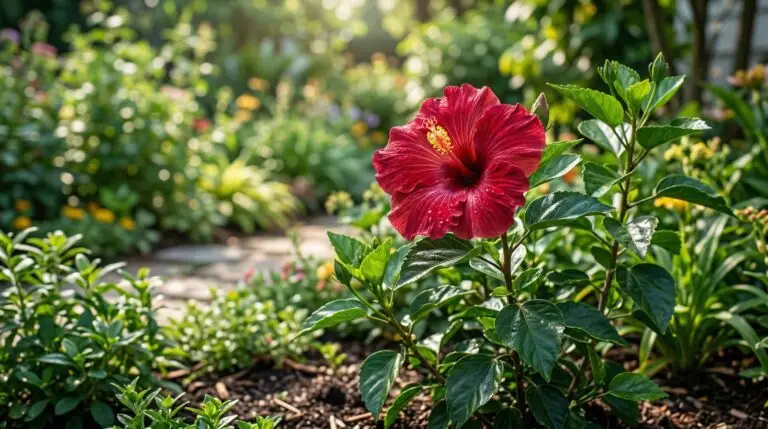
How to grow tropical hibiscus for dinner-plate-sized blooms in vivid tropical colors
Overwintering tropical hibiscus indoors without losing all the leaves
Companion plants for hibiscus in a tropical-themed garden border
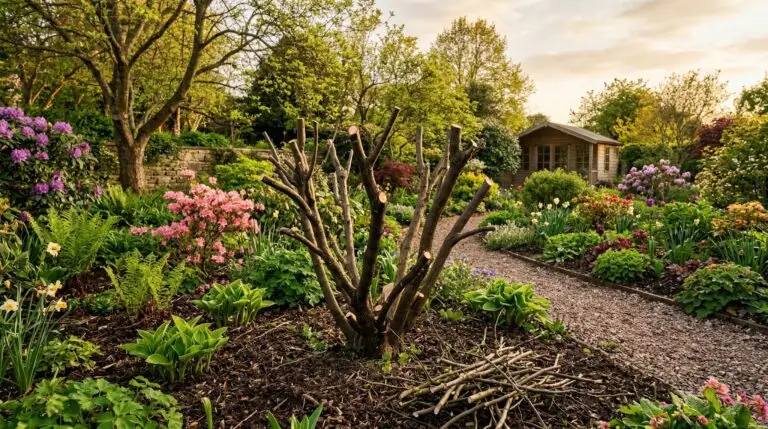
Pruning hibiscus at the right time for maximum flowers and bushy compact growth