In the hills of ancient Greece, a specific mythology took root around a delicate, dark-centered flower that seemed to open only when the wind blew. The philosopher Theophrastus recorded the plant as anemone, derived from anemos, the Greek word for wind, observing how the spring breezes coaxed the petals apart and then scattered them just as quickly. This fleeting nature gave the anemone an early association with transience and fragile beauty in classical antiquity. As trade routes expanded and cultivation moved from the Mediterranean into the walled gardens of Northern Europe, the flower accumulated a complex vocabulary of meanings. By the time nineteenth-century society codified the language of flowers, the anemone had evolved from a wild spring ephemeral into a deliberate message passed between individuals. Understanding anemone colors requires looking back at how different civilizations interpreted this windflower over millennia. When you select an anemone gift today, you participate in a tradition of floral communication that predates written history.
The ancient blood and passion of the red anemone
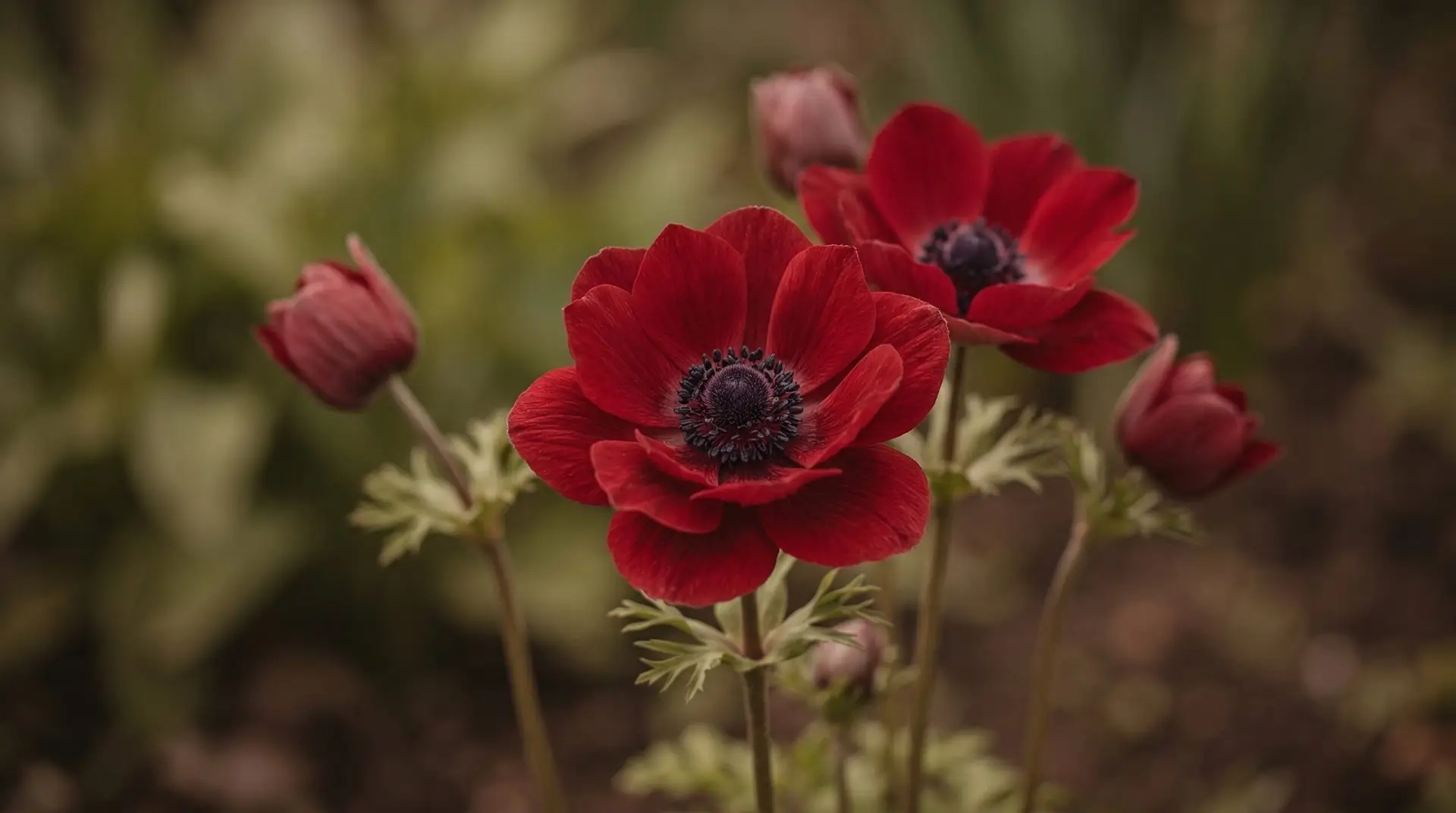
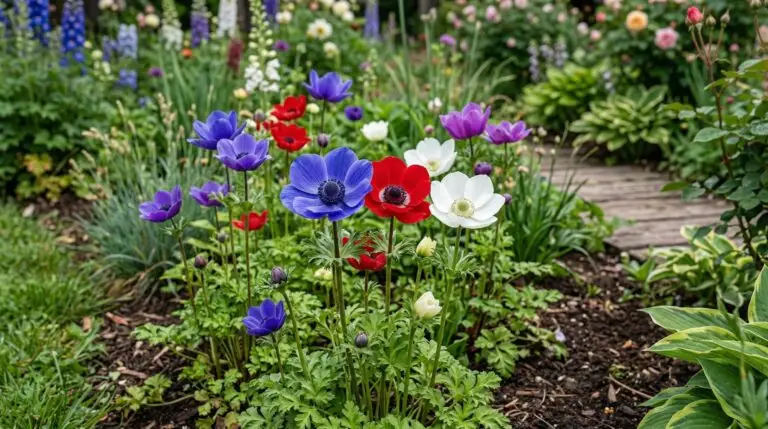
The red anemone carries the oldest and perhaps most dramatic narrative of any color in the genus, originating in the foundational myths of the Mediterranean. According to the Roman poet Ovid, when a wild boar fatally wounded the mortal hunter Adonis, the goddess Aphrodite wept over his body, and her tears mixed with his blood to sprout the first crimson anemones. This story cemented the red anemone meaning as a symbol of forsaken love and intense, mortal passion for centuries across classical literature and art. During the Renaissance, European painters frequently included red anemones in depictions of the Crucifixion, adapting the classical blood symbolism into a Christian context to represent sacrifice and divine love. Unlike a traditional red rose, which often communicates a straightforward romantic intention, the red anemone historically carried a heavier emotional weight. In the Victorian era, presenting someone with a red anemone communicated an intense but perhaps doomed affection, acknowledging the fragility of the relationship. Modern gift-giving has softened this dramatic history, allowing the red anemone to represent deep, passionate love and respect without the tragic undertones of ancient mythology.
White anemones and the history of sincerity
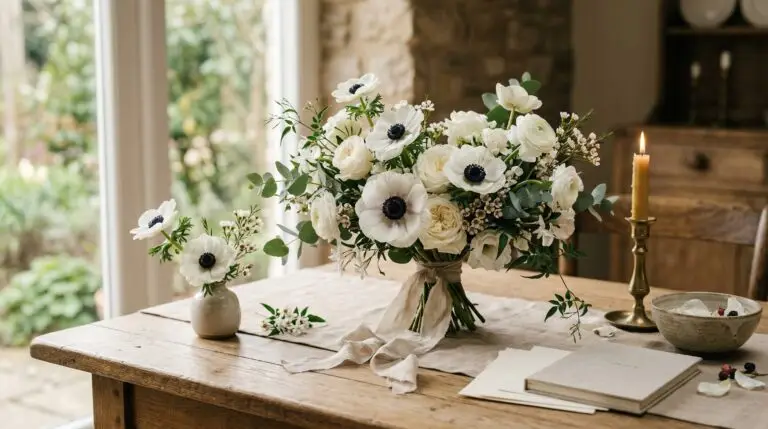
The cultural interpretation of the white anemone shifts dramatically depending on the geographic region and the historical era in question. In ancient Egyptian and later Middle Eastern traditions, white flowers of the spring, including early native anemone species, were tied directly to funerary rites and the mourning process. The stark contrast of the pale petals against the characteristic dark, almost black center of the flower provided a visual representation of light and darkness, life and death. When these white varieties reached Western European gardens in the sixteenth century, their meaning transitioned from mourning to a profound, unadorned sincerity. Victorian flower dictionaries cataloged the white anemone meaning as a declaration of truth and innocent intentions, offering a subtle alternative to the common white carnation. Gardeners in the nineteenth century prized the white anemone for its pure coloration, cross-breeding wild types to produce larger, more resilient blooms for cutting gardens. Today, offering white anemones communicates honest intentions and a clear conscience, making them appropriate for apologies, sympathy arrangements, or quiet declarations of support.
Royal purples and the blue varieties of anticipation
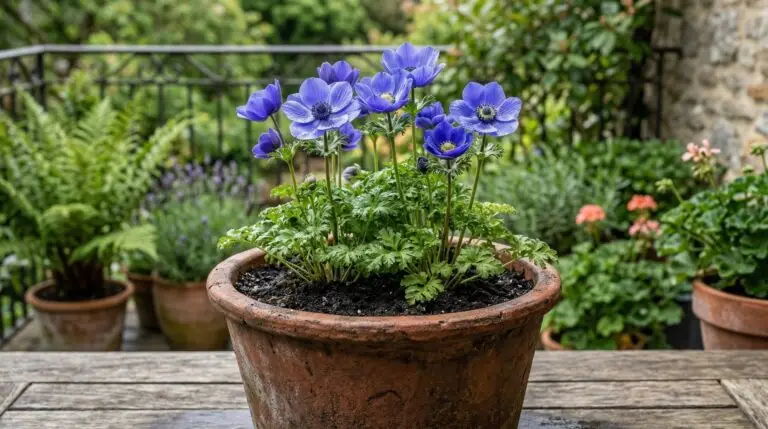
Blue and purple anemones possess a unique historical lineage tied to the ancient economy of dyes and textiles in the Mediterranean basin. True blue and deep purple were the most expensive colors to produce in the ancient world, often reserved for royalty and high-ranking religious figures. When wild anemones exhibiting these rich violet and blue hues bloomed along the Levantine coast, people associated the flowers with protection, nobility, and the anticipation of important events. In early European folklore, peasants believed that holding a purple anemone would ward off disease and protect the bearer from malicious spirits. As botanical explorers brought new blue-toned species from the Levant to the Netherlands in the seventeenth century, the color became linked to waiting and anticipation. A gift of blue anemones signaled that the giver was patiently waiting for the recipient to make a decision or return from a journey. This specific historical association makes blue and purple anemones an excellent choice for someone embarking on a new life chapter, such as a graduation or a career change, where anticipation is the primary emotion.
Pink anemones and the development of tender affection
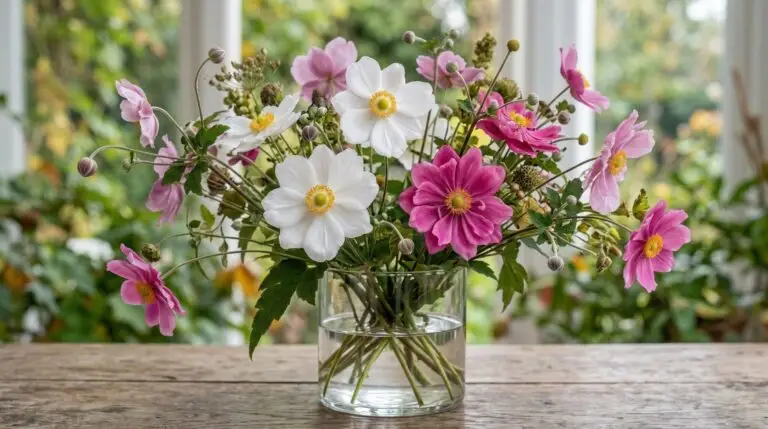
The pink anemone represents a relatively newer chapter in the cultural history of the flower, largely resulting from centuries of deliberate horticultural selection. Early wild anemones rarely exhibited the soft, consistent pinks found in modern floral arrangements, as the natural genetics favored deep reds, purples, or stark whites. Dutch and French breeders in the eighteenth and nineteenth centuries spent decades isolating spontaneous pink mutations to create stable varieties for the European cut flower market. Because this color emerged primarily during the height of the Romantic period, the pink anemone bypassed the tragic mythological associations of the red varieties and the funereal history of the white ones. Instead, Victorian society assigned the pink anemone the meaning of gentle affection, tender attachment, and budding romance. It was a preliminary gesture of courtship, given before the relationship warranted the intense declaration of a red tulip or a heavier, more established garden flower. Modern florists continue to use pink anemones to express admiration and platonic love, honoring the gentle, cultivated history of this specific shade.
Giving anemone flowers in contemporary contexts
The practice of giving anemones today draws directly from this long history of mythological associations and botanical development. When you select an anemone gift, the dark, distinctive central boss of the flower immediately sets it apart from more common commercial blooms, and this physical contrast signals a thoughtful and deliberate choice. The physical behavior of the cut flower, which continues to open in the light and close in the dark, reminds the recipient of its ancient identity as a responsive, living windflower. Choosing the right color allows you to tap into centuries of specific human emotion, from the ancient passion of the red petals to the quiet sincerity of the white varieties. While modern recipients might not know the exact verses of Ovid or the specific codes of Victorian flower dictionaries, they still respond to the visual weight and historical presence of the bloom. The anemone remains a sophisticated choice for floral arrangements, carrying the echoes of ancient Mediterranean hillsides and formal European gardens directly into the modern home.
More About Anemone
How to grow anemones in containers for a colorful spring balcony garden

Naturalizing anemones in woodland gardens for wild-looking spring carpets
Anemone flower meaning and the mythological story behind the windflower
Growing anemones as cut flowers for endless spring and fall arrangements

Anemone and ranunculus planted together for the ultimate spring flower garden

Why your anemone corms did not sprout and how to succeed next time
Anemone wedding bouquets that bring effortless romance to any ceremony