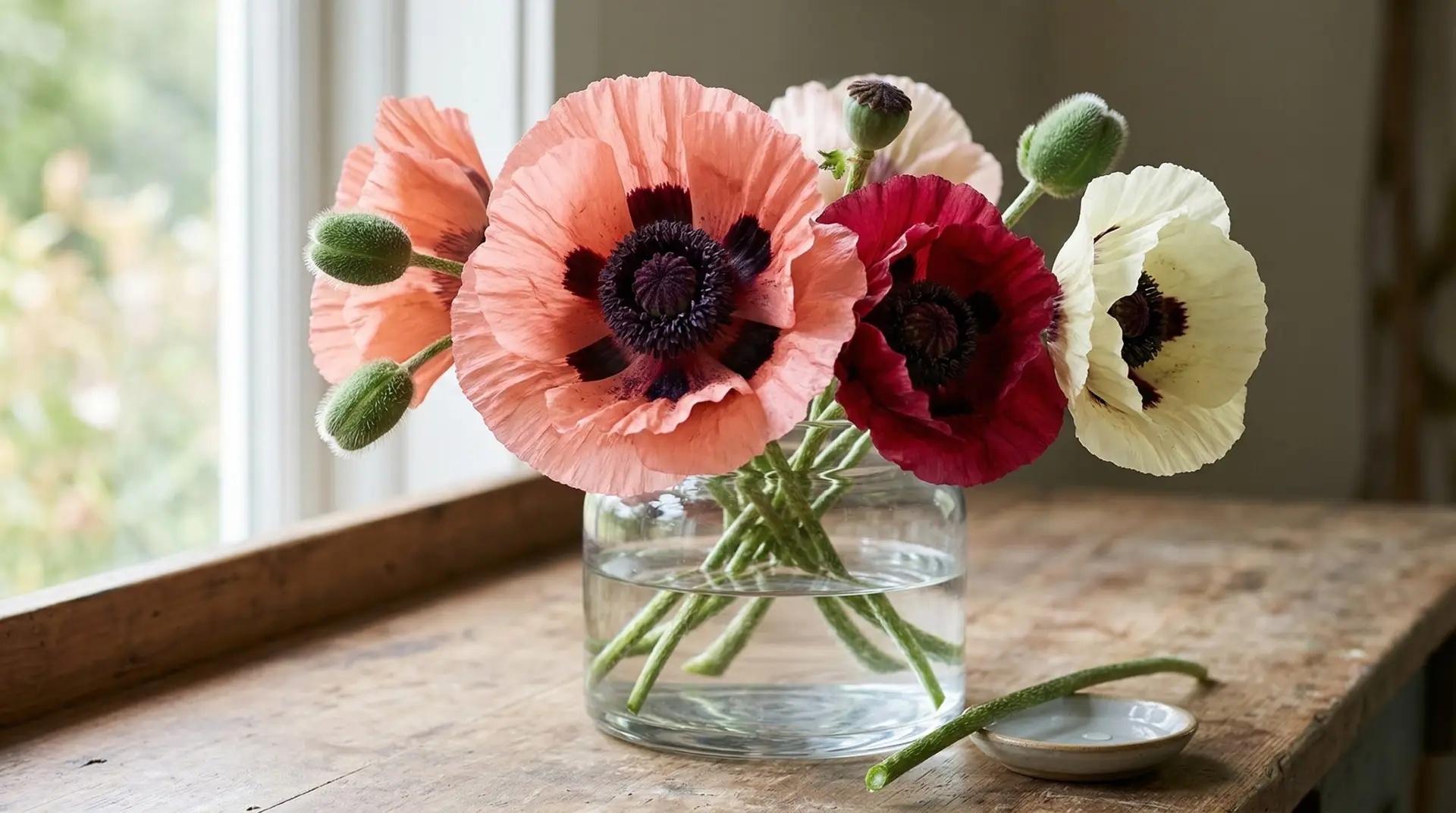
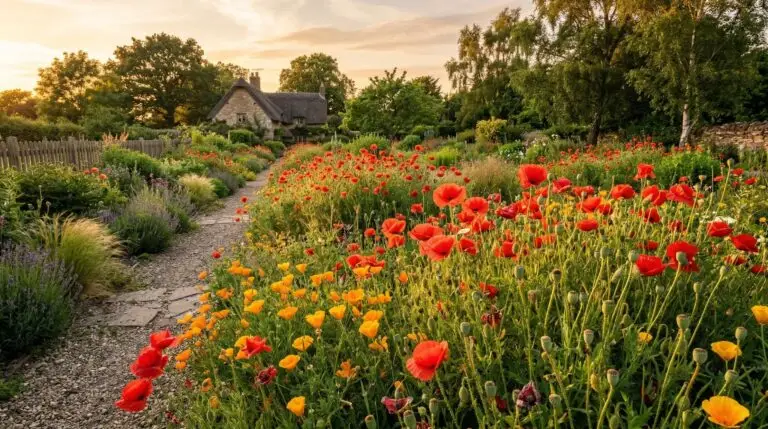
There is a specific week in late spring when I find myself walking out to the garden three or four times a day just to check on the Oriental poppies. The anticipation builds slowly as those fat, bristly buds nod on their wiry stems, looking almost prehistoric against the soft green foliage. Then, usually on a quiet morning, the fuzzy green calyx splits, and the crumpled silk petals push their way out into the sun. The sheer scale of a Papaver orientale bloom is hard to prepare for, with some flowers reaching the size of dinner plates. They open into wide, shallow bowls of incredibly thin, crepe-paper petals, usually anchored by a bold black center boss of stamens. It is a fleeting display, lasting only a few days per flower, but the intensity of that color and the delicate texture of the petals make it the undisputed focal point of the early summer garden. I have grown dozens of perennials over the years, but very few command my attention quite like a large poppy unfolding its petals for the first time.
The satisfaction of growing the classic varieties
When you start collecting Oriental poppies, you quickly realize how much personality varies from one cultivar to the next. ‘Beauty of Livermere’ is one of the darkest, offering a deep oxblood red that feels incredibly rich and velvety in the morning light. It is a tall, robust grower, and I have found it needs a bit of support if a heavy rain comes through while it is in full bloom. ‘Brilliant’ is the classic scarlet poppy that most people picture, featuring that electric, stop-sign red with a jet-black center. It is undeniably loud, but it brings a welcome jolt of energy to the garden just as the spring bulbs are fading. ‘Patty’s Plum’ is a completely different experience, with muted, dusty purple petals that look almost like bruised silk. I love the moody color of ‘Patty’s Plum’, but I will admit the stems can be a bit floppy, and the color washes out quickly if planted in harsh afternoon sun. For a cooler, more elegant look, ‘Royal Wedding’ produces enormous, pure white blooms with a stark black center. The contrast is sharp and clean, making it a reliable performer that stands out beautifully against dark green foliage in the back of the border.
Managing the tricky summer dormancy
Enthusiasm for Oriental poppies requires a healthy dose of realism about their growth cycle. After that glorious display of early summer flowers, the plant undergoes a dramatic and somewhat ugly transformation. The fuzzy, deeply lobed leaves that looked so fresh in April will begin to turn yellow and brown by late June. This is not a sign of disease or poor care, but a natural summer dormancy that helps the plant survive the hottest part of the year. Many new growers panic when they see their prized Papaver orientale melting away into a sad, crispy pile of foliage. The hardest lesson I had to learn was to resist the urge to water them heavily during this phase, as too much moisture on dormant poppy roots will cause them to rot. You simply have to cut the ugly foliage back to the ground and trust that the plant is resting safely below the soil. By early autumn, a fresh rosette of small green leaves will emerge, proving that the plant is alive and preparing for the next year.
Choosing the right companions for the empty spaces
Because an Oriental poppy leaves a noticeable hole in the garden from July through September, careful companion planting is an absolute necessity. You need neighboring plants that will grow up and over the empty space just as the poppy is being cut back. I like to position my poppies near late-emerging perennials or plants with sprawling, bushy habits. A large, leafy Daylily is an excellent neighbor, as its arching, grassy foliage will quickly expand to cover the bare soil left behind by the dormant poppy. You can also rely on the sturdy, structural foliage of an Iris to provide vertical interest in the exact spot where the poppy flowers used to hover. Sometimes I plant them right behind Peonies, timing it so the poppy blooms just as the peony flowers are finishing. This allows the dense green shrub of the peony to hide the fading poppy leaves later in the season. Getting this timing right takes a bit of trial and error, but it is deeply satisfying when you finally create a seamless transition that keeps the border looking full all summer long.
Why the early summer show is always worth the effort
People often ask if growing a plant that looks terrible for half the summer is really worth the trouble. For me, the answer is always yes, because the sheer scale and texture of a large poppy simply cannot be replicated by any other flower. There is a specific kind of joy in waking up early to cut a few stems for the house before the bees find them. If you sear the cut ends of the stems with a match or boiling water for a few seconds, they will actually hold up in a vase for a few days, bringing those enormous papery blooms right to the kitchen table. I also love the way the dried seed pods look if you leave a few on the plant, standing like little pepper shakers above the fading foliage. Gardening is largely about accepting the ephemeral nature of flowers, and the Oriental poppy demands that you appreciate it right now, in the moment, before the wind takes the petals away. That brief, intense window of bloom is exactly what keeps me planting them, dividing them, and waiting eagerly for those fuzzy buds to appear again every spring.
More About Poppies
Poppy flower meaning from Remembrance Day red to the sleep and peace of ancient mythology
Growing California poppies for golden wildflower color in dry sunny gardens
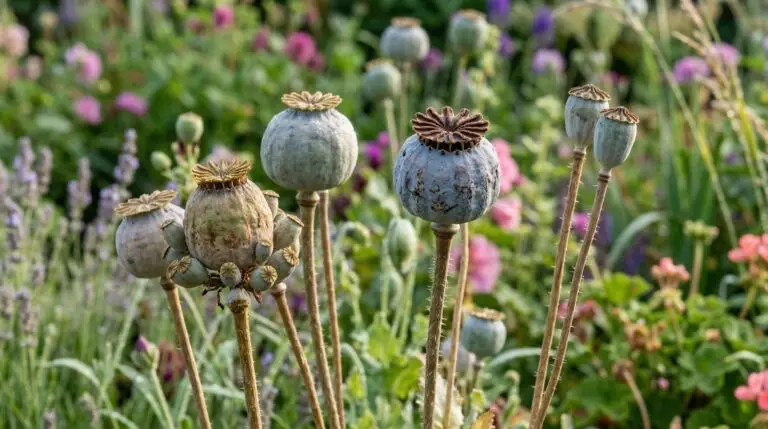
Poppy seed pods in dried flower arrangements and crafts for lasting garden beauty
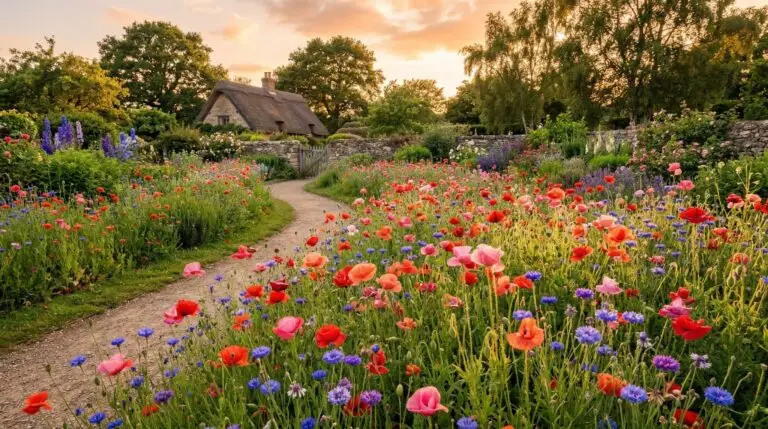
Companion plants for poppies in a romantic wildflower garden that looks effortless
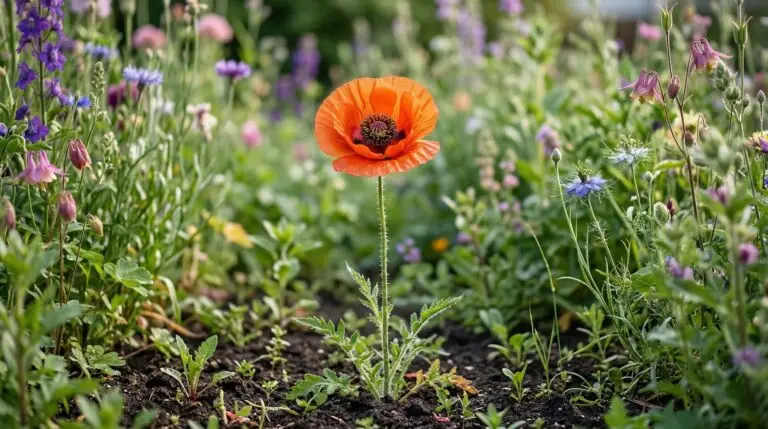
How to grow poppies from seed for tissue-paper petals that dance in the breeze
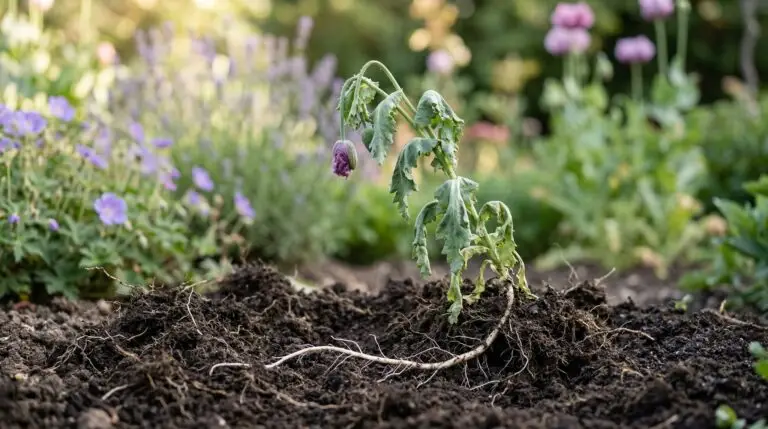
Why you cannot transplant poppies and the direct sowing secret to success
Poppies as self-sowing annuals that create effortless wildflower meadow effects