Gardening is fundamentally a local endeavor governed by the specific conditions outside your back door. A perennial that flourishes with zero effort in the deep freezes of Zone 4 Minnesota will often refuse to produce a single flower in the mild winters of Zone 9 Florida. Peonies are the classic example of this geographical divide. These long-lived plants evolved in regions with harsh, prolonged winters and distinct seasonal shifts. When gardeners attempt to grow a peony in a warm climate, they are asking a cold-adapted plant to ignore its basic biological requirements. Understanding your local context is the absolute foundation of success with this plant. You cannot treat a peony in Georgia the same way you treat one in Maine.
The primary biological hurdle for a peony in the South or Southern California is the accumulation of chill hours. Chill hours are the total number of hours during the winter when the temperature drops between 32 and 45 degrees Fahrenheit. Herbaceous peonies generally require between 400 and 1000 chill hours to break dormancy and develop flower buds for the spring. When a peony does not receive this required cold period, it will produce weak, spindly foliage and completely fail to bloom. Gardeners in Zone 8 and above must adopt specific strategies to satisfy this cold requirement or select varieties bred to tolerate milder winters.
Understanding chill hours and the deep South challenge
In the humid Southeast, a peony faces a combination of high summer temperatures, heavy rainfall, and mild winters that gardeners in the dry Mountain West never encounter. The lack of winter cold means the plant never fully goes to sleep, which exhausts its energy reserves over time. Gardeners in Zone 8a might get just enough cold nights to scrape by, but those in Zones 8b and 9 routinely fall short of the minimum chill hours. The heavy clay soils common across much of the South compound the problem by holding too much moisture around the dormant roots during wet winter months. This combination of warm soil and excess moisture often leads to fungal diseases like botrytis before the plant even has a chance to sprout.
Heat also plays a major role in how these plants perform once they do break dormancy in the spring. Spring in the South is often fleeting, with temperatures spiking into the 80s by April or May. Traditional mid-season or late-season peonies will try to open their buds just as the intense heat arrives. The buds will frequently blast, turning brown and failing to open, or the flowers will shatter within hours of opening. This rapid onset of summer heat requires southern gardeners to rethink their plant selection entirely. You must focus on getting the plant to bloom and finish its reproductive cycle before the true heat sets in.
Selecting early-blooming herbaceous and tree peonies
The most effective strategy for a peony in a warm climate is selecting varieties that naturally bloom very early in the season. Early-blooming varieties require fewer chill hours to initiate bud development and will open their flowers before the late spring heat destroys the petals. Varieties categorized as “very early” or “early” are the only reliable herbaceous options for Zones 8 and 9. Many southern gardeners find success with single or semi-double flower forms rather than heavy, full double types. Single flowers open much faster and are less likely to rot in the high humidity or blast when a sudden heatwave hits in April.
Tree peonies offer a completely different and often more successful alternative for southern gardens. Unlike herbaceous types that die back to the ground, tree peonies build a woody stem and generally require significantly fewer chill hours to bloom. They are native to regions with warmer summers and can handle the climate in Zone 8 and parts of Zone 9 with much less fuss. Tree peonies also tend to bloom a week or two earlier than herbaceous types, allowing them to beat the heat. They integrate easily into southern shade gardens alongside other warm-climate staples like the Camellia, which shares a preference for dappled light and protection from the harsh afternoon sun. Intersectional peonies, known as Itoh peonies, share some of these warm-climate adaptations and are another excellent option for the South.
Modifying planting depth and using microclimates
Planting depth is the single most important physical adjustment a southern gardener must make when putting a herbaceous peony in the ground. In northern climates, the standard advice is to plant the eyes two inches below the soil surface to protect them from freezing. In Zone 8 and above, you must plant the eyes incredibly shallowly, with no more than half an inch of soil covering them. Some successful southern growers leave the eyes completely exposed to the air. This shallow planting ensures that the eyes receive maximum exposure to whatever cold air settles over the garden during the winter months. Burying the eyes too deeply in a warm climate guarantees a plant that produces only leaves and never a single flower.
Exploiting microclimates within your garden can provide the extra edge needed to accumulate chill hours and protect the plant from summer stress. You should avoid planting a peony near south-facing brick walls that radiate heat and warm the soil prematurely in winter. Instead, look for spots that receive morning sun but are shaded during the hottest part of the afternoon. A large deciduous tree can provide an excellent canopy, allowing cold winter air to settle around the dormant peony while offering cooling shade during the brutal summer months. Raised beds are also highly beneficial in regions with heavy winter rainfall, as they improve drainage and prevent the fleshy roots from rotting in cold, wet soil.
The refrigerator method for forcing winter dormancy
Gardeners in Zone 9b and higher who are determined to grow herbaceous peonies often resort to artificial chilling to trick the plant into dormancy. This labor-intensive process involves digging up the roots in late fall after the foliage has died back naturally. You must clean the soil off the roots, trim away any dead material, and pack them in slightly damp peat moss or wood shavings. The roots are then placed in a spare refrigerator, kept strictly between 32 and 40 degrees Fahrenheit, for 10 to 12 weeks. This mimics the cold winter the plant would experience in a northern climate and satisfies its biological need for chill hours.
Timing the removal of the roots from the refrigerator is just as important as the chilling period itself. You should aim to plant the chilled roots back into the garden in late winter or very early spring, just as the local soil begins to warm. The plant will respond to the warming soil and increasing day length by sending up shoots and, ideally, flower buds. This method requires dedication and a large refrigerator free of ripening fruit, as the ethylene gas produced by apples and bananas will destroy the peony buds. While artificial chilling is a severe intervention, it allows gardeners in places like Central Florida or Southern California to enjoy a flower that belongs to a completely different climate zone.
Ultimately, growing any plant outside its native range requires a deep understanding of what that plant experiences in its natural environment. You have to analyze the specific deficits of your local climate, whether that is a lack of winter cold, excess summer humidity, or inappropriate soil chemistry. You can then apply specific, targeted techniques to bridge the gap between what the plant wants and what your region provides. This analytical approach to regional adaptation is the exact same mindset required to grow a moisture-loving Gardenia in the arid Southwest. By observing your local conditions and adjusting your methods accordingly, you can push the boundaries of what will survive and thrive in your garden.
More About Peonies
Best peony varieties from classic Sarah Bernhardt to trendy Coral Charm
Peony flower meaning and why this bloom represents romance prosperity and good fortune
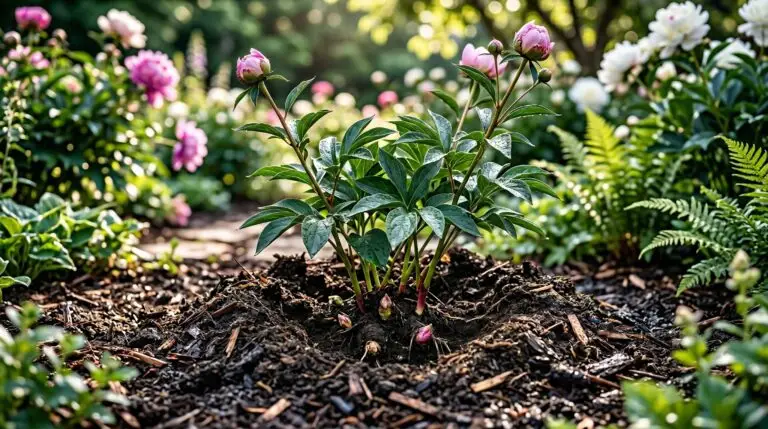
Why peonies fail to bloom and the planting depth mistake that keeps them flowerless
Peonies as the most coveted wedding flower and why brides pay premium for peony season
Companion plants for peonies that extend the beauty season beyond peony’s brief moment
Why peonies need ants and the truth about the ant myth that refuses to die
Itoh peonies the hybrid breakthrough that gives the best of both herbaceous and tree peonies
How to grow peonies for lush romantic blooms that last a lifetime in your garden