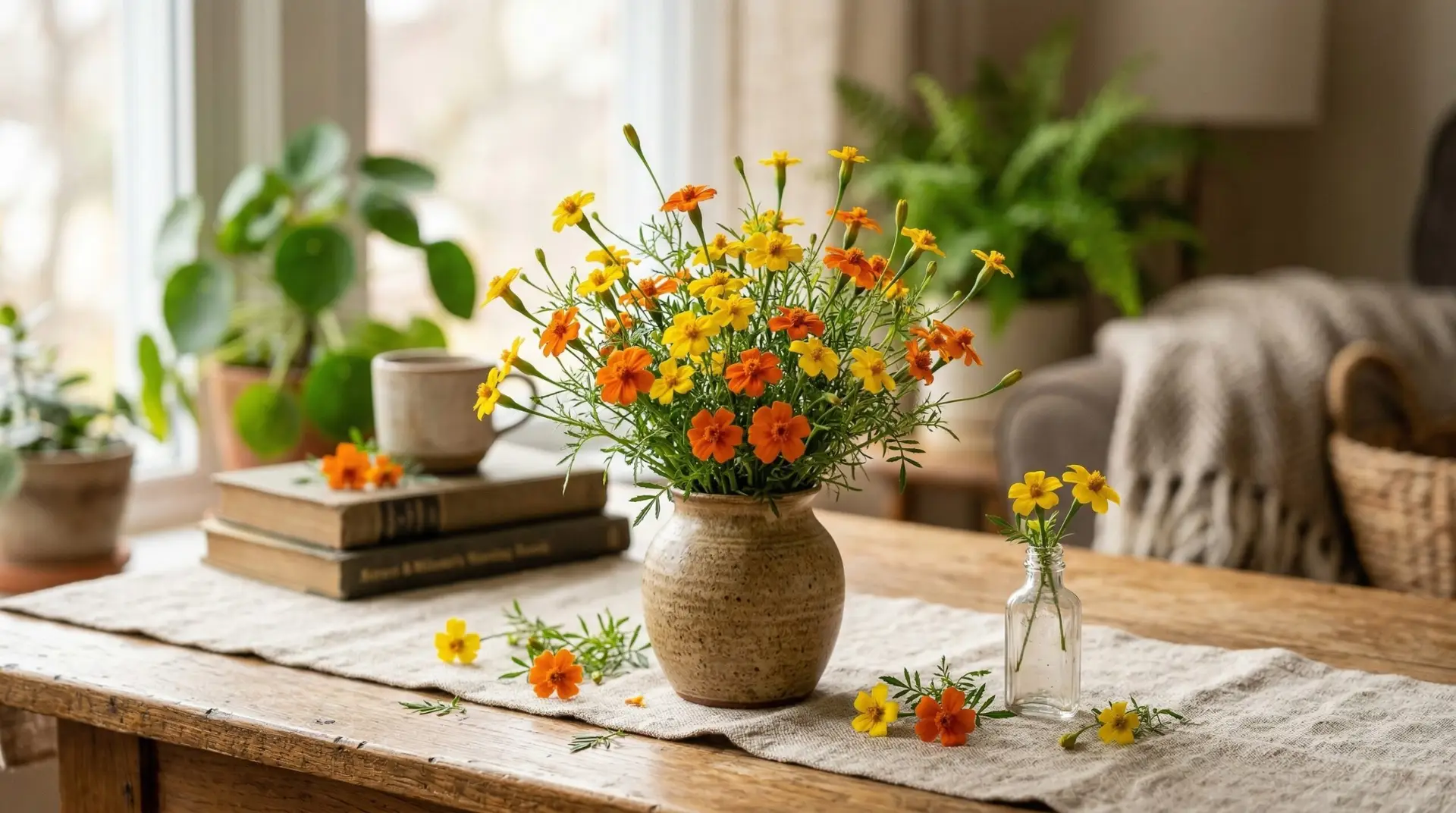
The morning air holds a dampness that clings to the fine, threadlike leaves of the signet marigold. Before the sun fully breaches the eastern tree line, the garden remains suspended in a quiet gray light. I brush my hand against the dense mound of foliage and release a sudden, sharp cloud of citrus scent into the cool air. Unlike the heavy, pungent smell of their larger cousins, these leaves smell exactly like a crushed lemon leaf mixed with warm earth. Tiny syrphid flies, their bodies striped like miniature wasps, rest motionless on the flat, five-petaled blooms, waiting for the warmth of the morning to thaw their wings. The plant is already awake, offering its small yellow faces to the sky while the rest of the garden slowly stirs. This is Tagetes tenuifolia, a plant that asks for very little but gives an abundance of light and scent to the late summer patch.
We often think of marigolds as utilitarian workers, planted strictly to repel nematodes or draw aphids away from prized tomatoes. The signet marigold certainly participates in this underground and aboveground ecology, but it does so with a wilder, more delicate grace. Its root systems weave through the topsoil, sharing moisture and microbial life with neighboring herbs and vegetables. When the small native bees finally arrive, they move methodically from one single bloom to the next, gathering pollen from the exposed centers that double-flowered varieties hide away. The plant forms a rounded shrub of lacy green, covered entirely in hundreds of dime-sized flowers that open sequentially over the course of weeks. Watching the insects navigate this dense canopy reminds me that a garden is a shared dining table, and we are only one of many guests invited to the feast.
Sowing seeds in the warming earth
Starting these plants from seed requires a quiet trust in the changing season. I press the long, needle-like seeds into shallow furrows when the soil finally loses its winter chill and crumbles easily between my fingers. The seedlings emerge as tiny, fragile green crosses, vulnerable to late frosts and the careless feet of passing birds. Thinning them feels like a small act of cruelty, pulling up perfectly healthy sprouts, but crowded plants compete for light and water until none of them thrives. I leave only the strongest, spacing them wide enough to allow the summer air to circulate through their mature branches. The varieties ‘Lemon Gem’ and ‘Tangerine Gem’ eventually grow into sturdy mounds, asking only for occasional watering when the rain refuses to come. They grow best in ordinary soil, blooming more prolifically when they are not overly fed with rich compost.
As the season progresses, the signet marigolds weave themselves into the larger community of the garden beds. They grow comfortably beside the tall, wiry stems of blue cornflowers, creating a quiet contrast of form and color. Spiders string their webs between the branching stems, catching the tiny gnats that rise from the damp soil at dusk. The dense, ferny foliage provides a cool, shaded microclimate at the soil level, sheltering ground beetles that hunt through the night. Gardening teaches us to observe these small interactions, to see the plant not as an isolated object, but as a participant in a complex neighborhood of roots, leaves, and wings. The marigolds hold their ground through the heat of July and August, their citrus scent providing a constant undercurrent in the garden air.
Gathering blooms for the table
Harvesting an edible marigold requires a different kind of attention than picking a tomato or cutting a head of lettuce. You must pinch the tiny blooms just behind the receptacle, snapping the brittle stem with a thumbnail. The fragrant oils immediately stain your fingers, leaving a lingering perfume of lemon rind, tarragon, and warm dust. While many garden flowers are technically safe to eat, their flavors often disappoint, tasting merely of green water or bitter sap. Even the large, fleshy petals of a daylily offer more crunch than actual taste. The signet marigold delivers exactly what its scent promises, providing a sharp, bright citrus flavor that wakes up the palate. You pull the petals away from the bitter green base, letting the bright yellow and orange confetti fall into a waiting bowl.
In the kitchen, these tiny petals become a bridge between the wildness of the garden and the order of the dining table. I scatter them over bowls of butter lettuce and sliced cucumbers, where they add flashes of color and sudden, surprising bursts of lemon flavor. A simple marigold recipe involves nothing more than kneading the fresh petals into softened sweet butter with a pinch of coarse sea salt. When spread on warm bread, the butter carries the distinct taste of the late summer garden, herbal and bright. The petals hold their color and shape even when mixed with acidic vinaigrettes, refusing to wilt into bruised submission like softer herbs. Eating flowers always feels like a slight transgression, a consuming of beauty that was meant for the eye and the bee, but it connects us viscerally to the life of the soil.
Evening light and citrus water
As the afternoon heat breaks and the shadows lengthen across the grass, the garden enters its most forgiving hour. This is the time to gather a handful of whole signet marigold blossoms to float in cold drinks. Dropped into a glass of iced water or a gin and tonic, the flowers rest on the surface, releasing their oils slowly into the liquid. They do not dissolve or lose their form, but remain perfectly intact, turning an ordinary drink into a quiet expression of the season. The citrus notes mingle with the botanical sharpness of the gin, creating a drink that tastes entirely of the outdoors. Sitting on the porch with a cold glass, watching the last of the bumblebees make their final rounds among the ‘Tangerine Gem’ mounds, the boundaries between the cultivated garden and the wild world seem to blur entirely.
Eventually, the first hard frost of autumn will arrive, turning the lacy green foliage black and ending the long season of blooms. The signet marigolds will collapse into the soil, returning their borrowed minerals and carbon back to the earth that grew them. We accept this loss as the natural cost of living in a world governed by seasons, knowing that the seeds we save will carry the exact same scent into the next spring. Until that morning comes, I will continue to walk out into the damp air, brushing the leaves to release their sharp perfume. The edible marigold is a reminder that the most profound pleasures of the garden are often the smallest and most fleeting. We eat the light, we drink the scent, and we wait for the frost, grateful for the brief, bright citrus taste of summer.
More About Marigolds
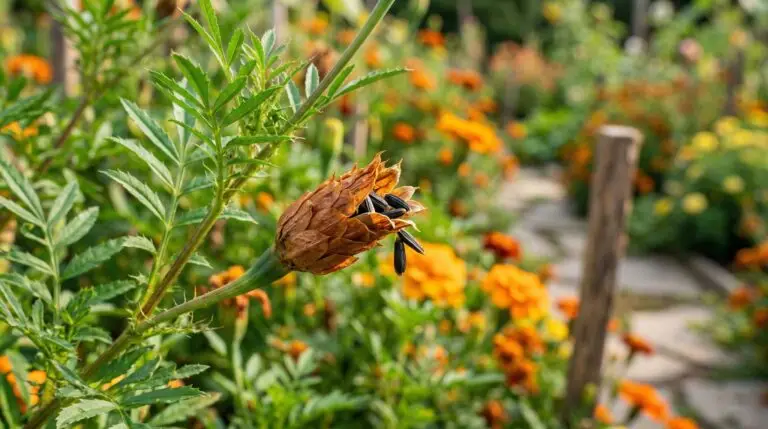
Growing marigolds from seed so easily that children can do it on their first try
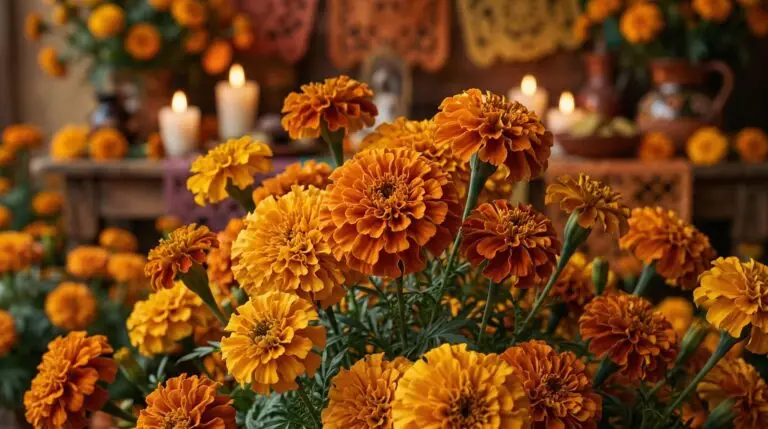
Marigold flower meaning and the Day of the Dead tradition that honors lost loved ones
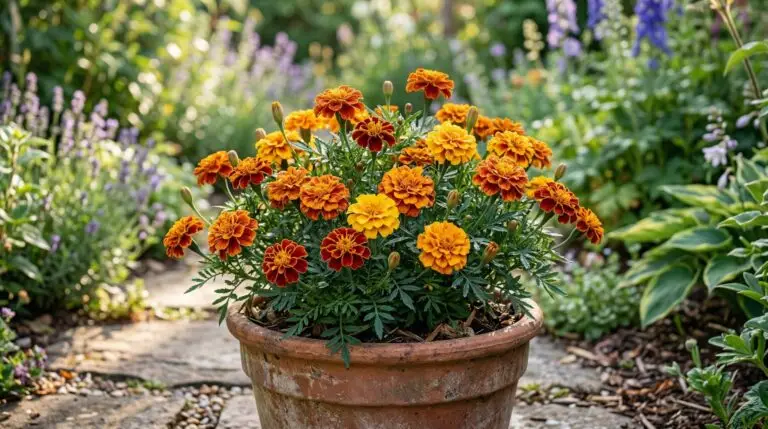
Marigolds in containers and window boxes for instant summer curb appeal
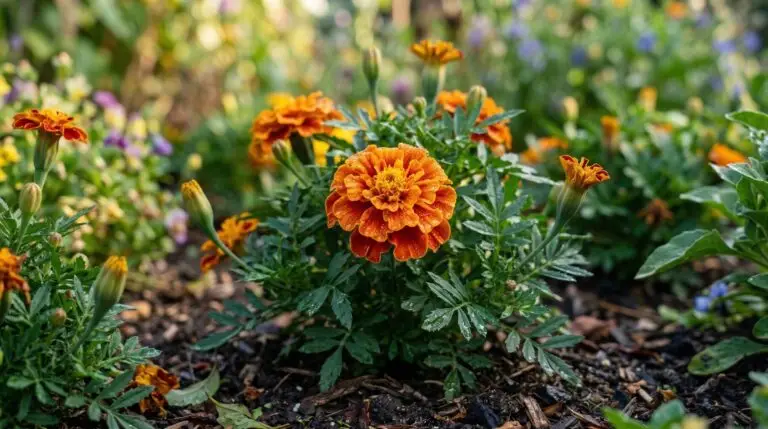
How to grow marigolds for bulletproof color from planting day to first frost
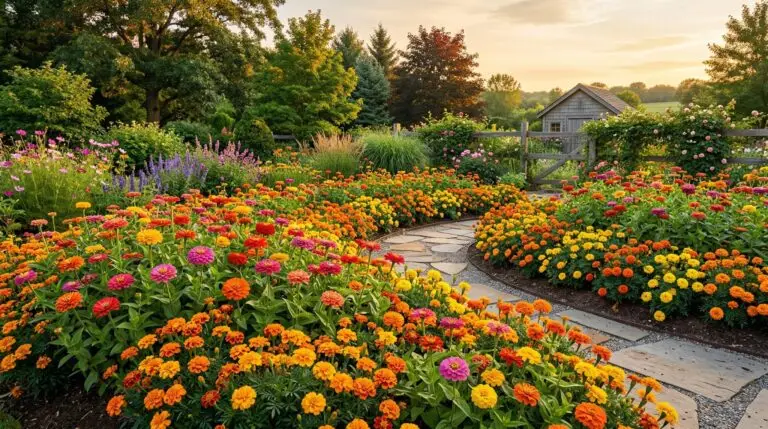
Companion plants for marigolds in beds that combine cheerful colors with purpose