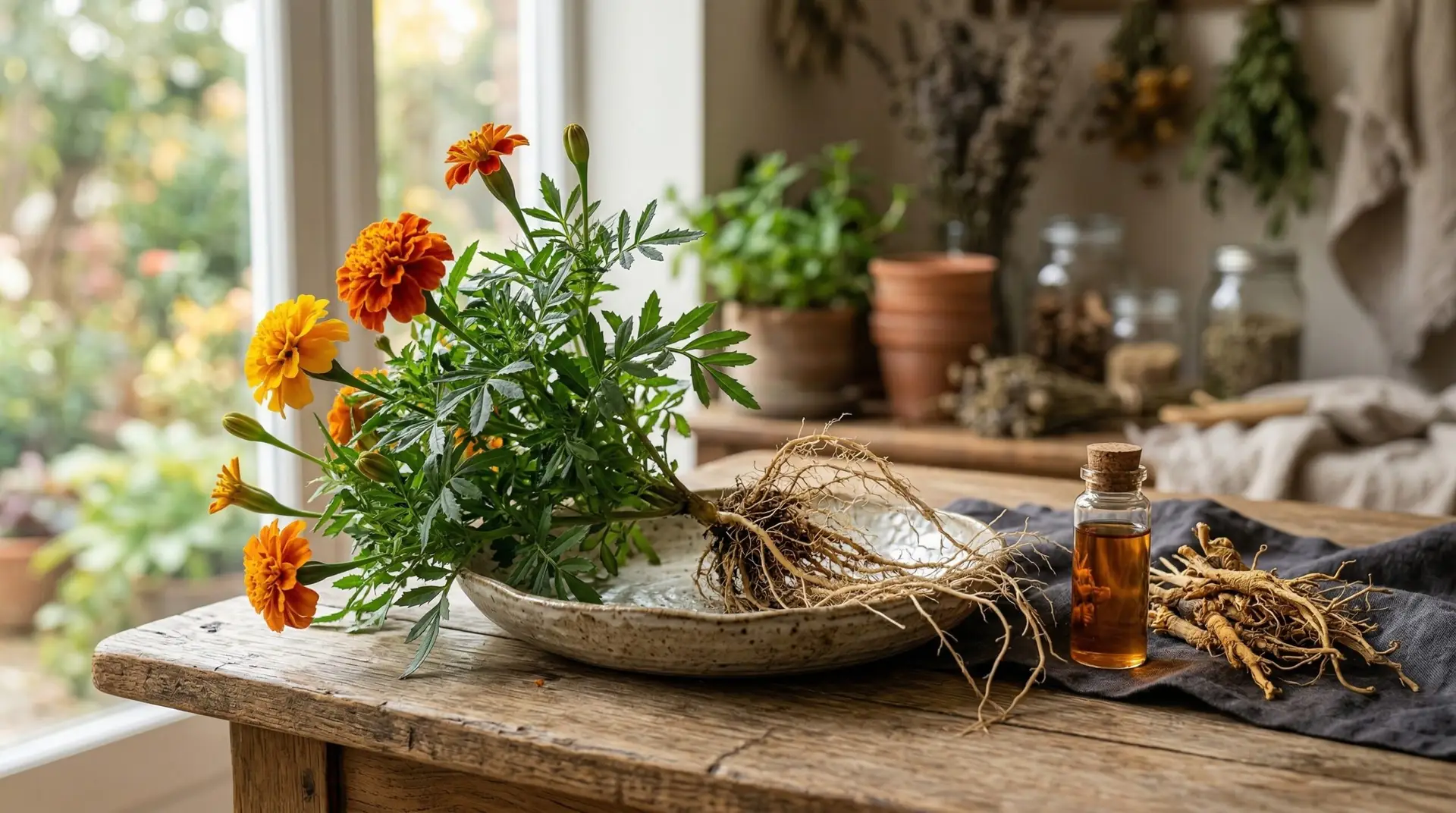
The single most important thing to understand about marigolds in the vegetable garden is that their primary pest-control mechanism happens entirely underground. Above ground, they do not project a magical forcefield that repels every insect that crosses your property line. The enduring tradition of planting a single marigold next to a tomato plant yields negligible results for pest prevention. Their real utility lies in specific biochemical compounds secreted by their roots that suppress destructive root-knot nematodes in the soil. To use marigolds effectively for pest control requires treating them as a functional cover crop rather than a decorative companion. The visual appeal of the flower is strictly secondary to the chemical work occurring beneath the soil surface.
Contents 4 sections
The science of nematode suppression
The active compound responsible for nematode suppression is alpha-terthienyl. As the marigold grows, its roots release this chemical into the surrounding soil, creating a toxic environment for root-knot nematodes attempting to feed or reproduce. This process takes time and significant root mass to alter the soil chemistry effectively. Planting a few scattered flowers will not produce enough alpha-terthienyl to protect a neighboring vegetable crop. To clear a garden bed of nematodes, you must plant a solid block of marigolds, let them grow for at least two months, and then turn the plant material directly into the soil before planting your vegetables. The nematode population drops only after the roots have fully permeated the topsoil layer.
Not all marigold varieties possess the same nematode-suppressing capabilities. French marigolds (Tagetes patula) produce the highest concentrations of these beneficial root exudates. Varieties like ‘Tangerine’, ‘Petite Blanc’, and ‘Nemagold’ are bred specifically for high alpha-terthienyl production. African marigolds (Tagetes erecta) and signet marigolds (Tagetes tenuifolia) offer significantly less protection against soil-borne pests. When purchasing seeds for nematode control, verify the botanical name on the packet to ensure you are planting the correct species for the job. Using the wrong species wastes an entire growing season and leaves your subsequent crops entirely vulnerable to root damage.
Managing marigold biomass for soil health
The pest control benefits of marigolds do not end when the growing season finishes. The foliage and stems contain trace amounts of the same defensive compounds found in the root system. When you chop and drop the plant material at the end of the year, these compounds leach into the topsoil as the organic matter breaks down. You must chop the plants into small pieces to accelerate decomposition and prevent the thick stalks from matting over your garden beds. Tilling the green material directly into the soil provides a secondary fumigation effect that targets overwintering pest larvae. This green manure strategy conditions the soil structure while maintaining a hostile chemical environment for microscopic pests.
Airborne deterrents and the whitefly debate
The tradition of using marigolds companion planting to deter above-ground pests is largely based on their strong, pungent scent. Research confirms that the volatile compound limonene, released by marigold foliage, can disorient glasshouse whiteflies. This effect is measurable in enclosed greenhouse environments where the scent compounds accumulate in the stagnant air. In an open vegetable garden with constant air movement, the deterrent effect dissipates rapidly. You need a dense, continuous perimeter of marigolds around your tomatoes to achieve any noticeable reduction in whitefly populations outdoors. A sparse planting allows wind currents to dilute the limonene before it can effectively mask the scent of your vegetable crops from foraging insects.
Despite what many sources claim, marigolds do not repel aphids or spider mites. They actually attract these pests, which makes them highly effective as a trap crop. By drawing aphids away from your vulnerable vegetables, the marigolds sacrifice themselves to keep your primary harvest clean. You must monitor the trap crop closely and remove heavily infested marigold plants before the pest population explodes and spills back over into your vegetables. This trap-cropping strategy works similarly to planting a tall sunflower border to pull leaf-footed bugs and stink bugs away from developing tomatoes. Pulling and destroying the infested trap plants removes the pest generation entirely from your garden ecosystem.
Strategic placement in the vegetable garden
Effective marigolds vegetable garden integration requires deliberate spatial planning. Use them as designated borders or dedicated rows rather than interspersing them randomly among your crops. Plant a solid row of French marigolds along the windward side of your garden bed to maximize the distribution of their volatile oils across the vegetable canopy. This dense planting approach creates a physical and olfactory barrier that disrupts the flight patterns of cabbage moths and cucumber beetles. Leave at least twelve inches of space between the marigolds and your vegetable crops to prevent competition for soil moisture and nutrients. Crowding the root zones limits the growth potential of both the trap crop and your primary harvest.
Timing your planting is just as critical as your spacing strategy. Start your marigold seeds indoors six weeks before your last frost date so you have robust transplants ready to go into the ground. The root systems need a head start to begin exuding alpha-terthienyl before the soil warms up and nematodes become active. Stagger your plantings by adding a second wave of marigolds a month later to ensure continuous volatile oil production throughout the peak summer pest season. You can interplant these later waves with a zinnia patch to establish a reliable nectar source that draws parasitic wasps, which will then hunt the caterpillars in your vegetable beds. Maintaining sequential plantings guarantees that you always have actively growing root systems defending your soil.
The successful application of marigolds pest control relies on mass, timing, and specific variety selection. A decorative sprinkle of flowers provides nothing more than visual appeal. You must deploy them in dense blocks to clean infested soil or arrange them in continuous barriers to disrupt flying insects. Treat the plant as a biological tool that requires correct operation to function. When you understand the specific mechanics of how marigolds interact with soil and insects, they become one of the most reliable utility plants in the agricultural rotation. Stop relying on garden folklore and start utilizing the actual biochemical properties these plants offer.
More About Marigolds
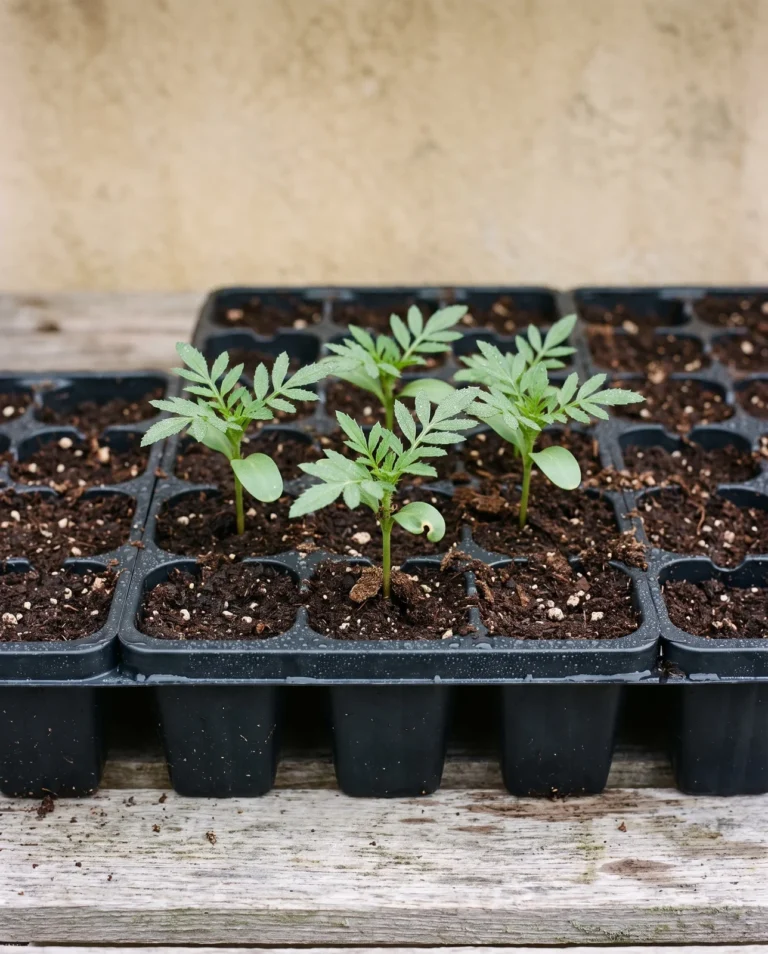
Cempasúchil marigolds: growing them for Día de los Muertos
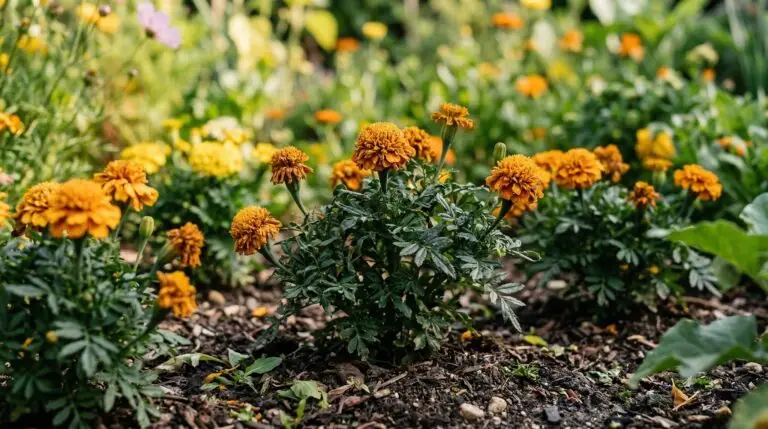
Why marigolds stop blooming in midsummer heat and how to get them flowering again
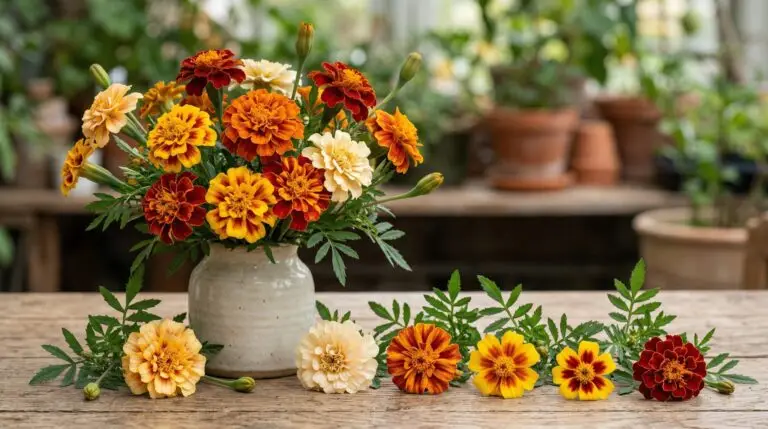
Best marigold varieties from tiny French Bonanza to towering African Antigua
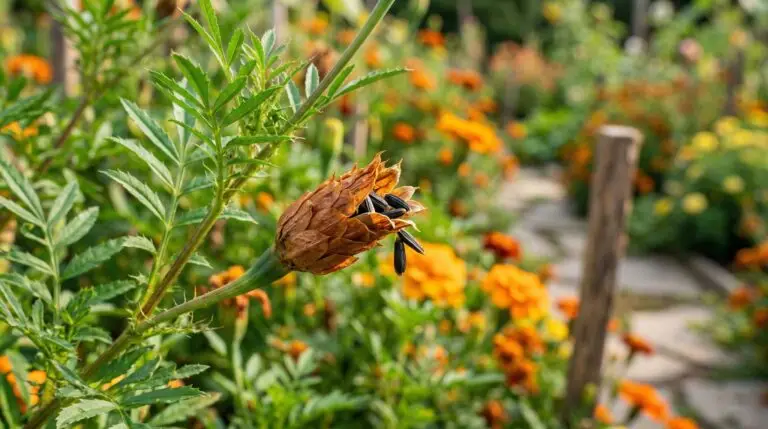
Growing marigolds from seed so easily that children can do it on their first try

Marigold meaning, from the sun and celebration to Victorian grief
Signet marigolds for edible flowers that taste like citrus in salads and cocktails
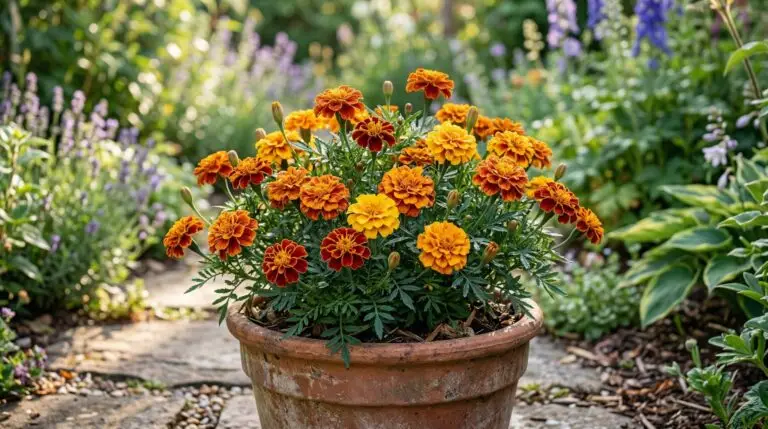
Marigolds in containers and window boxes for instant summer curb appeal
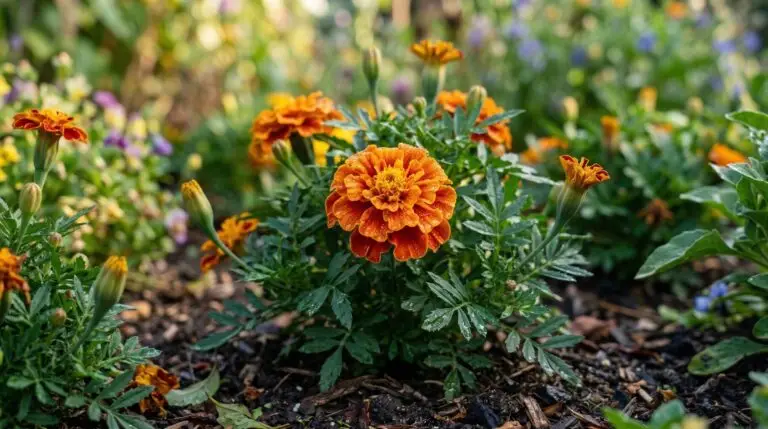
How to grow marigolds for bulletproof color from planting day to first frost

Marigold companion plants: what works, and what’s folklore
Enjoying our flower guides? Add YourFlowersGuide as a preferred source on Google. It helps more readers find us.
Add to Preferred Sources