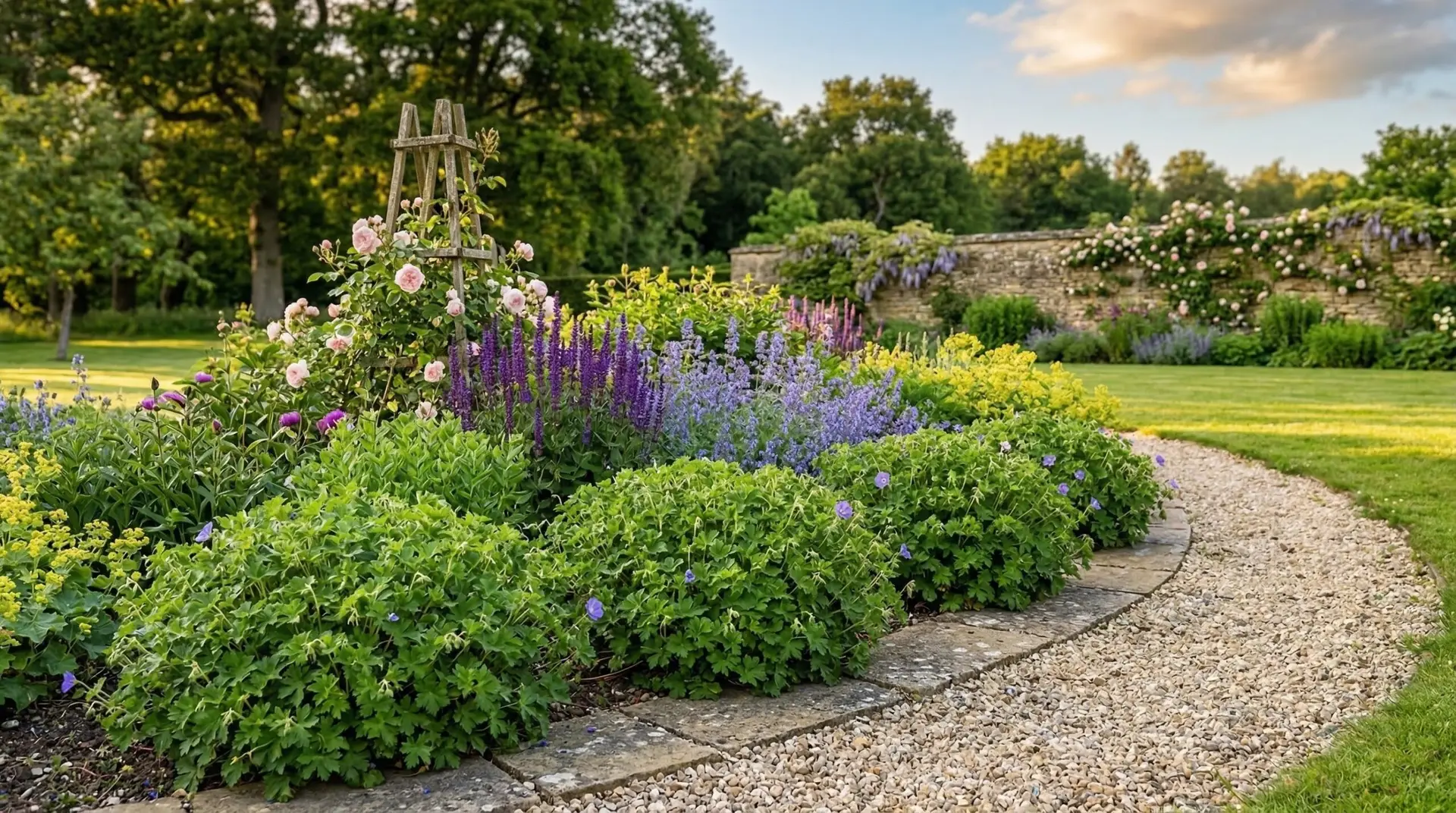
Hardy geraniums put on an incredible floral display in late spring and early summer, but that heavy flowering takes a visible toll on the plant. Once the first massive wave of blossoms fades, you will usually find the plant looking exhausted, with long, sprawling stems that flop over their neighbors and leave a dead-looking, open center. This sprawling phase happens just as the heat of summer sets in, making the garden look untidy right when you want to enjoy it most. Leaving the plant in this state means you will look at yellowing, ratty foliage for the rest of the season, and you will miss out on a potential second wave of flowers. A hard cutback resets the plant, forcing it to abandon those tired stems and push out a fresh, tight mound of new green leaves. You will know it is time to intervene when the main flush of flowers has clearly finished and the overall shape of the plant resembles a squashed bird nest rather than a neat dome.
Timing this cutback correctly depends entirely on observing your plants rather than looking at a calendar. You should plan to do this geranium midsummer chop when the daytime temperatures are consistently warm and the plant has clearly finished its primary reproductive cycle. For many gardeners, this happens a few weeks after the spring peak, often coinciding with the moment you notice the lower leaves turning brown or yellow. If you wait too long into late summer, the plant will not have enough time or energy to push out meaningful new growth before autumn arrives. Cutting back geraniums at the right moment ensures they have plenty of warm weeks ahead to recover, grow fresh leaves, and develop new flower buds. This technique is similar to the famous Chelsea Chop, though you are doing it after the first bloom rather than before it, specifically to rejuvenate the tired foliage.
Taking the plunge and making the hard cut
The actual process of cutting the plant back requires a bit of courage because you are going to remove almost all the visible top growth. You will need a pair of sharp, clean bypass pruners, or if you have a massive patch of geraniums, a pair of long-handled hedge shears will make the job much faster. Gather the sprawling stems into a loose ponytail with one hand, pulling them up so you can clearly see the base or crown of the plant resting at soil level. With your pruners or shears, cut the entire mass of stems straight across, leaving only about two to three inches of growth above the soil line. You want to leave just a little bit of the stem structure and any tiny new green leaves that might already be forming near the crown. Do not worry if you accidentally snip a few of those tiny new leaves, because the plant has plenty of dormant buds waiting to activate.
Immediately after making this hard cut, your garden bed will look surprisingly bare, and you might briefly panic that you have killed your plant. The remaining stubble is rarely attractive, often revealing dead brown leaves trapped at the base and bare soil that was previously hidden by the sprawling stems. This is completely normal and is a necessary phase of the rejuvenation process. Take a moment to clean up any dead debris around the base of the crown, which improves air circulation and prevents fungal issues from taking hold in the dense crown. Certain varieties respond exceptionally well to this treatment, with classic spreaders like Johnson’s Blue bouncing back vigorously. Trailing types like Rozanne might not need as severe a cut unless they have completely taken over a pathway, but even they benefit from a heavy trim to keep them in bounds.
Supporting recovery with water and nutrients
Once the canopy of leaves is gone, the soil around the base of the geranium is suddenly exposed to direct summer sunlight. This means the moisture in the soil will evaporate much faster than it did when the plant was providing its own shade. You need to monitor the soil moisture closely during the first week after the cutback, using your fingers to check the top two inches of dirt. If the soil feels dry to the touch, give the plant a deep, thorough soaking to encourage the roots to keep working. A stressed, thirsty plant will struggle to produce the fresh foliage you are trying to encourage, so consistent moisture is your best tool for a rapid recovery. You will find that other sprawling perennials require this same post-cut attention; for instance, trimming back catmint follows an identical process of hard pruning followed by deep watering to force a fresh mound of growth.
Alongside adequate water, your newly shorn geranium needs a gentle boost of nutrients to fuel the production of entirely new foliage and a potential geranium second bloom. Right after you water the freshly cut plant, scratch a handful of balanced organic fertilizer or a thick layer of rich compost into the soil surface around the crown. The compost serves a dual purpose here, acting as a light mulch to help retain that crucial soil moisture while slowly leaching nutrients down to the root zone. Avoid using high-nitrogen synthetic fertilizers, which can force weak, sappy growth that attracts aphids and flops over just as badly as the old stems did. Water the fertilizer in thoroughly so the roots can access the nutrients immediately. By providing steady, slow-release nutrition, you are giving the plant exactly what it needs to build strong, compact stems that will hold their shape through the end of the season.
Managing expectations for the second flush of growth
The recovery process begins quietly, but within a week or two, you will see tight clusters of fresh green leaves emerging from the woody stubs you left behind. These new leaves will look pristine compared to the ragged foliage you removed, and they will quickly expand to cover the bare soil and hide the awkward pruning cuts. During this waiting period, the surrounding garden might feel a bit empty, which is why it helps to have sturdy, upright companions nearby. Plants like coneflower hit their stride right in the middle of summer, drawing the eye upward and providing bold color while your geraniums quietly rebuild their leafy foundations below. This layered approach to garden design ensures there is always something holding the space while other plants rest. By the third or fourth week, your geranium will have transformed into a tight, neat mound of attractive green foliage that looks exactly like it did in early spring.
As late summer approaches, this fresh mound of foliage will often produce a second round of flowers to reward your hard work. This geranium second bloom will not be as overwhelming or dense as the primary spring flush, but the scattered blossoms look beautiful resting against the healthy, compact leaves. Even if a particular variety decides not to flower again, the neat dome of fresh foliage is a massive visual upgrade over the sprawling, yellowed mess that would have remained without the cutback. The plant will hold this tidy shape right through the autumn months, eventually taking on reddish or bronze tints as the weather cools down before winter. You can consider the process a complete success when you walk through your garden in late August and see healthy, crisp green mounds instead of exhausted, floppy stems.
More About Geranium
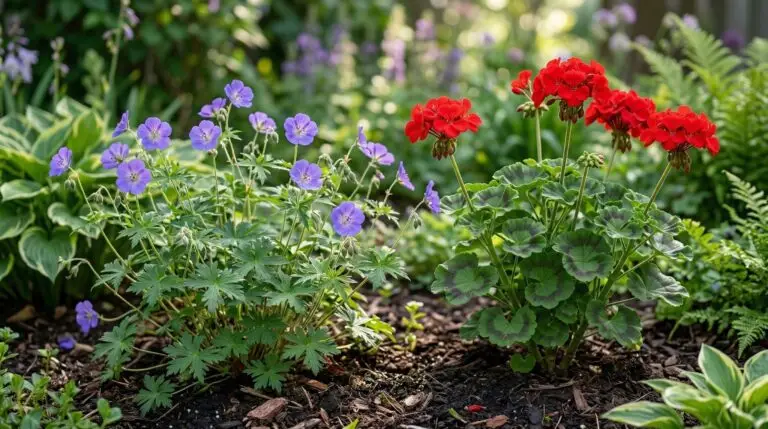
How to grow hardy geraniums for carefree ground cover that blooms for months
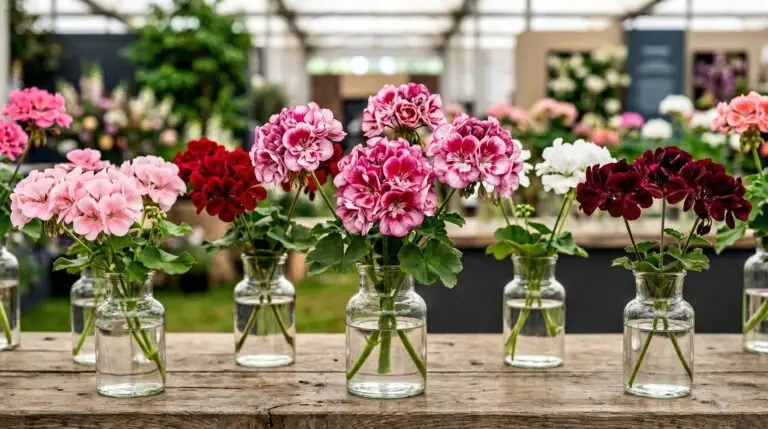
Geranium Rozanne and why one plant became the most popular perennial in the world
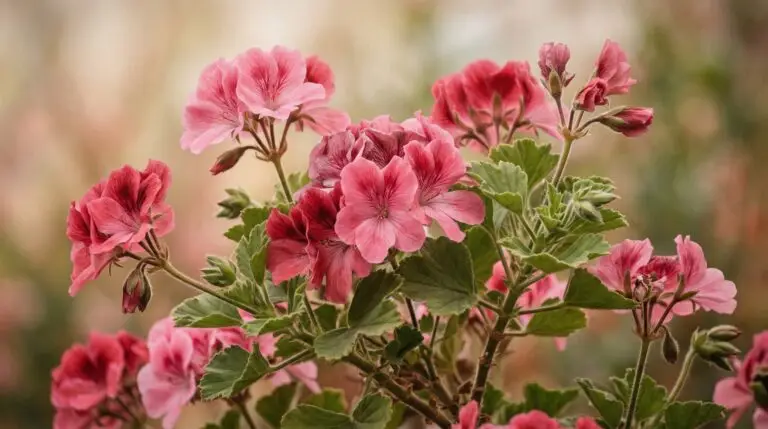
Geranium flower meaning and the Victorian message of comfort and true friendship

Using hardy geraniums as weed-suppressing ground cover under roses and shrubs
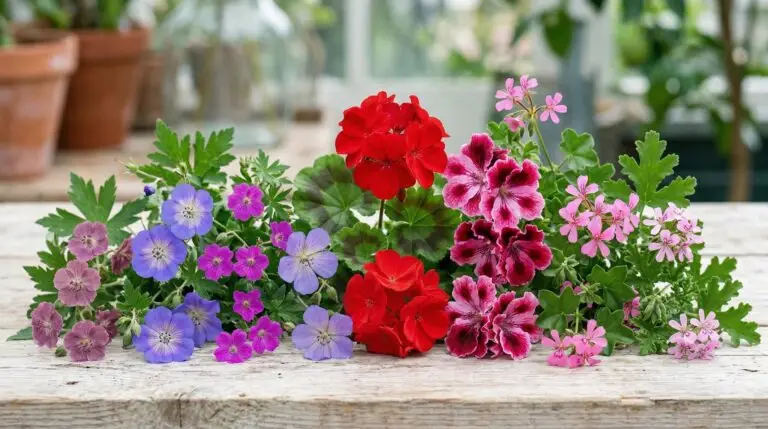
Hardy geraniums versus pelargoniums and why the garden world confuses them
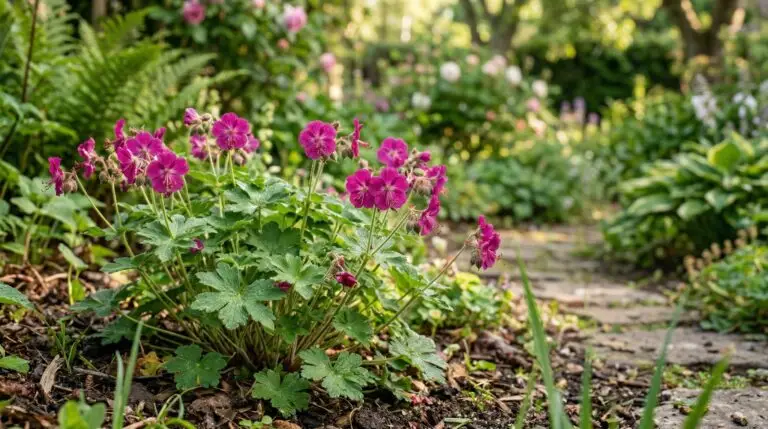
Hardy geraniums for deep shade that bring flowers to the darkest garden corners

Companion plants for hardy geraniums in borders and cottage garden beds